Travis the chimp had starred in beer commercials and lived like a family member, even sleeping in his owner’s bed. But in 2009, the 200-pound panzee snapped, attacking a friend of his owner outside their Connecticut home.
Travis was a chimpanzee born in October 1995 at a sanctuary in Festus, Missouri. His parents were wild-caught chimpanzees, and he was separated from his mother shortly after birth, a common practice in the exotic animal trade. He was purchased for $50,000 by Sandra Herold and her husband, Jerome, who lived in Stamford, Connecticut. They named him Travis after the country singer Travis Tritt.
The Heralds treated Travis as a member of the family. He wore custom-made clothes, ate meals at the table, and used household items such as television remotes and laptops. He rode in the passenger seat of the family tow truck and appeared in commercials for national brands like Old Navy and Coca-Cola. The couple’s attachment to Travis deepened after the death of their only daughter in a car accident in 2000, and again after Jerome’s death from cancer in 2004. Afterward, Sandra’s routine with Travis became more intense, with the two sharing meals and other daily activities.

There were earlier incidents that raised concerns. In 1996, when Travis was about a year old, he bit a woman’s hand, though the Heralds considered it playful. A more serious episode occurred in 2003 when Travis got out of the car during a drive, chased a pedestrian, and caused a disruption at an intersection. He evaded authorities for about two hours before returning to the vehicle. After this event, animal control officials and primatologists advised that a mature male chimpanzee was unpredictable and that keeping him in a household posed serious risks. The Heralds did not send him to a sanctuary but instead limited his time outside the home.
On February 16, 2009, Travis attacked Charla Nash, a 55-year-old family friend and former employee of the Heralds’ towing business. Nash arrived at the property that day after Sandra asked for help with Travis, who had taken her car keys and left the house. She brought a doll that Travis had liked. Travis had shown signs of agitation that day, and Sandra had given him tea that contained Xanax. Nash had also recently changed her hairstyle and was driving a different car, details that some later suggested may have contributed to the chimp’s reaction.
The attack lasted about 12 minutes. Nash sustained severe injuries to her face and hands, including the loss of her nose, lips, eyelids, and fingers. Sandra attempted to stop the attack with a shovel and then a knife, but was unable to. She then locked herself in her car and called police.
When officers arrived, Travis approached a patrol car and broke off a side mirror. An officer who had known Travis from earlier encounters fired four shots, fatally wounding the chimp. Travis died in his room near his cage.
Nash was taken to Stamford Hospital, where she underwent multiple surgeries. She lost her eyesight and sustained extensive facial injuries. She was later transferred to the Cleveland Clinic for further treatment and rehabilitation. In 2011, Nash received a full face transplant at a Boston hospital.
Nash’s family filed lawsuits against Sandra Herold and the state of Connecticut, citing prior warnings about Travis. The lawsuits were settled in 2013; the terms were not fully disclosed. Sandra Herold was not criminally charged. She died in May 2010 at her home in Stamford from a ruptured aortic aneurysm. She was 72. A necropsy performed on Travis found no evidence of rabies at the time of the attack.
The case drew public attention to the risks of keeping wild animals as pets and led Connecticut to pass a law restricting the ownership of potentially dangerous animals.
Recommended Stories
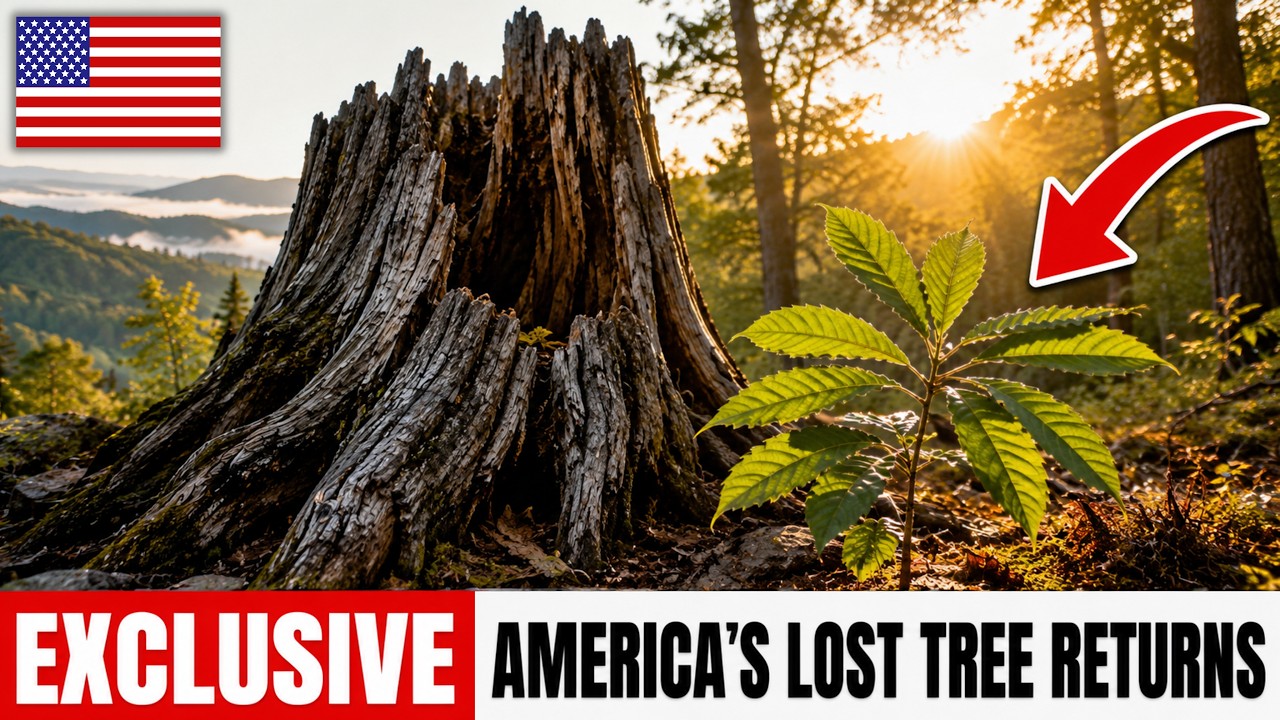
America’s greatest lost tree is making a stunning comeback—but the revival has taken a shocking detour from scientific predictions. Researchers believed they could restore the species through traditional seed collection and laboratory cultivation, yet nature chose its own unexpected path.
In a forest near John's Creek, Virginia, a scientist kneels beside a young chestnut tree, holding a printout of its...
Scientists dropped a camera into the Mariana Trench, the deepest point on Earth, and what came back has scientists more rattled than the void of space. They expected darkness and lifeless pressure, but the footage revealed something entirely unexpected thriving miles below the surface.
The Mariana Trench is the deepest known point in the world’s oceans, located roughly 200 kilometers east of the Mariana...
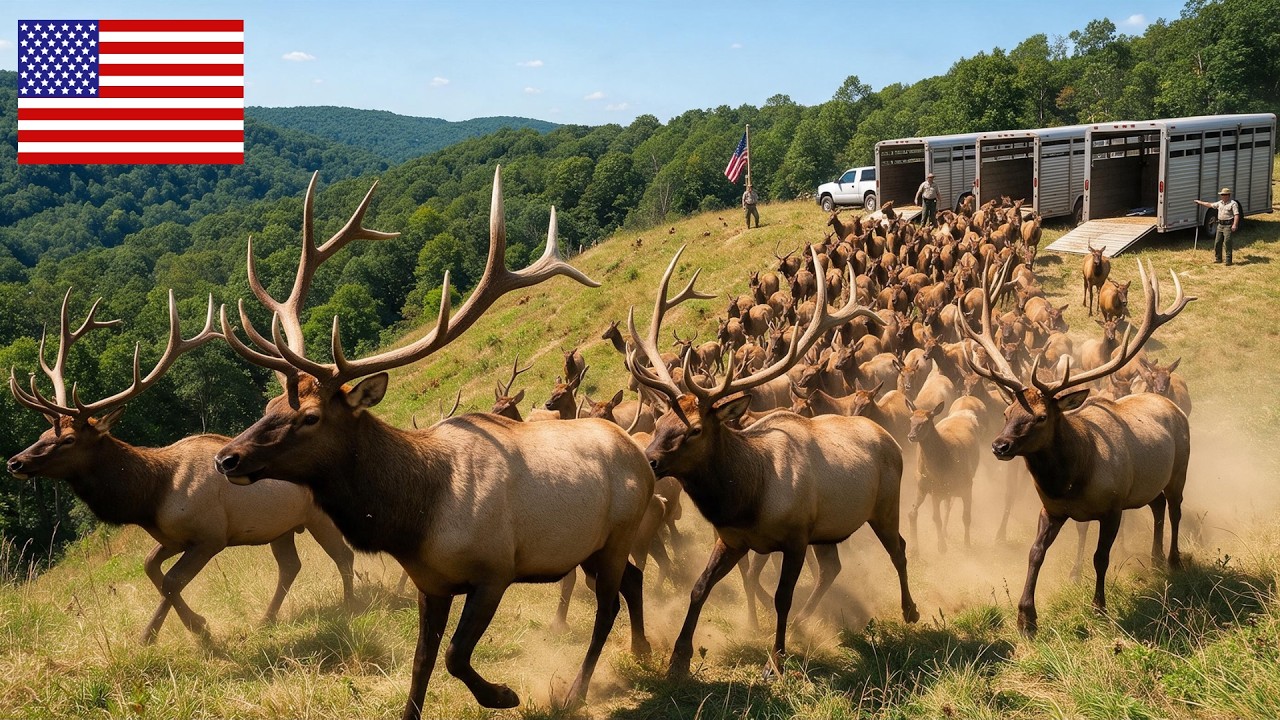
Kentucky released 1,500 elk into forests many considered dead—what came back 25 years later stunned researchers. After being wiped out over a century ago, the herd was reintroduced as an experiment in a landscape battered by mining and logging.
In December 1997, around 4,000 people gathered on a cold morning in eastern Kentucky to watch seven elk step off...