The Doctor Said I Might Never Have Children—Then I Saw My Husband Kiss His Pregnant Coworker – Life Story
The morning Claire Harrison learned she might never conceive with her own eggs, her husband was supposed to be sitting beside her.
By lunchtime, he still had not called to ask what the doctor had said.
By three that afternoon, Claire found him in a downtown hotel with his hand resting on another woman’s pregnant stomach.
The fertility clinic smelled like hand sanitizer, burnt coffee, and the faint artificial lavender of a diffuser somebody had probably bought to make difficult conversations feel less clinical.
It did not work.
Claire sat across from Dr.
Elaine Mercer with a pale blue folder on her lap and both hands clasped over it so tightly that the silver paper clip pressed into her palm.
Outside the narrow window, October rain glazed the parking lot in gray.
People hurried beneath umbrellas.
A delivery driver pushed a cart of cardboard boxes toward the rear entrance.
Somewhere down the hall, a baby cried.
Claire hated whoever had designed a fertility clinic close enough to the obstetrics wing that patients could hear newborns.
Then she hated herself for thinking that.
Dr.
Mercer turned the monitor slightly.
“I want to be precise with you.”
Doctors said that when precision was kinder than hope.
Claire nodded.
The numbers were not unfamiliar.
She had been learning the language of fertility medicine for more than two years.
AMH.
Antral follicle count.
Estradiol.
FSH.
Stimulation response.
Retrieval rate.
Mature oocytes.
Words that had gradually replaced simpler words like maybe, someday, child.
Dr.
Mercer explained that Claire’s ovarian reserve had declined more sharply than expected.
The first stimulation cycle had produced only two mature follicles.
Neither egg had developed into a viable embryo.
Another cycle using Claire’s own eggs remained medically possible, but the expected success rate was low.
Very low.
“Low means what?” Claire asked.
Dr.
Mercer did not hide behind vagueness.
“For someone with your current response pattern, we would be discussing single-digit odds per cycle.”
Claire stared at the graph on the screen.
“And if we wait?”
“I would not expect the odds to improve.”
Claire swallowed.
“Donor eggs?”
“Significantly better success rates.”
“Adoption?”
“That’s outside my expertise, but I can give you resources.”
“Embryo donation?”
“Also an option.”
Dr.
Mercer paused.
“And doing none of those things is an option too.”
Claire looked at her.
The doctor’s face was kind.
That made it worse.
“I’m thirty-seven.”
“Yes.”
“I thought I had more time.”
“So did you and Owen.”
His name landed in the room like a missing chair.
Owen had attended the first appointments.
He held Claire’s coat during blood draws.
He had learned enough about follicle measurements to ask questions.
He made jokes about having a PhD in reproductive endocrinology.
Somewhere during the last six months, his attendance became inconsistent.
Quarterly review.
Hospital site visit.
Staffing emergency.
Board presentation.
Budget meeting.
He worked as an operations director for Ridgewell Medical Group, which gave every excuse a layer of professional importance.
That morning, before leaving the house, he had kissed Claire’s forehead.
“I hate missing this one.”
“So move the meeting.”
He hesitated.
That hesitation irritated her more than the answer.
“I can’t.”
“You say that every time.”
“I know.”
“No, you don’t.”
Owen had stood in their bedroom wearing a blue shirt she bought him for his birthday.
“I’ll call the second you’re done.”
Claire had wanted to say, I should not have to report the results of our fertility appointment to you like a quarterly update.
Instead she said, “Okay.”
Eleven years of marriage contained thousands of moments like that.
Small concessions that did not feel important enough to become arguments.
Until one day you looked back and realized those moments had built something.
Claire left Dr.
Mercer’s office at 11:43.
She sat in the parking garage with the blue folder on the passenger seat.
The concrete smelled damp.
Cars came and went.
A woman loaded a toddler into a stroller near the elevator.
Claire looked away.
She called Owen.
No answer.
Again.
No answer.
She texted:
It’s not good.
Please call me.
At 12:14, his reply arrived.
In meetings all afternoon.
Dinner with regional team at the Whitmore.
I’ll call tonight.
Love you.
Claire read the message twice.
No question.
Not What happened?
Not Are you okay?
Not Should I leave?
He had responded to grief with scheduling information.
Her first instinct was still to defend him.
Maybe he was presenting.
Maybe people were in the room.
Maybe he had glanced at the message and could not respond properly.
The brain, Claire would later learn, was extraordinarily talented at protecting the life it already understood.
She drove home.
Their house sat on a tree-lined street in Evanston, a three-bedroom brick colonial with black shutters and a maple in the front yard.
They bought it seven years earlier because Owen said the second upstairs bedroom would make a perfect nursery.
They never painted it.
“Bad luck,” he said.
For years, the room held a desk, exercise bike, and boxes of things they intended to organize.
Claire entered through the kitchen.
Silence.
On the counter, beside the wooden fruit bowl, sat Owen’s brown leather presentation folio.
He carried it to every important meeting.
Claire stared at it.
Then she laughed once.
Not because anything was funny.
Because of course.
Of course the one day he claimed he was trapped in meetings, the folder containing every presentation note and budget spreadsheet was sitting beside three bruised apples.
She opened it.
Not to investigate.
To confirm it was his.
Inside were Ridgewell budget printouts, handwritten notes, and a flash drive marked Q4 OPERATIONS.
Claire closed it.
The Whitmore Hotel was twelve minutes away in midday traffic.
She told herself she was being useful.
That was one of her oldest habits.
If emotion became unbearable, convert it into a task.
Bring the folio.
Bring the fertility folder.
Find Owen.
Tell him in person.
Let him see your face.
Maybe then he would understand.
The Whitmore lobby had dark wood paneling, enormous abstract paintings, and flower arrangements that smelled faintly of eucalyptus.
Claire entered carrying Owen’s folio in one hand and the blue medical folder under her arm.
Near the elevators, digital conference signs listed three events.
A banking retreat.
A pharmaceutical sales meeting.
A university foundation luncheon.
No Ridgewell Medical Group.
Claire noticed.
Her stomach tightened.
She kept walking.
Then she saw Owen.
He stood beyond the lobby bar near a wall of tall windows.
He was not with a regional team.
He was with Serena Price.
Claire recognized her immediately.
Strategic partnerships.
Thirty-three.
Dark green coat.
Cream dress.
Warm smile.
Claire had met her at two Ridgewell holiday parties.
Serena once spent fifteen minutes asking about Claire’s stroke rehabilitation work and later emailed an article she thought Claire might find useful.
Claire had liked her.
That was one of the humiliations nobody discussed about infidelity.
Sometimes the other person had been kind to you.
Serena’s coat was open.
Her stomach was round.
Not possibly pregnant.
Pregnant.
Owen’s hand rested at her waist.
Then moved forward.
Across the curve of her belly.
Serena covered his hand with hers.
Owen smiled.
Claire had not seen that smile directed at her in months.
Then he kissed Serena.
Slowly.
Familiar.
No hesitation.
The leather folio slipped from Claire’s fingers.
It hit the carpet with a soft thud.
Neither of them heard.
She crouched.
Picked it up.
She thought about walking toward them.
Saying Owen’s name.
Holding up the pale blue folder.
Asking whether Serena knew Claire had spent that morning being told her chances of biological motherhood might be disappearing.
Claire imagined the faces turning.
Hotel guests.
Bartender.
Business travelers.
Her marriage becoming public spectacle beneath expensive lighting.
She walked out instead.
The revolving door pushed cold October air against her face.
She made it to her car.
Then her hands started shaking.
Not crying.
Shaking.
She locked the doors though there was no danger.
Set Owen’s folio on the floor.
Placed the blue fertility folder beside it.
Two documents from two different lives.
One said the future might be difficult.
The other, without words, said Owen had already started another one.
Claire looked at her wedding ring.
White gold.
Simple.
They had chosen it because she hated large stones.
Eleven years lived inside something smaller than a coin.
Flu seasons.
Mortgage payments.
Her mother’s funeral.
Owen’s first promotion.
Weekend grocery runs.
Burned Thanksgiving rolls.
The year he had panic attacks after his father’s surgery.
The night Claire came home from a fourteen-hour hospital shift and found Owen asleep on the couch waiting because he did not want her eating dinner alone.
Was all of it fake?
That was betrayal’s first lie.
It convinced you the past had changed because the present had.
Claire called Tessa Grant.
They had been friends since graduate school.
Tessa answered laughing.
“You will not believe what Greg just—”
“I saw Owen.”
Something in Claire’s voice stopped her.
“What happened?”
“At the Whitmore.”
“With who?”
“Serena Price.”
Silence.
“She’s pregnant.”
Longer silence.
“He kissed her.”
Tessa exhaled sharply.
Claire looked at the blue folder.
“And Dr.
Mercer said my odds are almost gone.”
That was when she cried.
Not elegantly.
She bent over the steering wheel with one hand pressed to her mouth and cried so hard her ribs hurt.
Tessa did not say It will be okay.
She said, “Where are you?”
Claire told her.
“Stay there.”
“I can drive.”
“Claire.”
“I can.”
“I’m coming anyway.”
By the time Claire reached home, Tessa was sitting on the front steps holding two paper cups of tea.
Both had gone cold.
Tessa stood.
No speech.
She took Owen’s folio from Claire’s hand.
Then the blue folder.
Claire unlocked the house.
For an hour they walked through rooms that suddenly looked like evidence.
Owen’s shoes near the mudroom.
His coffee mug in the sink.
A navy sweater draped over the dining chair.
His running watch charging beside the toaster.
The framed photograph from their tenth anniversary trip.
Everything had belonged to a stable marriage that apparently existed differently depending on who described it.
At , Owen texted.
Dinner running late.
Don’t wait up.
Claire stared at the message.
Tessa did too.
“Do you want me here when he comes home?”
Claire shook her head.
“Why?”
“I need to hear what he says before he knows someone else heard it.”
Tessa studied her.
“Promise me something.”
“What?”
“Do not let him turn this into your fertility.”
Claire frowned.
“What does that mean?”
“I don’t know yet.”
“Tessa.”
“I know men.”
Claire almost smiled.
“Very scientific.”
“I’m serious.”
“I know.”
Tessa left at eight-thirty but kept her phone beside her.
Owen came home at .
Claire knew because she watched the kitchen clock.
He entered smelling of hotel soap and red wine.
He loosened his tie.
“Sorry.
That thing went forever.”
Then he saw the leather folio on the table.
He stopped.
Claire sat across from the empty chair.
The blue fertility folder lay between them.
“You forgot this.”
Owen looked at the folio.
“I wondered where it was.”
“I brought it to the Whitmore.”
His face changed.
Not dramatically.
Color draining beneath the skin.
His brain working.
Claire watched.
“How long?”
He did not pretend not to understand.
That hurt almost as much as the answer.
“Claire—”
“How long have you been sleeping with Serena?”
Owen looked at the chair.
Then sat.
His shoulders lowered.
“About eight months.”
The number moved backward through Claire’s memory.
Eight months.
Before the second fertility consult.
Before Mother’s Day.
Before Asheville.
Before the night Claire cried after her sister-in-law announced her third pregnancy and Owen held her in the kitchen whispering, “We’re in this together.”
Eight months meant he had been lying while telling her she was not alone.
“Is the baby yours?”
Owen closed his eyes.
“Yes.”
“How far along?”
“Twenty-one weeks.”
Claire did the calculation automatically.
Five months.
The affair began first.
Pregnancy later.
The timeline mattered.
Maybe not legally.
Emotionally.
It mattered.
Owen reached toward Claire’s hand.
She moved it.
“I never meant for this to happen.”
Claire laughed.
His face tightened.
“What?”
“Everyone says that after doing something for months.”
“It wasn’t planned.”
“Only continued.”
Owen looked toward the blue folder.
“What did Mercer say?”
The question came almost three hours too late.
Claire stared at him.
“You want to know now?”
“I do.”
“She said my ovarian reserve is severely diminished.
Another cycle has low odds.”
Owen lowered his head.
“How low?”
“Single digits.”
“I’m sorry.”
Claire waited.
Then:
“When were you going to tell me about Serena?”
“I don’t know.”
“The baby?”
“I was trying to figure everything out.”
“For yourself.”
“For everyone.”
“No.”
Her voice sharpened.
“For yourself.”
Owen rubbed both hands across his face.
“I was scared.”
There.
Tessa had predicted it.
“Of what?”
He looked at her.
“Never having children.”
The words entered Claire like cold air.
“Say that again.”
“Claire.”
“Say it.”
“I’ve always wanted to be a father.”
“So have I.”
“I know.”
“No, apparently you don’t.”
Owen’s eyes filled.
Claire felt nothing from them.
Not yet.
“You were scared we might not have children, so you slept with your coworker.”
“It wasn’t that simple.”
“Good.
Then explain the complicated version.”
He looked at the floor.
“The treatments were taking over everything.”
Claire stopped breathing for a second.
Owen continued.
“We stopped talking about anything else.”
“I was giving myself injections.”
“I know.”
“I was working full-time.”
“I know.”
“I was going to appointments you stopped attending.”
His jaw tightened.
“I was going through it too.”
Claire laughed again.
This time bitterly.
“Yes.”
She leaned forward.
“But you were apparently going through Serena too.”
He flinched.
She did not apologize.
“I felt helpless,” Owen said.
“So did I.”
“I felt like there was nothing I could do.”
“So you did this.”
“No.”
“That’s exactly what you’re saying.”
Owen looked at her.
“I still love you.”
Claire went very still.
That was the most dangerous sentence in the room.
Because she believed him.
Some part of him probably did.
And that meant love was not enough.
A person could love you and lie.
Love you and protect themselves at your expense.
Love you and build a second life without asking permission.
“Do you love Serena?”
“I don’t know.”
“Are you leaving me?”
Owen looked down.
The silence answered before he did.
“There’s a baby now.”
Claire would remember those words for years.
There’s a baby now.
Not We need to decide.
Not I betrayed you.
Not I don’t know what I’ve done.
A baby had become a moral weight dropped onto one side of a scale.
Claire saw the architecture inside Owen’s thinking.
One door contained infertility, uncertainty, needles, failed embryos, grief.
The other contained Serena and a living pregnancy.
He had turned fear into destiny.
“I think I need to see what this is,” Owen said.
Claire stood.
He looked up.
“Pack a bag.”
“Claire.”
“You don’t get to ask me for patience tonight.”
“I don’t want to hurt you.”
“You already chose that.”
He slept somewhere else.
Claire did not ask where.
After he left, she carried the blue folder upstairs.
She placed it at the back of her closet.
Then removed her wedding ring and put it in the bathroom drawer.
She sat on the floor beside the tub where she had injected herself for months while Owen stood behind her saying, “We’re a team.”
That night, Claire believed she had lost two futures.
One to biology.
One to betrayal.
It would take a long time to understand that neither loss had authority over the rest of her life.
The first week after Owen left was so quiet the refrigerator irritated her.
Claire had never noticed how much sound one other person created.
Cabinet doors.
Water upstairs.
Keys on the console.
Shoes across hardwood.
A cough from another room.
Without those things, the house did not feel peaceful.
It felt accusatory.
Every room asked what she had missed.
Owen called twice the next morning.
She did not answer.
He texted:
Staying near work for now.
I want to give you space.
Claire typed:
You’ve been creating space for eight months.
Then deleted it.
Anger was useful.
But she did not yet trust it to drive.
At St.
Matthew’s Rehabilitation Center, work saved her by requiring precision.
Claire was a speech-language pathologist specializing in adult neurological rehabilitation.
On Monday morning, she worked with Leonard Pike, a retired mechanic who had suffered a left-hemisphere stroke.
Leonard could understand almost everything.
Words simply disappeared before reaching his mouth.
Claire held up a photograph.
“What’s this?”
Leonard stared.
His forehead tightened.
“Take your time.”
He tapped the picture.
A train.
He knew it.
Could not reach it.
His wife Ruth sat beside him with her hands folded.
She never answered for him unless he asked.
Thirty seconds passed.
Then Leonard whispered:
“Train.”
Ruth clapped once.
Claire smiled.
“Yes.”
Leonard grinned.
Claire went into the supply room afterward and cried for ninety seconds.
The sentence she had told him followed her.
Take your time.
You know it.
We’re building another route.
Three days after Owen left, his mother called.
Helen Harrison had always been gracious.
Polished.
The kind of woman who believed conflict became vulgar when voices rose.
“Claire, sweetheart.”
Claire almost hung up at sweetheart.
“I’m so sorry.”
“Thank you.”
“Owen told us everything.”
Claire doubted that instantly.
“He’s ashamed.”
“He should be.”
Helen inhaled.
“I’m not defending him.”
Claire waited.
“But?”
“He has been under enormous pressure.”
There it was.
“What pressure?”
“You both wanted children very badly.”
Claire closed her eyes.
“Owen has always dreamed of being a father.”
“So did I.”
“I know, honey.”
“No.”
Claire’s voice became cold.
“I don’t think you do.”
Helen went silent.
“If you understood, you would not be using my fertility treatment to soften what your son did.”
“I didn’t mean—”
“You did.”
“Claire.”
“Love your son.
Help him.
I’m not asking you to stop.”
She looked out at the maple tree beyond the window.
“But never call me again and connect his affair to my body.”
Helen’s breathing changed.
“That’s not fair.”
Claire almost laughed.
“Neither is being cheated on while injecting hormones into your stomach.”
Silence.
Then Helen whispered, “I’m sorry.”
Claire’s hand shook after the call.
But something underneath the shaking felt new.
A boundary.
Clean.
No apology for making another person uncomfortable.
The legal process began without drama.
Claire hired Priya Deshmukh, a divorce attorney in her early fifties with silver beginning at her temples.
Priya listened to the story.
Then asked:
“What do you want?”
“I don’t know.”
“Good.”
Claire blinked.
“Good?”
“You’ve had six days.
People who know exactly what they want after six days usually want pain returned.”
Claire almost smiled.
Priya opened a legal pad.
“You do not need to decide today whether reconciliation is impossible.”
“It feels impossible.”
“That’s different.”
“What do I need to decide?”
“Access to money.
Temporary expenses.
Insurance.
Beneficiaries.
The house.
Whether Owen removes property.
Whether either of you takes new debt.”
Practical things.
Claire loved her immediately.
“What about Serena?”
“What about her?”
“She’s pregnant.”
Priya nodded.
“That matters emotionally.”
“Not legally?”
“Not much for your property division unless marital assets were spent on the affair.”
Claire absorbed that.
“Can we find out?”
“Yes.
Through disclosure.”
Claire looked at the window.
“I hate that marriage can become statements and account numbers.”
Priya softened.
“Statements and account numbers prevent grief from becoming guesswork.”
That was exactly what Claire needed.
Owen came to the house Saturday for clothes.
He looked worse.
Unshaven.
Dark circles beneath his eyes.
Claire’s first impulse was automatic.
Have you eaten?
She hated the reflex.
Then understood it.
Eleven years did not leave the nervous system because the marriage became unsafe.
Owen packed quietly.
At the front door he stopped.
“My mom called you.”
“Yes.”
“I told her not to.”
“After?”
He looked down.
“After.”
Claire nodded.
“She thinks fertility explains you.”
“It doesn’t.”
“You keep connecting them too.”
He set down one suitcase.
“I don’t know how to explain it without sounding horrible.”
“That’s no longer my problem.”
He rubbed his forehead.
“I panicked last winter after your numbers came back low.”
“My numbers.”
“You know what I mean.”
“No.
Say what you mean.”
Owen stared.
“I thought maybe I would never have children.”
Claire heard the sentence differently now.
Not a shared loss.
His loss.
His imagined child.
His future.
“And what did you tell Serena about me?”
He looked up sharply.
“What?”
“Did she know we were still trying?”
Silence.
“Did she?”
“I told her we were having problems.”
“That is not an answer.”
Owen looked away.
Claire felt something shift.
“Did you tell her our marriage was over?”
“We were struggling.”
“We were having fertility treatment.”
“It felt like we were roommates sometimes.”
“You slept in my bed.”
He said nothing.
“You planned Asheville with me.”
Silence.
“You held my hand at Mercer’s office.”
Nothing.
Claire’s voice broke.
“You told me every morning you loved me.”
“I did love you.”
“Then you weren’t trapped in a dead marriage.”
She stepped closer.
“You were living inside one marriage while narrating another one to your girlfriend.”
Owen’s face changed.
There.
Truth.
Not only secrecy.
Story construction.
Affairs required versions of people.
Claire had been made into a distant wife so Owen could become a lonely husband.
“Get your things,” she said.
“Claire.”
“Leave.”
Two weeks later, Serena emailed.
SUBJECT: I OWE YOU THE TRUTH
Claire stared at the message for nearly an hour.
Tessa said, “Delete it.”
“Why?”
“You don’t owe her absolution.”
“I’m not giving her any.”
“You don’t owe her access.”
“No.”
“Then why read it?”
Because Owen’s answers arrived wrapped in explanations.
Serena might have facts.
Claire opened it.
Owen had told Serena the marriage effectively ended the previous year.
He said they lived together temporarily because selling the house would be financially inconvenient.
He said Claire no longer wanted children.
He said fertility treatment had ended.
He said they slept separately.
Every statement was false.
Serena asked to meet once.
Not so I can defend myself.
I think there are things he has not told either of us clearly.
Claire agreed.
The coffee shop sat beside the Chicago River.
Gray afternoon.
Rain threatening.
Serena was more visibly pregnant now.
Claire’s body reacted before her mind.
Chest tightening.
Heat behind her eyes.
Serena stood.
“Thank you.”
“I almost didn’t come.”
“I would’ve understood.”
Claire sat.
No hug.
No performance.
“When did it start?”
“February twelfth.”
Claire remembered Valentine’s Day.
Italian restaurant.
A handwritten card from Owen.
Eleven years and I’d still choose you.
Her stomach turned.
“How?”
“Conference in Charlotte.
We stayed at the bar after everyone left.”
“What did he say?”
“That your marriage had been over emotionally for almost a year.”
“He came home and slept beside me.”
Serena looked down.
“I know now.”
“Did he tell you we were trying to have a child?”
“He said you stopped.”
“When?”
“Before we slept together.”
Claire swallowed.
“Owen attended an embryo consult with me three weeks after your affair began.”
Serena looked up.
The shock appeared genuine.
“He told me you were finishing appointments you had already paid for.”
Claire laughed once.
The precision of the lie.
“No.”
Serena’s hands moved over her stomach.
“I’m sorry.”
“I believe you.”
Serena looked almost relieved.
Claire continued.
“That doesn’t make you innocent.”
The relief disappeared.
“I know.”
“You knew he was married.”
“Yes.”
“You accepted the version of me that made what you wanted easier.”
Serena nodded.
Claire respected that more than defense.
“Was the pregnancy planned?”
“No.”
“Was Owen happy?”
Serena paused.
“Eventually.”
“What did he say?”
“That it proved something.”
Claire’s skin went cold.
“What?”
“That he could still have the life he wanted.”
The river moved outside the window.
Gray water.
Claire stared.
Proof.
The pregnancy had not simply been a child to Owen.
It had been evidence.
Evidence against uncertainty.
“When did he tell you my doctor had basically said I couldn’t have children?”
Serena frowned.
“August.”
Claire’s final consultation had happened in October.
Two months later.
Claire’s mind became very clear.
He had been using a diagnosis that did not yet exist.
Not reacting to the news.
Building justification in advance.
Claire stood.
Serena looked startled.
“I have what I need.”
“Claire.”
“One thing.”
Serena waited.
“Do not let him tell you I caused his affair.”
Her face tightened.
“I know.”
“No.
You don’t yet.”
Claire picked up her coat.
“And if one day he tells you that you caused whatever lie he tells next, you won’t have caused that either.”
She left.
That evening, Claire took the fertility folder from the closet.
She read every page.
Not only the probability tables.
Counseling resources.
Donor egg information.
Embryo donation.
Adoption resources.
Living child-free.
Dr.
Mercer’s handwritten note:
Encourage time before major decisions.
Patient experiencing high distress.
Claire found a yellow sticky note.
She wrote:
My body did not betray my marriage.
She placed it inside the front cover.
She did not fully believe it.
Not yet.
But belief sometimes began as a sentence repeated before emotion caught up.
Claire started therapy with Dr.
Nina Bell, a psychologist specializing in reproductive grief.
During the first session, Claire spent twenty minutes explaining Owen.
His fear.
His mother.
Serena.
His job.
His fatherhood obsession.
Nina interrupted.
“Tell me what you believe about yourself because he cheated.”
Claire looked down.
“That I wasn’t enough.”
“How?”
“As a wife.”
“Anything else?”
Claire’s throat tightened.
“As a woman.”
Nina waited.
Claire whispered:
“As a future.”
That broke something.
She cried.
Then apologized.
Nina smiled sadly.
“You don’t have to apologize for using the room correctly.”
Therapy was not transformation.
It was repetition.
Claire hearing her own cruelty toward herself.
If another patient had said infertility made her incomplete, Claire would have challenged it immediately.
Yet she had accepted that idea about herself because pain made terrible theories feel factual.
At work, Claire’s director, Carla Nguyen, asked her to apply for clinical supervisor.
Claire almost refused.
“Treatment appointments—”
“You stopped treatment.”
“Temporarily.”
“So?”
“I don’t know what happens next.”
Carla leaned against the office door.
“Claire, you’ve been waiting three years for your life to become uncomplicated before you let yourself move.”
Claire stared.
“That sounds judgmental.”
“It is.”
Claire laughed.
“Apply.”
She did.
Halfway through the interview, something surprised her.
She enjoyed it.
For forty minutes, no one knew her as an abandoned wife or infertility patient.
She was Claire Harrison.
Fifteen years of clinical experience.
Ideas.
Competence.
She got the job.
That same afternoon, Owen asked to meet.
A restaurant halfway between the house and his apartment.
He looked nervous.
Claire arrived after work.
“How are you?” he asked.
The question irritated her.
“I got promoted today.”
His face brightened.
“Claire, that’s great.”
“Thank you.”
“I always knew you should take that role.”
She stared.
“What?”
“I just mean—you’ve always been leadership material.”
“Then why every time I said treatment was making work impossible, did you agree I should keep my schedule smaller?”
Owen looked confused.
“I was supporting your choice.”
“I didn’t know what my choice was.”
He lowered his eyes.
Claire exhaled.
“What did you want to talk about?”
“Serena and I are getting an apartment.”
The news hurt.
But did not destroy.
That difference mattered.
“She’s due in February.”
“I know.”
“We need more space.”
Claire nodded.
Owen watched her.
“I wanted you to hear from me.”
“Thank you.”
He looked relieved.
Then:
“I know this is especially hard because of everything you’re going through.”
There.
Again.
Fertility.
His moral alibi.
Claire placed her napkin down.
“I need you to hear something.”
He straightened.
“You did not cheat because I might not be able to have a child.”
“I know.”
“No.”
Her voice remained quiet.
“You say you know, then every explanation begins with my ovaries.”
Owen looked down.
“You were scared.
You wanted fatherhood.
Serena got pregnant.
All true.”
Claire leaned toward him.
“None of those things made you lie to me for eight months.”
He rubbed the edge of the napkin.
“Serena contacted me.”
Owen froze.
Claire continued.
“You attended an embryo consultation with me three weeks after the affair began.”
His eyes closed.
“You told her we were practically separated.”
“I didn’t know how to stop.”
“That is another way to say you kept choosing not to.”
He looked at her.
For the first time, Claire saw him without the story.
Not a man swept away by tragedy.
A man frightened of conflict who created larger conflicts to avoid smaller ones.
Owen whispered:
“I was a coward.”
Claire nodded.
“Yes.”
No triumph.
Accuracy.
“I’m sorry.”
“I believe you.”
Hope appeared on his face.
Claire saw it.
“Believing you’re sorry is not the same as trusting you.”
The hope disappeared.
They finished dinner.
No reconciliation.
No dramatic goodbye.
Just two people sitting inside the consequences of choices already made.
Helen came to the house the following week.
Unannounced.
She held a bakery box.
“I brought lemon cake.”
Claire almost laughed.
Lemon cake had always been her favorite.
As though dessert could create safe territory.
They sat at the kitchen table.
Helen opened the box.
Neither ate.
“I owe you an apology.”
Claire waited.
“Owen told me the timeline.”
“What did you think the timeline was?”
Helen’s cheeks colored.
“I thought Serena happened after the doctors were more certain.”
“He allowed you to think that.”
“Yes.”
“And you called me and explained his affair using that version.”
Helen’s eyes filled.
“I was wrong.”
Claire wanted to punish her.
She imagined saying, You needed my body to be defective enough to protect your son.
The sentence was true.
It was also crueler than Claire needed to be.
Instead:
“I’m not asking you to stop loving him.”
Helen nodded.
“I am asking you to stop protecting him from what he did.”
“I understand.”
“And whether I ever become a mother is no longer family discussion.”
Helen nodded again.
“No questions.”
“Yes.”
“No stories about people who got pregnant after adopting.”
A sad smile.
“Yes.”
“No telling me to relax.”
“I promise.”
When Helen left, Claire did not feel close to her.
That was fine.
Not every damaged relationship needed restoration to its original form.
Some became boundaries.
In December, Claire returned to Dr.
Mercer.
Alone.
Again.
This time the room did not feel like a verdict.
Dr.
Mercer reviewed her numbers.
Another IVF cycle with Claire’s eggs remained possible.
Low probability.
Donor eggs would raise chances significantly.
Embryo donation.
Adoption.
Foster care.
No parenting.
Claire asked:
“What would you do?”
Dr.
Mercer shook her head gently.
“I would not make your life belong to my values.”
Claire looked at her.
“What I can tell you is that panic makes terrible decisions.”
Claire laughed softly.
“I don’t know what I want.”
“That is allowed.”
The sentence felt revolutionary.
Claire stopped treatment.
Not forever.
Not as a dramatic declaration.
She stopped scheduling.
Donated unopened medication.
Disposed of expired syringes.
Deleted the fertility tracking app.
For the first time in almost three years, her calendar stopped telling her when to hope.
The empty space frightened her.
Then began to feel like room.
At St.
Matthew’s, Claire took over the supervisor role in January.
Her first major project was a communication program for families of stroke patients.
Spouses often left rehabilitation overwhelmed by aphasia.
They did not understand why shouting did not help.
Why finishing every sentence could feel humiliating.
Why patience sometimes looked like silence.
Claire built evening workshops.
Attendance started with seven families.
Then twelve.
Then twenty-three.
Leonard and Ruth became regular volunteers.
One evening, Ruth stayed after everyone left.
“You look different.”
Claire smiled.
“Haircut.”
“No.”
Ruth folded chairs.
“You look like you stopped waiting for permission to take up space.”
Claire laughed.
“Is it that obvious?”
“To women our age?”
Ruth smiled.
“Usually.”
Then:
“Marriage can make you good at sharing a life.
Sometimes too good.”
Claire stopped.
“You start thinking every part of you is community property.”
Claire wrote that sentence down later.
In February, Serena gave birth.
Owen sent a single message.
She’s here.
Healthy. 7 lbs 4 oz.
Her name is Lily.
A photograph.
Tiny face.
Dark hair.
One fist against her cheek.
Claire stared.
Pain moved through her.
Complicated.
She did not hate Lily.
She did not hate Serena in that moment.
She hated the life she had once imagined.
Then hated herself for making a newborn symbolize it.
Claire typed:
I’m glad she’s healthy.
Deleted it.
Typed it again.
Sent.
That night she cried until her face hurt.
Next morning she went to work.
Recovery did not move upward in a clean line.
A baby in a grocery aisle made her abandon a cart.
A coworker’s pregnancy announcement made her genuinely happy and privately devastated.
The divorce paperwork used the phrase irretrievably broken.
Claire stared at two words that carried eleven years as if language had charged by the page.
Still, life expanded.
She slept better.
Stopped checking Owen’s social media.
Painted her bedroom green.
Cooked food he disliked.
Went to movies alone.
Walked beside the river after work.
Most importantly, she separated two questions.
Did I want to become a mother?
Did I need motherhood to prove my life was complete?
The first remained open.
The second began answering itself.
No.
Their divorce mediation took place in March.
No war over money.
They sold the house because neither wanted it.
Divided retirement accounts.
Savings.
Furniture.
Claire kept the dining table because her father had refinished it with her.
The attorneys left briefly to copy documents.
Owen and Claire sat alone.
“Lily doesn’t sleep,” he said.
Claire smiled faintly.
“I hear babies do that.”
“She only settles if I walk around the kitchen.”
Pride lived beneath his exhaustion.
Claire felt grief.
Sharp.
Then something else.
She did not want him to fail as a father.
That surprised her.
His suffering would not restore her.
Lily did not need to become punishment for the circumstances of her conception.
“I hope you’re good to her.”
Owen’s eyes filled.
“I’m trying.”
“Keep trying.”
The lawyers returned.
They signed.
Outside, the first warm spring day had arrived.
Traffic.
Bus brakes.
Someone arguing on a phone.
No symbolic music.
Claire stood on the sidewalk.
Her marriage was ending.
Her life was not.
The divorce became final in April.
Claire returned to her birth surname.
Claire Bennett.
The first professional license she ever earned had carried that name.
Changing it back did not erase Harrison.
It simply placed the future somewhere else.
The house sold to a young couple with a golden retriever and a baby who slept through most of the inspection.
Claire watched them walk through rooms where she had once imagined another child.
She expected resentment.
Instead:
Gratitude.
And relief.
She bought a smaller townhouse twenty minutes from St.
Matthew’s.
Two bedrooms.
Blue-gray siding.
Old white kitchen cabinets.
A narrow porch.
The second bedroom became a reading room.
Desk by the window.
Bookshelves.
A large chair.
No nursery.
Giving the room to her actual life felt like reclaiming land.
Tessa helped her move.
They ate pizza on the floor.
“To your aggressively adult reading room,” Tessa said, raising a plastic wine cup.
“To furniture nobody else picked.”
They laughed.
Claire cried.
Then laughed again.
A month later, she met Daniel Cole.
He was forty-two.
High school history teacher.
Divorced.
His mother, Marjorie, had suffered a stroke and attended rehabilitation at St.
Matthew’s.
Daniel came to every family workshop with a notebook.
He asked thoughtful questions.
Tried to learn everything.
One evening, Claire found him near the vending machines studying the coffee options.
“It is legally coffee,” she said.
Daniel looked over.
“Morally?”
“Unresolved.”
He smiled.
Five minutes.
Nothing cinematic.
His mother finished therapy.
Two weeks later, Daniel began volunteering at the family communication program.
He stacked chairs.
Made sign-in sheets.
Carried boxes.
Never lingered strangely.
They became friends.
When Claire told him she was divorced, he did not ask why.
Months later, she said:
“My ex cheated.”
Daniel replied:
“I’m sorry you had to discover that about someone after trusting him so long.”
Precise.
No pity.
No heroism.
In June, he asked her to dinner.
Claire said no.
“Okay.”
No persuasion.
No disappointment turned into punishment.
He continued volunteering exactly the same way.
Three weeks later, Claire asked:
“Is that dinner invitation expired?”
Daniel considered.
“It has a very flexible return policy.”
Their first date happened at a small Mediterranean restaurant.
Claire spent twenty minutes waiting for guilt.
It never came.
Daniel had been divorced four years.
No infidelity.
No villain.
He and his former wife wanted different lives and remained married longer than either should have because both were terrified of “giving up.”
“Do you have children?” Claire asked.
“No.”
“Did you want them?”
Daniel thought.
“When I was younger, I assumed I’d have them.”
Claire’s body tightened.
“And now?”
“I realized assuming and wanting aren’t identical.”
“What do you want?”
“I like my life.”
He smiled.
“I like kids.
I don’t need one specific family shape to believe I have a family.”
Claire changed the subject.
Not because the answer was wrong.
Because it was almost too kind.
They dated slowly.
Once a week.
Sometimes less.
Claire did not want Daniel becoming evidence she had recovered.
He met Tessa.
Claire met Marjorie, who regained enough language to insult her son’s cooking.
Ordinary.
Consistent.
Then Serena called.
Claire had deleted the number.
Still recognized the voice.
“I know I shouldn’t be calling.”
“Then why are you?”
“Because I finally understand what you meant.”
Claire closed her office door.
“About what?”
“About him making someone else the reason he lies.”
Claire sat.
Serena explained.
Owen had become angry after she returned to work.
He wanted her to reduce hours.
She worked thirty-two per week.
He told his mother Serena was “never home.”
She was.
He missed Lily’s pediatric appointment because of a meeting, then described Serena as excluding him.
Claire felt the old chill.
“He’s creating a version of you.”
“Yes.”
Serena’s voice broke.
“I thought the way he talked about you was evidence.”
Claire closed her eyes.
“It wasn’t.”
“I know now.”
A dark temptation rose.
I told you so.
Claire let it pass.
“Are you safe?”
“Yes.
He has never threatened me.”
“Do you have people?”
“Yes.”
“Talk to them.
Therapist.
Lawyer if necessary.”
Serena was quiet.
“I can’t guide you through your relationship with him.”
“I know.”
“And I can’t be the person you call whenever he hurts you.”
“I understand.”
“That would pull me back into something I worked very hard to leave.”
Serena cried softly.
“For what it’s worth, he was wrong about you.”
Claire almost asked what Owen had said.
Then stopped.
“I don’t need a character reference from you.”
Serena exhaled.
“No.”
Claire softened.
“But I hope you and Lily are okay.”
They never spoke again.
Two months later, Helen called.
“Owen and Serena separated.”
Claire was tightening a cabinet hinge.
“I’m sorry for Lily.”
Helen waited for curiosity.
None came.
“Owen is seeing a counselor.”
“Good.”
“He admitted some things.”
Claire set down the screwdriver.
“What?”
“That the affair started before he knew anything definite about your fertility.”
Claire closed her eyes.
No victory.
Just confirmation.
“He admitted he let us believe otherwise.”
“I’m glad he told you.”
“He wants to apologize properly.”
“He already apologized.”
“He says not properly.”
Claire looked at her newly repaired cabinet.
“That is something he will have to live with.”
After the call, Claire realized something almost miraculous.
She did not wonder whether Owen wanted her back.
A year earlier, that thought would have consumed her.
Now it was irrelevant.
Her life no longer depended on what door Owen entered next.
Claire and Daniel had their first serious disagreement in September.
Dinner plans.
Daniel called at five-thirty.
His mother had fallen.
Urgent care.
Probably not serious.
Claire told him to go.
At eight, no update.
By nine, Claire’s mind had built a story.
Maybe the fall was an excuse.
Maybe another woman.
Maybe kindness had simply made her slower to see.
She hated the thoughts.
Could not stop them.
At Daniel texted.
No fracture.
Big bruise.
Furious about walker.
Taking her home.
Will call later.
Relief.
Then shame.
At 10:30, Daniel called.
Claire said:
“I need to tell you something unflattering.”
“Excellent beginning.”
“For about an hour, I thought you were lying.”
Daniel went quiet.
“Not because of you.”
“I know.”
“I don’t want you reporting your movements to me.”
“Good.”
“But maybe if plans change because of an emergency, one update when you can.”
“Reasonable.”
Claire swallowed.
“I’m embarrassed.”
“Why?”
“I don’t want my old marriage in this relationship.”
“We aren’t married.”
She laughed despite herself.
“You know what I mean.”
“I do.”
Daniel paused.
“But you can’t erase history because I didn’t cause it.”
Claire became still.
“We work around the scar without pretending there wasn’t an injury.”
The next day, Daniel told her something too.
In the final year of his marriage, his ex-wife accused him of emotionally abandoning her because he spent long hours caring for his father through cancer.
He became hypersensitive to the suggestion that choosing his mother meant failing a partner.
“So when you went quiet yesterday,” he said, “I assumed you resented me for choosing Mom.”
“I didn’t.”
“I know.”
Claire stared.
Two adults.
Two histories.
Old alarms ringing during new events.
“You have baggage.”
Daniel smiled.
“I prefer vintage luggage.”
Healthy love was not the absence of fear.
Claire began to understand.
It was refusing to turn fear into private evidence.
In October, exactly one year after the Whitmore, Claire and Daniel went to the Blue Ridge Mountains.
Second evening.
Cabin.
Cold sky.
Claire said:
“I had severe fertility problems.”
Daniel waited.
“The chance of biological pregnancy with my own eggs is low.”
He continued waiting.
“You can say something.”
“I’m trying not to say the wrong thing too fast.”
Claire laughed.
“That may be the best response anybody has given me.”
“I don’t know if I want donor eggs.”
“Okay.”
“I don’t know if I want adoption.”
“Okay.”
“I don’t know if I want children anymore.”
“Okay.”
She looked at him.
“That’s all?”
“What do you want me to do with the information?”
“I don’t know.”
“Claire.”
He leaned forward.
“I’m dating you.”
Her throat tightened.
“Not a hypothetical child.
Not a medical probability.”
She looked down.
“If someday we become serious enough to make decisions about parenthood together, we’ll make them together.”
“And if I decide no?”
“Then we talk.”
“You make it sound easy.”
“No.”
Daniel smiled.
“I make it sound like it doesn’t require an answer tonight.”
That was different from Owen.
Daniel did not tell Claire fertility did not matter.
He simply refused to make it the price of being chosen.
A month later, Owen emailed.
First line:
I am not writing to ask you back.
Claire read.
Therapy had forced Owen to confront what he called conflict avoidance.
He avoided saying what he feared.
Fear became resentment.
He avoided telling Serena he and Claire were still trying for a baby because truth might end the affair.
He avoided telling Helen the timeline because he wanted to remain the son she understood.
Then he wrote:
I used your diagnosis as a moral alibi for something that began before the diagnosis existed.
Claire stopped.
He continued.
I told myself I was grieving fatherhood.
The truth is I was afraid of a future I could not control.
Instead of grieving beside you, I went looking for a different future without telling you I had already left the first one.
Lily was beautiful.
He loved her.
He and Serena were learning co-parenting.
He did not regret Lily.
He regretted the decisions around her beginning.
Then:
You were never the reason I cheated.
Your body was never the reason.
I am sorry I let you carry that even one day.
Claire cried.
Not because she wanted him.
Because apologies sometimes arrived after the person who needed them had already learned to live without them.
The next morning:
Thank you for finally saying this without asking me to carry your guilt.
I hope you keep doing the work for yourself and Lily.
I forgive you enough to stop carrying what happened.
I am not reopening the life we closed.
Then she went to work.
By the second anniversary of the Whitmore, Claire forgot the date until midmorning.
That mattered.
Her townhouse felt like home.
The reading room was full.
The clinical program expanded.
Claire became department director after Carla moved into administration.
She negotiated salary instead of simply accepting the first offer.
When Nina asked how Claire thought about motherhood, Claire said:
“As a desire.”
“Not a verdict?”
Claire smiled.
“Exactly.”
She decided not to pursue another IVF cycle with her own eggs.
Not because medicine had defeated her.
Because she no longer wanted the injections, scans, calculations, and emotional suspension.
Donor eggs remained possible.
Adoption possible.
Foster care possible.
No parenthood possible.
Possibility no longer felt like emergency.
Daniel kept a toothbrush at her house.
She knew his mother’s preferred cereal.
They argued about cabinet doors.
Claire answered work emails at dinner.
Daniel complained.
They repaired things quickly.
Ordinary honesty felt luxurious.
One Saturday, at a farmers market near the river, Claire heard her name.
Owen.
Pushing a stroller.
Her body reacted first.
Cold hands.
Tight chest.
Then she looked.
Lily.
Almost two.
Dark curls.
Serious face.
Stuffed rabbit.
Owen looked healthier.
Tired.
Settled.
“Hi.”
“Hi.”
Daniel looked toward Claire.
She introduced them.
No contest.
No awkward masculine performance.
Owen leaned toward Lily.
“This is Claire.”
The toddler stared at Claire’s paper bag.
“Apple?”
Claire laughed.
“Yes.”
She looked at Owen.
Permission.
He nodded.
Claire handed Lily an apple.
The child accepted it with both hands as though receiving treasure.
Something moved through Claire.
Not devastation.
Not proof.
A child.
That was all.
Lily had not created the adults’ choices.
“She’s beautiful.”
Owen smiled.
“She is.”
“How are you?”
“Better.
Serena and I finally figured out a schedule.”
“Good.”
He nodded toward Daniel.
“And you?”
Claire answered:
“I’m good.”
Simple.
True.
Owen said:
“I meant what I wrote.”
“I know.”
“I’m glad you’re happy.”
“Thank you.”
Nothing else required saying.
Claire and Daniel walked away.
After crossing the street, he asked:
“How was that?”
Claire considered.
“Evidence that time passed.”
Daniel took the apple bag because the handle had started tearing.
That small act almost undid her more than seeing Owen.
That evening, Claire opened the box containing her wedding ring.
She did not throw it away.
She placed it beside letters from graduate school and her father’s watch.
The marriage had happened.
Some years had been good.
Some truths had been ugly.
Healing did not require turning every breakfast into a lie.
That lesson was difficult.
Betrayal changed what Claire knew about Owen.
It did not require her to pretend he had never held her after her mother died.
Or waited through surgery.
Or made her laugh.
Good memories did not make betrayal acceptable.
Betrayal did not make every good memory counterfeit.
Layers.
Claire had learned to hold them.
A few months later, she and Daniel sat at her kitchen table.
Sunday morning.
Newspaper.
Coffee.
Claire said:
“I think I want to learn about fostering.”
Daniel lowered the paper.
“Okay.”
“Not immediately.”
“Okay.”
“I don’t know whether I would want to adopt.”
“Okay.”
“I don’t know if I would be approved.”
“Probably something they’ll explain.”
“You are very calm.”
“No.”
He smiled.
“I just don’t think every important conversation needs a final decision before breakfast.”
Claire smiled.
“Would you learn about it with me?”
“Yes.”
They attended an information session.
Trauma.
Reunification.
Court involvement.
Birth-family relationships.
Licensing.
Respite care.
Uncertainty.
The presenter said:
“Children in foster care are not here to complete adults.”
Claire wrote that sentence down.
Children were not medicine.
Neither was marriage.
Neither was being chosen.
They took home a packet.
Claire placed it on the same shelf as the blue fertility folder.
She did not complete it that night.
Once, delay meant failure.
Now it meant thoughtfulness.
That winter, St.
Matthew’s held an employee recognition dinner.
Leonard Pike attended with Ruth.
His speech had improved.
During dessert he stood.
Tapped his spoon against a glass.
Ruth whispered.
He shook his head.
He wanted to do it himself.
“Claire.”
She looked up.
“You told me when I couldn’t…”
He touched his temple.
Words.
Take your time, Ruth whispered.
Leonard smiled.
“Find words.”
Claire’s throat tightened.
“You said…”
He paused.
“Another route.”
Then lifted his glass.
“Found one.”
Everyone applauded.
Claire cried openly.
Later, driving home, she remembered the first week after Owen left.
She had told Leonard they were building another route to a word his brain could not reach by the old road.
She had not understood she was prescribing her own future.
For years, Claire imagined happiness on one route.
Marriage.
Pregnancy.
Child.
School photographs.
College.
Grandchildren.
There was nothing foolish about wanting that.
The mistake was believing one blocked route meant happiness itself had become unreachable.
Another route was not inferior.
It was another route.
Three years after her diagnosis, Claire returned to Dr.
Mercer for a routine consultation.
Current information.
Nothing urgent.
Dr.
Mercer reviewed options.
“How are you?”
“Better than I expected.”
“Still thinking about pregnancy?”
“Maybe.”
Claire smiled.
“Maybe not.”
Dr.
Mercer smiled too.
“That sounds different from the first visit.”
“The first visit I thought you were telling me my life was over.”
“I remember worrying you heard that.”
“I did.”
“And now?”
Claire looked toward the same narrow window.
“Now I think you told me one biological path might be difficult.”
She paused.
“I supplied the rest.”
Before leaving, Claire asked whether the clinic still accepted medication donations.
She had none.
The question simply reminded her of the woman she once was.
Syringes.
Calendar.
Hope measured by dates.
Claire wanted to tell that woman something.
Not Everything will work out.
That would be another lie.
She would say:
You will survive not knowing.
A husband leaving does not mean life abandoned you.
Motherhood, if it comes, is a relationship, not proof that you are complete.
An apology can matter without reopening a door.
The person who hurts you does not own the meaning of the wound.
And stop using the word failure for things that are simply painful.
Months later, Claire and Daniel completed the first stage of foster-care training.
No ending promised.
Learning.
They sat on her porch while rain moved through the streetlights.
“Are you scared?” Daniel asked.
“Yes.”
“Me too.”
“Good.”
He laughed.
“Good?”
“I don’t trust people who aren’t scared of important things anymore.”
He understood.
The truth was, Claire did not know how the story would end.
Maybe fostering.
Maybe not.
Maybe motherhood through a path she never expected.
Maybe a life full of patients, friends, nieces, nephews, students, neighbors, and ordinary mornings without ever using the word mother for herself.
Once, that uncertainty sounded like tragedy.
Now it sounded like life.
Claire changed in smaller ways too.
One question had once felt like an examination.
Do you have children?
During treatment:
Not yet.
After treatment:
We’re trying.
After Owen:
Change subject.
Then, at a professional conference, a woman beside Claire asked casually.
“Do you have kids?”
The old reflex rose.
Claire said:
“No.
I thought I would by now, but life turned out differently.”
The woman nodded.
“Mine too.”
She was sixty-one.
Widowed twelve years.
They talked about work.
Travel.
Grief.
Nothing broke.
Claire realized honesty did not always open wounds.
Sometimes it invited honesty back.
That night Tessa laughed.
“You know what’s annoying?”
“What?”
“You’re becoming wise.”
“Do not spread that rumor.”
“Two years ago, you would have spent that lunch making a stranger comfortable.”
Claire smiled.
“Maybe I was busy surviving.”
Tessa became quiet.
“Exactly.”
Survival had required so much attention Claire sometimes mistook endurance for identity.
She did not want the rest of her life defined by how much pain she could carry.
She wanted choice.
One evening, Tessa asked whether Claire ever wished she had stayed with Owen long enough to attempt reconciliation.
Claire thought.
“Sometimes I miss who we were before I knew.”
“That isn’t the question.”
“I know.”
Could marriages survive infidelity?
Yes.
Claire believed some could.
Was leaving the only strong choice?
No.
But staying with Owen would have required rebuilding trust not only after sex with another woman.
It would have required rebuilding trust after he used Claire’s deepest fear to narrate himself as justified.
By the time Owen understood that, Claire had learned how much of herself had been reduced to supporting stability.
“Do you think he could’ve changed?” Tessa asked.
“Yes.”
“Then why wasn’t that enough?”
Claire answered:
“Someone being capable of becoming better does not obligate you to remain inside the damage while they do it.”
Tessa lifted her wine.
“Annoyingly wise.”
Claire laughed.
Owen’s later growth did not make leaving wrong.
His apology did not retroactively make him safe when Claire needed safety.
People could change after losing you.
You were allowed to hope they did without volunteering to become their reward.
At work, families asked Claire impossible questions.
Will speech return?
Will memory improve?
Will he walk again?
Claire had learned to say:
“I don’t know yet.”
Not because she had less expertise.
Because certainty was not the same as care.
Leonard visited the clinic one afternoon carrying a paper bag.
Inside was a small wooden train he carved himself.
Wheels slightly uneven.
One side smoother.
“For you.”
Claire turned it over.
“Because first word.”
“Train?”
He nodded.
“Train.”
Clear.
On the bottom, in shaky block letters:
ANOTHER ROUTE.
Claire put it on her office shelf.
Some symbols were too neat for real life.
Occasionally, real life supplied one anyway.
Years later, Claire would still think about the worst day of her marriage.
Morning:
A doctor telling her what her body might not do.
Afternoon:
A husband showing what he had already chosen to do.
For months, Claire fused the two.
She treated Owen’s betrayal as evidence that medical information had reduced her worth.
Serena’s pregnancy seemed to explain why Serena had been chosen.
Claire eventually understood how wrong that was.
Owen did not cheat because Claire’s ovarian reserve was low.
He cheated because he feared uncertainty.
Wanted control.
Wanted relief.
Wanted another future without having the courage to admit he was leaving the first.
Then he lied repeatedly because secrecy protected him from witnessing immediate consequences.
Those were Owen’s decisions.
They were not measurements of Claire.
Her diagnosis was not punishment either.
It was medical information about one organ system and one possible future.
It deserved grief.
Not shame.
Claire still had the blue folder.
Inside, the yellow sticky note had faded.
My body did not betray my marriage.
Beneath it, years later, Claire wrote another sentence.
A closed door is not the end of the house.
She kept both.
Not because she needed reminders every day.
Because she remembered the woman who had.
On the fifth anniversary of the hotel lobby, Claire woke before her alarm.
Daniel slept beside her.
They had married quietly the previous year.
Thirty-eight guests.
Tessa cried during the vows.
Marjorie criticized the wedding cake and ate two slices.
Claire wore a pale blue dress.
No symbolic white.
No declaration of triumph over the past.
Just a wedding.
That morning, Claire walked downstairs alone.
She made coffee.
Outside, October rain tapped lightly against the porch roof.
Daniel eventually appeared.
“You disappeared.”
“I made coffee.”
“That is how disappearances begin.”
Claire smiled and handed him a mug.
He noticed the date on the kitchen calendar.
“Oh.”
She nodded.
“Five years.”
“How does it feel?”
Claire thought.
“Farther away.”
“Good farther?”
“Just farther.”
He leaned against the counter.
Claire looked through the window.
“I used to think healing meant the day wouldn’t matter anymore.”
“And?”
“It matters.”
She touched her mug.
“It just doesn’t own the morning.”
Daniel kissed her temple.
They drank coffee.
No speech.
Years later, Owen and Claire would occasionally exchange messages about practical old matters or mutual acquaintances.
Nothing secret.
Nothing intimate.
Lily grew.
Claire saw photographs through Helen sometimes.
She no longer felt erased by them.
When Lily was seven, Owen emailed Claire unexpectedly.
Lily had asked why Claire’s name appeared in an old family album.
Owen wanted advice.
Claire wrote:
Tell her the age-appropriate truth.
We were married.
We loved each other.
The marriage ended before she was born because adults made choices that changed the family.
Do not make her responsible for why it ended.
Owen replied:
Thank you.
Claire stared at the message.
That was enough.
The child deserved a story that did not make her existence a wound.
At forty-five, Claire became director of rehabilitation services across three St.
Matthew’s campuses.
She still treated patients occasionally because management without patients made her restless.
Her office held photographs.
Parents.
Tessa.
Daniel.
Marjorie.
A wooden train.
No motivational quotes.
One framed sticky note in faded handwriting:
My body did not betray my marriage.
Carla noticed it once.
“You framed that?”
“Yes.”
“Why?”
“Because I spent a year not believing it.”
Carla nodded.
“Fair.”
Claire and Daniel did eventually foster.
Not immediately.
Not as a cure.
Three years after training, they became licensed respite foster parents first.
Weekends.
Short-term placements.
Then longer.
Their first long placement was a nine-year-old boy named Miles whose mother was completing residential treatment.
Claire learned quickly how dangerous savior fantasies were.
Miles did not need rescuing from loving his mother.
He needed adults who could hold safety and loyalty at the same time.
When he returned to his mother after ten months, Claire grieved.
Deeply.
Also celebrated.
Both true.
Later, Claire and Daniel provided care for another child.
Then another.
They never adopted.
Not because adoption was wrong.
Because their path did not go there.
People sometimes asked:
“Isn’t it hard giving them back?”
Claire answered:
“Yes.”
No inspirational lie.
Yes.
Hard.
Worth doing.
Not the same as possession.
Motherhood had once meant one image in Claire’s mind.
Biological child.
Owen’s eyes.
Her mother’s smile.
Eventually care became larger than ownership.
She did not need the word mother forced onto every relationship.
Miles called her Claire.
That was enough.
One summer afternoon, Leonard Pike died.
Ruth called.
Claire sat in her car after work and cried.
At the funeral, Ruth hugged her.
“He used that train story constantly.”
Claire laughed through tears.
“I’m sorry.”
“He loved telling people he had aphasia and still taught his therapist something.”
“He did.”
Ruth squeezed Claire’s hands.
“Another route.”
Claire nodded.
Another route.
The phrase had become almost embarrassingly perfect.
But Claire no longer resisted it.
Some truths deserved repetition.
At fifty, Claire returned to Dr.
Mercer’s clinic for a donor event honoring former patients who supported fertility counseling programs.
Dr.
Mercer was nearing retirement.
They stood near a table of coffee and pastries.
“You look well.”
“I am.”
“Did life become what you expected?”
Claire smiled.
“Absolutely not.”
Dr.
Mercer laughed.
“Good answer.”
Claire looked around.
Young couples.
Women alone.
People holding folders.
Some with hope.
Some with grief.
She remembered herself.
Thirty-seven.
Blue folder.
Believing statistics were a verdict on her value.
Claire said:
“I think you tried very hard not to tell me my life was over.”
“I did.”
“I heard it anyway.”
Dr.
Mercer’s eyes softened.
“I know.”
“What do you say now when people hear that?”
“That grief distorts translation.”
Claire nodded.
“Yes.”
Then:
“And?”
Dr.
Mercer smiled.
“That medicine tells you probabilities.
It does not tell you meaning.”
Claire liked that.
She wrote it down later.
Owen attended Helen’s funeral when Claire was fifty-two.
Of course he did.
Claire attended too.
Helen had become something like a distant aunt after the divorce.
Cards on birthdays.
Occasional lunch.
Respectful boundaries.
At the funeral reception, Claire and Owen stood beside a window.
He had gray in his hair.
So did she.
“Mom loved you,” Owen said.
“I loved her.”
“She never forgave herself for that first call.”
Claire smiled sadly.
“I did.”
Owen looked at her.
“She learned.”
“Yes.”
They stood in silence.
Then Owen said:
“I used to think if you forgave me enough, it would prove I wasn’t the worst thing I did.”
Claire looked at him.
“And now?”
“I don’t think you owe me proof.”
Something in Claire softened.
Not romance.
Humanity.
“No.”
He nodded.
“I’m sorry I needed so long to understand.”
Claire touched his arm once.
“Take care of yourself, Owen.”
“You too.”
They walked away in different directions.
No longing.
No rewritten ending.
They had once loved each other.
He betrayed that love.
He changed afterward.
Claire rebuilt elsewhere.
All true.
The older Claire became, the less interested she was in simple stories.
Villain.
Victim.
Winner.
Loser.
She believed in accountability.
Strongly.
But accountability did not require reducing people to one scene forever.
Owen’s affair was unforgivable at the moment Claire lived through it.
Later, forgiveness became possible.
Reunion did not.
Those were not contradictions.
Claire became better at holding multiple truths because rehabilitation had taught her brains did the same.
When one neural pathway failed, the mind sometimes built another.
Not identical.
Not replacement in the cheap sense.
Adaptation.
Life after injury was not always restoration to before.
Sometimes it was learning how to function honestly after.
At fifty-seven, Claire retired from full-time clinical leadership.
Her staff threw a party.
Tessa spoke.
Far too long.
Daniel cried before anyone else.
Miles, now twenty-four, attended.
He was finishing graduate school in counseling.
Claire hugged him.
“You didn’t have to come.”
“Yes, I did.”
His mother came too.
Healthy.
Proud.
The four of them stood together.
No simple label fit.
That pleased Claire.
Family shapes could be complicated without being deficient.
During the party, a younger therapist asked Claire:
“What is the best thing you learned in rehabilitation?”
Claire almost gave a clinical answer.
Neuroplasticity.
Caregiver education.
Patient autonomy.
Instead:
“Never confuse the route you expected with the destination itself.”
The therapist wrote it down.
Claire groaned.
“Please don’t put that on Instagram.”
Everyone laughed.
That evening, Claire and Daniel drove home.
Rain began.
Thin silver lines in the headlights.
At the house, Claire took the blue fertility folder from a box in the closet.
She had not opened it in years.
The paper clip was slightly rusted.
The sticky notes faded.
My body did not betray my marriage.
A closed door is not the end of the house.
Daniel stood in the doorway.
“What are you doing?”
“Remembering.”
He sat beside her.
Claire handed him the folder.
He read.
Then said:
“You were very dramatic with sticky notes.”
Claire laughed.
“I was thirty-seven.”
“Ancient.”
She nudged him.
They sat on the floor.
Claire thought of Dr.
Mercer.
The Whitmore lobby.
Owen’s hand on Serena’s stomach.
Tessa on the front steps.
Helen’s lemon cake.
Nina’s office.
Leonard saying train.
Daniel at the vending machine.
Miles leaving with his mother.
All the rooms that once felt like endings.
None had been.
The cruelest mistake Claire made after betrayal was believing the man who hurt her had also destroyed the meaning of everything beyond him.
He had not.
Owen had damaged a marriage.
He had not damaged Claire’s capacity for love.
A diagnosis had changed her biological options.
It had not changed her worth.
Serena’s pregnancy had changed the shape of Claire’s grief.
It had not made another woman more complete.
A failed IVF cycle had closed one possibility.
It had not closed life.
Claire finally understood something Dr.
Mercer could never have written inside a medical folder.
Human beings were not measured only by what their bodies produced.
Women were not unfinished mothers waiting for children.
Wives were not support systems waiting for husbands to succeed.
Pain was information too.
Not proof of failure.
Information.
Something happened.
Something mattered.
Something needed care.
That was all.
One morning, years after retirement, Claire walked past a fertility clinic while meeting Tessa downtown.
A woman sat alone on a bench outside holding a pale folder.
Claire noticed because of course she did.
The woman’s eyes were red.
Claire did not approach.
She did not know her.
Not every grief needed a stranger’s wisdom.
But as Claire passed, the woman’s papers slipped.
Claire bent.
Picked them up.
Handed them back.
“Thank you.”
“You’re welcome.”
That was all.
Claire walked on.
Tessa waited at the corner.
“You okay?”
Claire smiled.
“Yes.”
“Actually?”
“Actually.”
They crossed the street.
The city moved.
People carried coffee.
Parents pushed strollers.
Buses hissed against curbs.
Somewhere, somebody received wonderful news.
Somebody else received terrible news.
Most people carried both eventually.
Claire no longer believed life divided cleanly into before and after.
There were too many crossings.
Too many returns.
Too many routes.
She had once walked out of a doctor’s office carrying a blue folder and believed grief had closed the house.
Then she found another door.
Then another.
Then discovered some rooms could be built later.
And some doors never needed opening at all.
That was not the future she had planned.
It was still hers.
If this story touched your heart, live to the fanpage and turn on notifications so you don’t miss the next ones.
Leave a like because it helps this story get recommended to more people.
See you in the next story.
Recommended Stories

ON HER FOURTH BIRTHDAY, A HOMELESS LITTLE GIRL RETURNED A BILLIONAIRE’S WALLET—THEN HER ONE SMALL WISH FORCED HIM TO FACE THE LIFE HIS MONEY COULDN’T FIX – Life Story
SHE COULD HAVE BOUGHT FOOD FOR A WEEK WITH THE CASH INSIDE HIS WALLET, BUT SHE RETURNED IT WITH BOTH...
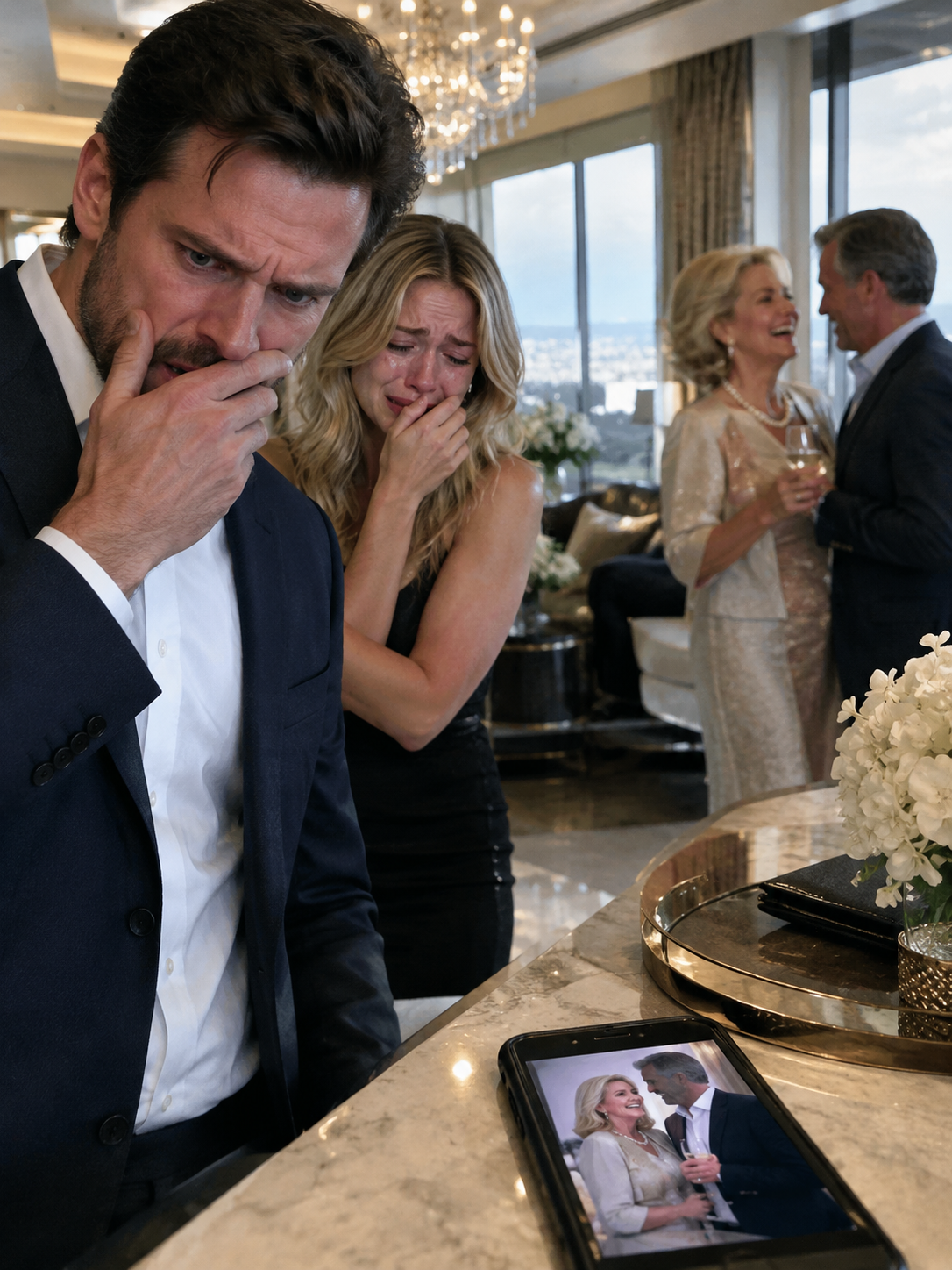
My Mother-in-Law Kept Inviting My Wife Home Without Me—Then I Met the Man She Called “Just an Old Friend” – Life Story
The first thing I noticed was that my mother-in-law was smiling at me. The second was the man sitting beside...

MY BOSS THREATENED TO DESTROY MY CAREER OVER HIS OWN SYSTEM CRASH—HE DIDN’T KNOW I’D WON $6.2 MILLION THE NIGHT BEFORE – Life Story
The night I became a millionaire, my boss was threatening to ruin my career. By sunrise, I had fixed the...