A POOR GIRL ASKS A YOUNG MILLIONAIRE TO PLAY THE PIANO AT A PARTY — HIS REPLY SURPRISES EVERYONE – Life Story
They laughed before the little girl ever touched the piano.
Her mother was already crossing the ballroom to pull her away when Vanessa Whitmore said, loudly enough for two hundred guests to hear, “Someone needs to explain to the kitchen staff that their children are not part of the entertainment.”
Then Jasper Whitmore stepped between them and said, “Let her play.”
The sentence silenced the room more effectively than shouting could have.
Five-year-old Emily Rose stood three feet from the black Steinway grand piano in a faded yellow dress, one hand clenched around the hem as if she could hold herself steady by gripping the fabric.
Above her, chandeliers burned warm against the high ceiling of the Whitmore mansion outside Boston, throwing light over champagne glasses, polished silver, white orchids, and people who had paid more for their watches than Teresa Rose earned in a year.
Teresa could feel every eye turn toward her.
She had been working in the Whitmore kitchen for six hours.
It was her first day.
She needed the job badly enough that she had spent the entire morning pretending she did not have a feverish anxiety crawling beneath her ribs.
“Emily,” Teresa said.
Her daughter looked at her.
That was the worst part.
Emily did not look rebellious.
She looked hopeful.
The babysitter Teresa had arranged had canceled at eleven that morning with a stomach virus.
Teresa had called everyone she trusted.
Mrs.
Henderson downstairs had a doctor’s appointment.
Teresa’s sister lived two states away.
The woman from church who sometimes helped had already taken her own grandchildren for the weekend.
So Teresa had done the thing she had promised herself she would never do.
She had asked Margaret Bell, the Whitmore family’s longtime head cook, whether Emily could sit quietly in the staff guest room upstairs for the afternoon.
Margaret had looked at Teresa’s face for about three seconds before saying yes.
“Bring coloring books.
Keep her out of the work areas.
If anyone asks, I approved it.”
Teresa had almost cried from gratitude.
Emily had promised not to leave the room.
For nearly an hour, she had kept that promise.
Then someone downstairs began playing the piano.
Teresa should have known.
Music had always been the one thing strong enough to make Emily forget the rules.
“Come here,” Teresa said now.
Emily took one uncertain step toward her.
Then Jasper Whitmore moved.
He was twenty-nine, tall, lean, and almost irritatingly composed, dressed in a dark blue tuxedo without a tie.
His sleeves were pushed back slightly from his wrists because he had just finished playing.
Unlike his mother, whose smile always seemed measured before it reached her face, Jasper looked as though he had forgotten there were people watching.
He crouched until he was level with Emily.
“You wanted to play?”
Emily nodded.
Vanessa Whitmore made a soft sound of disbelief.
“Jasper.”
He ignored her.
“What’s your name?”
“Emily.”
“Do you know how to play, Emily?”
Teresa reached them.
“Mr.
Whitmore, I’m sorry.
She shouldn’t be here.”
Emily turned toward her.
“Mommy, I only wanted—”
“I know.”
Teresa lowered her voice.
“We’re going upstairs.”
A woman nearby whispered something to her husband.
The husband smiled.
Teresa heard the word adorable.
Someone else said, “This is what happens when staff bring family.”
The sentence struck harder than it should have.
Maybe because Teresa was tired.
Maybe because seven months earlier she had been married, living in a two-bedroom apartment with a piano pressed against one wall, a husband who made terrible coffee, and a daughter who believed all music came from her father’s hands.
Now David was dead.
The piano was gone.
The apartment was gone.
And Teresa had twenty-three dollars in checking until Friday.
She touched Emily’s shoulder.
“We’re leaving.”
Emily’s face fell.
Jasper stood.
“Wait.”
Vanessa’s expression sharpened.
“Jasper, enough.”
“Mom, it’s one song.”
“This is your birthday reception, not a children’s talent show.”
The smile remained on her face, but her eyes had become cold.
Then she looked directly at Teresa.
“Take your daughter upstairs.”
Teresa nodded automatically.
“Yes, ma’am.”
Emily looked at the piano.
Just once.
It was enough for Jasper to notice.
“What were you going to play?” he asked.
Teresa closed her eyes.
Emily whispered, “My daddy’s song.”
Something changed in Jasper’s face.
Not pity.
Attention.
He pulled the piano bench back.
Vanessa stared at him.
“Jasper.”
“One song.”
“You are embarrassing me.”
“No,” he said quietly. “I’m asking a child to play a piano.”
The nearest conversations had stopped completely.
Vanessa understood public rooms better than anyone Teresa had ever met.
She understood when resistance would make her look cruel.
Her jaw tightened.
Then the smile returned.
“Fine.”
She lifted one hand in a graceful gesture.
“Since apparently we are improvising.”
A few people laughed.
Emily did not seem to hear them.
Jasper placed a cushion on the bench.
“Can you reach?”
Emily climbed up and tested the distance.
Her feet hung several inches above the floor.
“I don’t need the pedals for this one.”
A man holding a bourbon glass chuckled.
“Confident little thing.”
Emily placed her hands on the keys.
Teresa stopped breathing.
For seven months, her daughter had not touched a piano.
Not since the day two men from a secondhand instrument dealer carried David’s battered upright down the apartment stairs while Emily stood in the hallway crying so hard she made no sound.
Teresa had sold it for nine hundred dollars.
The funeral home still wanted another twelve hundred.
She told herself she had made the responsible choice.
Emily had never accused her.
That somehow made it worse.
The first note was so quiet several guests leaned forward.
The second followed.
Then a third.
It was not a complicated melody.
David had written it when Emily was three.
He used to call it Morning Shoes because he claimed Emily’s feet made different rhythms depending on what kind of mood she was in when she came running down the hallway.
Teresa knew every note.
She had heard it while washing dishes.
While folding laundry.
While sitting on the floor beside David after his mother died.
While arguing with him about rent.
While dancing barefoot with him in their kitchen the night he got paid enough from a wedding job to cover the electric bill.
Emily played it differently.
Slower.
The pauses were longer.
Children did not understand grief the way adults did.
They did not organize it into before and after.
They carried it into ordinary moments.
Into cereal bowls.
Into school pickups.
Into the empty side of a bed.
Into songs.
Emily’s hands moved carefully across the keys.
She missed one note.
She paused.
Then kept going.
No one laughed.
The room had become unnaturally still.
Jasper stood a few feet behind her, watching not with the indulgence of an adult impressed by a child, but with the concentration of one musician listening to another.
Emily reached the final phrase.
Teresa knew what should come next.
David always ended it with three light notes.
Emily played only two.
Her hands remained over the keys.
For a moment, Teresa thought she had forgotten.
Then Emily whispered, so softly Teresa almost did not hear:
“Daddy always played the last one.”
The room broke Teresa open.
She turned her face away.
Jasper sat beside Emily.
He did not ask permission.
He did not speak.
He placed one finger over the final key.
Emily looked at him.
Jasper played the note.
It rang through the ballroom.
Silence followed.
Then applause.
Not the polite applause people gave children at school performances.
Something heavier.
Uneasy at first.
Then genuine.
The man with the bourbon glass stopped smiling.
The woman who had called Emily adorable wiped beneath one eye.
Margaret stood in the doorway from the service hall with both hands pressed against her apron.
Even Vanessa looked shaken.
Only for a second.
Then her face hardened again.
Emily climbed down.
She looked at Teresa.
“Mommy?”
Teresa crossed the floor and knelt in front of her.
“You promised me you would stay upstairs.”
“I’m sorry.”
“I know.”
“I heard the piano.”
Teresa closed her eyes.
“I know.”
Emily’s mouth trembled.
“Are you mad?”
“No.”
That was the truth.
Teresa was terrified.
There was a difference.
She stood.
“I’m sorry, Mr.
Whitmore.”
Jasper shook his head.
“You don’t need to apologize.”
“Yes, I do.”
She lowered her voice.
“I need this job.”
Understanding moved across his face.
Before he could answer, Vanessa approached.
Her smile was perfect again.
“Teresa.”
“Yes, ma’am?”
“We’ll speak after the guests leave.”
Teresa felt the blood drain from her face.
Vanessa turned toward Emily.
“You played very nicely.”
Emily nodded.
“Thank you.”
“But in the future, when your mother tells you to stay somewhere, you stay there.”
“Yes, ma’am.”
“Good.”
Vanessa touched Jasper’s shoulder.
“Your guests are waiting.”
Then she walked away.
Teresa looked down at Emily.
Her daughter stared at the piano as if she were trying to memorize it.
“Come on.”
Emily took her hand.
As Teresa led her toward the stairs, Jasper called softly behind them.
“Emily.”
She turned.
He smiled.
“Your dad wrote a beautiful song.”
Emily’s face changed.
For one bright second, she looked exactly like the child Teresa remembered from before the hospital.
“Yeah,” she said.
“He did.”
After midnight, when the last guest had left and the catering trays had been wrapped and labeled, Teresa found Vanessa waiting in the small office beside the kitchen.
The room smelled faintly of lemon cleaner and expensive perfume.
Vanessa sat behind a desk with a tablet in front of her.
“Close the door.”
Teresa did.
“Sit.”
“I’m fine standing.”
Vanessa looked up.
“That wasn’t a question.”
Teresa sat.
Her feet hurt.
She had been standing since eleven that morning.
Vanessa folded her hands.
“You seem capable.”
Teresa waited.
“Margaret says you work quickly.
You take instruction well.”
“Thank you.”
“You understand how fortunate you are to have this position?”
There it was.
Teresa knew the grammar of power.
A compliment first.
Then the invoice.
“Yes.”
“Our household staff are expected to maintain certain boundaries.”
“I understand.”
“Do you?”
Vanessa leaned back.
“Because tonight your daughter wandered into a private family event, interrupted my son’s birthday reception, and became the focus of the evening.”
“She’s five.”
“Yes.”
Vanessa’s tone sharpened.
“Which is why I’m speaking to you.”
Teresa stared at the edge of the desk.
“I’m sorry.”
“I don’t want another apology.”
Vanessa lowered her voice.
“I want assurance that this will not happen again.”
“It won’t.”
“Your daughter does not enter the main rooms while you’re working.”
“She won’t.”
“She does not use family property.”
Teresa looked up.
Vanessa’s expression told her exactly what she meant.
The piano.
“Yes, ma’am.”
“And one more thing.”
Vanessa tapped her tablet.
“A few guests took video.”
Teresa’s stomach tightened.
“We may ask that certain clips be removed.
My communications director will handle it.”
“I don’t want Emily online.”
Vanessa looked mildly surprised.
“Excuse me?”
“I don’t post her publicly.”
“Most parents would be delighted to have their child’s talent noticed.”
Teresa held her gaze.
“I’m not most parents.”
For the first time, Vanessa’s smile disappeared.
The room became very quiet.
Teresa could hear the refrigerator compressors through the wall.
Finally Vanessa said, “You’re new here, so I’m going to give you some advice.”
Teresa said nothing.
“Do not confuse attention with importance.”
The words were soft.
Precise.
Cruel in the way only practiced cruelty could be.
“Tonight people found your daughter touching.
Tomorrow they’ll be interested in something else.”
Teresa felt heat rise into her face.
Vanessa continued.
“You have a job.
A good one.
Protect that.”
Teresa stood.
“I intend to.”
“Then we understand each other.”
Teresa reached for the door.
“Teresa.”
She turned.
Vanessa smiled again.
“Your daughter is talented.”
The compliment should have softened what came before.
It did not.
“She is.”
Teresa left.
Outside, the night air was cold enough to sting.
Emily was asleep in Margaret’s car, curled beneath a wool coat.
Margaret had offered to drive them home because the last bus connection would have taken more than an hour.
Teresa climbed into the passenger seat.
Margaret looked at her.
“How bad?”
“I still have a job.”
“That wasn’t my question.”
Teresa stared through the windshield.
The Whitmore mansion glowed behind them, every window bright.
“She told me not to confuse attention with importance.”
Margaret’s mouth tightened.
“She likes sentences like that.”
“You’ve heard them before?”
“I’ve worked here seventeen years.”
Margaret started the car.
“I’ve heard every version.”
Teresa looked back at Emily sleeping.
“I shouldn’t have brought her.”
“You had no choice.”
“There’s always a choice.”
“Yes.”
Margaret pulled onto the road.
“Sometimes they’re all bad.”
The next morning, Jasper came into the kitchen at seven-thirty.
Margaret was slicing peaches.
Teresa was separating eggs.
“Good morning,” he said.
Margaret glanced at the clock.
“You’re awake before noon.
Should I call a doctor?”
Jasper ignored her.
“Teresa, can I talk to you?”
Teresa kept working.
“If it’s about last night, I’m sorry.”
“It isn’t.”
She set an egg shell aside.
“What is it?”
“How did Emily learn to play?”
Teresa stopped.
Margaret quietly carried the peaches to the other end of the kitchen.
Jasper waited.
Teresa wiped her hands on a towel.
“Her father.”
“He was a pianist?”
“He played wherever people would pay him.”
“Professionally?”
Teresa almost smiled.
“David would have said yes.
The IRS probably would have said inconsistently.”
Jasper smiled too.
“What kind of music?”
“Everything.
Jazz standards.
Wedding songs.
Church jobs when the regular musician was sick.
Hotel bars.
Restaurants.
Sometimes classical pieces if someone requested them.”
“And he taught Emily?”
“Not exactly.”
Teresa leaned against the counter.
“She watched him.”
Jasper said nothing.
“He would put her on his lap when she was little.
By three, she could pick out melodies.
By four, she could copy things after hearing them a few times.”
“Does she take lessons?”
“No.”
“Why?”
Teresa looked at him.
He understood before she answered.
“Her father died last winter.”
Jasper’s expression changed.
“I’m sorry.”
“He collapsed at home.”
Teresa’s voice remained even.
She had learned to say the sentence without falling apart.
“Cardiac arrest.
Forty minutes earlier he was making pancakes.”
Jasper looked toward the floor.
“Emily saw it?”
“She was in the room.”
He closed his eyes briefly.
“The piano?”
“I sold it.”
“Why?”
The question came out before he could stop it.
Teresa laughed once.
Not because it was funny.
“Because funeral homes don’t take musical sentiment as payment.”
Jasper went silent.
Teresa softened slightly.
“I’m sorry.”
“No.
I deserved that.”
He looked toward the window.
“Can I help?”
The speed of the question irritated her.
“With what?”
“Lessons.
An instrument.
Whatever she needs.”
Teresa’s shoulders stiffened.
“No.”
Jasper blinked.
“No?”
“No.”
“I’m not trying to offend you.”
“I know.”
“Then why—”
“Because she played one song at your birthday party.”
“That isn’t why.”
“Then why?”
Jasper searched for words.
“Because I heard something in the way she played.”
Teresa waited.
He continued.
“I’ve studied piano since I was four.
Conservatory programs, private teachers, competitions.
I used to love it.”
“Used to?”
Jasper looked embarrassed.
“Somewhere along the way I got good enough that everyone started caring more about whether I was impressive than whether I cared about the music.”
Teresa thought of the night before.
“Emily doesn’t know how to impress people.”
“Exactly.”
He smiled faintly.
“She just tells the truth.”
Teresa looked away.
“That doesn’t mean you owe her anything.”
“I know.”
“Good.”
“I still want to help.”
She shook her head.
“Mr.
Whitmore—”
“Jasper.”
“Mr.
Whitmore, my daughter has lost enough adults already.
I’m not going to let her build her heart around somebody who gets interested for two weeks and moves on.”
The words landed harder than she intended.
Jasper did not defend himself.
That made her pause.
Finally he said, “That’s fair.”
Teresa looked at him.
“I mean it.”
He nodded.
“What if I don’t give her anything?”
She frowned.
“What?”
“What if I just let her play?”
He gestured toward the ceiling.
“There’s a smaller piano in the music room.
I’m there most afternoons.
You’re usually finishing your shift around four, right?”
“Yes.”
“What if once a week, with you knowing where she is, she spends forty-five minutes playing? No gifts.
No promises.”
Teresa hesitated.
“My mother doesn’t need to be involved.”
“No.”
She straightened.
“If your mother would object, then the answer is no.”
Jasper exhaled.
“She objects to weather.”
“That’s not my problem.”
“You’re right.”
He rubbed the back of his neck.
“I’ll speak to her.”
Teresa almost laughed.
“Please don’t.”
“Why?”
“Because I’d like to keep feeding my child.”
Jasper looked at her.
The sentence settled between them.
For perhaps the first time, Teresa saw him understand that disagreement inside his family could cost other people things he had never needed to calculate.
He nodded.
“I’ll leave it alone.”
“Thank you.”
He turned toward the door.
Then stopped.
“What was the song called?”
Teresa looked at him.
“The one Emily played.”
Her face softened despite herself.
“Morning Shoes.”
Jasper smiled.
“That sounds like something a father names a song.”
“He named everything badly.”
For the first time that morning, Teresa laughed.
Jasper did too.
Then he left.
Three days passed.
On Monday, Teresa arrived at work to find a folded sheet of paper inside her locker.
She froze.
At the top was the logo of the Hawthorne Community School of Music, a nonprofit fifteen minutes from her apartment.
Below it were details for a free children’s music evaluation day.
No name.
No note.
No mention of the Whitmores.
Teresa carried the paper into the kitchen.
Margaret looked up from a stockpot.
“What?”
Teresa held it out.
Margaret read.
“I didn’t put that there.”
“Did Jasper?”
“I don’t know.”
“Margaret.”
“I genuinely don’t know.”
Teresa looked at the application.
“Free evaluation.”
“Looks that way.”
“Scholarship available based on need.”
Margaret shrugged.
“Could be worth a phone call.”
Teresa stared at the page.
That Saturday, she took Emily.
The school occupied three floors of an old brick building above a hardware store.
Nothing about it looked glamorous.
The hallway smelled like coffee, radiator heat, and pencil shavings.
A seven-year-old was practicing scales badly behind one door.
Someone played trumpet behind another.
Emily’s whole body changed.
Her shoulders lifted.
Her eyes widened.
She whispered, “Mommy, everybody here makes music.”
The evaluation was conducted by Dr.
Helen Cho, a compact woman in her fifties with gray at her temples and the calmest voice Teresa had heard in months.
She did not praise Emily immediately.
Teresa liked her for that.
She asked Emily to copy rhythms.
Sing back intervals.
Identify whether notes moved higher or lower.
Repeat short melodies.
Emily did.
Then Helen played a complicated five-note phrase.
Emily copied it.
Helen added two more notes.
Emily copied those.
Helen looked at Teresa.
“Has she studied?”
“No.”
“How much access has she had to a piano?”
“Almost none in seven months.”
Helen turned back to Emily.
“Would you like to learn?”
Emily nodded so fast her hair moved.
“Yes.”
“Why?”
Emily looked surprised by the question.
“Because I miss my daddy.”
Helen did not look away.
“Is that the only reason?”
Emily thought.
Then shook her head.
“No.”
“What’s the other reason?”
Emily placed one finger gently on a key.
“Because when I play, my chest doesn’t feel so crowded.”
Teresa closed her eyes.
Helen said nothing for several seconds.
Then she looked at Teresa.
“We have a scholarship opening.”
Teresa’s throat tightened.
“What does it cover?”
“Weekly lesson.
Group musicianship class.
Practice-room access.”
“How much would I owe?”
“Nothing while she qualifies.”
Teresa gripped the edge of her chair.
“Why?”
Helen smiled slightly.
“Because somebody donated money ten years ago so children whose families couldn’t afford lessons could have them.”
Teresa looked at Emily.
Her daughter was staring at the piano.
“Can we think about it?”
“Of course.”
Outside, Teresa sat on the front steps with Emily beside her.
Cars moved through the intersection.
A bus hissed to a stop.
Emily waited.
Teresa looked at her.
“Do you want this?”
“Yes.”
“Lessons mean practice.”
“I know.”
“They mean listening to your teacher even when you don’t like what she says.”
“I know.”
“They mean sometimes music is work.”
Emily considered.
“Daddy said that too.”
Teresa’s eyes filled.
She looked down quickly.
Emily touched her hand.
“Mommy?”
“Yes?”
“Can I do it?”
Teresa squeezed her fingers.
“Yes.”
Emily threw both arms around her.
Teresa held her tightly.
She did not know until weeks later that Jasper had never called the school.
Margaret had.
That mattered.
It meant the door had opened without a price attached to Jasper’s attention.
Emily began lessons.
She also began seeing Jasper occasionally.
Not secretly.
Not as a scheduled arrangement.
Sometimes Teresa’s shift ended while Emily was waiting in the kitchen with Margaret, and Jasper would stop to ask what she was learning.
Sometimes Emily demonstrated a scale on the small keyboard Margaret kept in the pantry office.
Sometimes Jasper showed her a chord.
Teresa watched.
She remained cautious.
But she also watched her daughter become lighter.
Then Vanessa noticed.
It happened on a Thursday afternoon.
Emily was sitting at the small upright piano in the second-floor music room, not the grand piano downstairs.
Teresa had finished her shift and was in the doorway.
Jasper sat in a chair ten feet away.
Helen had given Emily a short practice piece.
She stumbled halfway through.
“No,” she said angrily.
Jasper smiled.
“That sounded pretty good.”
“It didn’t.”
“You’re five.”
“That’s not an excuse.”
Teresa covered her mouth to hide a laugh.
Emily glared at her.
“Mommy.”
“Sorry.”
She tried again.
That was when Vanessa appeared.
No one heard her approach.
“What is this?”
Teresa stood immediately.
“Mrs.
Whitmore.”
Emily’s hands stopped.
Jasper turned.
“She’s practicing.”
“I can see that.”
Vanessa’s gaze moved from him to Teresa.
Then to Emily.
“I thought I was very clear.”
Teresa’s stomach tightened.
“Ma’am, I’m off the clock.
We were about to leave.”
“That is not what I meant.”
Jasper stood.
“Mom.”
“No.”
Vanessa lifted one hand.
“This is exactly the problem.”
Emily looked down.
Teresa moved toward her.
“Come on, sweetheart.”
Vanessa looked at Jasper.
“Do you know what people are already saying?”
Jasper stared.
“What people?”
“Guests.
Friends.
The video from your birthday circulated privately.”
Teresa went still.
“What video?”
Vanessa ignored her.
“People think you’ve taken some sort of charitable interest in the staff child.”
“Her name is Emily.”
“I know her name.”
“Then use it.”
Vanessa’s voice lowered.
“Do not be naive.”
Teresa crossed to Emily.
“We’re leaving.”
Vanessa turned to her.
“No.
Stay.”
Teresa stopped.
Vanessa walked into the room.
“This needs to be settled.”
Jasper’s expression hardened.
“Settled how?”
“Boundaries.”
She looked at Teresa.
“You work in this house.”
“I did.
My shift ended twenty minutes ago.”
Vanessa blinked.
The correction was tiny.
But the room changed.
Teresa felt it.
So did Jasper.
Vanessa smiled.
“You work for this family.”
Teresa took Emily’s hand.
“Yes.”
“Then you should understand that encouraging your daughter to form a personal attachment to my son creates an inappropriate situation.”
Jasper stared at his mother.
“Inappropriate for who?”
Vanessa ignored him.
“Teresa, you are an adult.
You know how this looks.”
Teresa’s face burned.
“How does it look?”
Vanessa paused.
She had expected surrender.
Not a question.
“Like you don’t understand professional boundaries.”
Teresa felt Emily’s fingers tighten around hers.
“Mrs.
Whitmore, my daughter is five.”
“Yes.”
“She likes piano.”
“Yes.”
“She lost her father seven months ago.”
“I’m aware.”
“She isn’t trying to become part of your family.”
Vanessa’s mouth tightened.
“I didn’t say she was.”
“You didn’t have to.”
Jasper stepped forward.
“Teresa.”
But Teresa had reached the place exhaustion sometimes takes people.
Beyond fear.
She looked directly at Vanessa.
“You keep talking like my daughter walked into this house with a plan.”
“Careful.”
“No.”
Teresa surprised herself with the word.
“She walked toward a piano.”
Vanessa’s face changed.
Jasper said quietly, “Mom, she’s right.”
Vanessa turned on him.
“You stay out of this.”
“No.”
“Jasper.”
“You’re humiliating her.”
“I am enforcing boundaries in my own home.”
“With a five-year-old?”
“With an employee who seems to have forgotten she is one.”
Silence.
There it was.
Teresa felt something inside her settle.
Not break.
Settle.
A strange clarity.
She had spent months frightened of losing things.
David.
The apartment.
The piano.
Her insurance.
Her savings.
Her sense that tomorrow would resemble today.
Fear had made her apologize before anyone accused her.
It had made her shrink.
She looked down at Emily.
Then at Vanessa.
“What exactly would you like me to do?”
Vanessa exhaled.
“Your daughter will no longer come here.”
Teresa nodded.
“Okay.”
Jasper turned.
“No.”
Teresa looked at him.
“It’s her house.”
“But—”
“It’s her house.”
She turned back to Vanessa.
“Anything else?”
Vanessa seemed almost disappointed that Teresa had stopped fighting.
“No.”
Teresa picked up Emily’s coat.
“We’ll go.”
Emily did not cry until they reached the bus stop.
Then she asked the question Teresa had been dreading.
“Did I do something bad?”
Teresa crouched on the sidewalk.
Cars moved behind them.
The wind smelled like rain.
“No.”
“Then why can’t I go back?”
Teresa pulled the coat tighter around her daughter.
“Because sometimes adults make rules about places they own.”
Emily’s blue eyes filled.
“Does Mrs.
Whitmore hate me?”
“No.”
Teresa hesitated.
“I think Mrs.
Whitmore is afraid of things she can’t organize.”
“What does that mean?”
“It means grown-ups can be foolish in complicated ways.”
Emily sniffed.
“Is Jasper foolish?”
“Sometimes.”
Emily almost smiled.
“So are you.”
Teresa laughed despite herself.
“Yes.”
“So am I.”
“Definitely.”
The bus arrived.
Emily climbed aboard.
They sat together near the back.
After several blocks, Emily leaned against her.
“Can I still go to music school?”
Teresa kissed her hair.
“Yes.”
That mattered more than anything else.
The piano no longer belonged to Vanessa.
Not the important one.
Two weeks later, Teresa was fired.
Officially, it was for “ongoing incompatibility with household expectations.”
Vanessa did not tell her personally.
A man named Peter Lang from the Whitmore family office asked Teresa to meet him in the administrative room beside the garage.
He wore a gray suit and looked uncomfortable.
On the table was an envelope.
“Mrs.
Rose, we’re ending your employment effective today.”
Teresa stared at him.
“Why?”
Peter slid a paper forward.
“The household has decided the arrangement isn’t a fit.”
“Did I do something wrong at work?”
“I’m not here to debate the decision.”
“I’m not asking you to debate it.”
She kept her voice controlled.
“I’m asking what I did.”
Peter looked at the document.
“Repeated boundary issues.”
“What boundary issue after my daughter stopped coming here?”
He did not answer.
Teresa understood.
“Did Mrs.
Whitmore tell you to fire me?”
“Teresa.”
“Yes or no?”
“This is a family employment matter.”
She almost laughed.
“I’m the person being employed.”
Peter pushed the envelope closer.
“There are two weeks’ pay inside.”
Teresa stared at it.
Two weeks.
Rent.
Groceries.
Electricity.
Enough to stop panic for a little while.
“There’s also a separation agreement.”
She looked down.
Six pages.
Dense language.
Release of claims.
Confidentiality.
Non-disparagement.
No admission of liability.
Teresa had never seen anything like it.
“What happens if I don’t sign?”
“You receive wages already owed to you, of course.”
“And the two weeks?”
“That is conditional.”
She looked at the signature line.
Peter handed her a pen.
Teresa almost took it.
Then she heard Margaret’s voice in her head.
Sometimes all the choices are bad.
That did not mean you had to choose quickly.
“Can I take this home?”
Peter hesitated.
“You have five business days.”
Teresa folded the papers.
“Then I’m taking them.”
He nodded.
As she left, Margaret found her by the service entrance.
“I heard.”
Teresa held up the envelope.
“I’m fine.”
“No, you’re not.”
“I have to find another job.”
Margaret looked at the papers.
“What’s that?”
“Separation agreement.”
“Did you sign?”
“No.”
“Good.”
Teresa looked at her.
“Why?”
“Because they offered one to Luis when they fired him three years ago.”
“Who’s Luis?”
“Former driver.”
“What happened?”
“He signed.”
Margaret’s face hardened.
“Then discovered they had shorted his overtime for almost a year.”
Teresa stared.
“Did they do that to me?”
“I don’t know.”
Margaret lowered her voice.
“But before you sign anything, find out.”
That evening Teresa spread every pay stub she had across her kitchen table.
Emily colored beside her.
The apartment was small enough that Teresa could reach the stove from the table without standing.
She made piles.
Regular hours.
Overtime.
Deductions.
She compared them to the shifts she had written in a notebook because Margaret had told every new employee to keep personal records.
Thirty-eight hours.
Forty-three.
Forty-six.
Forty-one.
The numbers did not match.
On one pay stub, three overtime hours appeared as regular hours.
On another, a line labeled meal adjustment reduced her pay by forty-eight dollars.
Teresa frowned.
She almost assumed she was wrong.
That instinct frightened her.
She checked again.
Then again.
At eleven that night, she called a number Margaret had written on the back of an old grocery receipt.
Greater Boston Workers Legal Clinic.
The receptionist gave her an appointment for Monday.
The attorney’s name was Naomi Reyes.
Naomi was forty-one, wore flat shoes, kept three pens clipped to a legal pad, and did not react visibly when Teresa said Whitmore.
That impressed Teresa.
Naomi read the separation agreement.
Then the pay stubs.
Then Teresa’s notebook.
“How accurate are these hours?”
“Very.”
“You wrote them daily?”
“Yes.”
“Why?”
“Margaret told me to.”
“Margaret sounds smart.”
“She is.”
Naomi looked at the payroll records.
“Did you regularly work through meal breaks?”
“Yes.”
“Were the breaks automatically deducted?”
“I think so.”
“Did anyone explain that?”
“No.”
Naomi made a note.
“Any text messages assigning work before or after scheduled shifts?”
Teresa took out her phone.
Many.
Naomi read several.
Then she looked up.
“Do not sign the separation agreement.”
Teresa’s stomach tightened.
“Am I in trouble?”
“No.”
“Did I do something wrong?”
Naomi leaned back.
“Teresa, listen to the question you just asked.”
Teresa frowned.
“You were fired.”
“Yes.”
“You have records suggesting possible unpaid wages.”
“Yes.”
“You were offered money to release legal claims.”
“Yes.”
“And your first question is whether you did something wrong.”
Teresa looked down.
Naomi’s voice softened.
“I’m not saying we know what happened yet.
We don’t.”
She tapped the paperwork.
“But these numbers deserve an explanation.”
Teresa swallowed.
“How expensive is this going to be?”
“The clinic can advise you without charge.
If litigation becomes appropriate, we’ll discuss options.”
“I don’t want to destroy anybody.”
Naomi looked at her.
“Good.”
Teresa blinked.
“Good?”
“People who come in wanting revenge usually make poor decisions.”
Naomi slid the pay stubs back.
“You don’t need revenge.”
She pointed at the numbers.
“You need facts.”
The facts arrived slowly.
That was what made them powerful.
Teresa had expected, if anything was wrong, it would be obvious.
It wasn’t.
It was mundane.
Meal deductions.
Time rounded down.
Texts telling staff to arrive twenty minutes early without changing scheduled start times.
Late-night event cleanup listed as “voluntary support.”
Small amounts.
Twenty dollars.
Thirty-six.
Forty-eight.
Repeated over months.
Repeated across employees.
Margaret agreed to speak with Naomi.
So did a former houseman.
Then a driver.
Then two event servers hired through a staffing affiliate connected to the Whitmore family office.
Naomi did not tell Teresa what she wanted to hear.
She told her what could be proven.
“That matters more.”
Meanwhile, Jasper learned Teresa had been fired.
He confronted his mother the same evening.
Teresa only heard about the argument later.
She was glad she had not been there.
Apparently Vanessa said Teresa had become “disruptive.”
Jasper asked for examples.
Vanessa said she had “blurred lines.”
He asked again.
Vanessa said household employees were not entitled to explanations for every staffing decision.
That sentence changed something in him.
Jasper had spent most of his life believing his mother was rigid.
Traditional.
Difficult.
He had not understood how quickly those qualities became cruelty when aimed downward.
His first instinct was to transfer twenty thousand dollars into Teresa’s account.
His second was to offer her a job through his own company.
He did neither.
He called her.
Teresa almost did not answer.
“Hello?”
“Teresa, it’s Jasper.”
“I know.”
“I heard what happened.”
“Okay.”
“I’m sorry.”
She closed her eyes.
Emily was asleep in the next room.
“Thank you.”
“What can I do?”
“Nothing.”
“That can’t be true.”
“It is tonight.”
He was quiet.
Then said, “I want to fix this.”
Teresa looked at the pay stubs on the table.
“That’s the problem.”
“What?”
“You think everything broken near you becomes yours to fix.”
Silence.
Teresa immediately regretted the sharpness.
But Jasper said, “You’re right.”
She rubbed her forehead.
“I’m tired.”
“I know.”
“No, you don’t.”
Another silence.
Then he said, “No.
I don’t.”
That answer softened her.
“I have a lawyer.”
“A lawyer?”
“I’m reviewing my pay records.”
Jasper’s voice changed.
“Is there a problem?”
“I don’t know yet.”
“Tell me what you need.”
“I need you not to call your mother.”
He exhaled.
“Okay.”
“I mean it.”
“I won’t.”
“Don’t call payroll.
Don’t call Peter.
Don’t tell anyone to fix anything quietly.”
“You think I would?”
“Yes.”
Jasper almost laughed.
“That’s fair.”
“Let my attorney do her job.”
“All right.”
“And Jasper?”
“Yes?”
“Emily still asks about you.”
His voice softened.
“I ask about her too.”
Teresa looked toward her daughter’s bedroom.
“She has a recital next month.”
“Can I come?”
Teresa paused.
“If you come as Jasper.”
“What does that mean?”
“Not as a Whitmore.
Not as somebody saving anyone.”
He understood.
“Yes.”
“You sit in a folding chair like everybody else.”
“I can do that.”
“No flowers bigger than she is.”
He laughed.
“That feels unnecessarily specific.”
“I’ve met rich people.”
“You’ve met my family.”
“Exactly.”
He laughed again.
Teresa smiled despite herself.
“I’ll send you the time.”
Emily’s recital took place in a church basement with sixty folding chairs, bad coffee, and a radiator that hissed through every quiet passage.
Jasper came alone.
He wore jeans.
Emily spotted him from the hallway.
“Jasper!”
She ran toward him.
He crouched and hugged her.
“You came.”
“You invited me.”
“Mommy said maybe you’d be busy.”
“I moved things.”
Emily inspected his hands.
“Did you practice?”
He looked offended.
“For your recital?”
“The friendship song.”
He smiled.
“Yes.”
“Good.”
She ran back toward the other children.
Teresa approached.
“Thank you for keeping it normal.”
Jasper looked around.
A toddler was crying near the coat rack.
Someone had dropped a cookie.
A boy was practicing the same four measures of a beginner piece repeatedly.
“I like normal.”
“No, you don’t.”
He smiled.
“I’m learning.”
After the recital, Dr.
Helen Cho pulled Teresa aside.
“Emily is progressing very quickly.”
Teresa immediately became suspicious.
Helen noticed.
“That sounded like bad news.”
“I’m preparing myself.”
Helen smiled.
“It isn’t bad.”
She handed Teresa a folder.
“There’s a summer youth program at New England Conservatory.
Not the full conservatory, obviously.
A community intensive.”
Teresa looked at the cost.
Her chest tightened.
Helen pointed lower.
“They have aid.”
“How much?”
“Potentially all of it.”
“Potentially?”
“She has to audition.”
Teresa looked across the room.
Emily was explaining something to Jasper using both hands.
“She’s five.”
“She’ll be six by summer.”
“That is still five with better paperwork.”
Helen laughed.
“She doesn’t need to become a professional musician.”
“I don’t want that pressure.”
“Neither do I.”
Helen grew serious.
“She needs access.
That’s different.”
Teresa nodded slowly.
Access.
Not destiny.
She liked the distinction.
While Emily’s world expanded, Teresa’s case did too.
Naomi discovered that the household payroll was handled through Whitmore Domestic Management LLC, a small entity owned by the family trust.
The company employed fourteen full-time staff and dozens of temporary event workers each year.
The records produced after a formal demand contained timekeeping inconsistencies.
Nothing cinematic.
Nothing dramatic.
Spreadsheets.
Emails.
Clock reports.
That was enough.
One email from Peter to a payroll administrator said:
Event staff are exceeding budgeted hours.
Please normalize punches to scheduled windows unless manager-approved.
Naomi read the sentence three times.
“So if someone worked past the scheduled window?”
Teresa asked.
“We need more context.”
Another email:
Mrs.
Whitmore does not want household labor numbers inflated by staff lingering after functions.
Teresa stared.
“Lingering?”
Naomi looked at her.
“Were you lingering?”
Teresa remembered carrying trays until one in the morning.
Scrubbing wine from the floor.
Loading rental equipment.
“No.”
“Then we keep going.”
A former payroll clerk agreed to speak.
She explained that managers had been pressured to keep labor percentages low.
Sometimes overtime was reclassified.
Sometimes meal breaks remained deducted even when staff worked through them.
Sometimes managers corrected records.
Sometimes they did not.
Vanessa had not personally edited timecards.
That mattered legally.
But she had received monthly summaries.
In two emails, she complained that overtime was “careless” and suggested managers “find discipline.”
The case became bigger than Teresa.
That frightened her more than she expected.
One afternoon Naomi said, “We may have several workers with related claims.”
Teresa stared at her.
“I just wanted my final paycheck to be right.”
“I know.”
“I don’t want my name in newspapers.”
“We’re not talking to newspapers.”
“Could that happen?”
“Potentially.”
Teresa’s stomach tightened.
Naomi leaned forward.
“You have control over your own settlement decisions.
You do not control whether other employees make claims.”
Teresa nodded.
“What about Jasper?”
“What about him?”
“He’s connected to all this.”
“Does he control the company?”
“No.”
“He owns some family-trust interests?”
“I think so.”
Naomi made a note.
“Then he needs his own counsel.”
Teresa almost smiled.
“He’s going to hate that.”
“Why?”
“He likes being helpful.”
Naomi capped her pen.
“Rich men often confuse being helpful with being in charge.”
Teresa laughed.
“That is exactly what I told him.”
“Then he has two lawyers now.”
Jasper did get his own lawyer.
More importantly, he listened to her.
Rachel Levin had represented him on investment matters for six years.
When Jasper asked whether he could demand internal payroll records, she told him no.
When he asked whether he could pressure Peter to explain, she told him no.
When he said he could confront his mother privately, Rachel said:
“Absolutely not.”
Jasper leaned back in his chair.
“This is my family.”
“That’s why absolutely not.”
He stared.
Rachel continued.
“If there are wage issues, they need an independent review.”
“So I’m supposed to do nothing?”
“You are supposed to stop assuming action and interference are the same thing.”
He disliked the sentence because it was correct.
Rachel helped him request a review through the family trust’s governance process.
An outside employment firm was retained.
Vanessa was furious.
Not because she believed the records were perfect.
Because she considered the review humiliating.
“You have turned a household employment disagreement into a corporate investigation.”
Jasper stood in her study.
“No.”
He kept his voice calm.
“The records did that.”
Vanessa looked at him.
“This woman has poisoned you against your own family.”
Jasper felt something cold move through him.
“Her name is Teresa.”
“I know her name.”
“Then stop calling her this woman.”
Vanessa laughed bitterly.
“You think she doesn’t understand what she’s doing?”
“What exactly is she doing?”
“Attaching herself to you.
Letting her daughter attach herself to you.”
Jasper stared.
“You still think this is about Emily.”
“I think it started with Emily.”
“No.”
He shook his head.
“It started before Teresa ever entered this house.”
Vanessa’s face hardened.
“You have no idea what it takes to manage people.”
“Maybe.”
He looked at the framed photographs around the room.
Charity galas.
Foundation awards.
Vanessa presenting checks for youth arts education.
Smiling beside children holding violins.
Then he looked back at her.
“But I know we shouldn’t need a nonprofit clinic to explain whether our employees got paid for hours they worked.”
Vanessa went pale.
“That is outrageous.”
“Then the review will clear it up.”
“You would embarrass this family over clerical errors?”
“If they’re clerical errors, correct them.”
“And if they aren’t?”
Jasper paused.
“Then we correct more than the paperwork.”
The review took four months.
During those months, Teresa found another job.
Not through Jasper.
That mattered to her.
Margaret’s cousin worked for a university conference center and told her about an opening for an events coordinator.
The salary was modest.
The hours were better.
The supervisor, a woman named Denise Carter, interviewed Teresa for forty minutes.
“What’s the hardest event problem you’ve handled?”
Teresa thought.
“A donor dinner where the refrigeration system failed three hours before service.”
“What did you do?”
“Moved cold items into two backup units in another building, changed the menu so fewer dishes depended on refrigeration, called the rental company for additional insulated storage, and wrote down the temperatures every thirty minutes because I didn’t want anyone guessing about food safety.”
Denise raised an eyebrow.
“You were hired as kitchen support?”
“Yes.”
“And you did all that?”
“Margaret taught me.”
Denise made a note.
“What happened?”
“No one got sick.”
“Good answer.”
Teresa got the job.
Her first paycheck was larger than any she had received in more than a year.
She sat in her car after work and stared at the deposit notification.
Then she cried.
Not dramatically.
Just quietly.
Her hands resting on the steering wheel.
Because there was something profoundly exhausting about having the ability to work and still living as if stability were a character trait other people possessed.
She called Margaret.
“I got paid.”
Margaret laughed.
“That is generally how jobs work.”
“You know what I mean.”
“I do.”
Teresa wiped her face.
“I bought groceries yesterday without checking the balance while I was in the store.”
Margaret became quiet.
“That’s a good day.”
“It felt irresponsible.”
“It wasn’t.”
“I know.”
“Do you?”
Teresa looked through the windshield.
A mother was walking two children across the parking lot.
“I’m learning.”
Emily’s life became ordinary in small, miraculous ways.
School.
Music lessons.
Library books.
Spelling lists.
She lost her first tooth.
She learned to tie her shoes badly.
She played the piano whenever the practice room at Hawthorne was available.
Jasper came to some recitals.
Not all.
That was important too.
He had his own life.
Emily learned he could care about her without appearing every time she played a note.
One Saturday, he arrived at Hawthorne while she was practicing.
She stopped.
“You missed my last recital.”
“I know.”
“You said you’d try.”
“I did.”
“What happened?”
“Work.”
Emily narrowed her eyes.
“That’s boring.”
“It was very boring.”
“Did you save the world?”
“No.”
“Then you should have come.”
Jasper laughed.
“You sound like your mother.”
“Mommy says adults use work when they don’t want to explain things.”
Jasper sat beside her.
“She really needs to stop giving you material.”
Emily looked at him.
“Are you sorry?”
“Yes.”
“Okay.”
“That’s it?”
“That’s it.”
She began playing again.
Jasper watched her.
Children, he realized, sometimes understood repair better than adults.
An apology.
A changed behavior.
Then life continued.
The payroll review concluded in early spring.
The findings were worse than Vanessa expected and less dramatic than the internet would have wanted.
No secret vault.
No conspiracy.
No single villain rewriting hundreds of paychecks by hand.
Instead, the investigators found a system built around pressure.
Managers were rewarded for keeping labor costs below aggressive targets.
Timekeeping policies were poorly documented.
Meal deductions were often automatic.
Event schedules were treated as maximum payable hours rather than estimates.
Employees who stayed late to complete required work sometimes were not paid for all the time recorded.
Several managers had raised concerns.
Those concerns had not been addressed consistently.
Vanessa’s emails showed she had pushed repeatedly for lower overtime without asking enough questions about how managers achieved it.
She had not ordered anyone to steal wages.
She had created incentives that made wage violations easier to rationalize.
The distinction mattered.
So did the consequences.
Whitmore Domestic Management agreed to a structured settlement covering back wages and additional compensation for affected employees.
Independent payroll auditing was imposed for three years.
Managers received training.
Timekeeping procedures changed.
Automatic meal deductions ended.
Employees gained a written complaint process outside direct household supervision.
Peter resigned.
Two supervisors were disciplined.
Vanessa stepped down from active oversight of household employment and from a committee at the family foundation pending a governance review.
Her name did not disappear from society pages.
She did not become poor.
She did not go to prison.
Life rarely punished people in satisfying proportions.
But she lost something she valued intensely.
Control over the story.
The family foundation board also reviewed its communications practices after Jasper discovered that footage of Emily’s birthday performance had been stored in a proposed fundraising presentation.
Teresa had never signed a release.
The presentation had not gone public.
That did not make her less angry.
Naomi helped her send a formal demand that all identifiable footage of Emily be deleted from promotional files.
The foundation complied.
Then its board adopted stricter consent rules for minors appearing in promotional materials.
When Jasper told Teresa, she was quiet.
“What?”
he asked.
“Nothing.”
“That face is not nothing.”
Teresa looked at him.
“I’m thinking about how close my daughter came to becoming a story your family told about itself.”
Jasper absorbed the sentence.
“You’re right.”
“She played one song.”
“I know.”
“She wasn’t evidence that rich people are generous.”
“I know.”
“She wasn’t a before picture.”
“I know.”
Teresa watched his face.
Then nodded.
“Good.”
The wage settlement paid Teresa a little over eleven thousand dollars before taxes and attorney-related deductions that were handled under the agreement.
It was not life-changing money.
That was exactly why it mattered.
It represented hours.
Her hours.
Mornings she had arrived early.
Nights she had stayed late.
Meals she had eaten standing over a sink.
Time she had been told, implicitly or explicitly, did not count enough to appear correctly on a spreadsheet.
She used part of the money to pay down medical debt from David’s final hospital stay.
She put three thousand into savings.
And with four hundred dollars, she bought something she had avoided buying for almost a year.
A used digital piano.
Nothing beautiful.
Black plastic.
Weighted keys.
A sustain pedal.
A scratch along one corner.
A music store delivered it on a rainy Saturday morning.
Emily stood in the living room wearing pajamas.
When the men removed the blanket covering it, she stopped moving.
Teresa suddenly worried she had made a mistake.
“Do you like it?”
Emily approached slowly.
She touched one key.
Then another.
Her face crumpled.
Teresa knelt.
“What’s wrong?”
Emily turned and threw her arms around her.
“I thought pianos only belonged to other people now.”
Teresa held her.
“No.”
She closed her eyes.
“This one belongs here.”
Emily cried into her shoulder.
So did Teresa.
Later that afternoon, Emily played Morning Shoes.
She reached the end.
Two notes.
Then stopped.
Teresa waited.
For years afterward, she would remember the next moment with painful clarity.
Emily lifted her right hand.
And played the third note herself.
No one else.
No father.
No Jasper.
No adult completing the song for her.
She played it.
Then she looked at Teresa.
“Daddy would know I can do it now, right?”
Teresa swallowed hard.
“I think he always knew.”
Emily looked down at the keys.
“I still miss him.”
“I know.”
“Does missing people ever stop?”
Teresa sat beside her.
“No.”
Emily looked worried.
Teresa touched her hair.
“But it changes.”
“How?”
“You stop feeling like missing them is the only thing you know how to do.”
Emily thought about that.
Then began playing again.
Vanessa Whitmore did not apologize for almost a year.
When she finally did, she did it badly.
Teresa received a handwritten letter.
Mrs.
Rose,
I regret that circumstances surrounding your employment became unnecessarily difficult.
I recognize that certain decisions made during that period may have caused distress to you and your daughter.
It was never my intention to diminish Emily’s talent or your role as her mother.
I hope you are both well.
Vanessa Whitmore.
Teresa read it twice.
Then handed it to Naomi.
Naomi read it.
“That is an extraordinarily expensive piece of stationery carrying almost no accountability.”
Teresa laughed.
“What do I do with it?”
“Whatever you want.”
“I don’t have to answer?”
“No.”
Teresa folded the letter.
“Good.”
She put it in a drawer.
Three months later, she received another.
This one was shorter.
Teresa,
I reread my first letter and realized I had apologized for circumstances, which is another way of apologizing for nothing.
I treated you as though needing employment made you less entitled to dignity in my home.
I treated Emily’s presence as a threat to boundaries I had never been required to question.
I was wrong.
I do not expect forgiveness.
I wanted to say that plainly.
Vanessa.
Teresa stared at the page for a long time.
Then she called Jasper.
“Did you write this?”
“No.”
“Did you tell her what to write?”
“No.”
“Did Rachel?”
“I don’t think my mother takes writing assignments from attorneys.”
Teresa looked at the letter.
“What happened?”
Jasper was quiet.
“Consequences.”
“What does that mean?”
“She lost her committee role.
Some board members she thought were loyal weren’t.
Friends stopped returning certain calls.”
“That sounds social.”
“It was.”
“Did that change her?”
“I don’t know.”
He paused.
“I think not being able to control how people interpreted what happened bothered her more than losing authority.”
Teresa looked toward the piano.
Emily was practicing scales.
“That sounds like her.”
“Are you going to answer?”
“No.”
“Good.”
She smiled.
“You sound relieved.”
“I’m learning boundaries.”
“You finally found one.”
“Very funny.”
Teresa placed the letter in the same drawer as the first.
She did not forgive Vanessa because of a well-written paragraph.
But she allowed the possibility that people could recognize themselves late.
Recognition was not redemption.
Still, it was better than denial.
Two years after the birthday party, Emily performed Morning Shoes at a Hawthorne student concert.
She was seven.
Her feet reached the pedals now.
Teresa sat in the third row.
Margaret sat beside her.
Helen sat near the aisle.
Jasper came in quietly five minutes before the performance and took an empty seat in the back.
He did not wave.
Emily walked onto the small stage.
No chandelier.
No champagne.
No one laughing.
She adjusted the bench herself.
Then she spoke into the microphone.
“My dad wrote this song when I was little.”
She looked at the keys.
“He didn’t write it on paper, so I had to remember it.”
Teresa pressed a hand against her mouth.
Emily continued.
“I used to stop before the last note because he always played it.”
A pause.
“Now I play it.”
Then she began.
The piece still was not technically extraordinary.
That no longer mattered.
Emily had developed.
Her timing was steadier.
Her touch more controlled.
Helen had taught her how to shape phrases without losing the instinct that made them hers.
The melody moved through the room.
When she reached the end, Emily played all three notes.
Teresa closed her eyes.
Applause rose around her.
Margaret squeezed her hand.
Afterward, Jasper waited near the lobby.
Emily ran toward him.
“Did you hear the end?”
“I did.”
“I play it myself now.”
“I noticed.”
She smiled.
“Do you still play?”
“Sometimes.”
“Sometimes is lazy.”
He looked at Teresa.
“Your daughter has become judgmental.”
Teresa shrugged.
“She has standards.”
Emily tugged Jasper’s sleeve.
“Come to my house.”
“Emily.”
Teresa said it automatically.
“What?”
“We don’t invite people without asking.”
Emily sighed dramatically.
“Mommy, can Jasper come to our house?”
Teresa looked at him.
He waited.
That mattered too.
She smiled.
“Dinner?”
Jasper nodded.
“I’d like that.”
Their apartment was still small.
Jasper had to move a stack of library books off the dining chair.
The kitchen table wobbled.
Teresa served baked chicken, rice, and green beans.
Emily talked through most of dinner.
Jasper listened.
Afterward, he saw the digital piano.
His expression softened.
“You bought one.”
Teresa nodded.
“With money from the settlement.”
Jasper looked at her.
“That feels right.”
“It does.”
Emily pulled him toward the bench.
“Play.”
He sat.
“What?”
“Our song.”
They had not played together in almost two years.
Emily remembered more than he expected.
Jasper began the melody they had created during those early afternoons.
Emily joined.
Teresa stood in the kitchen doorway.
She watched them.
Something surprised her.
She felt no fear.
No sense that Emily was stepping into someone else’s world.
No sense that Jasper’s wealth transformed the room.
He was simply a man sitting at a used piano with a little girl who trusted him.
That was all.
It was enough.
Teresa eventually completed a certificate in event management through the university where she worked.
She did classes online after Emily went to bed.
Some nights she fell asleep over her laptop.
Some weeks she wanted to quit.
She did not become wealthy.
She became stable.
There was a difference.
A promotion came.
Then another.
By thirty-six, Teresa managed a team of twelve.
On her first day as department supervisor, Denise called her into the office.
“There’s something I want you to remember.”
Teresa smiled.
“You’re firing me?”
Denise rolled her eyes.
“You’ve been spending too much time with Margaret.”
She handed Teresa a folder.
Inside were employee schedules.
“You control labor now.”
Teresa looked up.
“Yes.”
“That means when the event goes wrong, you will be tempted to solve it by asking people for invisible time.”
Teresa became still.
Denise continued.
“Don’t.”
“I won’t.”
“Everybody says that.”
Teresa looked at the schedules again.
Then at her.
“I know what invisible time costs.”
Denise studied her.
Then nodded.
“I thought you might.”
Teresa became the kind of supervisor who noticed when someone clocked out and kept wiping counters.
She noticed when employees skipped lunch because a manager sounded stressed.
She noticed people apologizing for asking whether overtime had been approved.
She did not become perfect.
She became attentive.
That was more useful.
Vanessa’s life changed too.
Slowly.
Not beautifully.
She never became warm.
She never transformed into a grandmotherly philanthropist handing out scholarships in sweaters.
People did not become different species because they suffered embarrassment.
But she did relinquish control of several foundation functions.
She began attending governance meetings she once skipped.
She stopped using household staff for foundation-related events without formal contracting and payroll procedures.
Years later, when the Whitmore Foundation funded a major youth music initiative, the promotional materials showed classrooms, teachers, instruments, and program results.
No poor children posed beside donors.
Jasper noticed.
He said nothing.
Some corrections did not require applause.
Emily grew.
At ten, she began composing simple pieces.
At twelve, she told Helen she did not want to become a concert pianist.
Helen said, “Good.”
Emily stared.
“You’re not disappointed?”
“No.”
“But you teach piano.”
“I teach people.”
Emily thought about that for a long time.
At fifteen, she joined a jazz ensemble.
At sixteen, she quit for three months because she hated the director.
At seventeen, she returned.
She loved music.
She also loved biology.
For a while, she wanted to become a veterinarian.
Then a music therapist.
Then a pediatric cardiologist after learning more about what had happened to her father.
Teresa never told her she had a destiny.
She told her she had choices.
That was the future Teresa had once thought money alone could buy.
It turned out dignity required more than money.
It required room.
Room to choose.
Room to fail.
Room to say no.
Room to accept help without becoming somebody’s possession.
Jasper understood that better as he got older.
He eventually married.
Not Teresa.
Nothing about their relationship needed romance to justify its importance.
His wife, Claire, was an architect who met Emily when Emily was eleven and immediately told Jasper he had been playing one passage of Morning Shoes incorrectly.
Emily adored her.
Teresa did too.
Years later, when Jasper and Claire had a daughter, they asked Emily to play at the naming celebration.
She said yes.
Then charged Jasper fifty dollars.
He stared at her.
“You are billing me?”
“I’m a professional.”
“You’re seventeen.”
“Exactly.
Start respecting young artists.”
Teresa nearly choked laughing.
Jasper paid.
Emily framed the check.
On the tenth anniversary of the birthday party, Hawthorne Community School of Music held a fundraising event.
Helen had become artistic director.
Margaret was retired.
Teresa was on the school’s parent advisory committee.
Emily, now fifteen, had written a short piece for piano and cello.
Jasper attended quietly with Claire.
Vanessa came too.
Teresa had not seen her in years.
She recognized the older woman immediately.
Same posture.
Same controlled movements.
More silver in her hair.
Vanessa approached during intermission.
“Teresa.”
“Vanessa.”
They stood facing each other.
No employer.
No employee.
Just two women who remembered a room differently.
Vanessa looked toward the stage.
“Emily is remarkable.”
Teresa smiled.
“She works hard.”
“Yes.”
A pause.
“I’m glad she continued.”
Teresa studied her.
“So am I.”
Vanessa looked uncomfortable.
“I’ve thought about that night many times.”
Teresa could have rescued her from the discomfort.
She did not.
Vanessa continued.
“I thought protecting boundaries protected my family.”
Teresa waited.
“I didn’t understand that some boundaries were only protecting my assumptions.”
Teresa nodded slowly.
“That sounds expensive to learn.”
Vanessa almost smiled.
“It was.”
They stood in silence.
Then Vanessa said, “I am sorry.”
Not circumstances.
Not misunderstandings.
Not if you were hurt.
Just sorry.
Teresa accepted the words.
She did not erase the history.
“Thank you.”
Vanessa looked surprised.
Perhaps she had expected forgiveness.
Perhaps she had feared anger.
Teresa gave her neither.
Sometimes maturity was refusing to perform the ending another person needed.
The lights dimmed.
Teresa returned to her seat.
Emily walked onto the stage.
She was tall now.
Confident.
Her father’s eyes.
Teresa’s stubborn chin.
She sat at the piano.
The cellist beside her lifted his bow.
Emily looked into the audience.
For one second, she found Teresa.
Then Jasper.
Then Helen.
Then Margaret.
Then, unexpectedly, Vanessa.
She smiled.
Not because everything was healed.
Because she knew where she was.
She began to play.
The first phrase was unfamiliar.
The second carried something Teresa recognized.
Three notes.
Morning Shoes.
Hidden inside a new piece.
Not copied.
Transformed.
Teresa’s breath caught.
The melody changed.
Expanded.
Moved somewhere David had never taken it.
Somewhere Emily had.
Teresa closed her eyes.
For years, she had believed rebuilding meant restoring what had been lost.
The apartment.
The piano.
The income.
The family.
But life did not restore.
It continued.
Sometimes cruelly.
Sometimes beautifully.
The thing you rebuilt was never identical to the thing that broke.
Maybe that was not failure.
Maybe that was the point.
When Emily finished, the room rose.
Jasper stood.
Helen stood.
Margaret stood slowly, leaning on the back of the chair in front of her.
Teresa remained seated for one extra second.
Her hands were trembling.
She thought of David making pancakes.
The ambulance.
The funeral invoice.
The empty apartment.
Emily watching strangers carry away the old piano.
Vanessa’s office.
The separation agreement.
The pay stubs.
Naomi’s legal pad.
Her first paycheck from the university.
The used digital piano arriving in the rain.
Emily playing the last note herself.
Then Teresa stood.
She applauded.
Emily bowed.
After the concert, people crowded the lobby.
Teresa waited.
She had learned that important moments did not always need to be reached first.
Eventually Emily appeared.
“Mom.”
Teresa hugged her.
“That was beautiful.”
Emily leaned back.
“Did you hear it?”
“Of course.”
“Dad’s song.”
“I heard.”
“I changed it.”
“I noticed.”
Emily searched her face.
“Is that okay?”
Teresa stared at her daughter.
Fifteen.
Alive.
Complicated.
Still becoming.
“Oh, honey.”
She touched Emily’s cheek.
“That’s what you were supposed to do.”
Emily’s eyes filled.
Behind them, Jasper approached.
“I have a complaint.”
Emily wiped her face.
“What?”
“You stole Morning Shoes.”
She stared at him.
“It’s literally my family’s song.”
“I played the last note first.”
“When I was five.”
“I expect royalties.”
Emily laughed.
“You’re rich.”
“That is irrelevant.”
Teresa shook her head.
Claire joined them.
“Do not encourage him.”
Margaret approached more slowly.
Emily hugged her.
Helen arrived with two cups of bad coffee.
For several minutes, everyone talked at once.
Ordinary conversation.
Parking.
Music.
College plans.
Whether the cookies in the lobby were stale.
Teresa looked around.
Once, she had believed powerful people decided whether her child belonged in rooms like this.
Now she understood something simpler.
No room could give Emily value.
No invitation created it.
No wealthy family authenticated it.
Opportunity mattered.
Access mattered.
Money mattered.
Fair wages mattered.
Teachers mattered.
Lawyers mattered.
People willing to stand beside you mattered.
But none of those things made Emily worthy.
She had been worthy before anyone applauded.
Before Jasper defended her.
Before Helen taught her.
Before Vanessa regretted anything.
Before Teresa learned how to stop apologizing.
Emily had been worthy when she was five years old in a faded yellow dress, standing beneath a chandelier while adults laughed because she wanted to touch a piano.
Teresa wished she could return to that ballroom.
Not to change what happened.
Not anymore.
She would walk across the polished floor to the younger version of herself.
The terrified woman counting rent money in her head.
The widow trying to work while grief still lived in her muscles.
The mother convinced one mistake would collapse everything.
She would tell her:
You are going to lose this job.
You are going to be frightened.
You are going to discover that people with power can make ordinary cruelty sound like policy.
You are going to spend nights reading documents you barely understand.
You are going to question yourself even when the numbers are on your side.
You are going to learn that some people will offer help because they want to control the ending.
Others will help because they understand the story is still yours.
You are going to say no.
You are going to say yes.
You are going to get both wrong sometimes.
Your daughter will watch you.
So be careful what you teach her about gratitude.
Teach her that gratitude does not require surrender.
Teach her that kindness is not ownership.
Teach her that a paycheck is not permission to humiliate someone.
Teach her that talent does not become valuable when rich people notice it.
Teach her to keep records.
Teach her to ask questions.
Teach her to play the final note herself.
Teresa smiled.
Emily noticed.
“What?”
“Nothing.”
“That’s suspicious.”
“I was thinking.”
“About?”
“You.”
Emily groaned.
“That’s always dangerous.”
Teresa laughed.
Then she looked toward Jasper.
He was arguing with Helen about some interpretation of Chopin.
Claire was correcting both of them.
Margaret had found fresh coffee somewhere and looked victorious.
Vanessa stood near the exit.
She caught Teresa’s eye.
For a moment, neither moved.
Then Vanessa nodded.
Teresa nodded back.
That was enough.
Not every wound became friendship.
Not every apology required reunion.
Not every cruel person deserved access to the life you built after them.
Emily slipped her hand into Teresa’s.
“Ready to go home?”
Teresa looked at her.
Home.
The word no longer frightened her.
“Yes.”
They walked outside together.
The evening was cold.
Cars moved along the wet street, tires whispering over pavement.
Across the block, apartment windows glowed.
Somewhere upstairs, someone was practicing trumpet badly.
Emily laughed.
“They’re flat.”
“You can tell from here?”
“Yes.”
“Show-off.”
“I’m gifted.”
“That sounds like Jasper.”
“Please never say that again.”
Teresa laughed harder.
They reached the car.
Emily paused before getting in.
“Mom?”
“Yes?”
“Do you think Dad would be proud?”
Teresa looked at her daughter.
She had asked versions of this question for ten years.
The answer had changed.
At first, Teresa used to say yes because Emily needed comfort.
Later she said she believed so.
Now she thought more carefully.
“I think your dad would be proud.”
Emily smiled.
“But?”
Teresa touched her shoulder.
“But I hope you don’t spend your whole life trying to make dead people proud.”
Emily became still.
Teresa continued.
“Your father loved you.”
“I know.”
“He wanted you to live.”
Emily looked toward the music school.
“So you think I should do what I want?”
“Within reason.”
“There it is.”
“I’m still your mother.”
Emily laughed.
Then she hugged her.
Teresa held on.
For one moment she smelled shampoo and cold air and the faint dust of an old auditorium.
Nothing dramatic.
Nothing cinematic.
Just her daughter.
Alive.
When they pulled away from the curb, Emily connected her phone to the car speakers.
Music filled the car.
Not classical.
Some loud song Teresa hated.
She groaned.
Emily turned it louder.
“Absolutely not.”
“This is art.”
“This is noise.”
“You’re old.”
“I am thirty-nine.”
“Ancient.”
Teresa reached for the volume.
Emily blocked her hand.
They argued all the way home.
And Teresa loved every ridiculous second of it.
Because years earlier, she had believed survival would feel like a grand moment.
A judge ruling.
A settlement arriving.
A powerful person apologizing.
A standing ovation.
Sometimes it did.
But most of the time, survival looked like a used piano against an apartment wall.
A direct deposit.
A daughter complaining about homework.
A manager approving overtime correctly.
A full refrigerator.
A music lesson on Saturday.
A car ride home.
The ability to say no without wondering whether the lights would be shut off.
The ability to accept kindness without signing away your dignity.
The ability to remember humiliation without continuing to live inside it.
That was the life Teresa had built.
Not perfect.
Not protected from loss.
Not free from grief.
But hers.
And that, she eventually understood, was more powerful than being invited into anyone else’s world.
If this story touched your heart, live to the fanpage and turn on notifications so you don’t miss the next ones.
Leave a like because it helps this story get recommended to more people.
See you in the next story.
Văn bản đã dán (1)
Recommended Stories
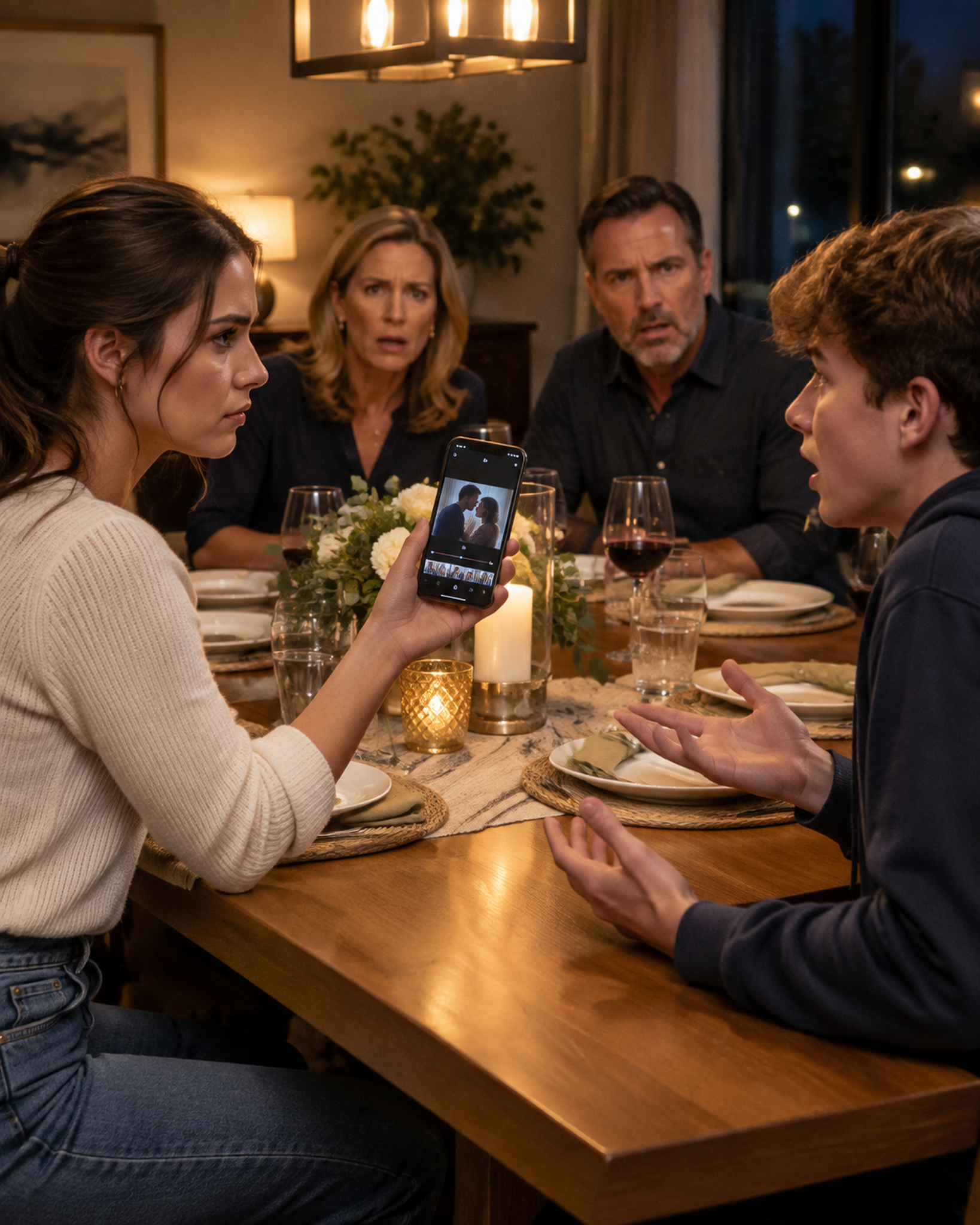
My Stepbrother Called Me “Just Adopted” And Made Me His Servant—So I Played His Own Voice At His College Celebration Dinner – Life Story
The night my stepbrother celebrated getting into his dream college, my mother raised her glass to congratulate him. He smiled,...

The HOA President Served Me An Eviction Notice For My 200-Acre Ranch—Then The County Clerk Stared At One Deed Number And Went Quiet – Life Story
The sheriff handed me an eviction notice for the ranch my family had owned since 1923. Two hundred acres, an...

HIS OLD BULLY INVITED THE BLACK SCHOLARSHIP STUDENT BACK TO MOCK HIS FAILURE AT THEIR TEN-YEAR REUNION—THEN A HELICOPTER LANDED BESIDE THE COUNTRY CLUB – Life Story
The helicopter dropped through the October dusk behind Greenale Country Club, sending bronze leaves spinning across the landing field. Derek...