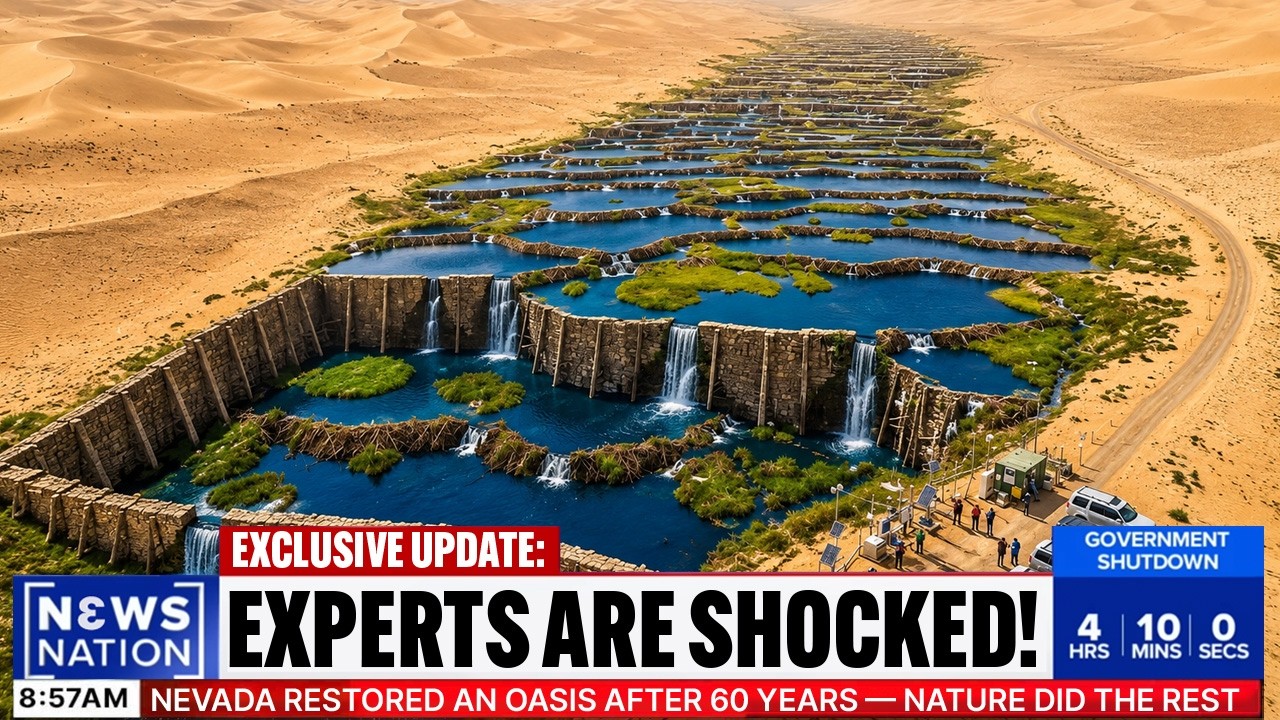
In less than three years, a barren patch of Nevada desert transformed into a lush oasis because of a single unexpected visitor. For sixty years, a dried-up basin sat lifeless after groundwater pumping drained it, leaving cracked earth behind.
The lower part of the Las Vegas Wash has experienced significant erosion affecting water flow, filtration, and local habitats. Nevada invested $250 million to restore an oasis that had been dry for 60 years. Workers rebuilt wetlands by hand, replanted native vegetation, and released endangered species into the recreated water system. What followed was unplanned but notable: wildlife began returning on its own, including a frog species once thought extinct and a wildflower that was never planted.
Before development, the area was a cienega, a desert wetland fed by an underground aquifer. During the last ice age, the valley was lush, with marshland stretching across what is now urban ground. Columbian mammoths and other ancient animals once moved through these waters. When the glaciers retreated about 12,000 years ago, the broader marsh dried, but springs held on, sustaining green pockets in the desert.
Native Americans used these springs for at least 5,000 years. By around 1100, the Southern Paiute had established communities near the water. Outsiders arrived in 1829 when Rafael Rivera became the first known non-native person to reach the springs. John C. Fremont camped there in 1844 and wrote about it. Mormon settlers built the first permanent settlement in 1855, and ranchers followed. Historians agree that without the springs, the city of Las Vegas would not exist.
The system changed after the railroad arrived in 1905. The first flowing well was drilled into the aquifer two years later. More wells followed, each drawing from the same underground reservoir that fed the springs. At their peak, the springs discharged an estimated 7,500 acre-feet of water each year. Through the 1930s, 1940s, and 1950s, groundwater pumping accelerated as the city grew. The water table dropped, severing the connection between the aquifer and the surface.
The wildlife noticed first. The Las Vegas dace, a small silver minnow found nowhere else, was last confirmed in the 1940s. The Vegas Valley leopard frog disappeared by the 1950s. In 1962, the springs stopped flowing entirely. The meadows that gave the city its name dried out within a single human lifetime.
The site sat as dry ground for decades. It earned a listing on the National Register of Historic Places in 1978, but the water remained gone. In 2000, the Las Vegas Valley Water District began habitat restoration. Construction on the Springs Preserve started in 2005 and cost about $250 million. When it opened on June 8, 2007, it included three acres of wetland with a flowing stream and six habitat ponds. Biologists replanted mesquite, willow, and grasses, and routed carefully managed water into the system.
Wildlife responded over time. In 2015, a 15-acre habitat was created for desert tortoises, a threatened species. Among those brought in was Mojave Max, whose annual emergence from his burrow has marked the start of warm weather in Clark County for more than 25 years. Schoolchildren across the region submit guesses each spring for the exact day and time he will appear.
The original extinct species could not be brought back, so biologists introduced the closest living relatives. In 2018, they released federally endangered Pahrump poolfish into restored ponds. Decades earlier, University of Nevada Professor James Deacon reportedly saved the species by moving a bucket of them from a drying spring. The relict leopard frog, declared extinct in the 1950s, was found alive near Lake Mead in the early 1990s. By 2023, a self-sustaining population had established itself in the recreated wetland, documented breeding on its own. Biologists adjusted pond management after discovering adult frogs were cannibalizing the young.
Other species arrived without help. The restored ponds and stream attracted more than 30 bird species, along with coyotes, bobcats, and gray foxes. A critically endangered wildflower called the Las Vegas bear poppy was found blooming on the grounds. Tortoise burrows became shelter for insects, mammals, reptiles, and birds.
The Springs Preserve is part of a broader effort across the Nevada desert. About 90 miles away, Ash Meadows National Wildlife Refuge hosts 26 species found nowhere else, the second-highest concentration of endemic species in North America. The refuge contains Devils Hole, home to the Devils Hole pupfish, which exists in a single water-filled limestone cavern. Two earthquakes in spring 2025 sent waves through the water, washing away eggs and food from the shallow shelf the fish depend on. The population dropped to around 20 individuals. Biologists released captive-bred fish into the cavern to reinforce them. By spring 2026, the count had risen to 77. Conservationists have warned that exploratory drilling and a proposed lithium mine near Ash Meadows could threaten the pupfish.
While biologists rebuilt the wetland above ground, archaeologists worked below. They documented and partially excavated a pithouse dating to roughly 700, left by ancestral people who had lived beside the springs more than 13 centuries ago. Ground-penetrating radar mapped the outlines of two more buried dwellings without disturbing the soil.
The same city that drained its founding springs has meanwhile become one of the most water-conscious in the country. Facing a shrinking Colorado River, the Southern Nevada Water Authority cut per-person water use by roughly 55% between 2002 and 2024, even as the population grew. Residents were paid to remove grass lawns, and usage was capped.
The recreated oasis is not the original one. The endemic dace and leopard frog are gone permanently. But fish now swim in a system that had been fishless since the 1940s. Frogs breed in a wetland built from scratch. More than 30 bird species arrive uninvited. Tortoises dig burrows that shelter other animals. And a wildflower blooms where it was never planted. Nevada drained 15,000 years of water in a single lifetime. Some of what was lost will not return. The rebuilt oasis demonstrates the other half of the lesson: when water is put back, life returns, not in full and not the same, but enough to matter.
Recommended Stories
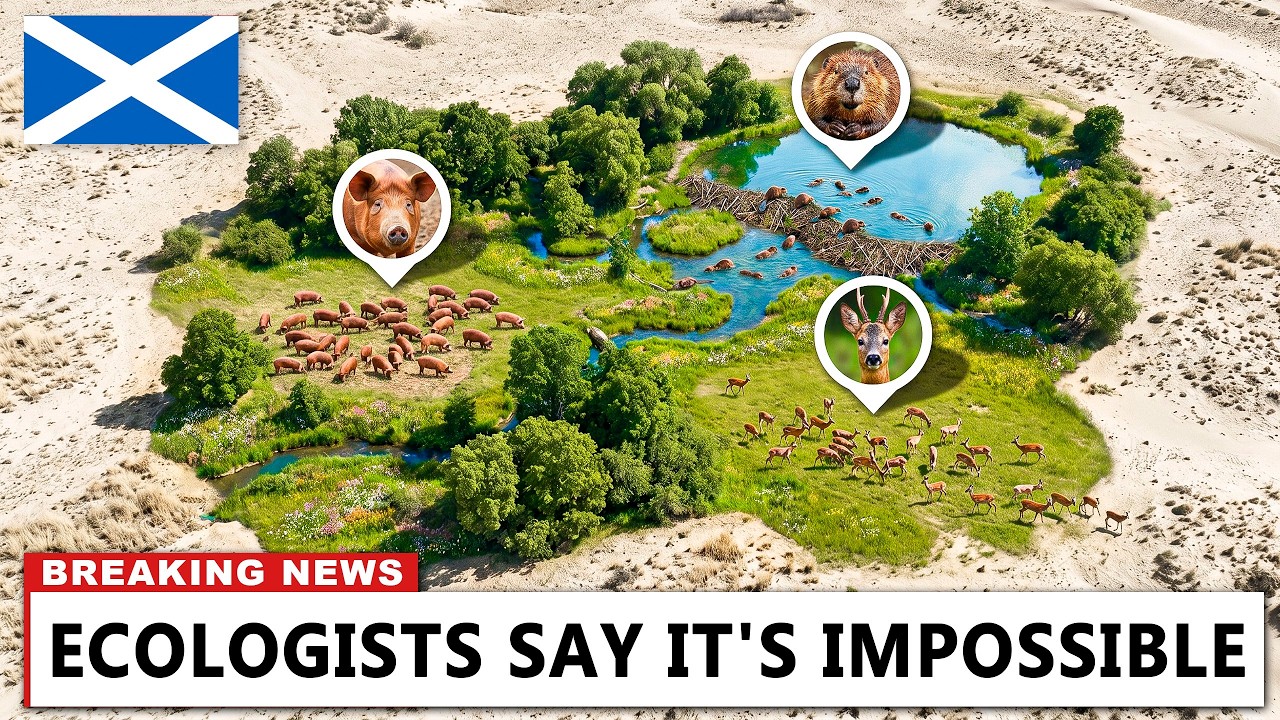
A couple walked away from their struggling sheep farm, letting the land go completely wild, and the shift that followed surprised everyone. They stopped mowing, fencing, and managing the flock, leaving the fields and animals to reclaim themselves for years.
In December 2020, the last 300 sheep were removed from 12 fields on the Bamff estate in Perthshire, Scotland. The...
Researchers returned to the Everglades expecting scorched earth after the fires, but what they found instead stopped them cold. The flames had torn through the wetlands, leaving a landscape they thought would take decades to recover.
Everglades wildfires burn on a regular basis, but researchers have found that the aftermath of these fires offers an unusual...
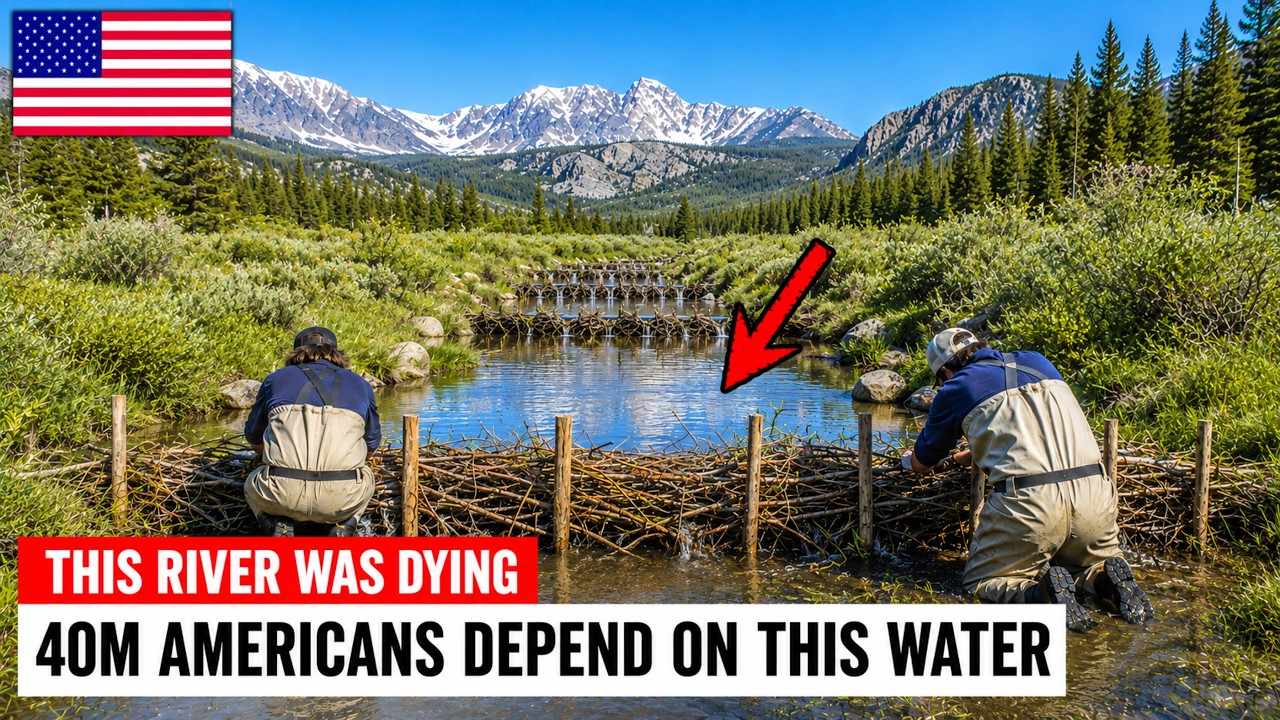
In 2023, only six beavers remained in a Colorado valley that once held 630. That valley feeds the Colorado River, the water source for roughly 40 million people.
In 1940, 630 beavers lived in the Kawuneeche Valley in Colorado’s Rocky Mountain National Park. By 2023, only six remained....