Something Bigger Than a Python Is Hunting in Florida — Cameras Captured It. Locals thought the massive tracks belonged to an oversized python, but a trail cam caught something far stranger lurking near the Everglades.
Researchers at the Conservancy of Southwest Florida found a dead Burmese python roughly 15 miles deep in the Everglades. They believe the discovery indicates native wildlife is beginning to prey on the invasive snakes. The finding is part of a larger pattern of native animals attacking pythons, a development documented in recent field studies.
Burmese pythons, which can weigh close to 200 pounds and reach over 20 feet long, have been a major problem in the Everglades since they were introduced decades ago. They have no natural predators in the region and consume large prey, including deer and alligators. For years, researchers saw no evidence that any native animal could effectively challenge them.

That changed when radio-tagged pythons began disappearing. The transmitters continued to send signals, but the snakes themselves were gone. There were no carcasses, no blood, and no drag marks at the recovery sites. In some cases, researchers recovered transmitters with python spines still intact inside, suggesting an animal had swallowed the snakes whole.
In 2021, a team led by Ian Bartoszek at the Conservancy of Southwest Florida was tracking juvenile pythons as part of a routine monitoring project. The work involved surgically implanting transmitters and following the signals across the wetlands. For weeks, the data was unremarkable. Then several of the tagged snakes vanished in quick succession.
When the team retrieved the transmitters and x-rayed them, they found the curled remains of python skeletons inside, indicating they had been ingested by an unknown predator. Around the same time, a 13-foot python turned up dead with its neck crushed and its body hidden under brush. An unknown animal had killed an apex predator and left almost no evidence.
The pythons have caused severe declines in native mammal populations since establishing themselves in the Everglades. Raccoon numbers fell by more than 99 percent in the worst-affected areas. Opossums, bobcats, marsh rabbits, and cotton rats also experienced major drops. Adult white-tailed deer and alligators have been found in python stomachs, and researchers have identified remains from 58 bird species inside the snakes.
Wildlife ecologists at the University of Florida estimate the python population ranges from tens of thousands to hundreds of thousands. Control efforts, including federal import bans, state bounty programs, detection dogs, thermal drones, environmental DNA sampling, and elimination contests, have not meaningfully reduced the population. Many longtime researchers have privately concluded that eradicating the pythons is not realistic.
The pattern of missing tagged pythons raised a new question among researchers: what could be eating the snakes? Common predators like alligators, Florida panthers, and black bears did not fit the evidence. Alligator attacks usually leave broken bones and torn tissue. Panthers and bears leave puncture wounds and claw marks. The recovered pythons showed none of those signs, and there were no tracks at the recovery sites.
To identify the predator, the team mounted trail cameras at locations where signals had gone dark. After weeks of recording, a camera captured a small cottonmouth, a native venomous pit viper, attacking a juvenile python. The cottonmouth, only about two and a half to four feet long, struck quickly and then worked its jaws down the python’s body, swallowing it despite the python’s resistance.
The footage surprised the team because cottonmouths are common in the Everglades and had been overlooked as potential python predators. The species has anatomical features that make it well suited to hunting other snakes. Pit organs between the eyes and nostrils allow it to detect infrared heat, meaning it can locate prey in complete darkness. The venom is potent enough to disable a young python quickly.
Cottonmouths are naturally adapted to hunt snakes and had likely been doing so before pythons arrived in Florida. The invasive pythons simply became part of an existing diet.
The cottonmouth was not the only native animal preying on pythons. Once the researchers reviewed their data, they found that American alligators had killed several of the monitored pythons, including at least one by a gator only nine feet long. Trail cameras also captured a bobcat raiding a guarded python nest, one of the first photographic records of a native mammal attacking a python nest. Owls and hawks were filmed carrying off juvenile pythons, and black bears and panthers were also documented killing them.
These observations suggest a broader pattern of native wildlife preying on pythons. The behavior appears to be independent and uncoordinated, with each species acting according to its own natural hunting instincts.
Despite these findings, researchers do not believe native predators will solve the python problem on their own. Female pythons lay between 12 and 36 eggs per clutch, sometimes more, and can reproduce multiple times each year. They mature quickly and can live for decades. Their reproduction rate outpaces what predators can consume.
Human removal efforts have pulled more than 5,000 pythons from the wild since the trapping program began. A recent contest weekend removed nearly 200 additional snakes. But pythons are difficult to locate, and much of the Everglades is inaccessible on foot.
Still, researchers view the predation observations as a meaningful development. Native animals are responding to the pythons without human intervention. The behaviors are not organized, and their long-term effect on the python population remains unclear. But the documentation of native animals killing invasive pythons provides a clearer picture of how the ecosystem is adapting.
Recommended Stories

A fishing crew off Australia claims they spotted a 115-foot shark they believe was a megalodon—then were allegedly ordered to stay silent. The massive creature reportedly dwarfed their vessel, surfacing just long enough for stunned crew members to capture footage.
In 1918, professional crayfish fishermen working out of Port Stevens on the coast of New South Wales, Australia, stopped fishing...
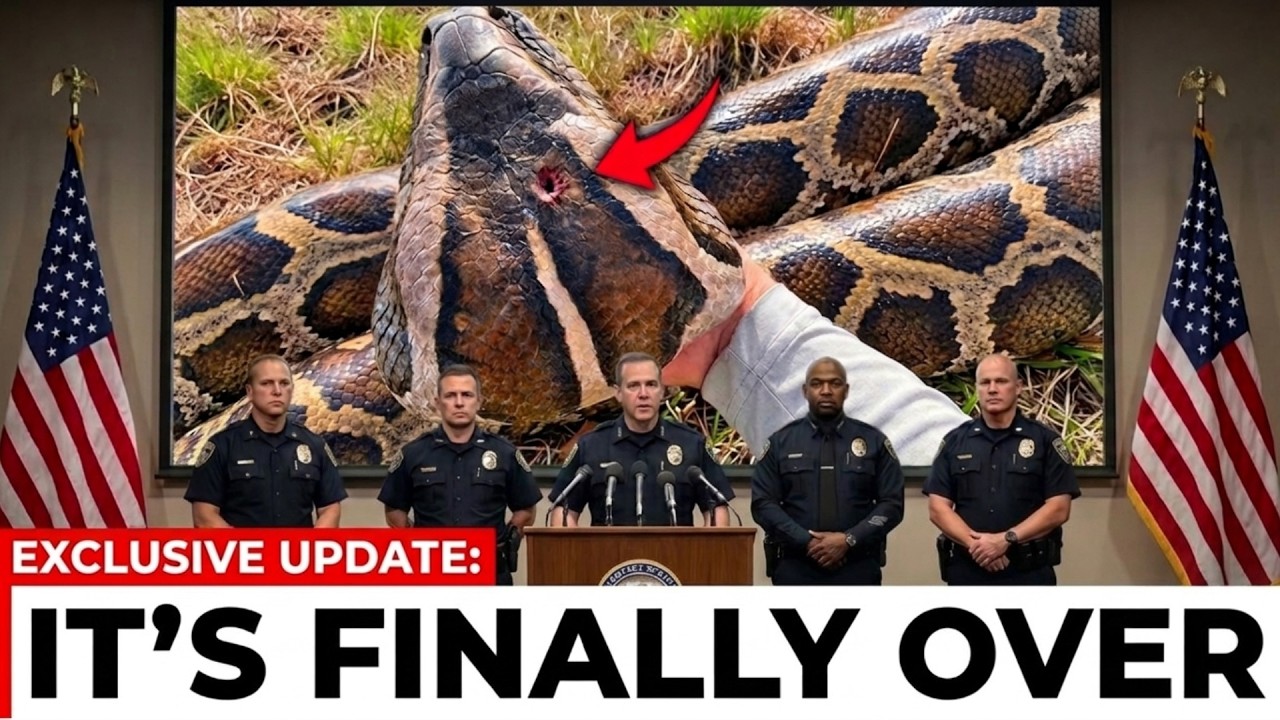
A hunter in Florida just shot the biggest python ever recorded in the state, and the photos have sparked a firestorm on social media. The massive Burmese snake, nearly 19 feet long, was taken down after an exhausting hunt that pushed the team to its limits.
In July 2023, a 22-year-old man pulled a Burmese python from the grass beside a road in Big Cypress National...

Everyone called Michael Viney’s one-acre patch of Irish land dead and worthless, yet he spent 45 years proving otherwise. Moving to County Mayo in 1977 with his family, this journalist abandoned city life for a windswept plot near the Atlantic, raising goats and struggling against foxes and harsh conditions.
In 1977, the journalist Michael Viney moved with his wife and daughter to a one-acre plot at the edge of...