Antarctica’s freezing waters hide something enormous—creatures that should be tiny growing into true giants. Scientists call it polar gigantism, and the colder the water, the bigger the animals seem to get.
Two hundred meters beneath the permanent ice of the Southern Ocean, the seafloor is not the lifeless plain one might assume. In the near-freezing darkness, a diver’s lamp reveals an ecosystem of unusually large animals, a documented phenomenon known as polar gigantism. This is not folklore but a recognized pattern, studied and recorded in peer-reviewed scientific literature.
Among the most striking creatures observed are sea spiders, or pycnogonids, whose leg spans can reach the width of a dinner plate. Their relatives in warmer waters are often microscopic. The Southern Ocean seafloor is densely populated with these oversized arthropods, alongside giant isopods, ribbon worms, sea stars, and other invertebrates that all trend toward enormous proportions compared to their tropical counterparts.

The prevailing scientific explanation for this phenomenon is the oxygen-temperature hypothesis. Cold water holds significantly more dissolved oxygen than warm water, providing an abundant supply for marine life. Concurrently, the frigid temperatures drastically slow metabolism, meaning these creatures require far less oxygen to function. This combination of abundant oxygen and low demand appears to lift the physical constraints that normally limit the size of cold-blooded ocean animals.
This principle is governed by the relationship between surface area and volume. As a body grows, its volume increases faster than its surface area, making it harder for oxygen absorbed through the skin to reach the interior. In warm, oxygen-poor water, this limits size. In the cold, oxygen-rich Southern Ocean, the high concentration of oxygen diffuses more deeply into the body, allowing creatures to grow far larger than their warm-water relatives.
The sea spider is almost a literal embodiment of this limitation, as it has no gills or lungs and absorbs oxygen directly through its skin. This made it a perfect subject for research. Biologist Amy Moran and her colleagues conducted experiments that warmed the water and lowered oxygen levels. Their observations confirmed that the largest sea spiders were the first to show signs of distress, while smaller individuals with a more favorable surface-area-to-volume ratio were more resilient. This validated the theory that the giants’ size is a direct consequence of their specific environment.
This extreme specialization suggests a fragility. The animals are large because the conditions have been remarkably stable for millions of years, but they possess little tolerance for change. The Southern Ocean is now experiencing warming, and warmer water holds less oxygen. The same variables that allowed these creatures to grow so large are now reversing, posing a direct threat to the most oversized among them. The very factors that built this unique ecosystem may be the same ones that could lead to its decline.
Recommended Stories
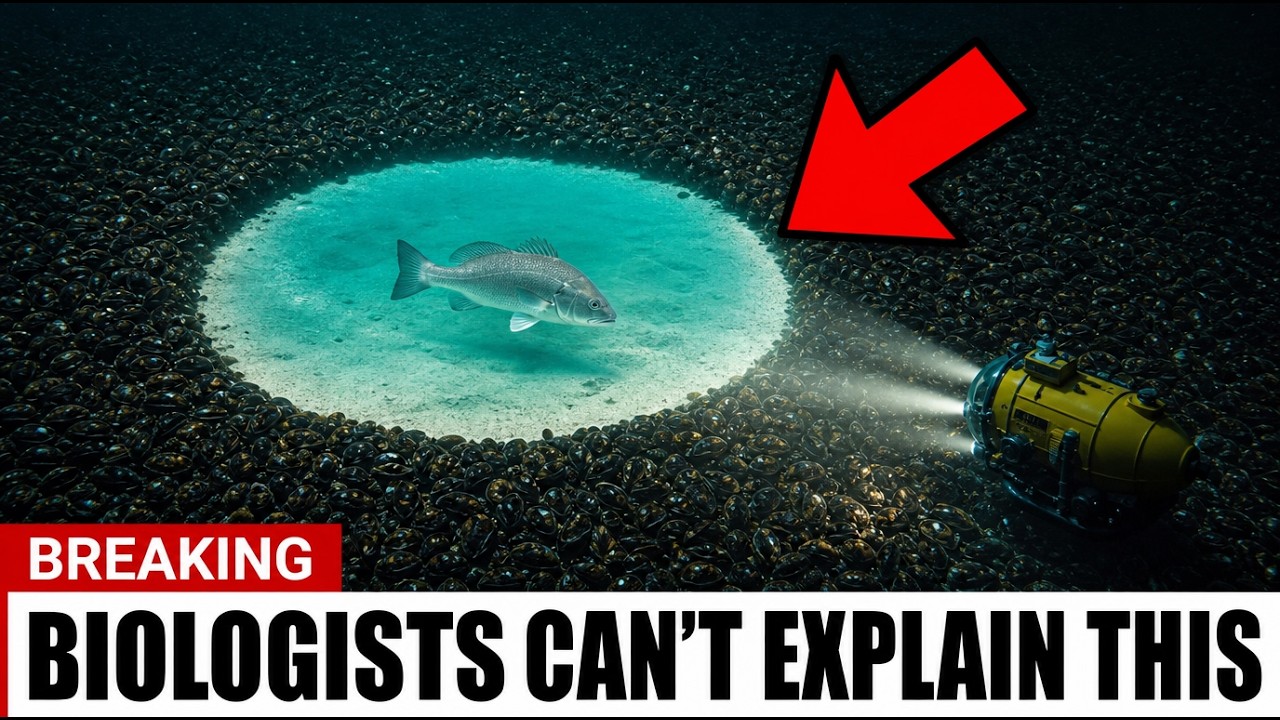
Lake Michigan was dying, choked by billions of invasive mussels that stripped the water of life. Scientists watched helplessly as the ecosystem crashed, the once-thriving lake turning into a sterile, empty void.
In recent decades, Lake Michigan has become noticeably clearer. On calm summer days, waders can stand chest-deep in the water...
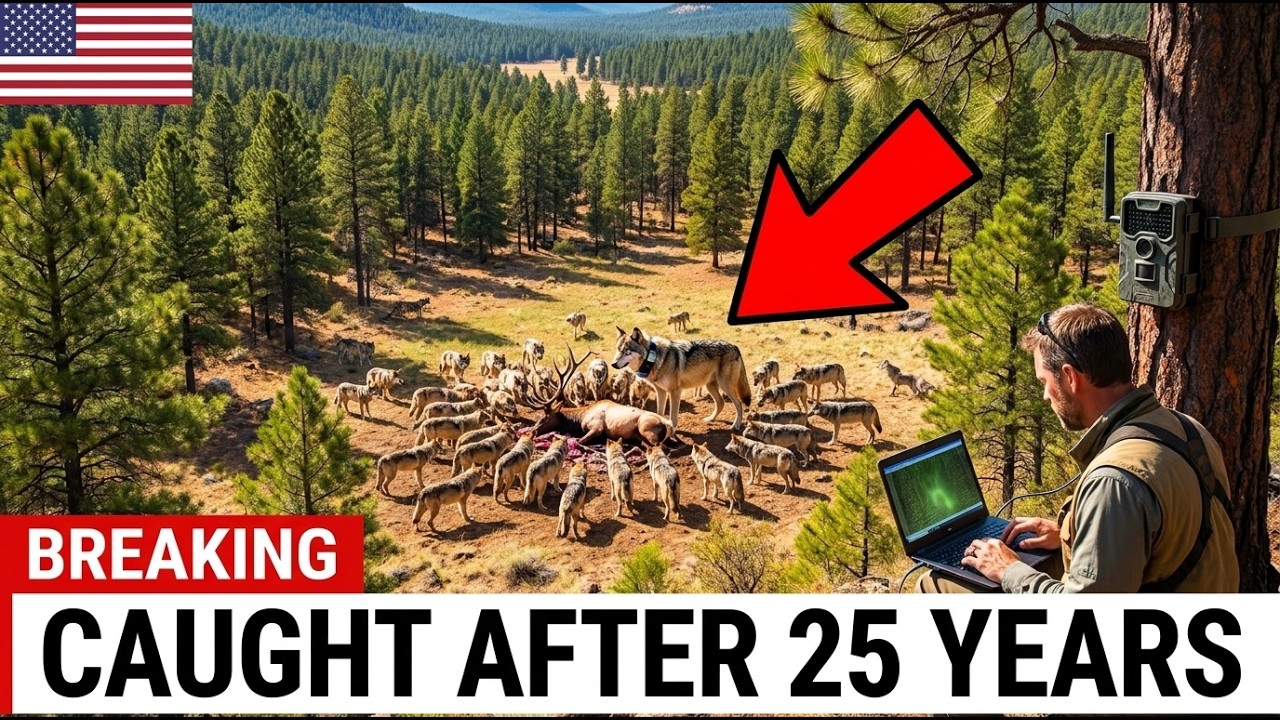
In 2016, Arizona quietly released eleven captive Mexican wolves into the wild—a last-ditch effort to save the species. For decades, these animals were tracked but rarely seen, their comeback shadowed by fierce rancher opposition and deadly conflicts.
In late 2025, the official population count for Mexican gray wolves in the American Southwest reached 319. That number is...

Deep beneath Mexico, divers found a flooded chamber sealed since the Ice Age—but its contents defy the story that made it famous. The pit, called Hoyo Negro, trapped giant sloths, saber-toothed cats, and a teenage girl named Naia.
In 2007, cave divers mapping underwater passages near Tulum, Mexico, discovered a large submerged chamber they named Hoyo Negro. Inside,...