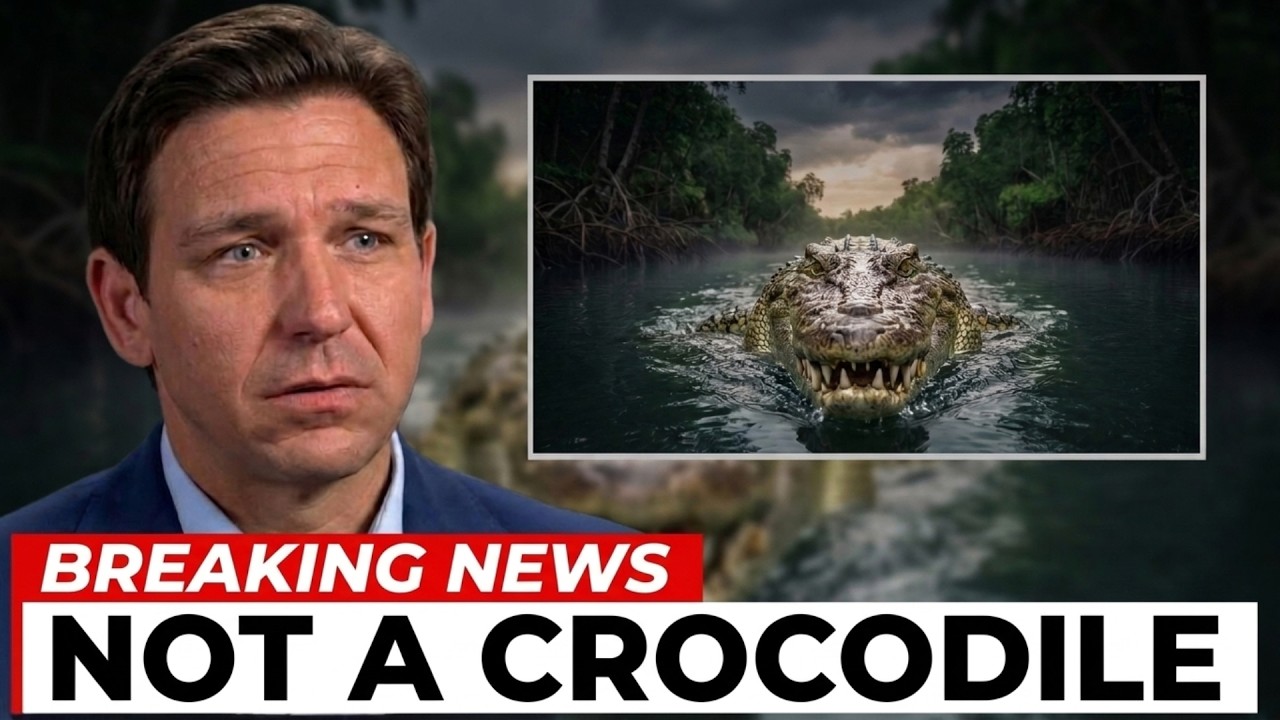
Florida’s American crocodiles are growing larger than ever recorded, and wildlife experts cannot explain why. These massive reptiles, once rarely seen beyond the southern tip of the state, are now turning up in new waterways, baffling longtime researchers.
In late 2025, a crocodile was found on the grounds of a private school on Fisher Island, near Miami Beach. A response agent from the Florida Fish and Wildlife Conservation Commission captured it and removed it from the island. The incident was one of several recent encounters in the region, including a large crocodile found in Key Largo and another removed from a canal in Brevard County.
The American crocodile was listed as endangered in the United States in 1975, when fewer than 300 remained in Florida. Nesting was limited to a few locations, and the species’ historic range had been reduced significantly. Hunting, development, and road mortality contributed to the population decline.
Protection efforts began in the late 1970s, including the creation of a crocodile sanctuary in Florida Bay and a national wildlife refuge on Key Largo. A significant development came when crocodiles began nesting on the cooling canals of the Turkey Point nuclear power plant south of Miami in 1978. The plant’s 168 miles of canals eventually supported roughly a quarter of Florida’s crocodile population.
In 2007, the crocodile was reclassified from endangered to threatened, with an estimated population of 1,400 to 2,000 animals. Nesting had increased from fewer than 20 nests per year to more than 100. The population estimate has remained near 2,000 since that time.
However, researchers studying nearly 40 years of capture records have found that crocodiles continue to grow throughout their lives. A 2021 study of 10,000 captures found that the oldest animal recaptured was 22 years old and still growing. Survival rates also increase with age, with most crocodiles having a high chance of surviving each year past age six.
The flat population estimate therefore masks a change in the composition of the population. A recovering population accumulates larger, older animals over time. The overall number can remain steady while the animals themselves get bigger.
A crocodile tagged at Turkey Point in 1999 illustrates this pattern. Marked as a hatchling at 17 inches, it was recaptured nine years later in Collier County on the Gulf coast, then again in 2013 in Lake Tarpon, north of Tampa, at nearly 11 feet long. It had traveled roughly 350 miles, the farthest documented movement for a Florida crocodile. After being relocated south, it was found dead in a ditch near Turkey Point in early 2014.
Crocodile growth is also linked to water conditions. The 2021 study treated crocodiles as indicators for Everglades restoration, since their growth tracks the amount of fresh water reaching coastal estuaries. High salinity levels were associated with reduced growth rates. Reduced freshwater flow, caused by roads and dikes that interrupted natural water movement, has slowed crocodile growth in some areas.
Habitat changes have also influenced the population. Mangrove cover declined in many estuaries over the past century, though replanting efforts began in the 1990s. Warming water temperatures have allowed mangroves to spread north, and crocodile sightings have increased in the Indian River Lagoon area.
With more than 100 nests per year, thousands of eggs are produced annually. Young crocodiles face high mortality rates from predators, and large crocodiles sometimes prey on smaller ones. Researchers have found that some hatchlings are consumed by larger crocodiles, suggesting that the population regulates itself.
Crocodiles that survive have moved into new areas. The first documented American crocodile nest on Florida’s west coast was recorded in a 2023 study, at a site near Marco Island. In urban areas, crocodiles often bask on artificial structures, including jet skis, paddle boards, and floating docks, because natural basking sites have been replaced by hardened seawalls.
Winter is the main factor limiting the northern expansion of the species. A cold spell in January 2010 killed 151 crocodiles, while alligators in the same region survived. Crocodiles continued basking through the cold and died from the low temperatures. Florida is the only place where alligators and crocodiles coexist in the wild, and the event demonstrated that crocodiles are less tolerant of cold.
Human encounters remain rare. The commission reported one documented crocodile bite in Florida, which was not fatal. In contrast, alligators bite an average of eight people per year in the state. The primary concern runs in the other direction. A crocodile found in Key Largo with injuries from a spear and a bullet was taken to Zoo Miami for treatment. The commission offered a reward for information about the incident, as harming crocodiles is illegal under state and federal law. A survey found that nearly one in four people living within the crocodile’s range were unaware the species was present.
Officials use hazing, relocation, and temporary closures to manage conflicts, but these measures have limits. One relocated crocodile returned after traveling more than 100 miles over eight months.
The long-term outlook depends on factors beyond agency control. The number of crocodiles at the northern edge of the range is unknown. Rising sea levels threaten nesting habitat at Turkey Point. No nests have yet been found on the Space Coast, though the increase in sightings suggests that breeding may eventually occur there.
The changes underway are the result of sustained protection, water management, and a series of mild winters. The population estimate has stayed level for years, but the animals themselves have continued to grow and expand into new territory.
Recommended Stories
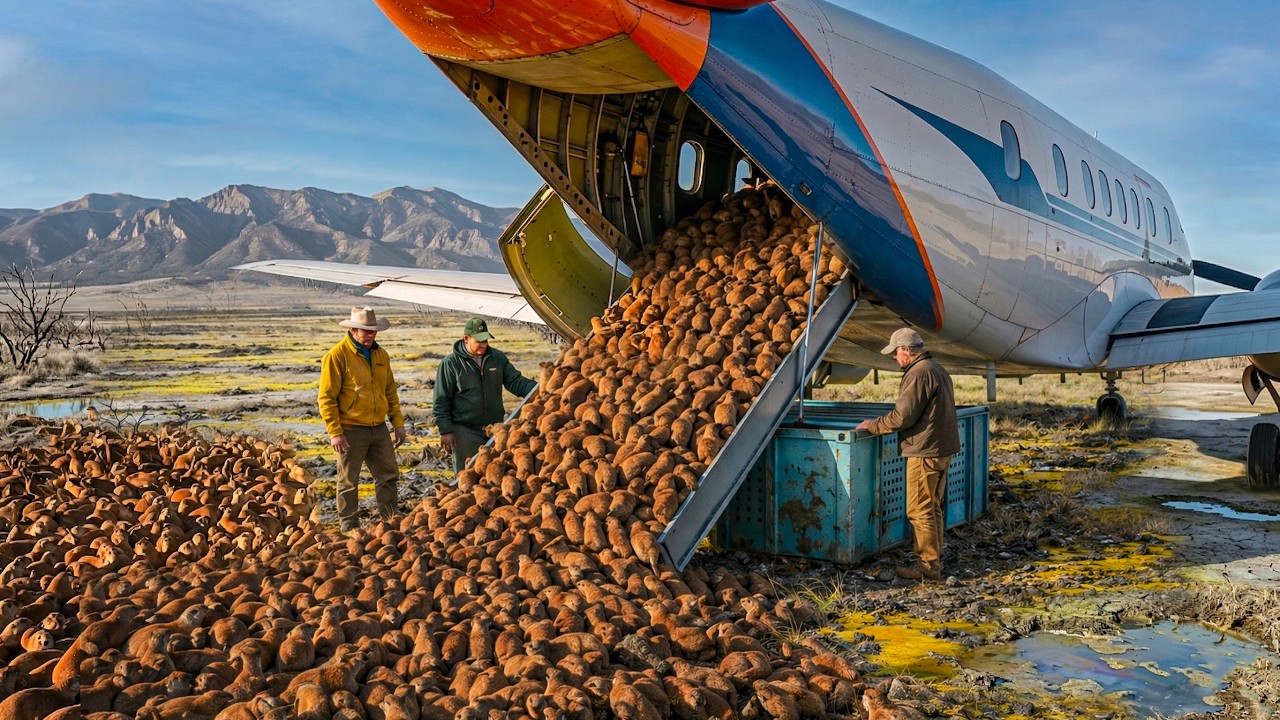
Colorado’s most toxic Superfund site just got thousands of new residents—prairie dogs dumped into a chemical wasteland, and the animals barely survived. Early tests showed the rodents carrying heavy metals as officials hoped their burrowing would break up contaminated soil naturally.
In 1989, wildlife managers released 714 prairie dogs onto a former chemical weapons manufacturing site roughly ten miles from Denver....
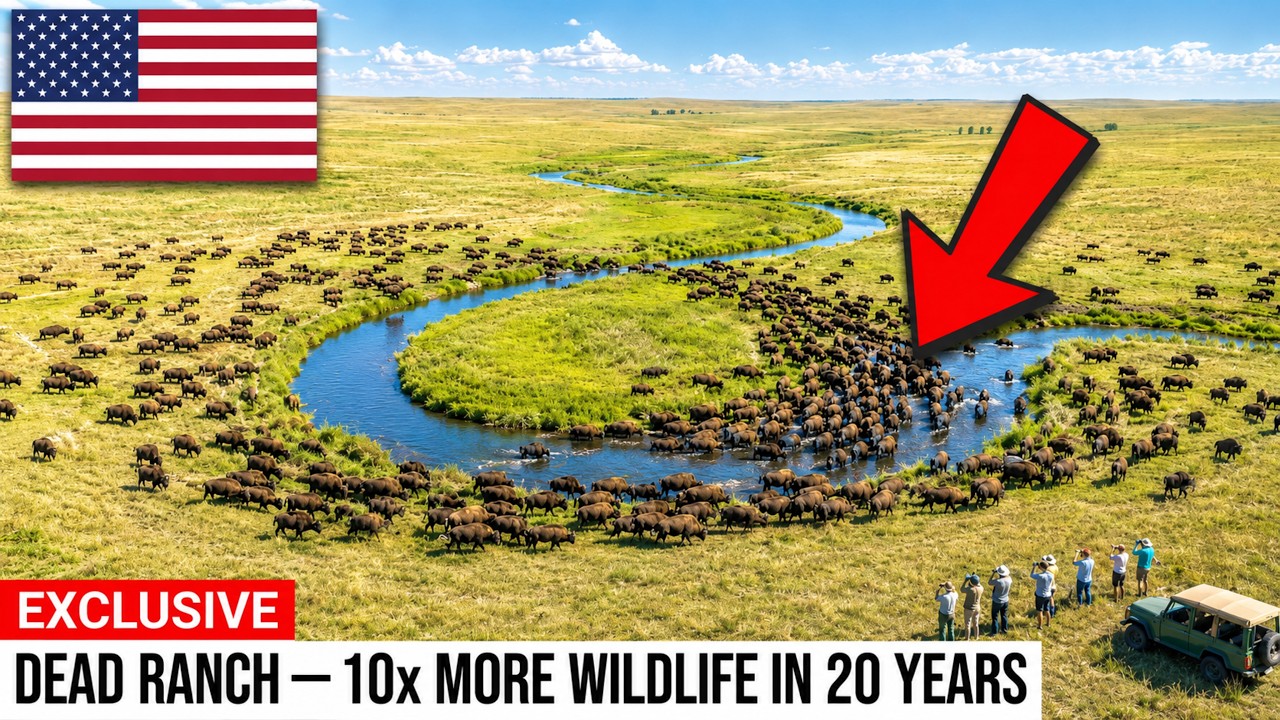
Twenty years after Montana released wild bison onto ranches left barren, the landscape transformed in ways even biologists couldn’t foresee. What began as a desperate experiment to restore dying grasslands soon revealed an unexpected chain reaction.
In October 2005, shortly after midnight, sixteen bison were released onto a remote tract of Montana grassland known as Sun...
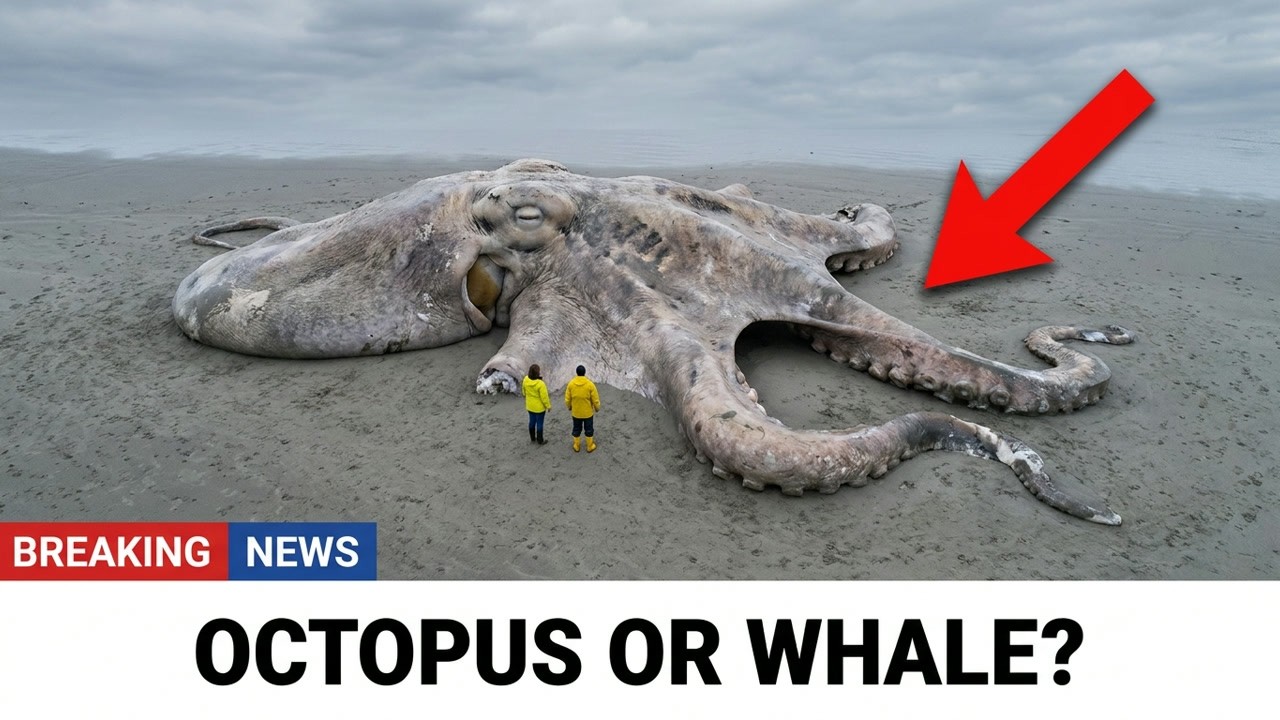
A giant sea monster washed ashore in 1896, sparking a scientific feud that lasted a full century. The remains were massive, with strange tentacle-like appendages, and it was found in St.
On November 30, 1896, two boys riding bicycles along the beach of Anastasia Island, near St. Augustine, Florida, found a...