Texas kept losing its wild boars, and when authorities finally dug into why, they uncovered something far more disturbing than runaway hogs. With populations once numbering in the millions, the sudden decline across hunting grounds raised immediate alarms.
In 2024, ranchers in a region of southwest Texas began noticing an unusual change. Wild hogs, typically aggressive and destructive, were disappearing from parts of Crockett, Val Verde, Sutton, Edwards, and nearby counties. Reports described whole family groups, known as sounders, found dead in fields with no visible wounds. The scale of the die-off grew from a few animals to hundreds across the area.
The Texas Animal Health Commission investigated and determined that the deaths were caused by anthrax, a bacterial disease that occurs naturally in the region. The affected area, sometimes called the Anthrax Triangle, lies over alkaline, limestone-rich soil that can preserve anthrax spores for decades. Recent weather patterns—drought followed by heavy rain—appear to have brought spores to the surface, where they concentrated in low-lying pastures.
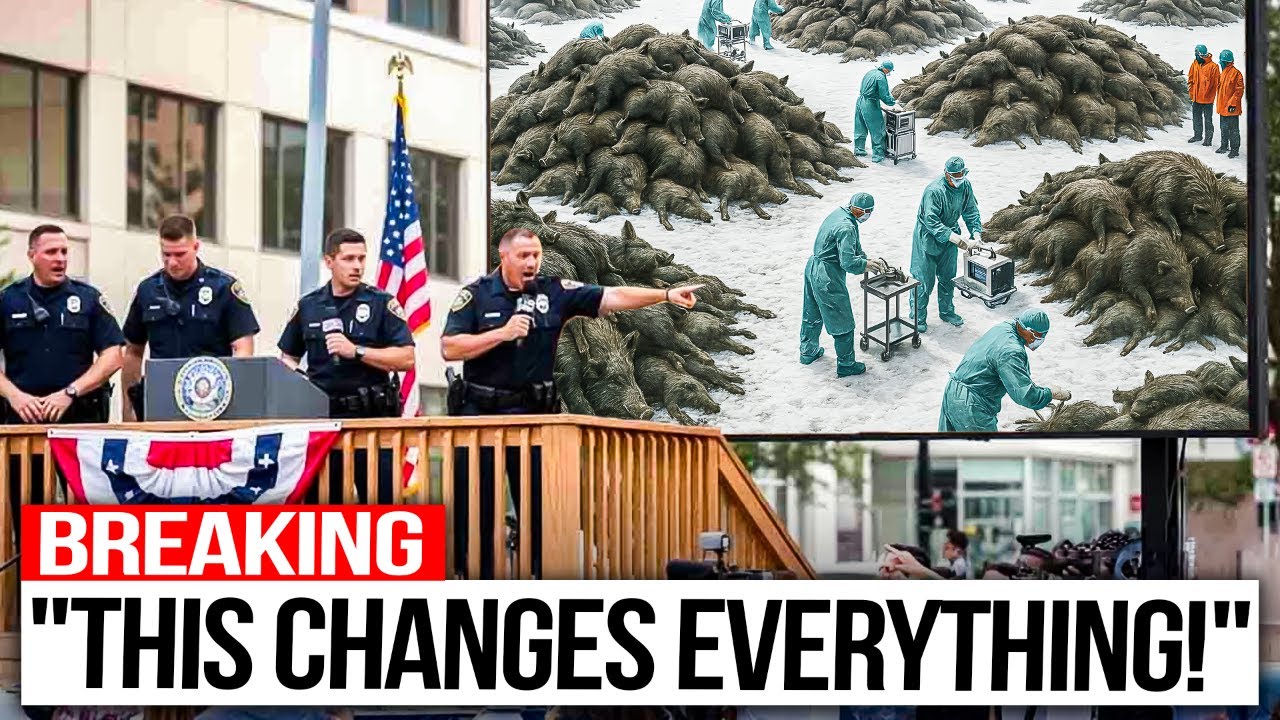
Wild hogs, which root through soil for food, disturbed these contaminated areas and inhaled or ingested the spores. Infected animals then died, leaving carcasses that released large numbers of new spores into the environment. Because feral hog populations in Texas are estimated at roughly three million animals, the presence of so many susceptible hosts created an unusually large outbreak.
Anthrax is a serious disease in livestock, and the Texas Animal Health Commission issued emergency orders to vaccinate cattle and horses in affected zones. Untreated, the disease can also infect humans who handle contaminated animals or animal products. No human cases were reported in this outbreak, according to available information.
For ranchers, the outbreak created significant economic strain. Quarantine zones restricted the movement and sale of livestock, and the risk of contaminated carcasses limited normal operations. The hunting industry, including guided aerial operations that charge clients thousands of dollars, also saw reduced demand, since hunters were advised not to touch dead or sick animals.
Authorities responded by ramping up vaccination campaigns, using drones to locate sick herds, and working with groups such as the Kikapoo Traditional Tribe on controlled burns designed to reduce spores on the surface. Incinerating or deeply burying infected carcasses is the standard protocol, but locating large numbers of heavy animals across remote terrain was slow and incomplete.
Wildlife biologists also noted a longer-term concern. Blood tests of surviving hogs showed that a significant share had been exposed and developed antibodies, meaning they survived infection. Those animals will continue to breed, potentially producing a population that carries greater resistance to anthrax. Meanwhile, climate projections suggest that hotter, drier conditions may make similar outbreaks more frequent in the future.
The situation has encouraged a shift in approach among those managing the problem. Rather than focusing solely on population control through hunting, authorities are emphasizing coordination among veterinarians, ecologists, and public-health officials. Some efforts are exploring oral vaccines and smart trapping systems designed to remove whole groups at once.
The Texas outbreak is one example of a broader pattern in which invasive species break down the natural barriers that usually keep diseases contained. The feral hog population in the United States, estimated at about six million animals, causes more than a billion dollars in agricultural damage each year. In Texas, wild hogs alone are responsible for over 100 million dollars in annual losses.
The anthrax die-off has not solved the feral hog problem. Populations remain large, and the disease has not been eliminated from the environment. The spores remain in the soil, and future droughts may trigger new cycles of infection. For residents of the region, the outbreak has been a reminder that the landscape carries risks that surface under the right conditions. The long-term consequences for the hog population, the livestock industry, and the surrounding ecosystem are still being assessed.
Recommended Stories
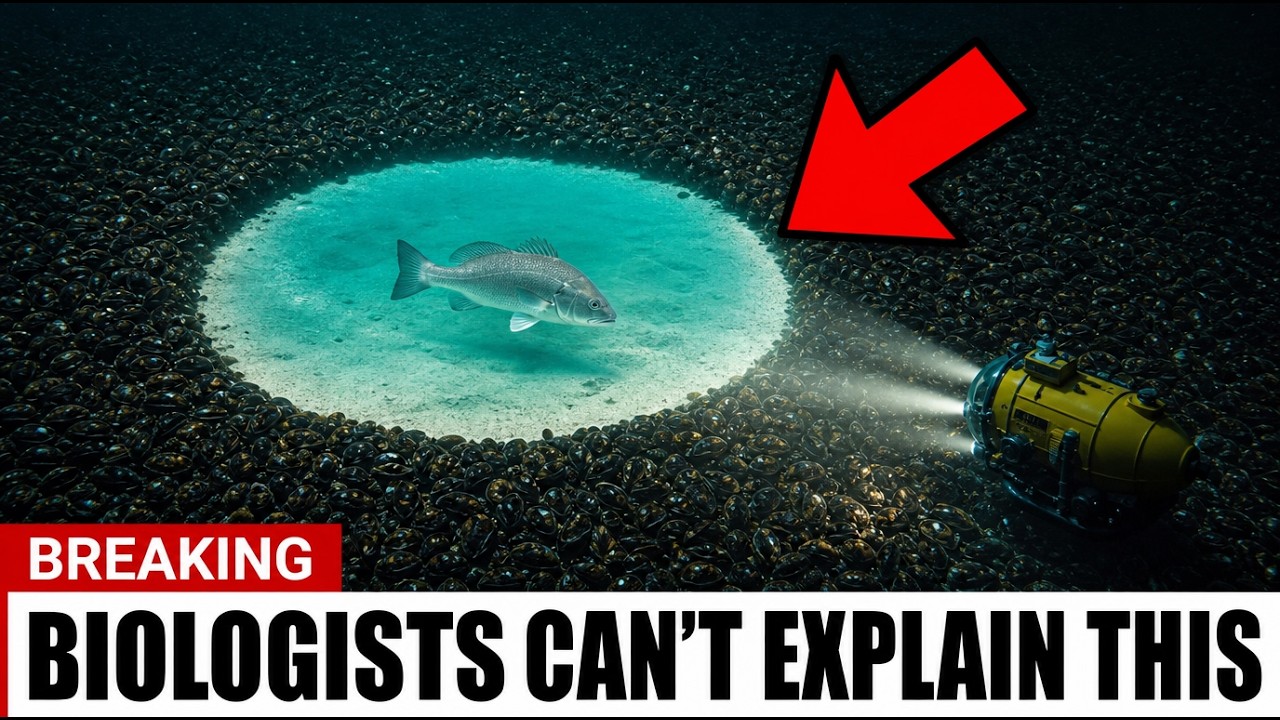
Lake Michigan was dying, choked by billions of invasive mussels that stripped the water of life. Scientists watched helplessly as the ecosystem crashed, the once-thriving lake turning into a sterile, empty void.
In recent decades, Lake Michigan has become noticeably clearer. On calm summer days, waders can stand chest-deep in the water...
Scientists dropped a camera into the Mariana Trench, the deepest point on Earth, and what came back has scientists more rattled than the void of space. They expected darkness and lifeless pressure, but the footage revealed something entirely unexpected thriving miles below the surface.
The Mariana Trench is the deepest known point in the world’s oceans, located roughly 200 kilometers east of the Mariana...
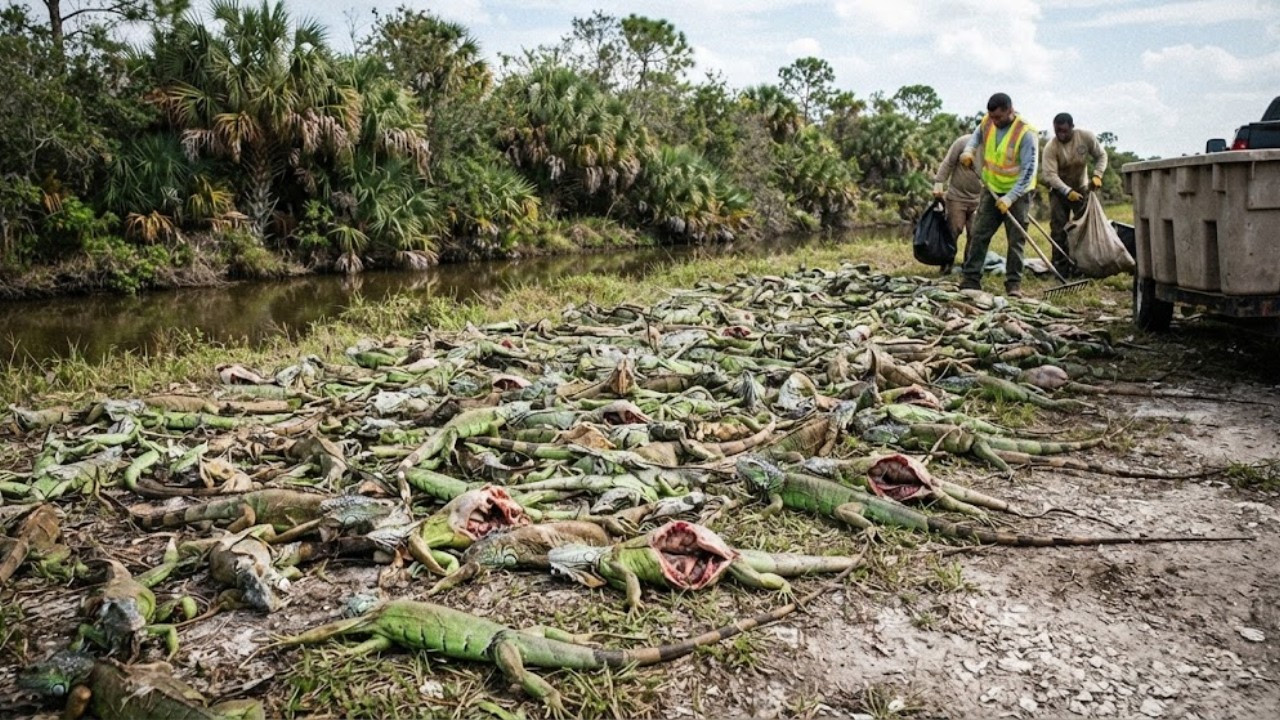
The invasive green iguana is vanishing from Florida’s landscape faster than anyone expected, and scientists say it’s not just because of the cold. For years, residents battled the reptiles tearing up seawalls and gardens, only for the population to suddenly crash in recent years.
Dr. Claire Mats had spent three years conducting green iguana surveys along the canal networks of the central Florida Keys....