An underwater drone plunged into the Devil’s Sinkhole, and the footage left scientists terrified. The team had sent the device down to map the unexplored depths of the notorious cavern, expecting nothing more than rock and water.
The Devil’s Sinkhole is a large natural pit in Edwards County, Texas, about eight miles northeast of the town of Rocksprings. It was first found by settlers around 1876, reportedly by a man named Ammon Billings. The opening is an oval gap roughly 50 feet across in flat, dry limestone country. It drops about 140 feet before reaching a slope of debris, then continues to a measured depth of roughly 350 feet, with some estimates approaching 400 feet.
That makes the pit deeper than a 30-story building, cut straight down into solid rock. There is no side entrance or slope. The only way in is by rope, straight down through the opening. The chamber widens considerably at depth, reaching more than 300 feet across.
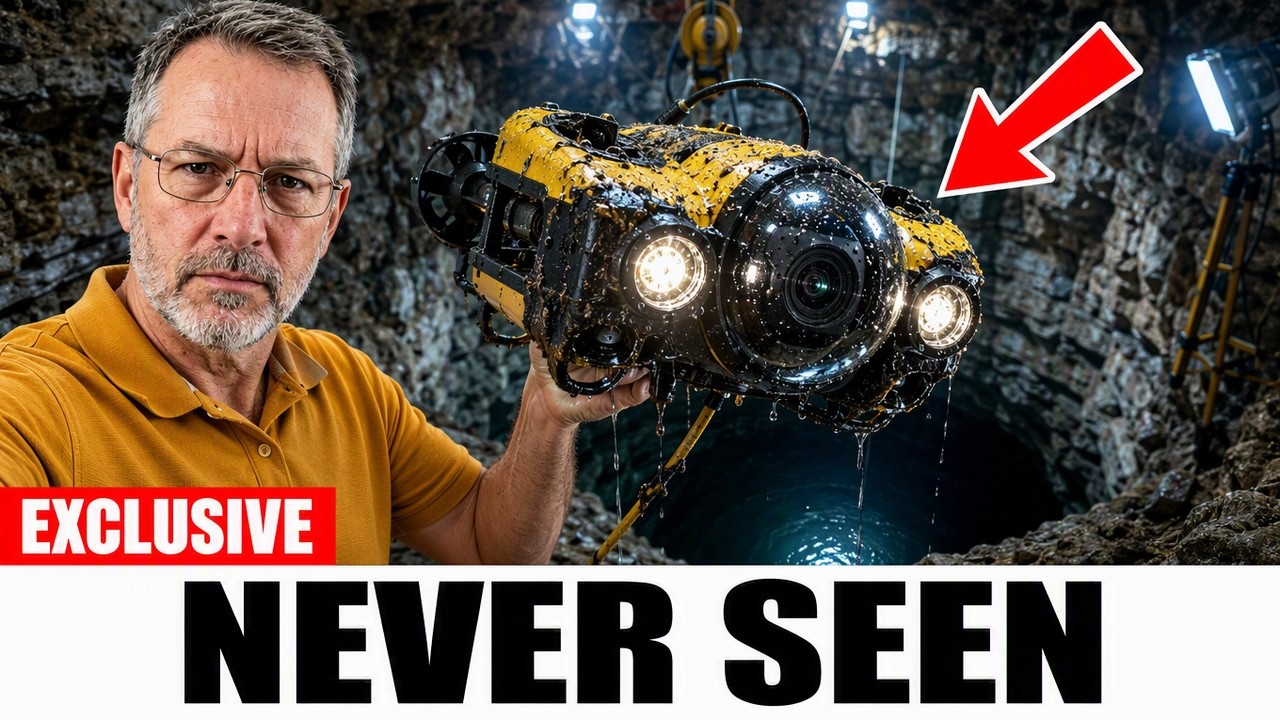
The sinkhole is best known for its bat population. An estimated 3 million Brazilian free-tailed bats roost there, and at dusk during warm months they rise out of the opening in a dense column that can be seen from a distance. People travel for hours to watch them emerge.
Early History
In the early 20th century, the sinkhole held commercial value because of the large accumulation of bat guano at the bottom. Workers were lowered into the pit by rope and bucket to mine the guano for use as fertilizer and for its nitrate content, which was used in making gunpowder. Some of those miners reported hearing the sound of water below, despite the dry landscape at the surface.
The sinkhole was designated a National Natural Landmark in 1985 and is protected as a state natural area.
What Is Below
The interior of the pit contains a large room that opens out below the narrow entrance. At the lowest points of the chamber are two pools of water. Survey work by Texas cavers in the mid-20th century documented these lakes and their behavior. The water level was observed to rise and fall in ways that did not clearly match local rainfall patterns.
Geologists have concluded that the sinkhole opens directly into the Edwards-Trinity aquifer, one of the largest groundwater systems in Texas. The water at the bottom is not simply rainwater collected at the bottom of a closed hole. It is connected to a broad network of water-filled rock channels extending under thousands of square miles of the Texas Hill Country. The lakes are visible points where that underground system nears the surface.
The depth of the water itself has not been fully established. Reaching it requires a free rappel of about 140 feet, traversing loose debris and guano in near-total darkness before entering cold, sediment-filled water in a cave environment. Cave diving is a dangerous discipline on its own; doing it at the bottom of a deep pit has kept the lower water largely unexamined. No complete survey of the bottom has been publicly produced.
Fossil Record
The sinkhole has also acted as a natural trap for animals. Over thousands of years, wildlife has fallen into the opening and been unable to escape. The cool, stable conditions at the bottom have preserved bones in layers. Researchers have recovered remains from the Pleistocene, including animals that disappeared from Texas tens of thousands of years ago.
The sediment and water at the bottom have not been fully excavated or studied. The site is effectively a long-running archive of animal remains that has yet to be fully analyzed.
Connection to a Larger System
The water in the bottom of the sinkhole responds to changes in the wider Edwards-Trinity aquifer. Regional water levels affect the pools in the pit even when local rainfall does not explain the change. This indicates that the sinkhole is hydraulically connected to a much larger water system through submerged passages in the limestone. Those passages have not been mapped to their endpoints.
Biologists have documented cave-adapted species elsewhere in the Edwards-Trinity system, including blind, colorless salamanders and invertebrates that live in total darkness. These discoveries have come from individual pockets of the aquifer as they are examined. The lower water of the Devil’s Sinkhole remains one of the less accessible parts of that system.
Access and Current Status
The sinkhole is not open for casual descent. Guided visits generally remain at the surface or the rim. The deeper chamber, the pools, and the fossil-bearing sediment are off-limits to nearly all visitors, in part due to safety concerns and in part to protect the bat colony and the fragile cave environment.
The result is an unusual situation: a natural landmark that has been studied, documented, and protected for decades, but whose deepest water and sediment have not yet been fully surveyed or publicly described. The questions of how deep the water reaches and what may live in the lower sections of the system have not been conclusively answered.
Recommended Stories
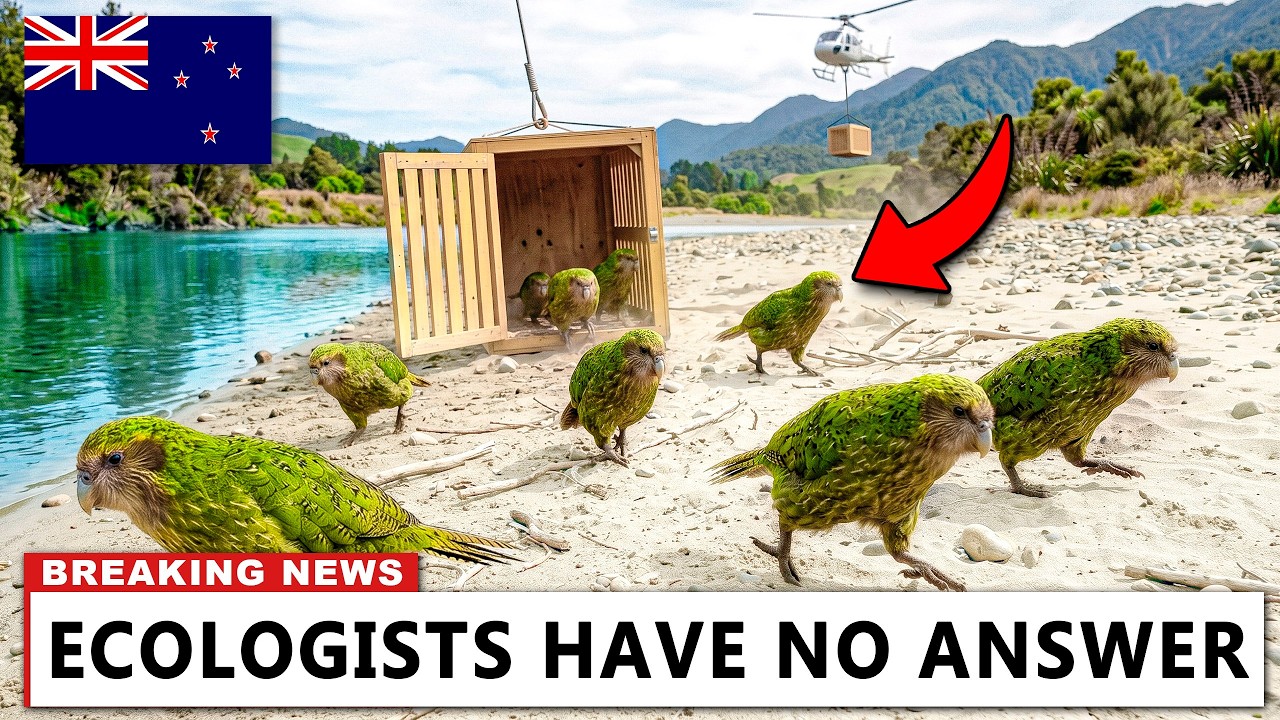
New Zealand airlifted the last 51 kakapos to a remote island sanctuary, hoping to save the world’s heaviest parrot from extinction. The flightless birds, once nearly wiped out by predators, were relocated to a predator-free refuge.
In 1995, the kakapo population of New Zealand had fallen to 51 birds. The species, a flightless parrot that can...
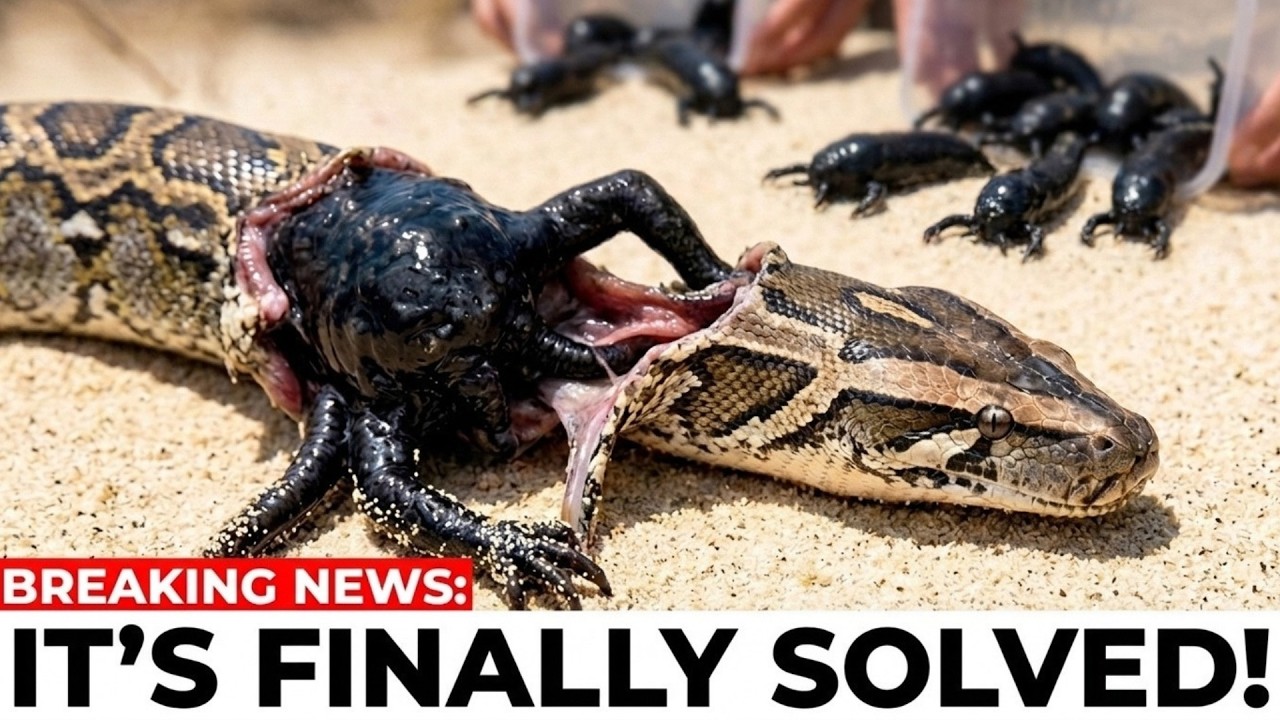
Florida’s new snake killer swapped guns for a far more personal method with pythons, and wildlife officials are already alarmed. The hunter began abandoning lethal tactics entirely, instead tracking massive invasive snakes deep into the Everglades to handle them live.
Florida's Everglades are home to an estimated 300,000 Burmese pythons, an invasive species that has significantly reduced populations of native...
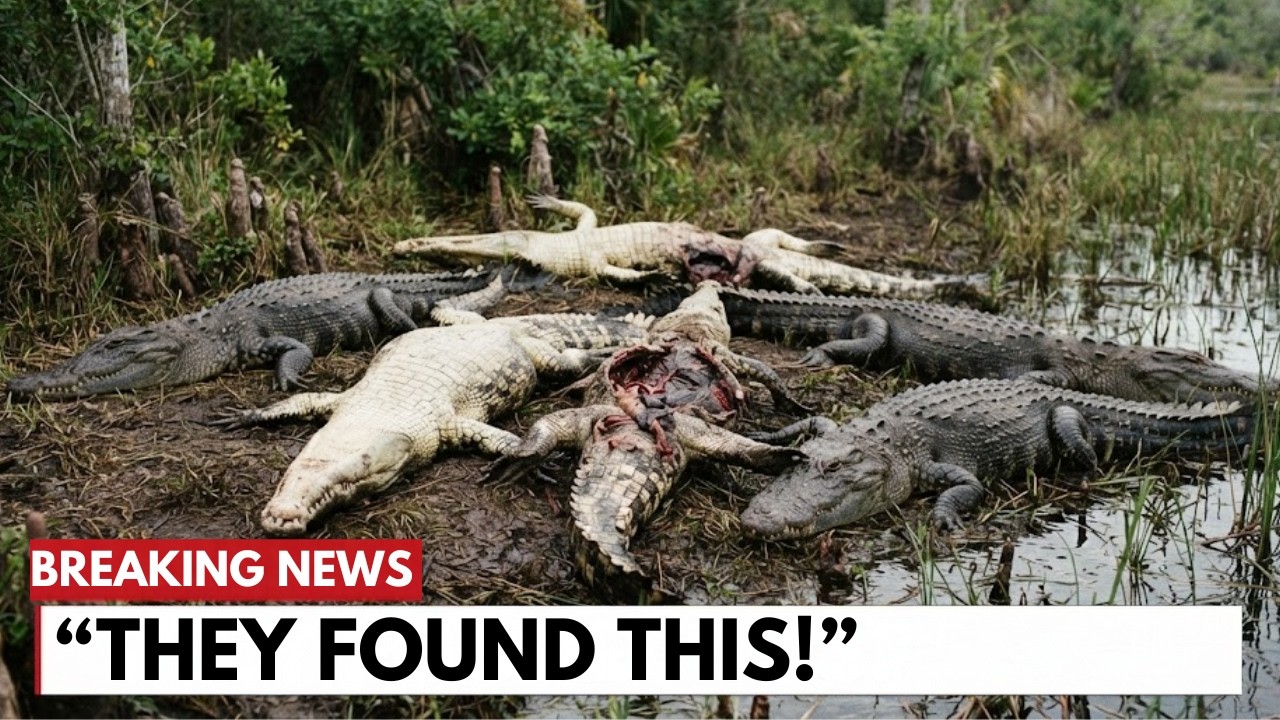
Wildlife researchers in southern Florida faced an unexplained problem in the early 2000s: adult American crocodiles were disappearing from the mangrove channels where they had lived for years. These
Wildlife researchers in southern Florida faced an unexplained problem in the early 2000s: adult American crocodiles were disappearing from the...