New Zealand airlifted the last 51 kakapos to a remote island sanctuary, hoping to save the world’s heaviest parrot from extinction. The flightless birds, once nearly wiped out by predators, were relocated to a predator-free refuge.
In 1995, the kakapo population of New Zealand had fallen to 51 birds. The species, a flightless parrot that can weigh up to four kilograms and live for a century, had survived for millions of years without natural predators. When humans introduced cats, rats, and stoats to its habitat, the bird had no instinct to flee and approached the new animals out of curiosity. Populations declined rapidly.
Conservationists moved the remaining birds to remote predator-free islands. The birds were protected, fed, and monitored, but a new problem emerged: they were not breeding successfully. Rats found and destroyed eggs and chicks despite not threatening adult birds. After rats were removed from the islands, the birds still nested far less often than expected.

Research eventually identified the cause. Female kakapo only begin nesting after consuming fruit from the rimu tree, a native podocarp that produces heavy crops every two to six years. The fruit contains calcium and a form of vitamin D previously thought to exist only in animals. Supplementary food pellets did not trigger nesting because they lacked the specific nutrients found in rimu fruit.
Conservation efforts also revealed a complication related to diet. When females were given extra food to improve their physical condition, they produced more chicks, but roughly 70 percent were male. Males are larger than females and require more resources to develop, so well-fed mothers tended to produce more of them. Reducing supplementary feeding to a level that supported nesting without excess brought the sex ratio closer to balance.
The recovery program has been a joint effort between New Zealand’s Department of Conservation and Ngāi Tahu, the Māori iwi whose traditional territory includes the South Island. The kakapo is considered taonga, a sacred species, and no intervention proceeds without tribal consent. In 2008, the Department of Conservation sought approval for artificial insemination to address low hatching rates caused by genetic relatedness. After discussion about the practice as an extension of lineage, the tribal council agreed. Several females have since produced chicks from males they would not have encountered naturally.
The species gained wider attention in 2009 when a kakapo named Sirocco appeared in a BBC documentary. During filming on Stewart Island, Sirocco climbed onto the head of zoologist Mark Carwardine and attempted to mate with it. The segment drew widespread coverage and millions of online views. The following year, New Zealand’s Prime Minister John Key appointed Sirocco as the country’s official conservation ambassador, a role no bird had held before.
Sirocco had been hand-raised after a respiratory infection at three weeks of age and considered humans his own species. He showed no interest in female kakapo and was not used for breeding. Instead, the program used his public visibility to draw attention and funding. Interest in the species grew internationally after the broadcast.
The recovery program relies on intensive management. Rangers who work with the birds return to the same islands and the same individuals for years, learning the habits of each one. Eggs are sometimes moved to incubators and replaced with replicas produced by Weta Workshop, the studio known for The Lord of the Rings props. The replicas contain a small speaker that emits chick sounds, and when a hatched chick is returned to the nest, the female accepts it.
A record breeding season in 2019 produced 73 chicks. Shortly afterward, an outbreak of aspergillosis, a fungal infection, killed nine birds and forced the evacuation of 51 others to the mainland for treatment. The episode highlighted the population’s genetic vulnerability. The program had sequenced the genomes of all living kakapo, one of the first complete species-wide genome projects. The results showed 36 unique genetic lineages, below the 50 generally considered necessary for long-term survival. That diversity cannot be created, only preserved.
The population has since continued to grow. A breeding season in 2026 produced more than 100 chicks, surpassing the previous record. The total population now stands at approximately 235 birds, all descended from the 51 remaining in 1995.
The program has also influenced conservation practice more broadly. The island-based protection methods developed for the kakapo are now used on hundreds of islands worldwide. Techniques such as dietary management, artificial incubation, and whole-population genetic sequencing have been applied to other critically small species, including the California condor and the black-footed ferret.
The program is now testing reduced human intervention. On Te Kakahu Island, rangers have limited nocturnal nest checks and manual feeding. In a separate step, 20 males were transferred to Maungatautari, a mainland sanctuary enclosed by a predator-proof fence. The kakapo had not been present on mainland New Zealand for more than a hundred years. The move serves as insurance against disease outbreaks on the islands. Some birds climbed over the fence on their own, requiring modifications to the barrier before they were returned.
One bird, Richard Henry, lived on the program’s islands for 35 years. He was the last kakapo of the Fiordland lineage and fathered three chicks in 1998. He died in December 2010 at approximately 80 years old. Don Merton, the ornithologist who found Richard Henry in 1975 and led much of the early recovery work, died four months later. The first chick of the 2026 season hatched on Pukenui Island in February.
Recommended Stories
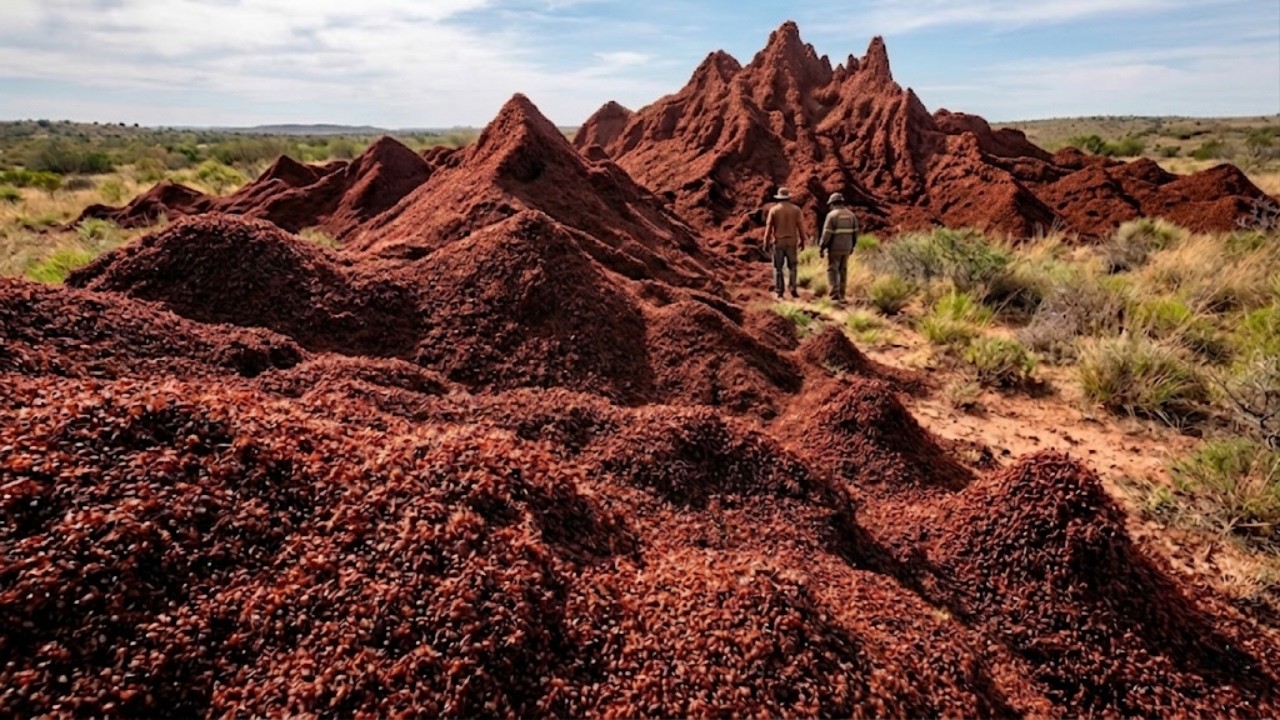
Texas fire ants are vanishing across the state, and scientists finally spotted what moved in to hunt them. For decades, the invasive pests dominated fields and backyards, resisting every control attempt.
A wildlife biologist running fire ant colony density surveys on the Edwards Plateau outside Kerrville noticed something unusual in her...
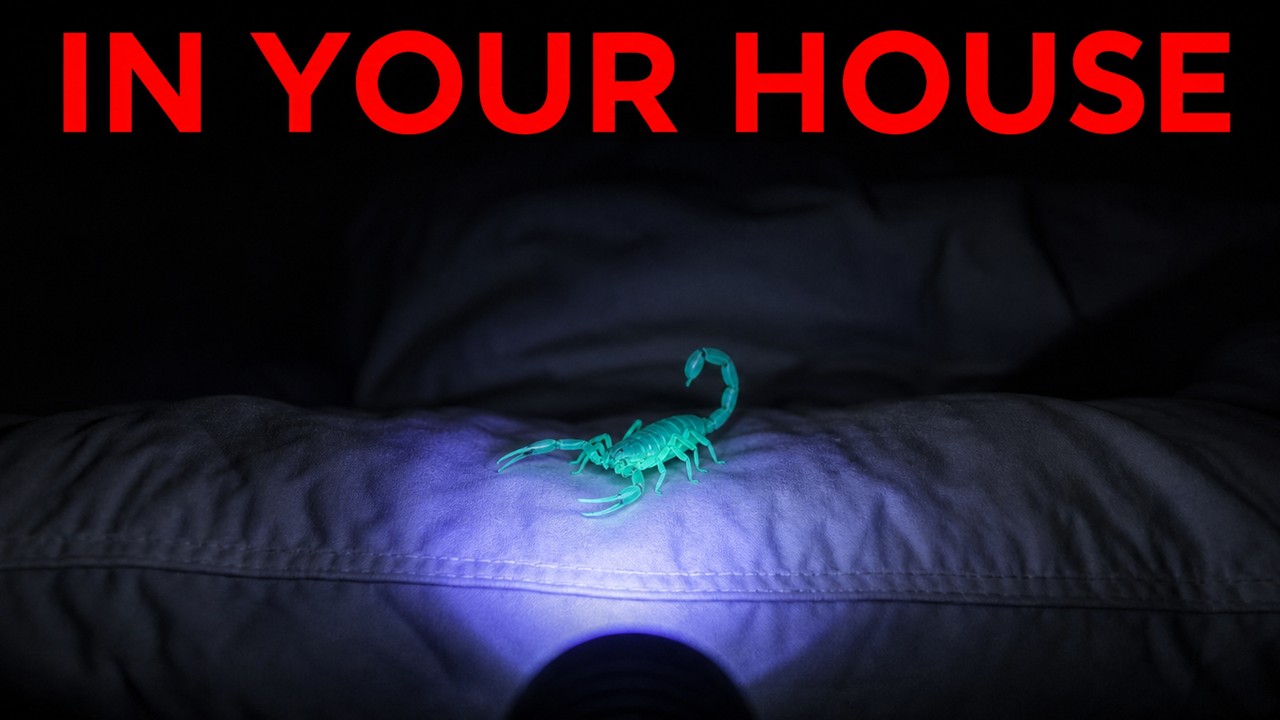
Arizona locals know the desert hides more than rattlesnakes, but even they fear the creatures lurking in plain sight. Experts warn the state’s most dangerous animals rarely announce themselves, striking without warning in backyards, trails, and even swimming pools.
In Arizona, discussions about dangerous wildlife usually focus on animals people can see and identify. Rattlesnakes, mountain lions, and other...

California had just 90 wild foxes left scattered across three islands, a species on the brink with no one expecting a comeback. For two decades, conservation teams quietly worked to protect them from predators and habitat loss.
In 1998, Tim Coonan, a wildlife biologist with the National Park Service, reviewed survey data on San Miguel Island showing...