Australia released thousands of quokkas into a burnt forest with zero life remaining. After devastating wildfires wiped out the habitat, conservationists hoped the small marsupials would help restore the ecosystem.
A lightning strike in Shannon National Park, in the far southwest corner of Australia, started a fire on January 28, 2015. The blaze burned for eleven days and destroyed 98,000 hectares of karri forest, reducing the landscape and the dense vegetation below it to bare soil.
The fire also destroyed an underground network of fungi that had threaded through the root systems of the trees. These fungi, which fruit entirely below the surface, are essential to the forest because the region’s soils are among the most nutrient-poor on the planet. Trees cannot extract the phosphorus they need from this soil on their own. The fungi attach to root tips and chemically extract the phosphorus, receiving carbon from the trees in return. The fire killed both sides of this relationship simultaneously.

These underground fungi cannot spread their spores through the air or by water. They rely entirely on animals that dig them up, eat them, and deposit the spores in their droppings elsewhere. After the fire, the only animals capable of spreading the fungi were trapped in small pockets of unburnt swamp, separated by up to 74 kilometers of open ground.
The animal needed to restart the forest was the quokka, a small marsupial weighing between 2.5 and 5 kilograms. Its digestive system breaks down fungal tissue while leaving spores intact. Before the fire, an estimated 594 quokkas lived within the burn zone. Afterward, surveys found that 77 percent of known subpopulations had been eliminated. The survivors remained close to their refuges; tracking data showed the average quokka venturing only about 12.5 meters past the edge of unburnt cover in the first year. The dense scrub that had previously sheltered them from foxes and feral cats was gone, leaving them exposed.
The intervention that changed this situation came from the air. Twin-engine aircraft dropped baits of dried meat laced with sodium fluoroacetate, also known as compound 1080, across the burn scar. The bait distributed at five baits per square kilometer, multiple times per year.
The approach exploits an evolutionary difference between native and invasive animals. Southwest Australia contains plants, known as poison peas, that naturally produce high concentrations of this toxin. Native mammals evolved alongside these plants and can process the compound without harm. A quokka can eat a bait and remain unharmed. Foxes and feral cats, which evolved elsewhere, cannot survive the dose. The program, called Western Shield, had been running across Western Australia since 1996 and covers nearly 4 million hectares of public land.
Once the baiting was intensified over the burn scar, fox detections on camera traps dropped. Quokkas became bolder over time. By the end of the first year, the farthest any individual ventured from cover was 186 meters. Sedges were beginning to return, and cameras recorded quokkas moving short distances into recovering areas and dropping spore-laden dung on the bare ground.
Field ecologist Carline Bain fitted GPS collars to 29 quokkas and found that mainland forest quokkas were capable of far greater movement than previously understood. They held home ranges averaging 71 hectares and could cover up to 10 kilometers in a single night. One female weighing roughly 2 kilograms moved 14 kilometers to establish a new site.
Between years two and five, the quokkas began making routine nightly trips kilometers into the burn zone. As sedge cover thickened, the animals gained structural shelter and moved with more confidence. The spores they deposited germinated in the ash, and fungal threads reconnected with the roots of karri and jarrah seedlings. The seedlings gained access to phosphorus they could not previously extract.
The vegetation recovered fastest in the areas around the refuges where surviving animals had been trapped. The recovery map resembled a movement map. By 2020, the quokka population in core monitoring zones had climbed to an estimated 272 animals, about 46 percent of the pre-fire baseline. Individual quokkas were tracked on migrations of up to 50 kilometers. The distance separating subpopulations fell from 74 kilometers to between 5 and 30 kilometers.
The cost of the chemical shield that enabled this recovery runs to about 37 cents per hectare per year. The system requires ongoing maintenance. The foxes have not gone extinct, and if baiting stops, the quokkas would likely retreat to their swamps and dispersal would stop. Researchers have stated that recovering zones should be shielded from prescribed burns and commercial logging for at least a decade.
The forest did not require replanting. It required the removal of the predators that were blocking the natural dispersal of the fungi through the quokka population. The recovery process is projected to restore the quokka population to approximately 600 individuals with full spatial continuity by around 2027 or 2028.
Recommended Stories
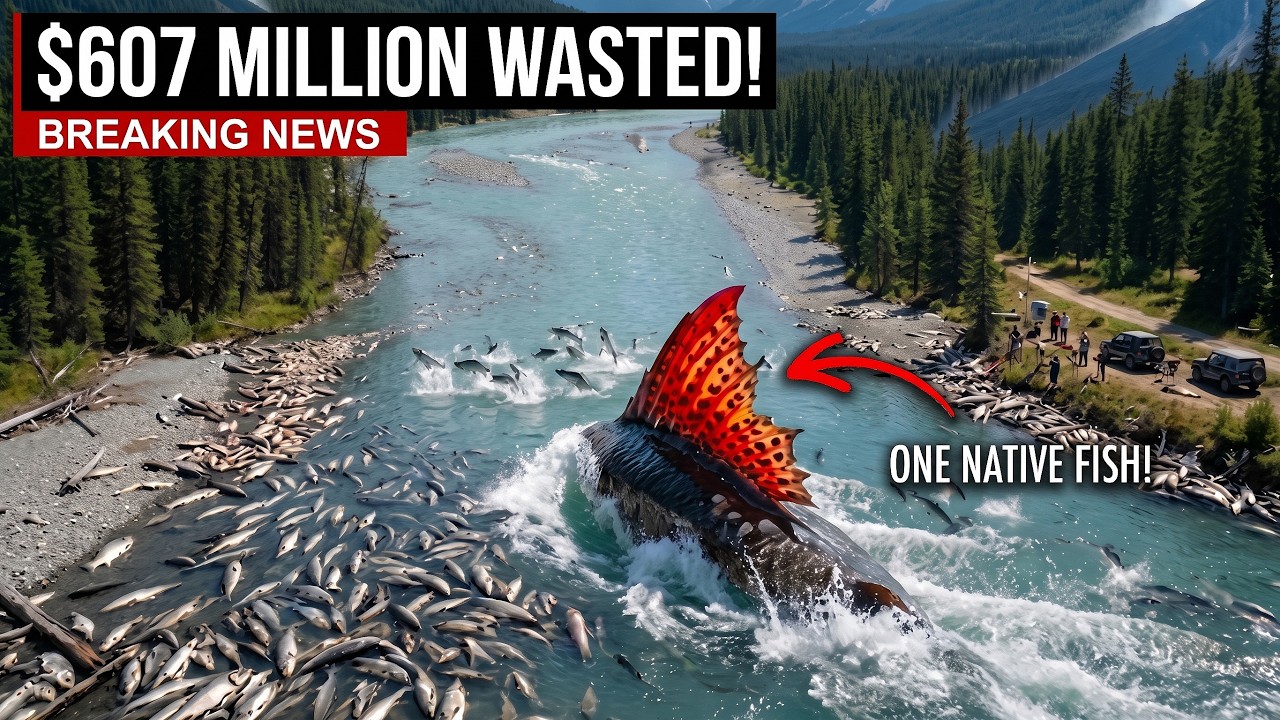
After $607 million and two decades of electric barriers and fishing incentives, Asian carp are still marching toward the Great Lakes, and the fight just hit an unexpected turning point. Native predators like largemouth bass and alligator gar have started eating the invasive fish, with four species putting real pressure on the invaders without any funding or oversight.
Since 2004, the United States has spent roughly $607 million trying to control Asian carp in its river systems. The...
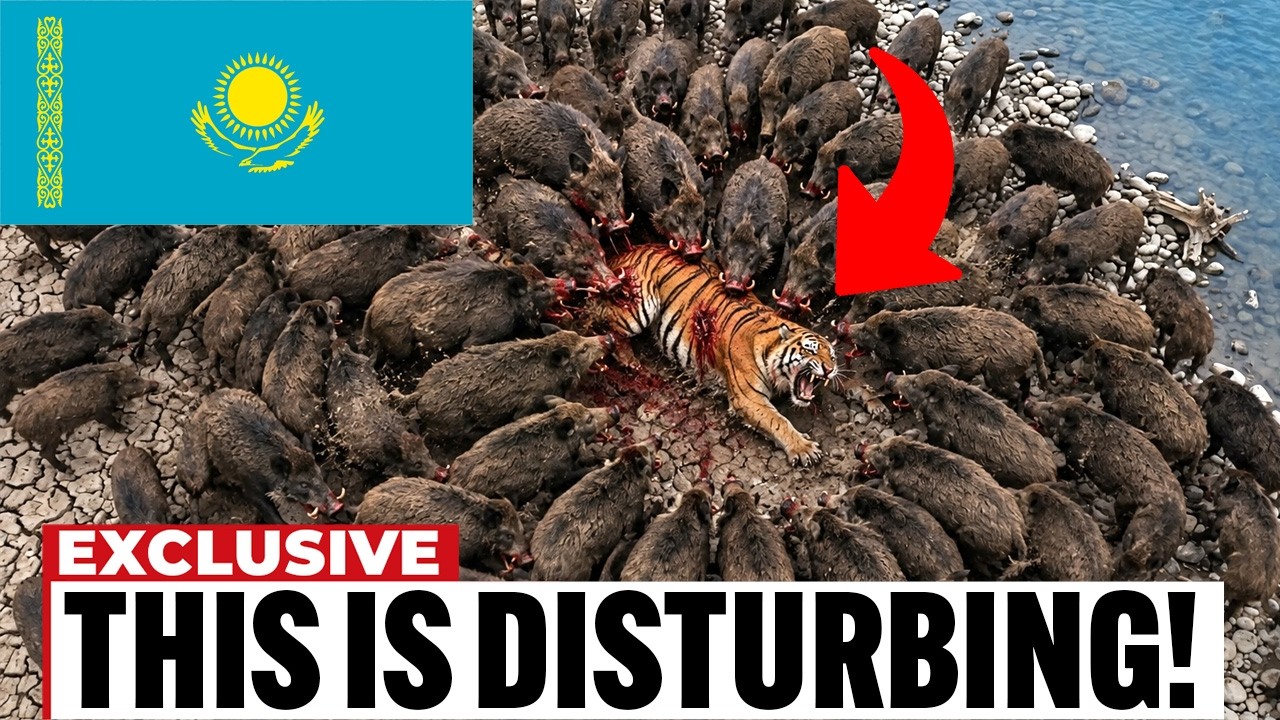
Kazakhstan’s tiger reintroduction is not the homecoming scientists expected. After 70 years of absence, they released big cats into the Caspian region, and the initial signs looked promising.
Kazakhstan released a tiger into the wild in late July 2026 as part of a long-running reintroduction project, marking the...
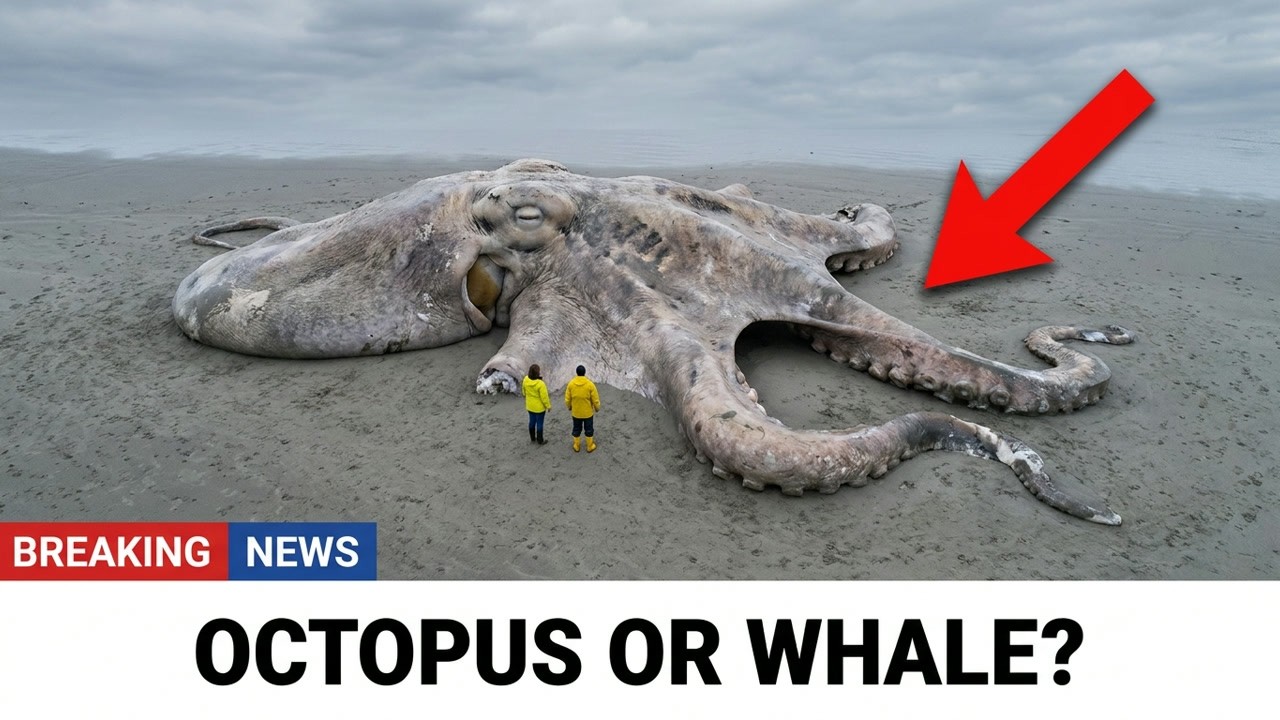
A giant sea monster washed ashore in 1896, sparking a scientific feud that lasted a full century. The remains were massive, with strange tentacle-like appendages, and it was found in St.
On November 30, 1896, two boys riding bicycles along the beach of Anastasia Island, near St. Augustine, Florida, found a...