Biologists hunting Alaska’s remote rivers for giant salmon stumbled onto something no one expected, a shadow moving beneath the water so massive it dwarfed the biggest fish they had ever recorded. Their equipment was meant for trophy-sized catches, yet this presence ignored every lure and bait they deployed.
Lake Iliamna in southwest Alaska is the state’s largest lake, roughly eighty miles long and twenty-five miles across at its widest point. It is remote, with no roads reaching its shore, and most of its expanse is rarely observed by people. The lake drains into Bristol Bay through the Kvichak River, which provides a direct connection to the Bering Sea. Every summer, millions of sockeye salmon travel up that river to spawn, and harbor seals have been documented far inland in the lake’s waters.
The lake’s depth exceeds one thousand feet in places, and its water carries heavy glacial silt, which sharply limits visibility below the surface. A strong temperature boundary known as a thermocline also interferes with sonar readings, making it difficult to detect what moves in the deeper water. These conditions have long supported a local belief that something large lives in the lake.

Indigenous peoples in the region have passed down warnings about the lake for generations. Among the Tlingit, stories describe a creature called Gag that could rise beneath a canoe and overturn it. The Aleut told of the Jig nook, described as hunters that moved in groups and struck from below. These accounts were passed on through oral tradition, ceremonial songs, and carvings that depicted long, finned forms distinct from the animals they routinely hunted and fished.
Russian fur traders arrived in the area in the 1700s seeking sea otter pelts. Their journals record boats being struck from below by something unseen, and several men were reported lost after entering the water. The traders initially dismissed the local warnings as superstition, but their written accounts eventually began to note incidents that matched the indigenous descriptions with some precision.
In the summer of 1942, a bush pilot named Babe Alsworth was flying over the lake with a wildlife agent, Bill Hammersley. Both men later reported seeing more than a dozen large shapes moving beneath the surface of the water, holding a formation and each roughly as long as the aircraft’s wingspan. Neither man was known for exaggeration, and their accounts were taken seriously. Oilman Tom Slick later funded expeditions to the lake, and reports from those years describe a steel hook that was recovered bent and mangled, though no large animal was ever caught.
Sightings have continued in the decades since. In 1988, seventeen people on a shoreline reported seeing something large in the water. Other witnesses have described boats rocking as dark masses passed underneath. Thermal cameras and water samples have produced findings that have not been matched to any known species, and drone footage from 2019 captured a large shape moving in the lake, though no clear identification was made.
Biologists have proposed the Pacific sleeper shark as a possible explanation. These sharks can reach twenty feet in length, live in cold, deep water, and are capable of traveling up rivers from the sea. The theory accounts for some reported details but does not explain witnesses’ descriptions of larger animals moving in coordinated groups.
Alaska’s warming climate is changing the lake’s conditions. Ice cover breaks up earlier, and shifting salmon runs may be drawing whatever lives in the lake into shallower, more visible areas. Whether Lake Iliamna contains an unidentified animal species, a shark larger than any documented, or something else entirely remains an open question.
Recommended Stories
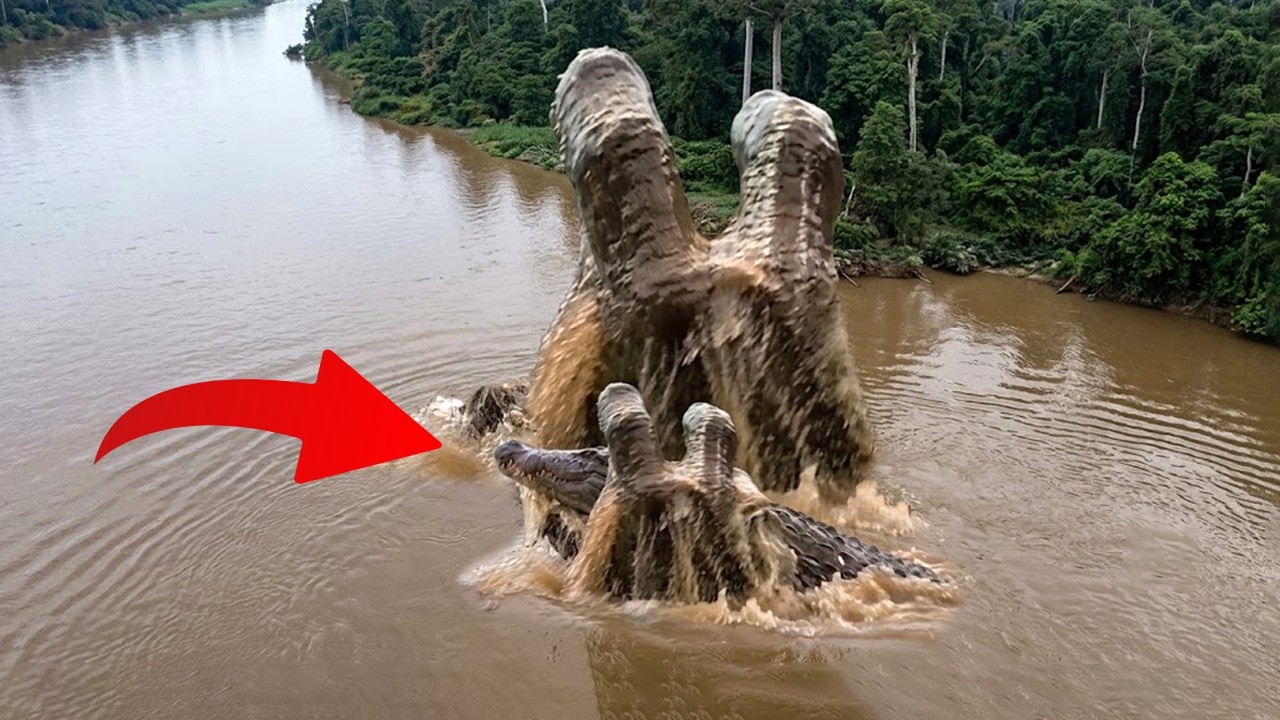
A massive creature just surfaced near fishermen, leaving them scrambling for cameras as it began hunting giant crocodiles. The footage captures the predator moving through the water with eerie precision, targeting apex reptiles that usually fear nothing.
A group of fishermen on a remote stretch of the Amazon River — appearing on the Rio Negro, near Manaus...

Cameras positioned across the Brazilian Pantanal have captured footage of jaguars reclaiming territory once abandoned by ranchers, and what the cameras revealed is reshaping conservation science. For decades, cattle farming pushed these apex predators to the edges of their habitat, but after land shifted hands, researchers watched the big cats roar back in unexpected numbers.
In November 2025, a camera network operated by the University of Arizona recorded a jaguar at a remote desert water...
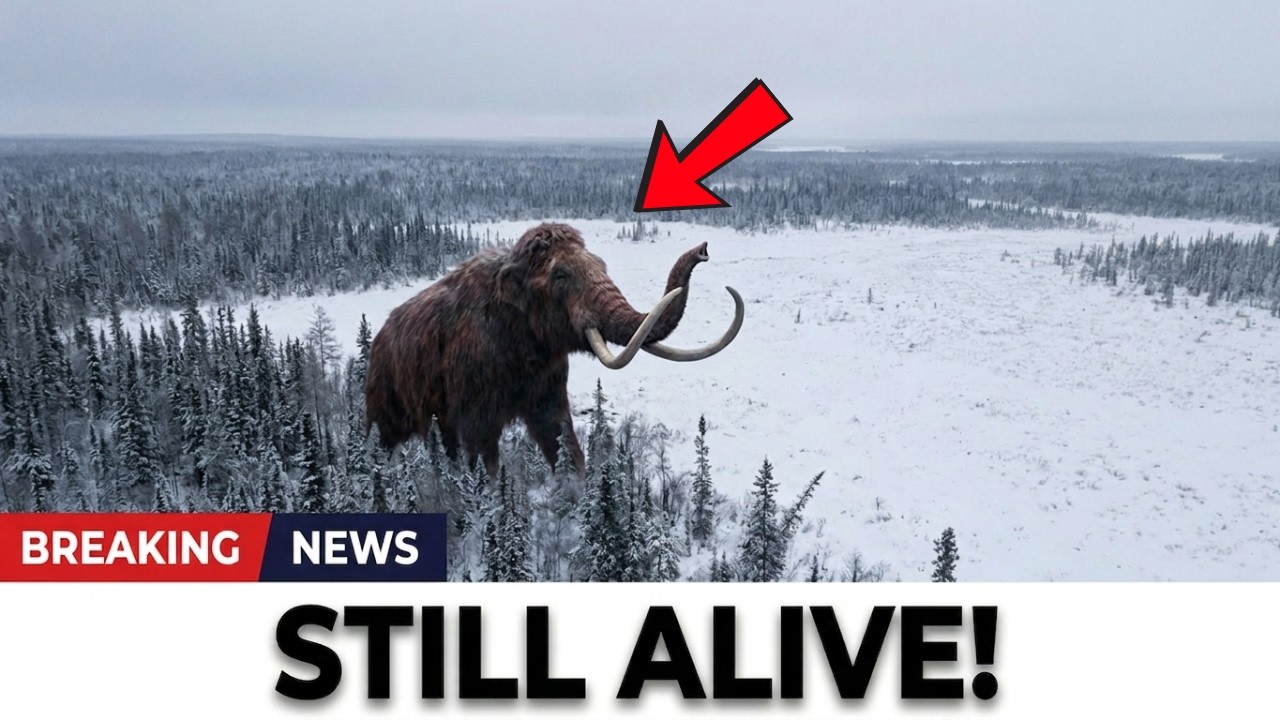
Deep in Siberia’s frozen wilderness, a fur trapper’s decades-old account still haunts scientists today. He described two massive, dark, hairy animals with inward-curving tusks standing in a river, pouring water over their backs before vanishing into the trees.
The far north of Siberia is a landscape of extremes. In summer, the tundra softens as the permafrost thaws, and...