Wildlife researchers in the Florida Everglades have documented a sharp decline in mammal populations over the past two decades, and they attribute much of the damage to Burmese pythons, an invasive
Wildlife researchers in the Florida Everglades have documented a sharp decline in mammal populations over the past two decades, and they attribute much of the damage to Burmese pythons, an invasive species that has adapted well to the region. The snakes were introduced to the area primarily through the exotic pet trade, with many owners releasing unwanted animals into the wild beginning in the 1990s. The python population is now estimated in the hundreds of thousands.
Trail cameras set up across the southern Everglades have recorded a substantial reduction in native wildlife. Raccoon numbers in core python areas have fallen by more than 99 percent, opossums by nearly 99 percent, and marsh rabbits have disappeared entirely from many locations. Bobcats have declined by roughly 87 percent. Researchers describe the pattern as an ecosystem under severe stress rather than a natural predator-prey cycle.
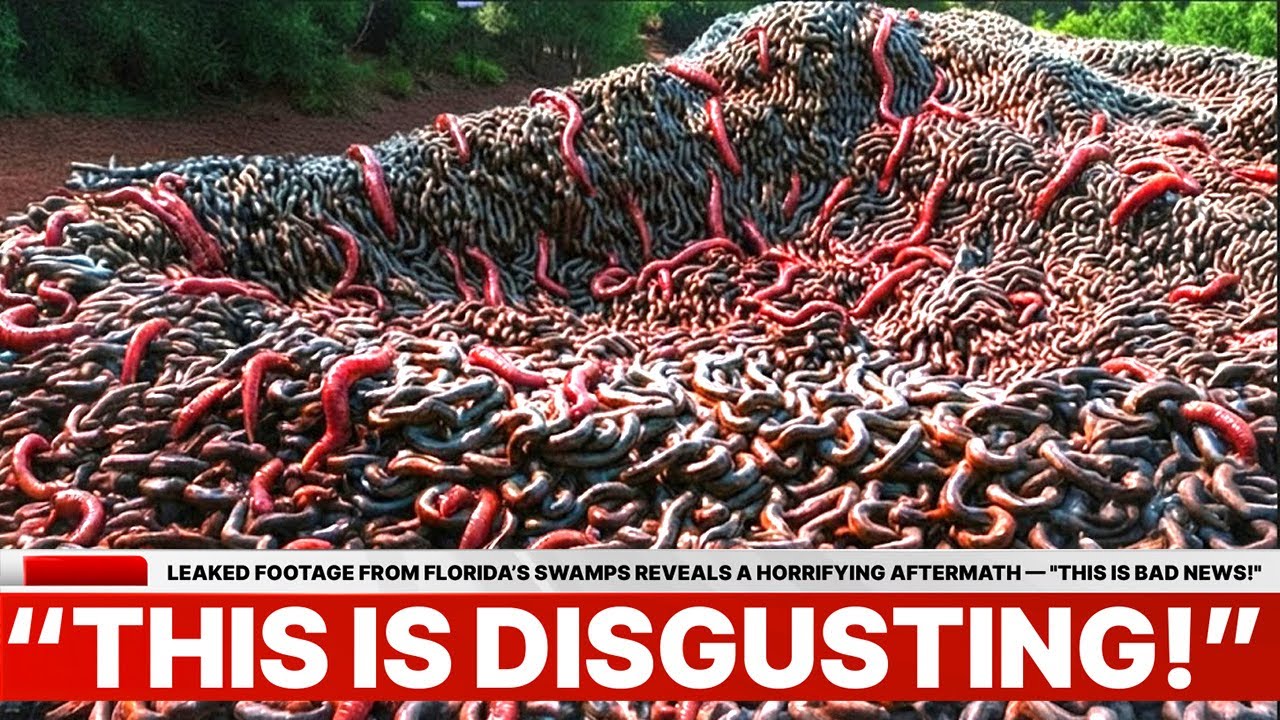
Burmese pythons are large constrictors that consume significant amounts of prey. A large female can eat her body weight in food each month. But the speed and scale of the decline suggested that predation alone did not fully explain the losses. Observations from buffer areas, where pythons are established but not yet dominant, indicated that surviving prey species had altered their behavior. Raccoons stayed hidden for extended periods, rabbits stopped breeding, and some animals avoided foraging altogether. The presence of pythons created enough fear to disrupt normal feeding and reproduction patterns.
In recent years, researchers also discovered that pythons carry a parasite that affects native snakes. The Asian snake lungworm, a species that evolved alongside Burmese pythons in Southeast Asia, causes little harm to the pythons themselves. But Florida’s native snakes have no resistance to it. Infected animals develop severe lung damage and eventually die. The parasite spreads through the food chain, passing from python waste to insects, then to frogs, and then to snakes that consume them. It has now been documented in native snake species across Florida, including areas far north of the python range.
The lungworm no longer depends on pythons to spread. It cycles through native wildlife on its own, and removing pythons from the Everglades would not eliminate it. Scientists have expressed concern that several native snake species could face long-term population decline because of the parasite.
Efforts to control the python population have included paid hunting programs, tracking studies using implanted male pythons, and nest destruction. These measures have slowed the spread in some areas but have not reversed it. Cold winters restrict python expansion into northern Florida, but the parasite has already moved beyond the python’s range.
There have been some signs of natural resistance. Trail cameras have recorded bobcats preying on juvenile pythons, including destroying nests and eating eggs. American alligators have also been observed taking young pythons near waterways. Researchers view these behaviors as evidence that some native species are adapting to the presence of the snakes.
Another development involves the Eastern indigo snake, the longest native snake in North America. This species had disappeared from northern Florida due to habitat loss and road mortality. A breeding program run by zoos and wildlife agencies has released captive-raised indigo snakes into protected areas. Recent camera footage confirmed that these snakes are breeding in the wild. Indigo snakes feed on other snakes, including young pythons, which could make them useful in limiting python expansion along the northern front.
The situation in the Everglades remains uncertain. The python population continues to grow, the lungworm continues to spread, and native species continue to decline in affected areas. At the same time, some predators are learning to hunt the invaders, and reintroduced species are establishing themselves. Researchers who have studied the data describe the outcome as unresolved. The ecosystem is under sustained pressure, but it has not stopped responding to the threat.
Recommended Stories
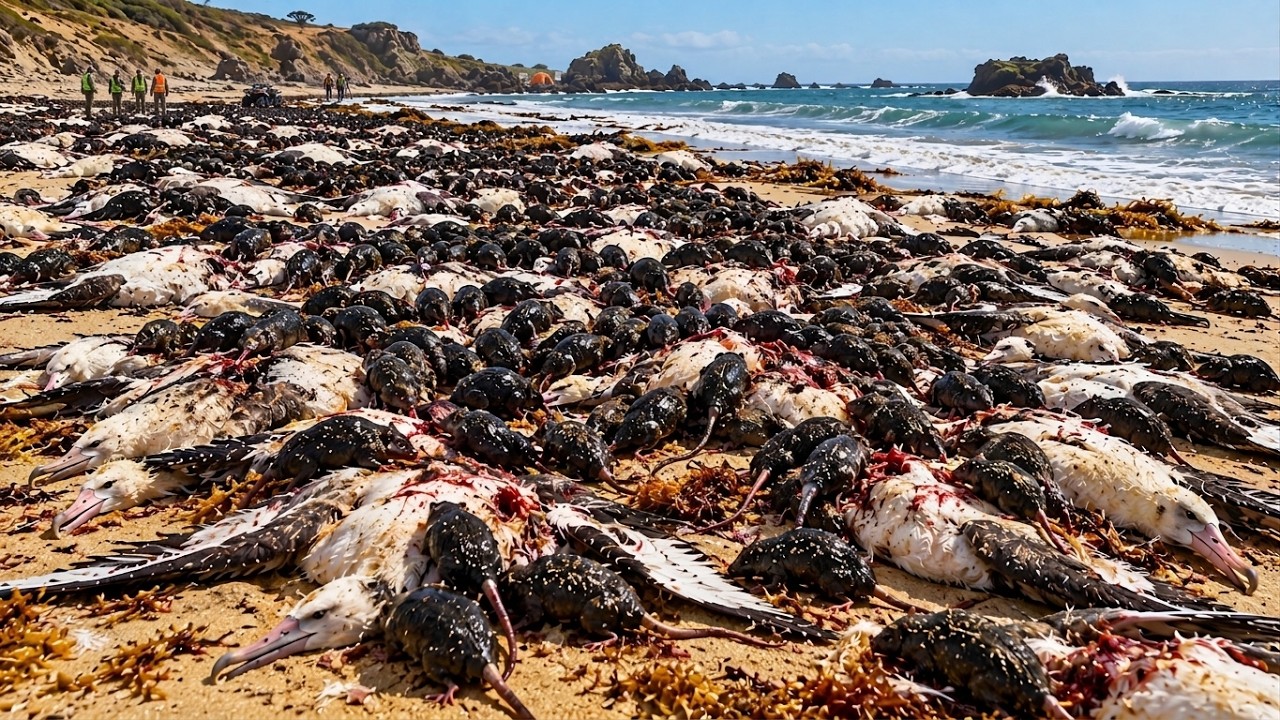
On a remote island, mice stopped eating seeds and began attacking albatross chicks, gnawing at the living birds until they bled out, decimating the colony. Researchers realized these tiny predators had developed a deadly taste for the massive seabirds, preying on them around the clock.
On a remote island in the South Atlantic, an invasive population of house mice has been causing severe harm to...

Deep in the Amazon, rangers stumbled upon a giant caiman—and this encounter completely defied expectations. The team initially spotted something massive lurking beneath dark river waters, prompting cautious investigation.
A series of wildlife videos and reports out of Florida and Brazil has drawn attention in recent months, with several...

Italy just released a staggering 150,000 predators into the Mediterranean, and the sheer scale of that single decision is already sending shockwaves through the region’s delicate marine ecosystem. The massive release, intended to tackle a growing environmental crisis, was meant to restore a natural balance.
Italy has taken an unusual step in its fight against an invasive species: it is releasing roughly 150,000 laboratory-raised octopuses...