A Virginia insurance salesman launched a hunting group in 1973 with just $10,000 to rescue wild turkeys, whose numbers had collapsed to 1.3 million across the South. His solution wasn’t breeding birds—it was chainsaws and fire.
In 1973, an insurance salesman in Virginia started a hunting organization with $10,000 of his own savings and a box of membership cards. Tom Rogers was concerned about the declining wild turkey population, which had fallen to roughly 1.3 million across the American South. He chartered the National Wild Turkey Federation with a specific goal: to increase the number of turkeys in the woods for hunting.
The organization’s focus was practical. To survive their first month, turkey chicks need large quantities of insects, which they can only find on forest floors that receive direct sunlight and have low vegetation for cover. By the 1970s, most southern forests lacked this structure. Decades of fire suppression had allowed dense hardwood growth to block sunlight from reaching the ground, reducing the insect populations that young turkeys depend on.

The NWTF’s solution involved two main activities. First, crews used heavy equipment and chainsaws to remove the dense understory of hardwoods that had grown in the absence of natural fires. Second, land managers reintroduced low-intensity surface fires on a regular rotation. These burns cleared dead leaves, exposed soil, and triggered the growth of native grasses and wildflowers. The resulting open, sunlit ground cover attracted insects, providing the habitat needed for turkey chicks to feed and hide.
The effort expanded over the decades. The NWTF planted over 2.6 million nut- and fruit-bearing trees across the country and spent an estimated $500 million on habitat work covering more than 22 million acres. The wild turkey population responded, growing from 1.3 million in the early 1970s to over 6 million by the 2020s.
Alongside this increase in turkeys, biologists observed an unexpected development. The red-cockaded woodpecker, an endangered species that had been declining for decades, began appearing in the newly managed pine forests. The bird nests exclusively in living pine trees and relies on a resin barrier to protect its cavities from snakes. That defense only works when the pine stands relatively clear of neighboring hardwoods that snakes could use to bypass the barrier. The open, regularly burned forest structure created for turkeys also provided the conditions the woodpeckers needed.
The red-cockaded woodpecker population had dropped to about 1,500 active clusters by the late 1970s. By the early 2020s, that number had risen to approximately 7,800 clusters across 11 states. In October 2024, the U.S. Fish and Wildlife Service reclassified the species from endangered to threatened, citing decades of habitat management, including mechanical thinning and prescribed burning, as the main reason for the recovery.
The restoration of the open pine savanna also benefited other species. The gopher tortoise, which digs deep burrows used by hundreds of other animals, has returned to areas where the canopy has been opened and the ground receives more sunlight.
The longleaf pine ecosystem, which had declined from 90 million acres to less than 3 million, has begun to expand again, with nearly 5 million acres now under restoration. In some regions, the removal of dense trees has also increased water flow in local river basins.
The recovery is not permanent. The open forest structure requires ongoing maintenance. If prescribed burning stops, the hardwoods return and the habitat conditions reverse. Hurricane Michael, which hit the Florida Panhandle in 2018, destroyed mature pines and some woodpecker colonies. Biologists installed artificial nesting cavities to help the surviving birds recover.
The federal government has also adjusted its approach to encourage private landowners to participate. Safe Harbor agreements allow landowners who manage their land with thinning and burning to avoid new restrictions if protected species move in, changing the incentive from avoiding the birds to supporting their habitat. The continued funding for this work still largely comes from the same source as in 1973: hunters who pay to maintain the conditions that support wild turkeys.
Recommended Stories
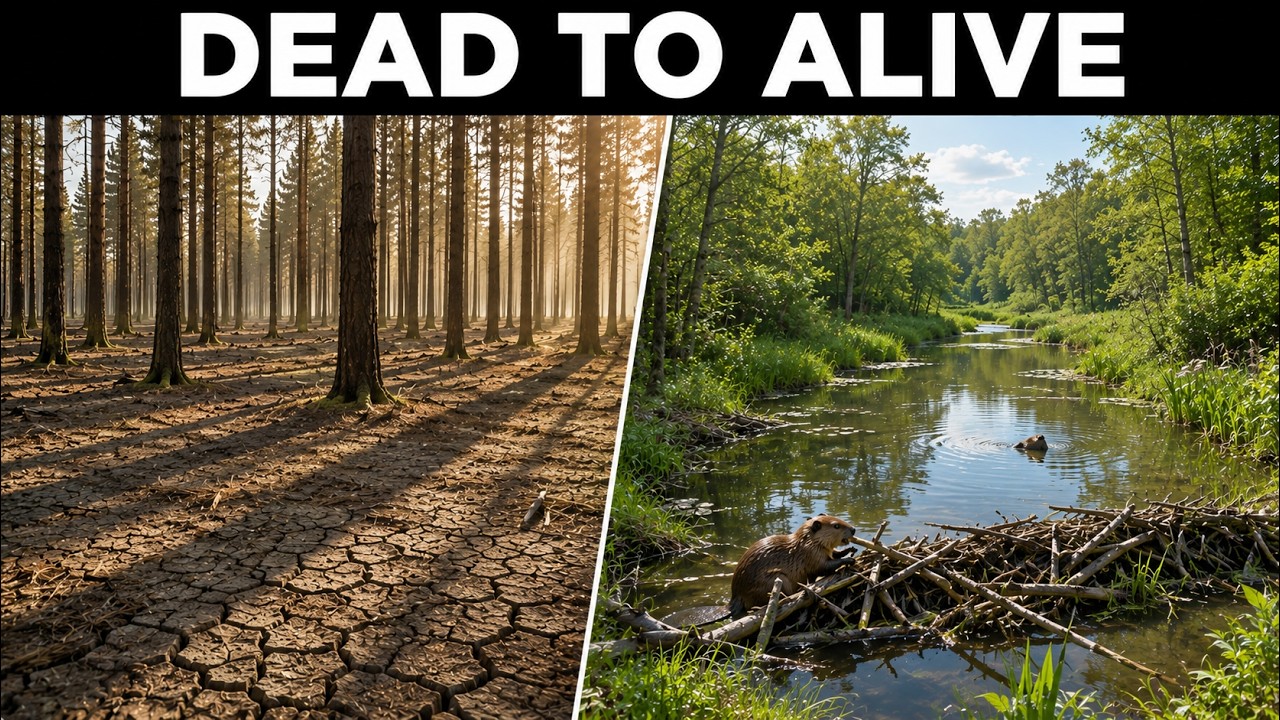
Five years ago, England released just two beavers into a flooded forest to manage the landscape. Now, scientists have returned and discovered something extraordinary—a thriving ecosystem they never expected.
In April 2019, two Eurasian beavers from Scotland were placed in a fenced enclosure in Cropton Forest, North Yorkshire. The...
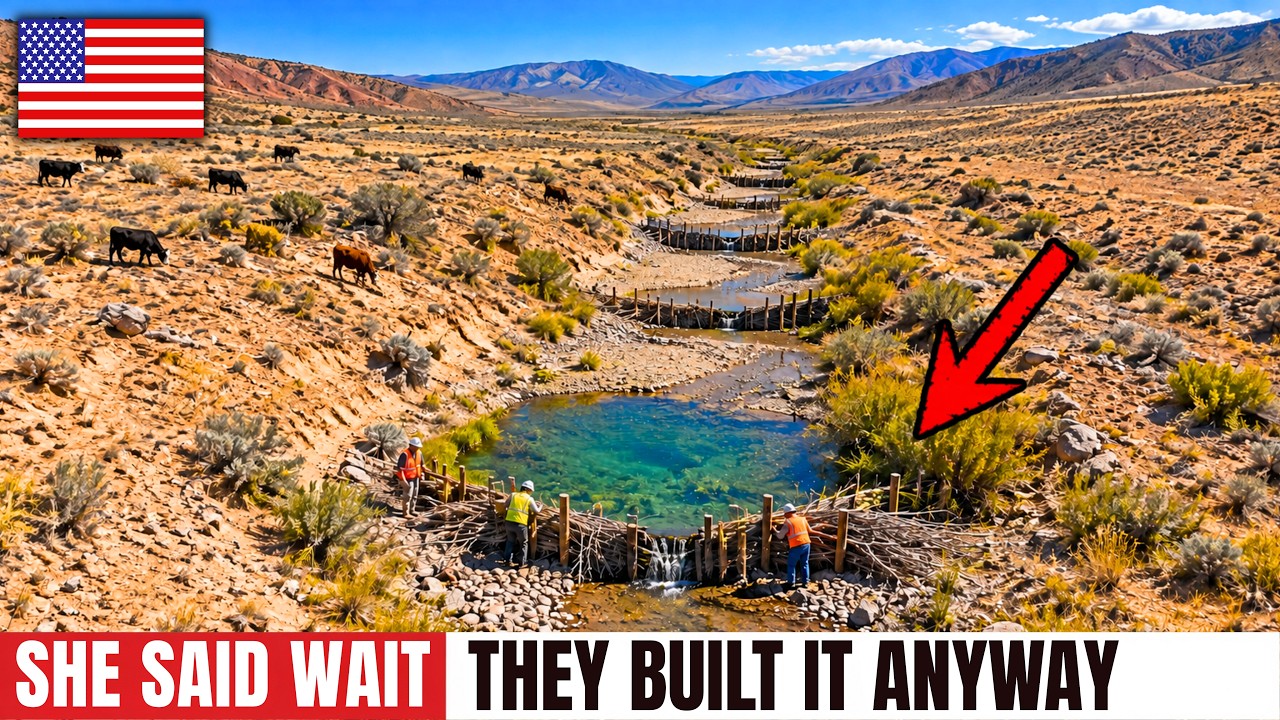
The biologist Carol Evans spent ten years restoring Nevada’s ruined streams—then warned that a faster fix would fail. Engineers built beaver-dam analogs anyway, and early results seemed miraculous: one Idaho creek that dried every summer now flows year-round.
In 1988, a fisheries biologist named Carol Evans took a job with the Bureau of Land Management in Elko, a...
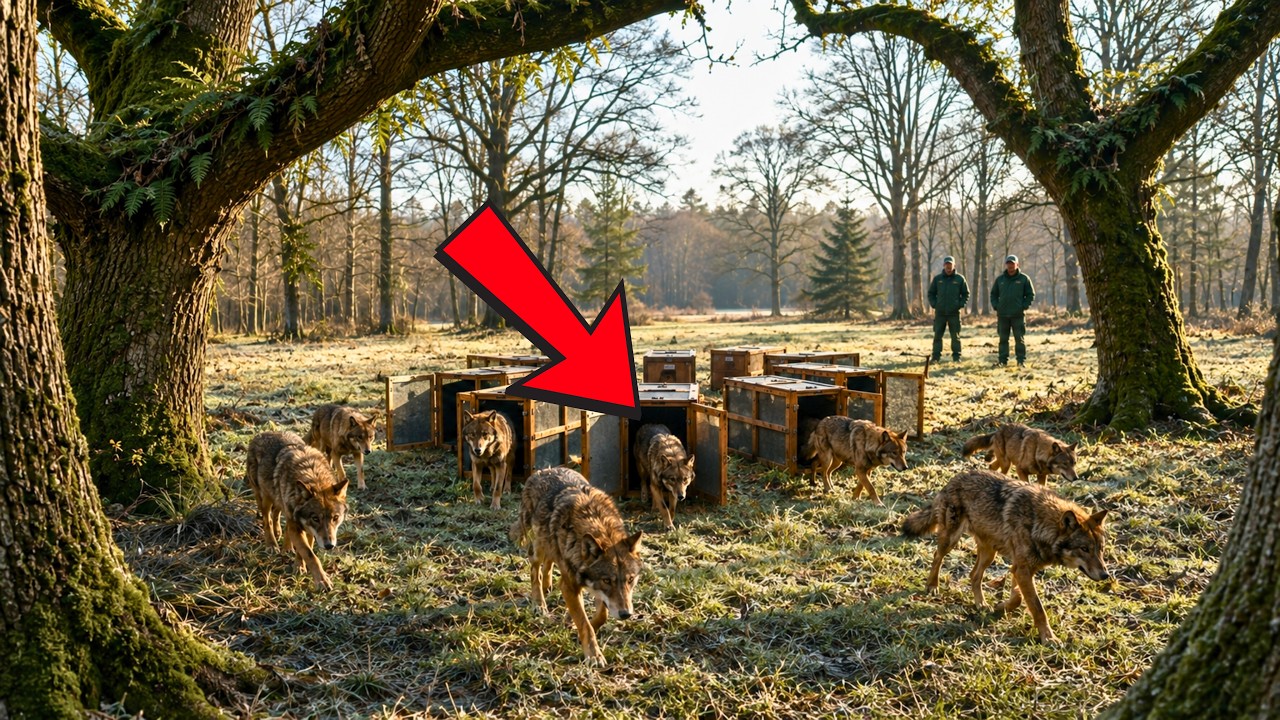
In 1987, eight red wolves were released into North Carolina forests, the first attempt to return an extinct-in-the-wild predator to its habitat. The species had been reduced to just 14 captive breeders, saved after government bounty hunting wiped out nearly all wild populations.
In 1987, the U.S. Fish and Wildlife Service carried out an unprecedented action: it released eight red wolves into the...