In June 2011, a wildfire scorched 156,000 acres of New Mexico canyon, then erosion nearly destroyed what the flames left behind. Park managers watched the streambed carve down to bedrock, floods accelerating until someone proposed a radical fix: bring back the beavers.
In June 2011, a falling tree knocked out a power line southwest of Santa Fe, New Mexico, sparking the Las Conchas fire. Over the next fourteen hours, the blaze grew into the largest wildfire in state history at that time, burning more than 156,000 acres. In Bandelier National Monument, an area of ancient ruins and petroglyph-lined canyons, roughly 62 percent of the park was lost.
The fire, however, was only the beginning of the damage. With the forest gone, the soil lost its ability to absorb water. When heavy rain arrived in 2013, the resulting flood was the largest ever recorded in the canyon. Water carved the streambed down to bedrock, the water table dropped, wetland plants died, and streams ran faster and warmer. The canyon that had taken centuries to form was eroding away.
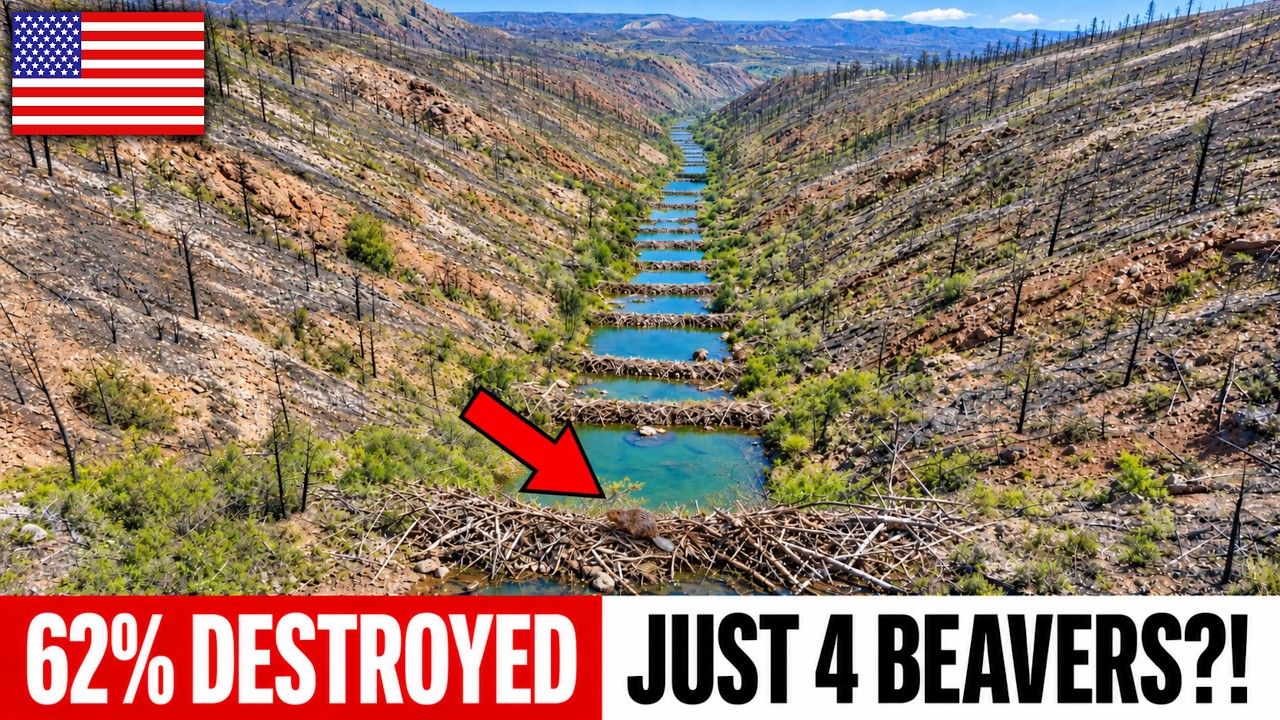
Park managers first tried standard restoration methods, including planting native vegetation and installing erosion barriers. The damage was too extensive for those approaches to work. The problem was not at the surface level; it was a failure of the entire system.
Then someone asked a different question: what would happen if they brought back the animals that had always lived there?
Beavers were not new to Frijoles Canyon. A park technician documented their dams there as early as 1938. But the fur trade had nearly wiped them out across North America, and they had disappeared from Bandelier by the 1960s. The proposal was not to introduce an unfamiliar species but to restore a native one.
Beaver dams do more than hold water back. They spread water across the floodplain, deposit sediment, raise the streambed, and recharge groundwater. They turn a fast-moving channel into a series of ponds, replacing erosion with accumulation.
Scientific evidence supports the value of beavers in fire-prone landscapes. A 2020 study published in Ecological Applications examined five western wildfires using satellite vegetation data. It found that riparian areas with beavers experienced about three times less vegetation loss during fires than areas without them.
In Bandelier, the effort to bring beavers back began in 2019. The animals came from private land near Taos, where they had been flooding farmland. Instead of being killed, they were handed over to the park. Since then, 27 beavers have been released into Frijoles Canyon.
The terrain made the work physically demanding. There are no roads into the canyon, and the route includes waterfalls and steep, uneven ground. Staff members carried the beavers in cages strapped to backpack frames, covering them with white blankets to reduce stress. A full-grown beaver can weigh up to 65 pounds, and the total load, including the cage, was heavier. Teams took turns carrying the animals, using walking sticks for balance on the rough trail. One passerby once asked a ranger whether she was carrying a bear.
Not all the released beavers survived. Predators, including mountain lions, killed some within the first weeks. Others simply vanished. Low survival rates are common in beaver relocation efforts, with some state data showing survival dropping to about 43 percent after one year. Park staff knew this and continued anyway. The goal was not to keep every animal alive but to get enough beavers to settle, pair up, and build dams.
Before each release, staff built temporary structures designed to mimic beaver dams, weaving willow branches through wooden posts to create ponds where vegetation could grow. The strategy was to prepare the habitat first, then bring in the animals.
Progress was gradual, but it came. A family of four beavers is now active in the canyon, and they have built more than ten dams. Camera traps document mountain lions, bears, coyotes, bobcats, and birds such as kingfishers using the ponds. Some species recorded at the water had not been seen in the canyon for decades.
The park has also reintroduced native fish. Rio Grande cutthroat trout were released in 2018, and native chub and sucker species followed in 2022. The beaver ponds created the aquatic habitat those fish need, although recovery has been uneven. In 2023, the park temporarily closed fishing because the water remained too warm and lacked enough invertebrate prey.
On September 5, 2024, a flood hit Frijoles Canyon, described by park officials as the worst since the 2011 fire. Footage showed that the beaver dams slowed the water before it reached the visitor center. The dams did not stop the flood entirely, but they absorbed enough of its force to reduce damage. That night, as water receded, cameras recorded the beavers repairing their dams in the dark.
The canyon has not fully recovered. Water temperatures remain high in some areas, and the trout population is still struggling. Staff plan to plant more trees to shade the water and are considering introducing beavers to neighboring Capulin Canyon as well.
But the valley today looks different than it did a decade ago. Ponds, shade, and moisture have returned to a landscape that was bare rock. The presence of a few beavers proved to be the difference between a system that absorbs disturbance and one that collapses under it. The animals did not need to be managed or directed. Given the chance, they did what they had always done.
Recommended Stories
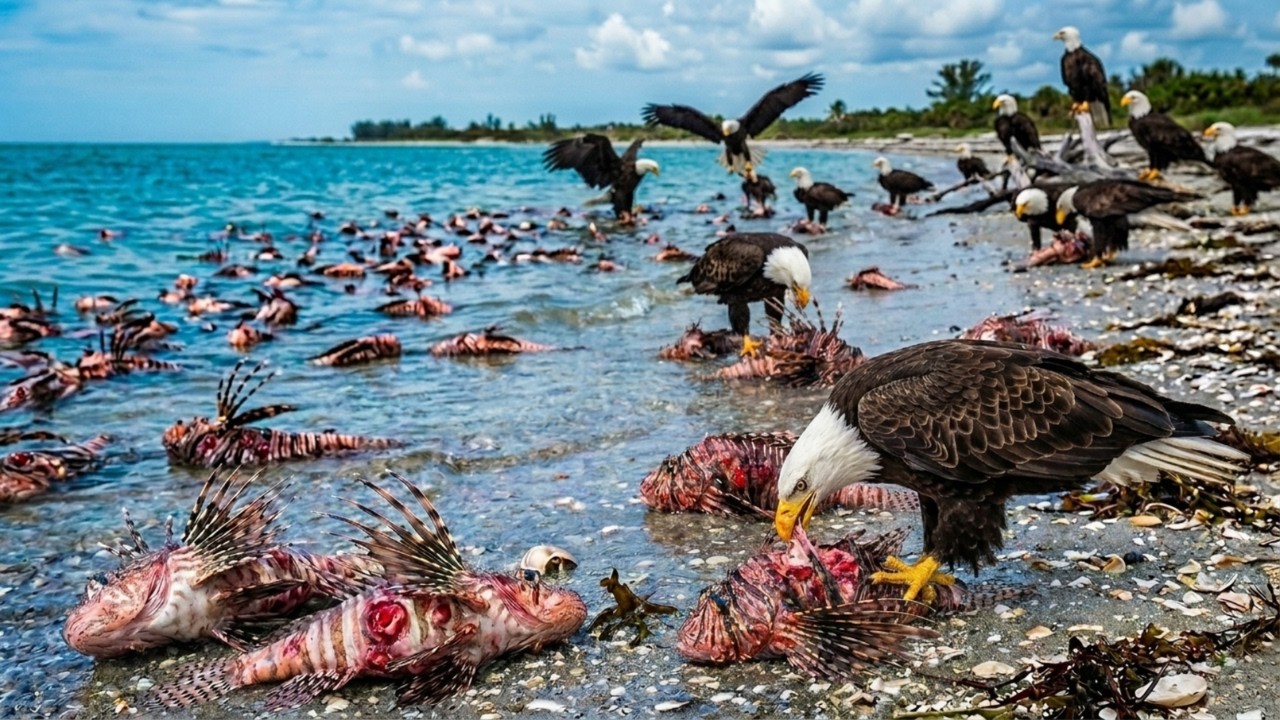
Scientists are baffled as lionfish, the invasive predator that devastated Florida’s reefs, are suddenly dying en masse. These venomous fish had no natural enemies in the Atlantic, allowing them to devour native species unchecked for decades.
Marcus Reeves has run fishing charters in Key West for 19 years. His knowledge of the reef waters comes from...

Ted Turner reintroduced a tortoise extinct in America for 10,000 years, and now the species faces survival without its founder. The billionaire turned conservationist launched a bold rewilding project, breeding giant tortoises on his private land to restore a lost ecosystem.
On the evening of September 22, 2023, biologists placed 20 tortoises in a large desert enclosure at Ted Turner's Armendaris...
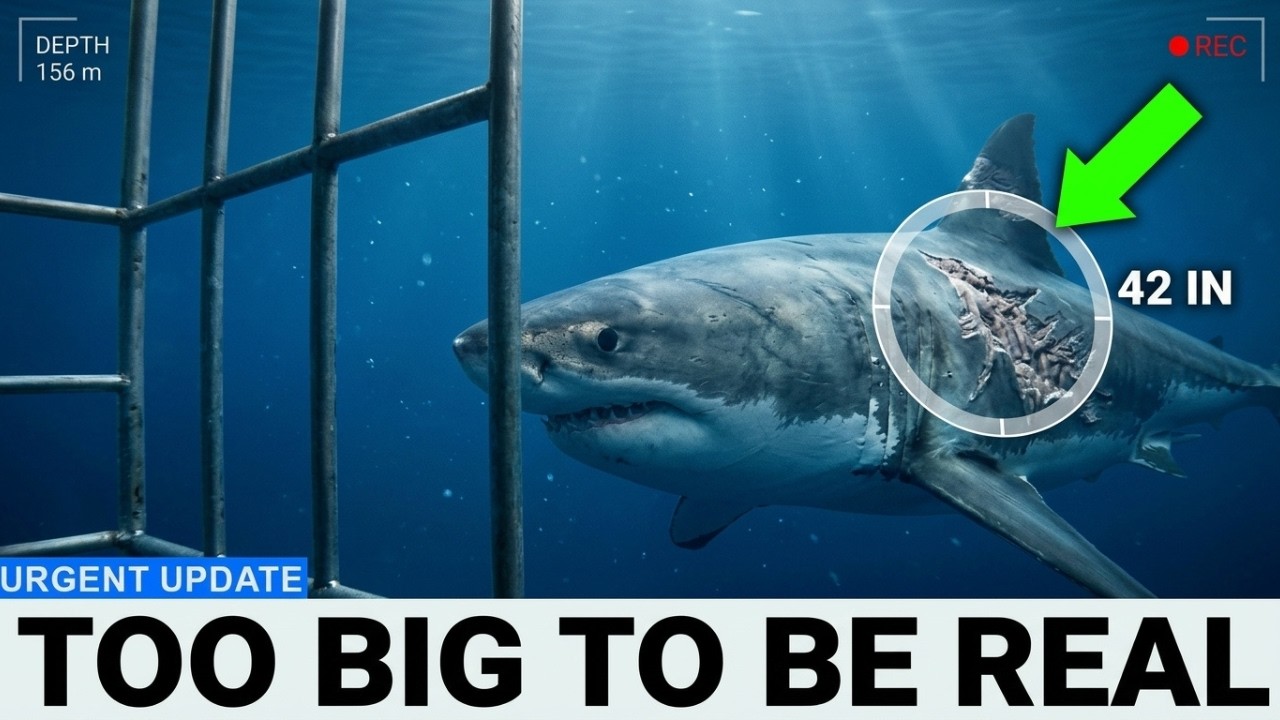
A great white shark was found torn apart, and its bite marks pointed to something far larger lurking beneath. The massive predator, already an apex of the ocean, had been ripped open in a way experts couldn’t immediately explain.
Scientists studying great white sharks off Guadalupe Island, approximately 150 miles from the coast of Baja California, Mexico, documented an...