In 2009, researchers planted 76 fake beaver dams in Oregon’s dying Bridge Creek, hoping the struggling locals would take over. For a century, the river had been destroying itself, stripped of beavers by fur trapping and left a deep, narrow trench by cattle grazing.
In 2009, a team of researchers installed 76 simple structures made of wooden posts and woven willow branches across a 3.5-kilometer stretch of Bridge Creek, a tributary of the John Day River in eastern Oregon. The goal was not to restore the river directly, but to give the small, struggling population of beavers already living there a foundation strong enough to survive the annual spring floods that had been destroying their own dams for years.
Bridge Creek had been in decline for over a century. Fur trapping removed most of the beavers in the 1800s, and cattle grazing stripped the woody vegetation that held the banks together. Without dams to slow the water and roots to anchor the soil, the river carved itself into a deep, narrow trench. Water trapped in this channel moved faster, which caused it to cut deeper, which in turn made the trench narrower and the current faster still. By 2005, the water table had dropped so far that the willows and cottonwoods along the banks were dying, and summer water temperatures approached the limits of what the threatened steelhead population could tolerate.

A few beaver colonies had persisted in the watershed since the 1990s, building an average of 40 dams each year. But with mature trees gone from the surrounding land, they were forced to build with thin willow shoots, and 89% of their dams failed within five years. Most did not survive a single spring. The beavers were behaving normally, but the river’s altered physical conditions meant their engineering output was no longer sufficient to withstand the concentrated force of the floods.
The intervention was designed by a team including Nick Bowles, Nick Weber, Michael Pollock of NOAA, and Joseph Wheaton of Utah State. Rather than introducing new animals, they aimed to change the river’s physics just enough to allow the existing beavers to succeed. The starter structures were semi-porous frames designed to let water leak through at low flows and overtop them during floods. This allowed them to absorb the energy of high water rather than resist it like a rigid barrier.
Within months, beavers began occupying roughly a quarter of the structures and weaving their own material into the frames. When the first spring flood arrived in 2010, the starter dams held. The floodwater dropped its sediment load behind them, the stream bed rose, and groundwater monitoring wells showed the water table climbing one to three feet in the treated reaches. For the first time in decades, water reached the root zones of the plants on the terraces above, and the willows began to sprout new shoots.
The research team continued installing structures through 2012, bringing the total to 121. By 2013, survey crews counted 236 dams in the watershed. Of those, 115 were built entirely by beavers, in locations where no human-built structures existed. The expanding population had moved into upstream tributaries and side channels, and their dams were surviving because the upstream complexes had dissipated enough flood energy to protect everything downstream.
The changes to the creek were substantial. The total wetted surface area increased by up to 203% as water spread across the historic floodplain, and satellite analysis showed a 20% increase in vegetation density along the treated banks. One result ran counter to standard predictions: daily maximum summer water temperatures in the beaver-dammed reaches dropped by up to 2.5°C. The pressure of pooled water behind the dams forced warm surface water downward through the gravel, where it cooled and later seeped back into the stream as cold springs. The system was functioning as natural climate adaptation infrastructure, buffering the river against warming that is expected to intensify across the interior west.
Concerns that the dams might block migrating steelhead did not materialize. Passage rates for tagged spawners remained effectively unchanged at just over 93%. Juvenile survival rates increased by 52%, and fish density and biomass increased by 168% and 175% respectively in the beaver-engineered sections compared to untreated control reaches. This was the largest documented improvement in threatened steelhead productivity from any habitat restoration project in the Columbia River Basin.
The original 76 starter dams have since rotted away, which was the plan. The beavers replaced them years ago and continue to maintain and expand the system at no ongoing construction cost. The total price of the human intervention was $374,000, a fraction of the estimated $3.4 million to $34 million a conventional restoration of the same stretch would have cost. The approach has since been adopted in Colorado, Utah, Idaho, Nevada, and California, and federal agencies have streamlined permitting to scale it further.
The Bridge Creek project demonstrated that a system locked in a destructive loop can be broken with a relatively simple and inexpensive intervention, provided the species capable of maintaining the system is already present and ready to take over.
Recommended Stories
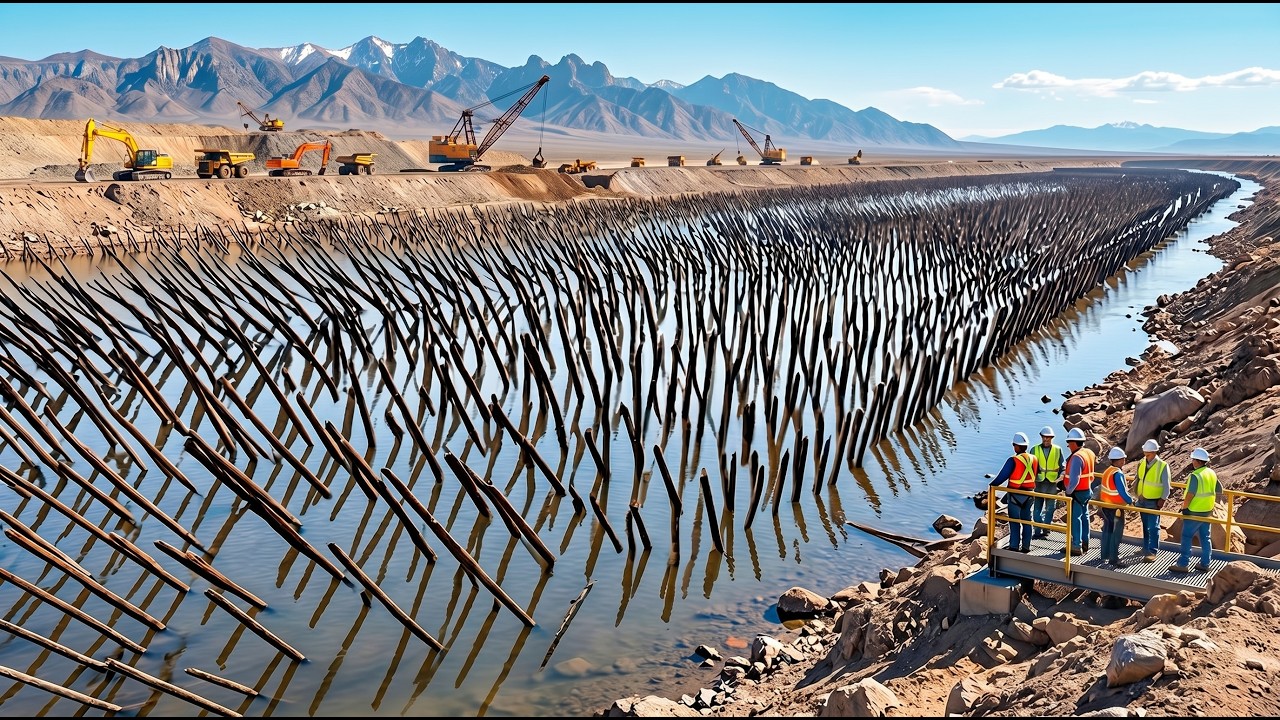
The moment 76 fake beaver dams were placed into a dying river, the ecosystem didn’t just recover—it exploded. Conservationists built the artificial structures to mimic real beaver activity, hoping to slow water loss and restore the parched landscape.
In 2009, Bridge Creek, a tributary of the John Day River in eastern Oregon, was in severe decline. The stream...
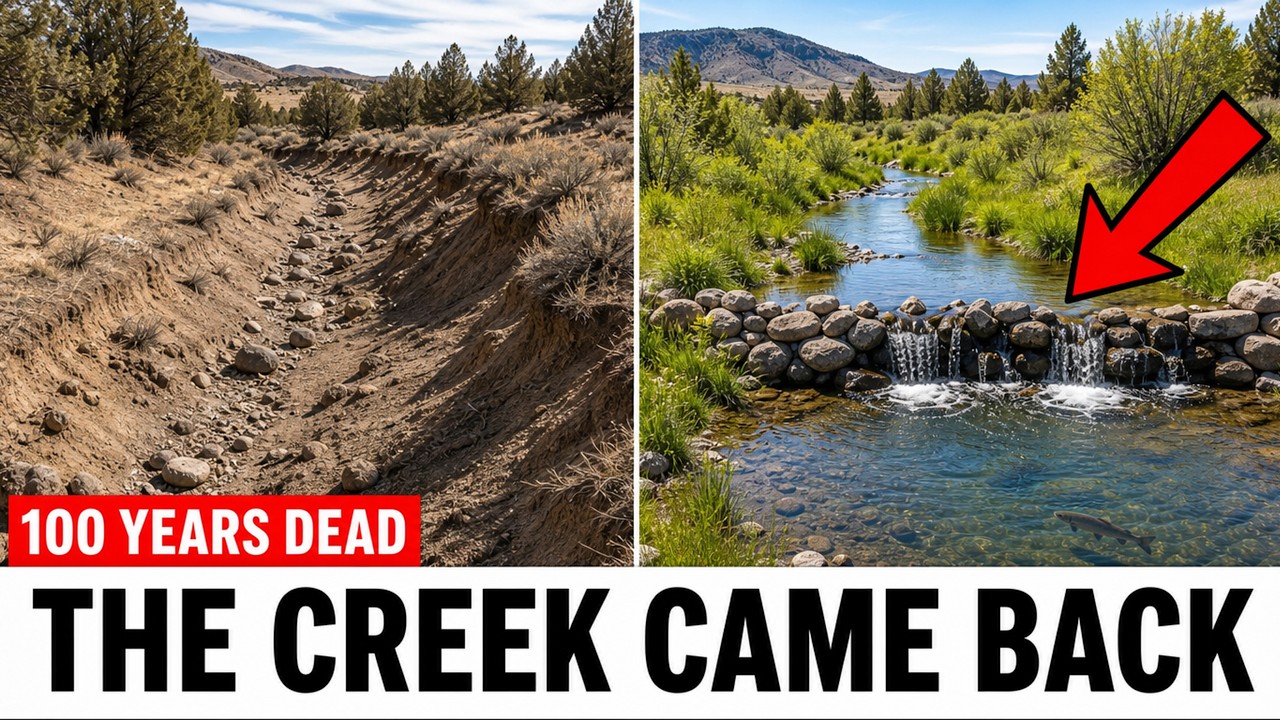
Engineers warned his rocks would kill the fish. Then the US veteran ignored them and began reviving a creek declared dead for a century.
Scott Campbell, a retired veterinarian from Portland, Oregon, spent years building a chain of animal hospitals before selling the business...
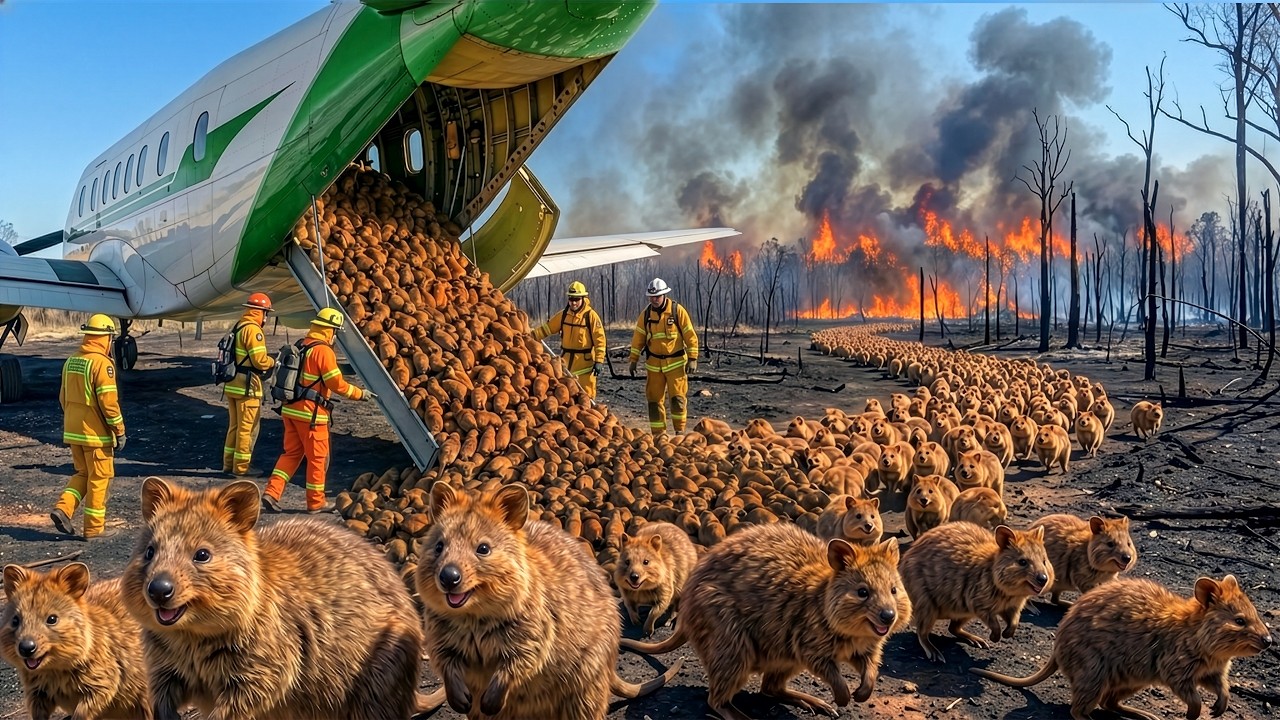
Australia released thousands of quokkas into a burnt forest with zero life remaining. After devastating wildfires wiped out the habitat, conservationists hoped the small marsupials would help restore the ecosystem.
A lightning strike in Shannon National Park, in the far southwest corner of Australia, started a fire on January 28,...