Something Is Hunting America’s Feral Hogs, and the culprit shocked researchers tracking the exploding population. Across multiple states, wild boars—already notorious for destroying crops—were turning up dead under baffling circumstances.
In parts of Central Texas, wildlife officials have observed a significant decline in feral hog populations over the past two years. Statewide, feral hogs cause an estimated $2.5 billion in agricultural damage annually, with Texas home to more than 2 million of the animals. The sudden disappearance of hogs in certain areas of Blanco County initially puzzled researchers, as there were no carcasses, gunshot reports, or other obvious explanations. After an extended investigation, officials identified a surprising cause: coyotes.
Feral hogs are notoriously difficult to control. They are intelligent, adapt quickly to traps, and reproduce rapidly. A single sow can breed before turning one year old and produce two litters annually. Wildlife experts estimate that roughly 70 percent of a hog population must be removed each year just to keep it stable. Traditional control methods, including aerial gunning and traps, have cost tens of millions of dollars without achieving lasting results.
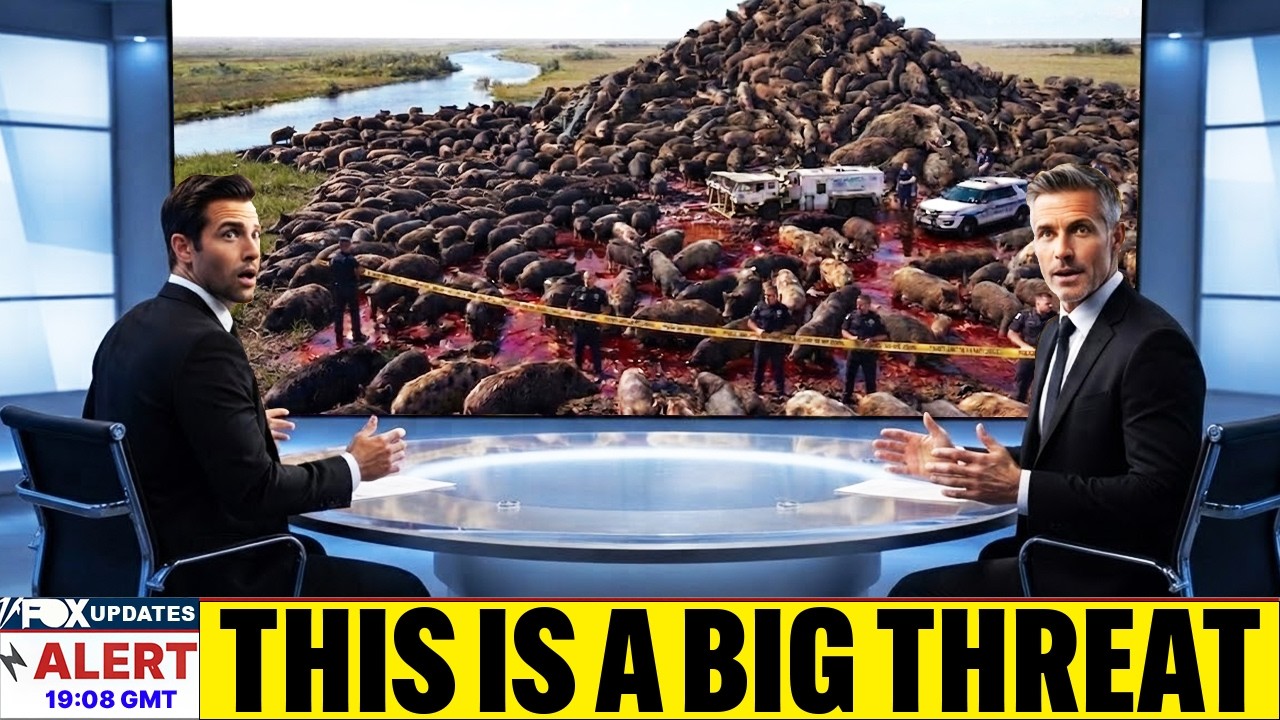
Trail camera footage, some of it recorded years earlier and only recently reviewed closely, showed coyotes hunting in coordinated packs. The footage captured coyotes deliberately drawing a mother hog away from her young, leaving juveniles exposed. Other pack members then targeted the slower piglets. The same pattern appeared across multiple counties and years. Scat analysis confirmed that feral hogs had become a major food source for coyotes in some regions.
Researchers concluded that coyote predation was reducing hog numbers in ways that human intervention had not. In response, officials scaled back aerial hunting operations in affected areas, reasoning that helicopters were disrupting the coyote packs that were naturally controlling the hog population. No public announcement accompanied this shift in strategy.
There is no evidence to support rumors of engineered predators or government experiments. Wildlife officials describe the development as an ordinary, if notable, adjustment in the local ecosystem. The long-term impact remains uncertain. Coyotes alone have not eliminated feral hogs across Texas, and the animals remain widespread throughout most of the state. Researchers plan to monitor whether this pattern of behavior spreads and whether it meaningfully changes hog populations over time.
Recommended Stories
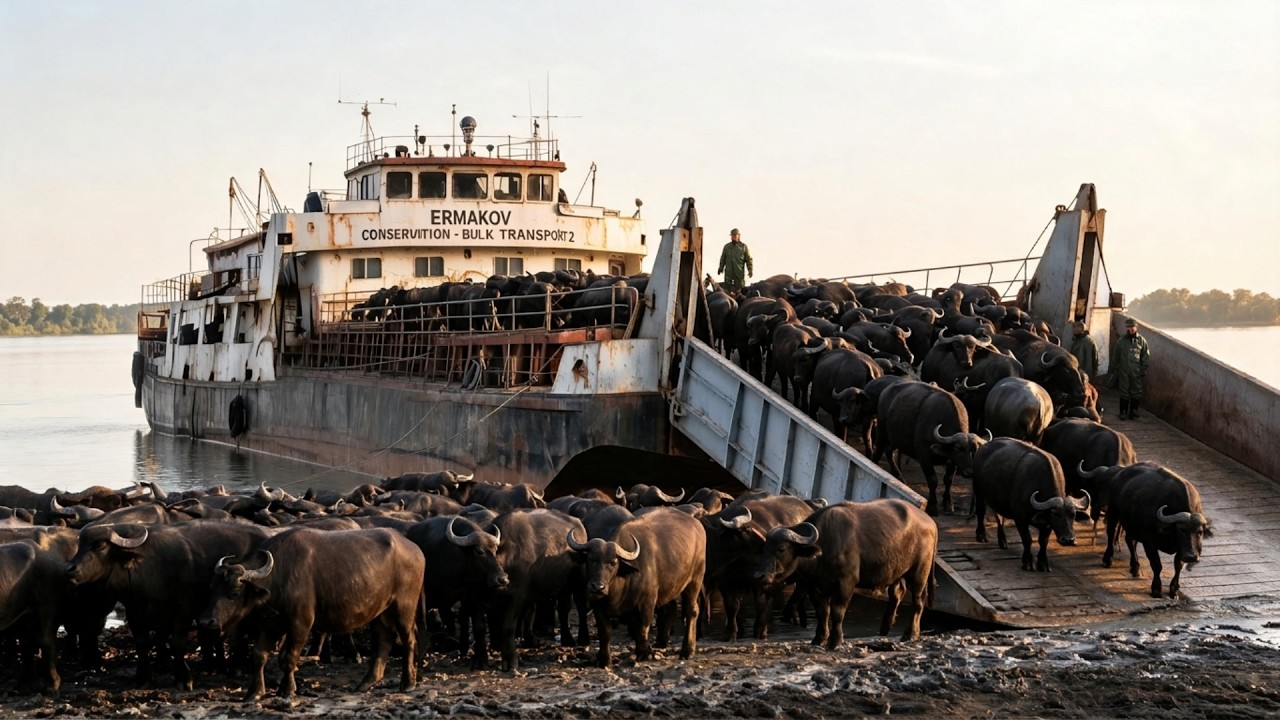
Five years after water buffaloes were released onto a supposedly dead island, researchers returned to find something they never expected. The barren land, stripped of life and vegetation, had been transformed in ways no one predicted.
An island in the Ukrainian section of the Danube Delta has shown signs of ecological recovery after a group of...
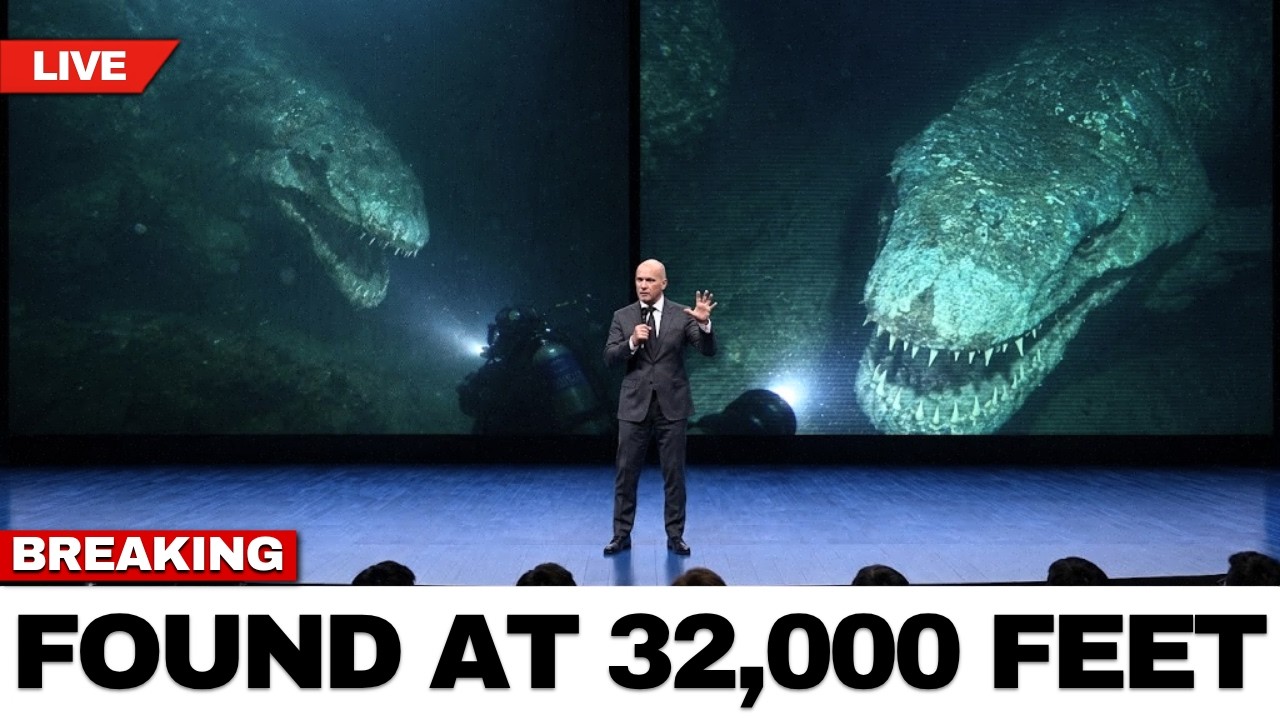
At 32,000 feet below the ocean’s surface, cameras in the Mariana Trench just captured a living creature scientists say defies explanation. The footage, taken during a deep-sea expedition, reveals a strange, translucent organism moving slowly through near-total darkness.
In 2025, Chinese researchers used the submersible Fendu to document dense communities of tubeworms and clams living at depths approaching...
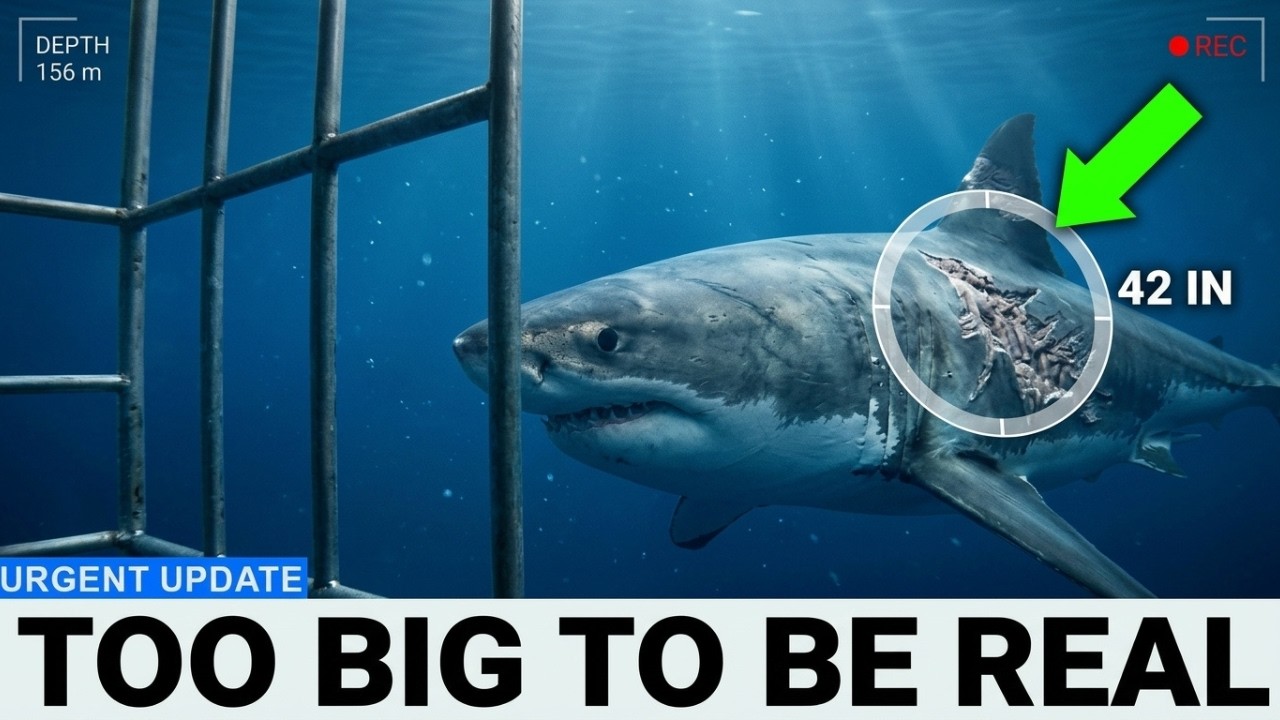
A great white shark was found torn apart, and its bite marks pointed to something far larger lurking beneath. The massive predator, already an apex of the ocean, had been ripped open in a way experts couldn’t immediately explain.
Scientists studying great white sharks off Guadalupe Island, approximately 150 miles from the coast of Baja California, Mexico, documented an...