Five years after water buffaloes were released onto a supposedly dead island, researchers returned to find something they never expected. The barren land, stripped of life and vegetation, had been transformed in ways no one predicted.
An island in the Ukrainian section of the Danube Delta has shown signs of ecological recovery after a group of water buffalo was introduced to the area in 2019. The project, which began with seven animals, has led to a measurable increase in habitat diversity and the return of wildlife to a landscape that had been degraded for decades.
The island, located near the town of Vylkove, had been altered in the 20th century. Under the Soviet Union, engineers built dikes around it to drain the land for farming. Farming eventually failed, and the area was abandoned. The dikes remained, cutting the island off from the natural flood cycles of the river. With the water no longer moving, common reed spread across most of the island, creating a dense monoculture that blocked sunlight from the water and reduced oxygen levels. Fish lost spawning grounds, and bird populations declined.

Conservation groups and researchers later concluded that the island’s problem was not the reed itself, but the absence of large grazing animals. Historically, wetlands in Europe were maintained by herds of wild horses, cattle, and buffalo that ate vegetation, trampled paths, and created open water. When those species were hunted out or fenced off, the natural check on reed growth disappeared.
In 2009, workers cut into the old Soviet dikes to allow the Danube to flood the island again. The water returned, and open water areas roughly doubled. However, the water alone did not reduce the reed. To address that, Rewilding Ukraine, part of the Rewilding Europe network, introduced water buffalo to the island in the spring of 2019. The animals were chosen because they can wade into deep water, eat coarse vegetation that cattle avoid, and survive in swampy conditions. Five of the seven animals were male, and two were female, one of which was pregnant. The herd has since grown to roughly two dozen animals, with additional animals brought in later.
The buffalo have contributed to the island’s recovery in several ways. Their grazing is uneven, which breaks the uniform reed bed into a patchwork of different habitats. They create wallows in the mud that fill with water and become small ponds. Their dung supports insect populations. And they disperse plant seeds as they move across the island. Within a few years, aerial surveys showed that the reed carpet had opened into a mosaic of water, mud, and vegetation. Insect and fish populations returned first, followed by amphibians and then birds, including species that had previously abandoned the area.
The project is part of a broader movement in Europe called trophic rewilding, which involves returning large animals to landscapes to restore ecological processes. Similar projects have been carried out in the Netherlands and southern England. The island’s recovery, however, remains incomplete. The herd is still small relative to the size of the island, and the region has been affected by the war in Ukraine, which has made monitoring the site difficult. The delta is also expected to experience hotter and drier conditions in the coming decades, which could affect the flood patterns that the island depends on.
Recommended Stories
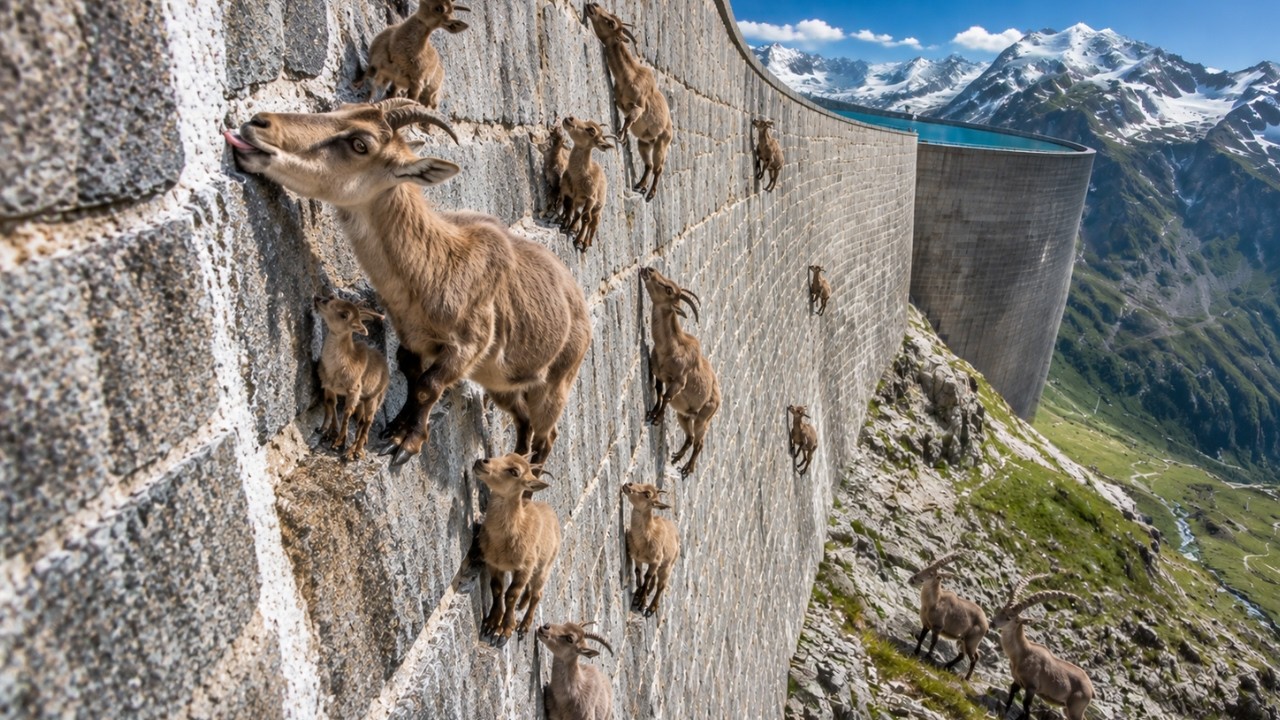
A 50-metre dam wall in Italy has become an unlikely climbing spot for a herd of goats—and the reason behind the ascent is stranger than the feat itself. Locals watched in disbelief as the animals scaled the sheer concrete structure with alarming ease, drawn upward by something far more unusual than thirst or curiosity.
There is a concrete wall in the Italian Alps that is frequently visited by an unlikely climber. The dam, known...
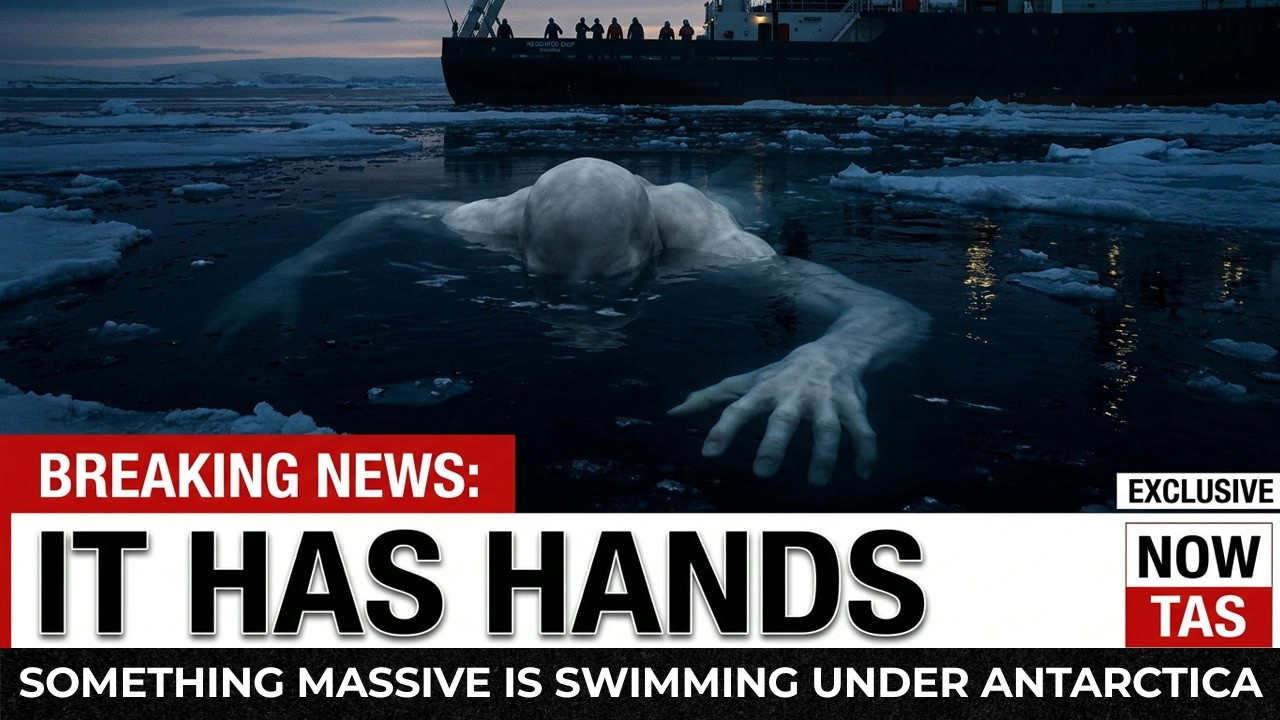
The Southern Ocean is so poorly mapped that we know the moon’s surface better than parts of its floor—and somewhere in that frozen darkness, crews claim they saw something massive. Since the mid-2000s, Japanese research and fishing vessels reported a pale figure the length of a small trawler, moving against the current with what looked like a head, shoulders, and forward-facing eyes.
The Southern Ocean is a rare body of water: it circles the planet without touching any continent. This geography has...
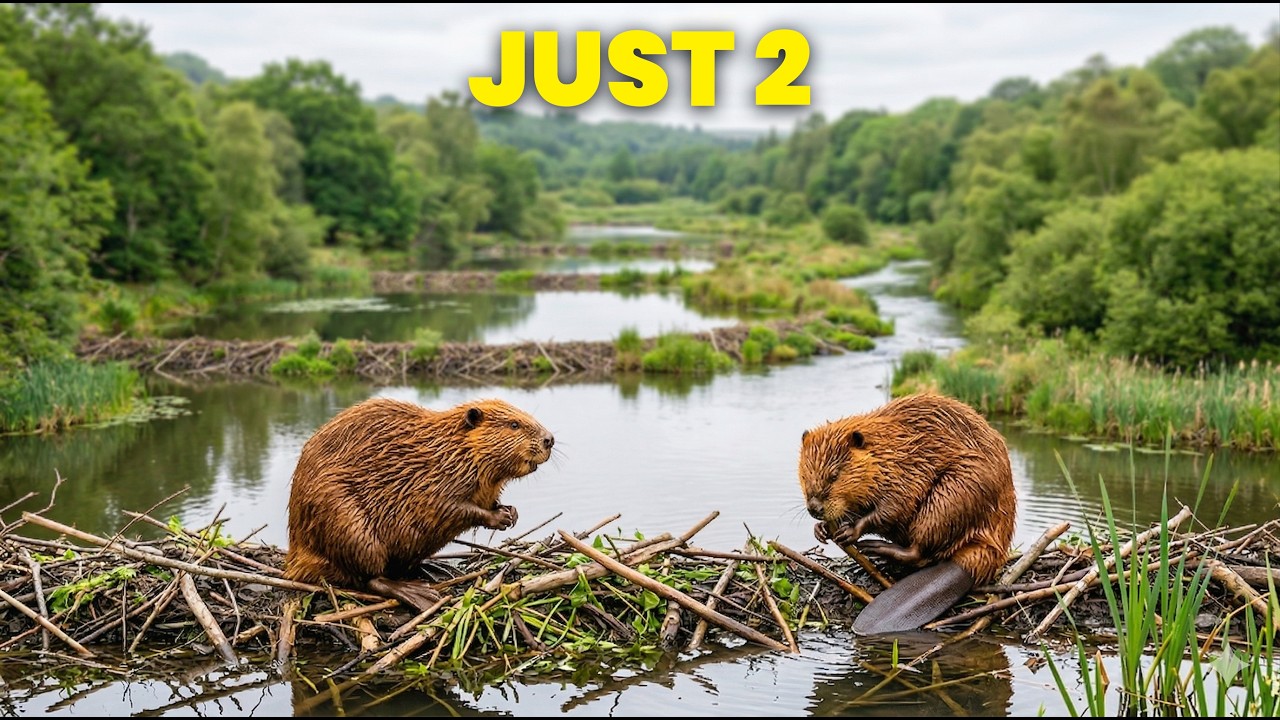
A single 40-pound rodent reverse-engineered Britain’s failing flood defenses, beating millions in concrete. After 400 years of extinction, beavers quietly reappeared in Devon, while officials planned to trap and kil*** them over biosecurity fears.
In the winter of 2015, flooding caused an estimated 1.6 billion pounds in damage across England. The government's response focused...