Florida released robotic rabbits into the Everglades to lure invasive Burmese pythons, and the experiment worked. The lifelike decoys triggered strikes from the enormous snakes, revealing just how effectively the hunters hid.
Florida has deployed robotic rabbit decoys in the Everglades as part of its ongoing efforts to manage the state’s invasive Burmese python population. The devices were designed to attract pythons by mimicking the heat, scent, and movement of live marsh rabbits, with the goal of drawing snakes into specific capture zones.
The python problem in the Everglades dates back decades. The snakes originated from the exotic pet trade, with many escaping or being released into the wild. The wetlands provided warm temperatures and abundant prey, and without natural predators, the population grew rapidly. Over time, pythons reduced native mammal populations and disrupted the local food chain, creating one of the most severe invasive species problems in the country.

As the population expanded beyond remote swamp areas, state officials faced growing concern about encounters near populated areas. Internal reports from the Florida Fish and Wildlife Conservation Commission documented python sightings near schools, suburban ponds, and jogging trails. These reports were not made public at the time, and officials cited concerns about causing public alarm. In one case, a 14-foot python was found in a residential attic, though the incident was not disclosed to the community. Another incident involving a worker who was constricted by a python near a canal was recorded as an accidental fall in official reports.
Officials also considered the impact on tourism. The Everglades draws millions of visitors annually, and local tourism groups urged leaders to avoid announcements that might discourage travel. Internal emails from biologists warned that the ecosystem could face collapse within a decade if the population growth continued unchecked.
The first major public control effort was the Python Challenge, held from 2013 to 2016. The event invited volunteers to hunt pythons in the Everglades. Many participants were inexperienced and unprepared for the conditions. Some suffered heatstroke, injuries from saw grass, and encounters with alligators. The hunts produced limited results. In the first event, more than 1,000 hunters removed 68 snakes over several weeks, a number far below what officials had hoped for.
Professional contractors tried a different approach using the Judas snake method, in which female pythons were implanted with radio transmitters and tracked to breeding grounds. The method had limited success, as rival males often killed the tagged females before they could lead teams to nests.
Researchers then experimented with live marsh rabbits in reinforced cages as scent lures. The rabbits were protected from physical harm by the cages, but the setup caused visible distress in the animals. When images of pythons coiling around the cages reached the public, the reaction was strongly negative. Animal welfare organizations criticized the program, funding was withdrawn, and the state announced it would no longer use live mammals for this purpose.
The robotic rabbit initiative followed as an alternative. Each unit was equipped with a heating pad set to 99 degrees Fahrenheit to match a rabbit’s body temperature, chemical emitters releasing synthetic rabbit musk, and motors that caused the ears to twitch. The decoys also carried cameras and motion sensors to record activity and send alerts to field teams. The units cost roughly $4,000 each, and funding was provided through general environmental technology grants.
During initial testing, the scent attracted coyotes, bobcats, and vultures before pythons arrived. Some field staff were uncomfortable handling the prototypes. The state deployed 120 robotic rabbits across python hotspot areas without a public announcement. For two days, the devices appeared to be working, with constant alerts and the capture of several large pythons.
On the third day, alligators began attacking the decoys. The heat and movement triggered hunting instincts, and the units were damaged beyond repair. Footage showed alligators crushing the devices, and some swallowed pieces of metal, plastic, and battery components. Wildlife officers later reported young alligators in lethargic condition, which was attributed to ingesting the robotic debris. The presence of alligators also discouraged pythons from approaching the bait sites, reducing the effectiveness of the program. The devices functioned as alligator attractants rather than python lures, and most of the equipment was destroyed within days.
Despite the failure of the physical deployment, the data collected by the robotic units before their destruction proved useful. Engineers recovered memory cards from damaged devices and loaded the information into a machine learning system designed for wildlife research. The system analyzed thermal imagery, movement patterns, and environmental data, and identified recurring travel routes used by both pythons and alligators. The analysis also showed that pythons avoided areas where alligators had been active within the previous 72 hours and that some movement patterns corresponded with moon phases. These patterns had not been documented previously.
The data also revealed a connection between the alligator deaths and python behavior. The AI flagged a rise in python activity in zones where alligators had consumed robotic debris. Weakened alligators vacated territories, and pythons moved into those areas. The AI indicated that pythons feeding on these weakened alligators grew at an accelerated rate, and that some female pythons in those territories produced egg clutches larger than typical for the species. Whether this pattern represents a lasting change in python behavior remains unconfirmed, but the analysis describes a population that has continued to adapt to conditions in the Everglades.
Recommended Stories

A drone over a Florida preserve captured footage that stunned wildlife officials: wild-born Eastern indigo snake hatchlings emerging from a gopher tortoise burrow. The moment marked the species’ first confirmed wild reproduction in that area in decades, a major victory for a decades-long reintroduction program.
A drone flying over a preserve in the Florida Panhandle recorded two wild-born Eastern indigo snake hatchlings near a gopher...
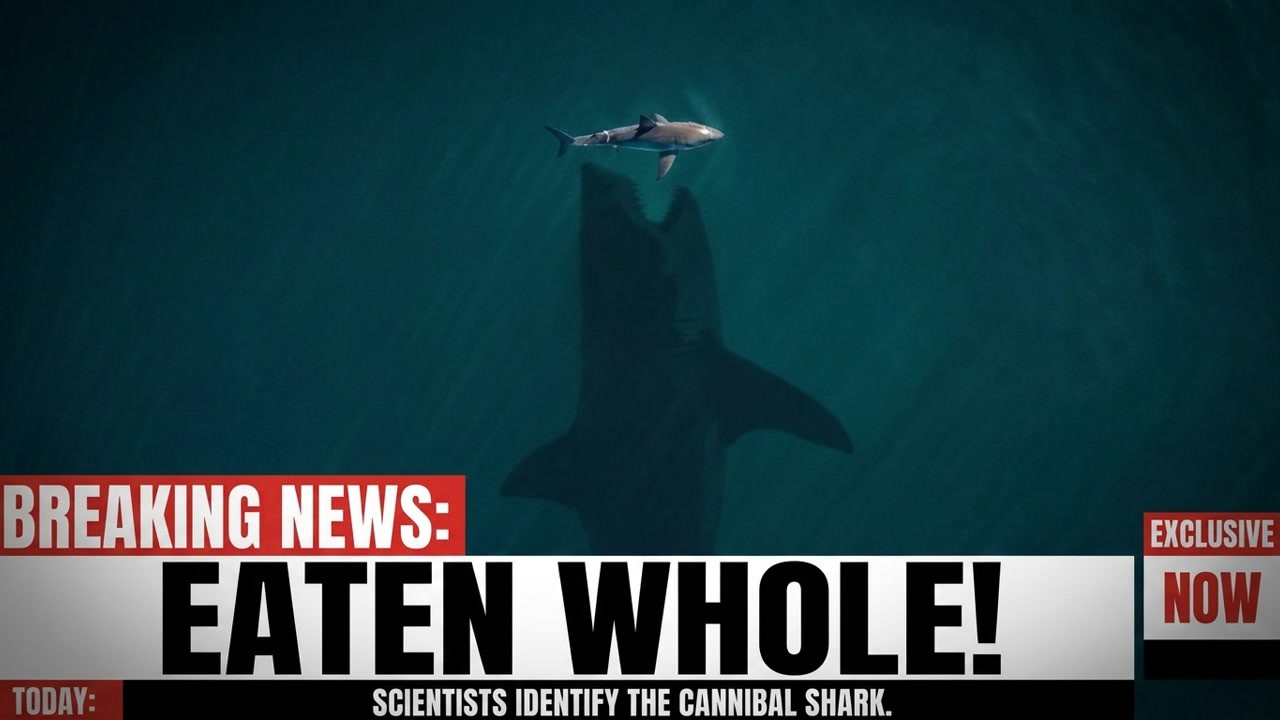
Scientists finally identified what swallowed a great white shark whole, and the discovery is disturbing. The predator vanished without a trace, its tracking tag abruptly going silent after years of consistent data.
In 2003, a research team off the southern coast of Australia attached an electronic tag to a female great white...
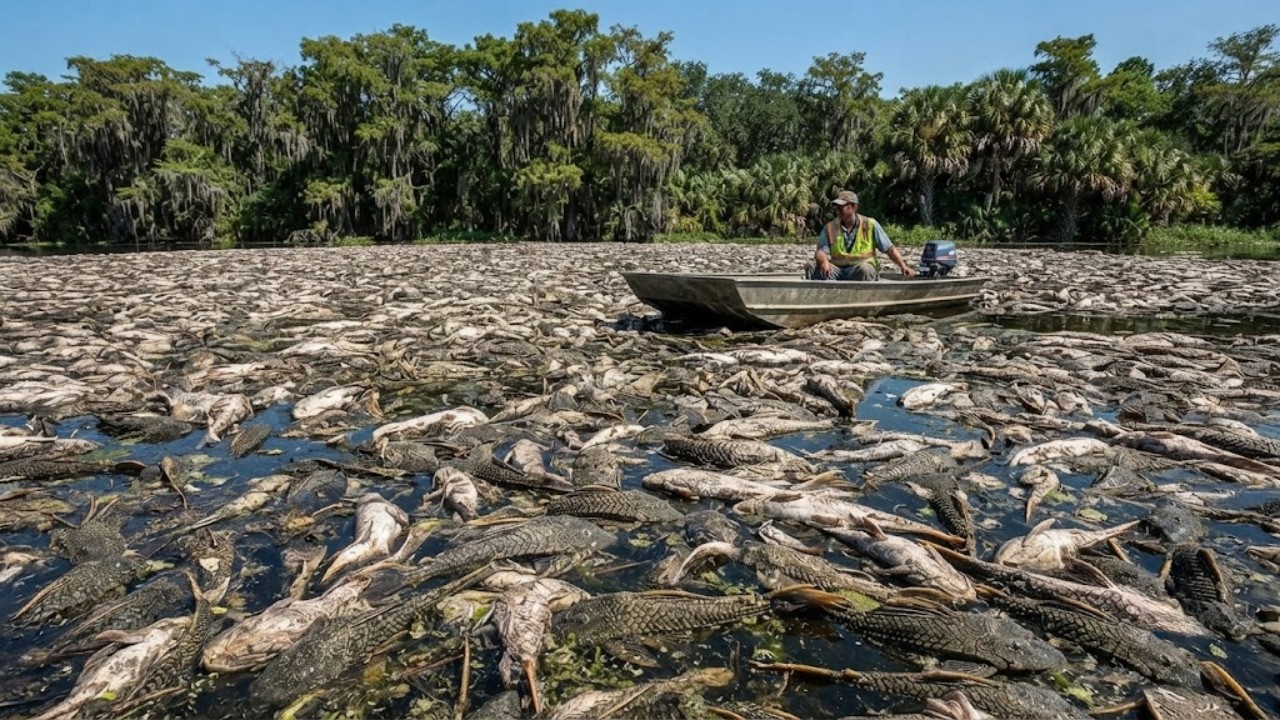
Armored catfish are vanishing from Florida’s rivers, and scientists have finally identified what’s preying on them. These invasive fish, protected by tough bony plates, seemed nearly untouchable in the state’s waterways.
For four years, Dr. Ryan Allisson had been conducting population density surveys in Florida's Peace and Hillsborough rivers. He knew...