Just two beavers released into Britain’s dying rivers triggered a transformation nobody anticipated. Conservationists expected a slow ecological recovery, but the animals rebuilt entire waterways within months.
In 2015, winter floods caused an estimated 1.6 billion pounds in damage across England. The government’s response was to invest in concrete flood defenses—taller walls, deeper channels, and faster drainage. At the same time, a small population of beavers on the River Otter in Devon was achieving similar results naturally.
In 2014, UK officials classified the beavers as a biosecurity threat and planned to trap and kill them, citing concerns about a parasite. Public opposition led the government to fund a five-year scientific trial instead. By October 2022, the government had reversed its position, granting beavers full protected status and making it a criminal offense to harm them.
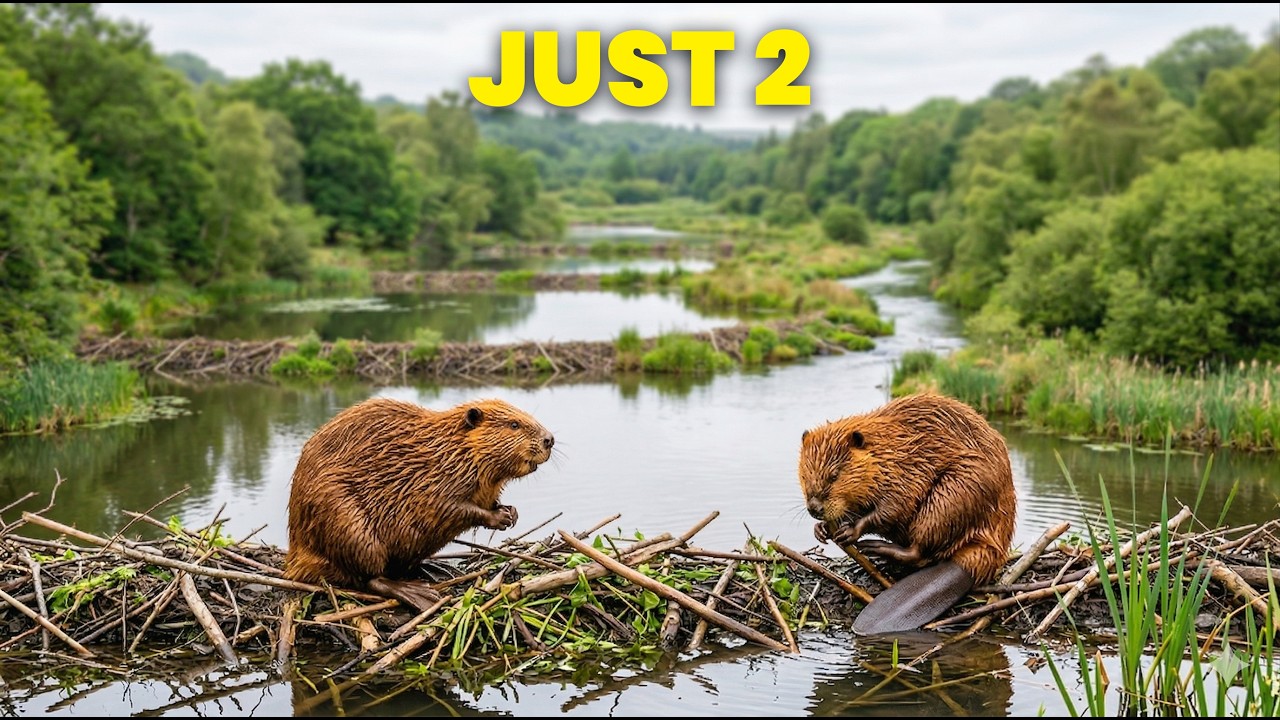
The shift in policy was influenced by measurable results. The River Otter Beaver Trial, led by the Devon Wildlife Trust, monitored more than 1,000 storm events. Researchers found that peak flows leaving beaver-modified areas were on average 30 percent lower than flows entering them, and up to 60 percent lower during extreme storms. The animals’ dams also trapped over 100 tons of sediment across a small number of ponds and reduced nitrogen and phosphorus runoff from farmland.
Hydrologists explain that beaver dams work differently from conventional flood walls. Concrete infrastructure is designed to contain and accelerate water. A beaver dam, by contrast, allows water to seep through slowly, reducing its speed and spreading it across a wider area. This delays the arrival of floodwater downstream, which can reduce the severity of peak flows.
The town of Pickering in North Yorkshire provided a practical example. After flooding in 2007 caused more than 7 million pounds in damage, the government rejected a proposal for a 20 million pound concrete flood wall. Instead, a natural flood management scheme was implemented using 167 woody dams and other interventions in the upper catchment. Later, beavers built a dam in nearby Cropton Forest that was self-repairing and dynamically adjusted to water flow. During floods in 2015, the scheme reduced the flood peak by an estimated 15 to 20 percent, and the annual probability of flooding in the town dropped from 25 percent to less than 4 percent. The natural scheme cost approximately 2 million pounds, about one-tenth the projected cost of the concrete alternative.
The reintroduction was not without friction. On the River Otter, beaver activity flooded some agricultural drainage systems, resulting in crop losses for at least one potato farmer. Unlicensed releases in other parts of Britain contributed to local opposition and some culling.
Despite these issues, public support for beaver reintroduction reached 90 percent by 2019. By 2020, the river Otter population had expanded to 13 established territories, holding large volumes of water. In 2022, the government classified beavers as a protected species in England. It has since committed to nature-based solutions as part of its flood defense strategy through 2036.
The final report on the River Otter trial concluded that the benefits of beaver reintroduction outweighed the costs. The animals, which weigh about 20 kilograms and construct dams from branches, mud, and stone, have become part of national flood management planning.
Recommended Stories
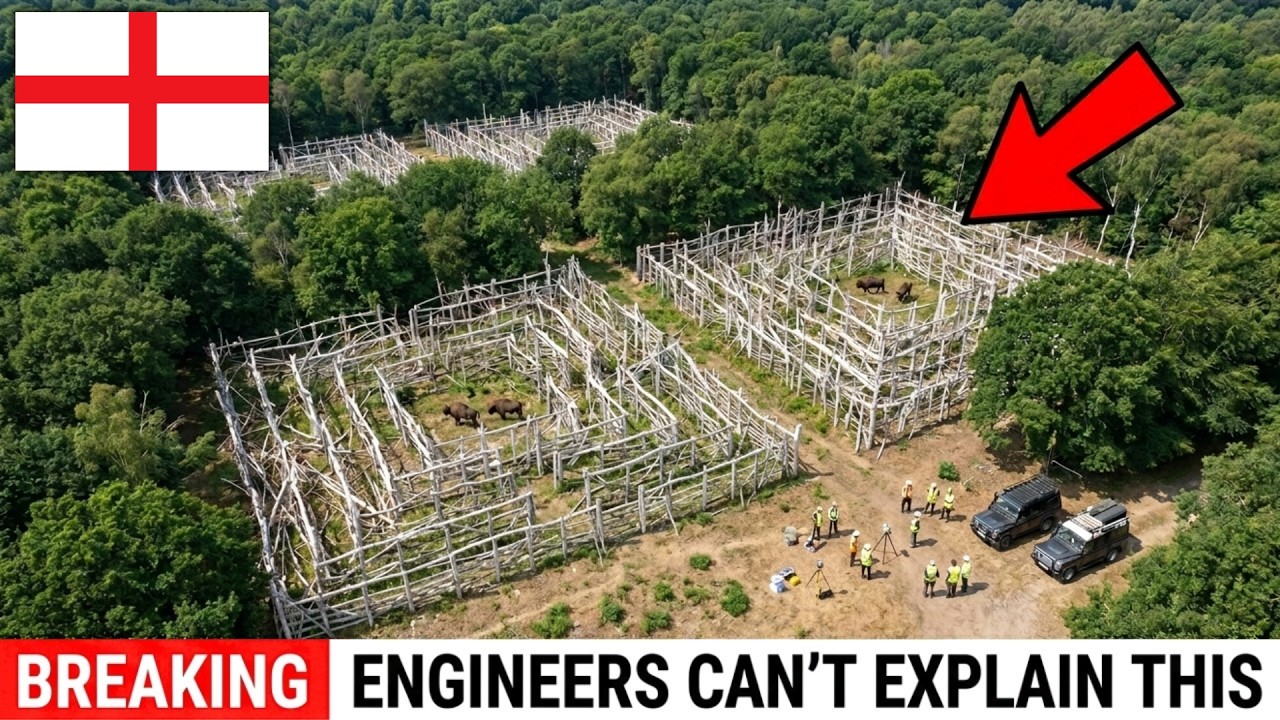
Four bison were just released into a dead forest in England, and what they did with bark and hooves was unbelievable. Once the ecosystem’s largest animals, these beasts had vanished from the region for centuries, leaving the woodland unable to heal.
In July 2022, four European bison were released into a woodland near Canterbury, marking the first time the species had...
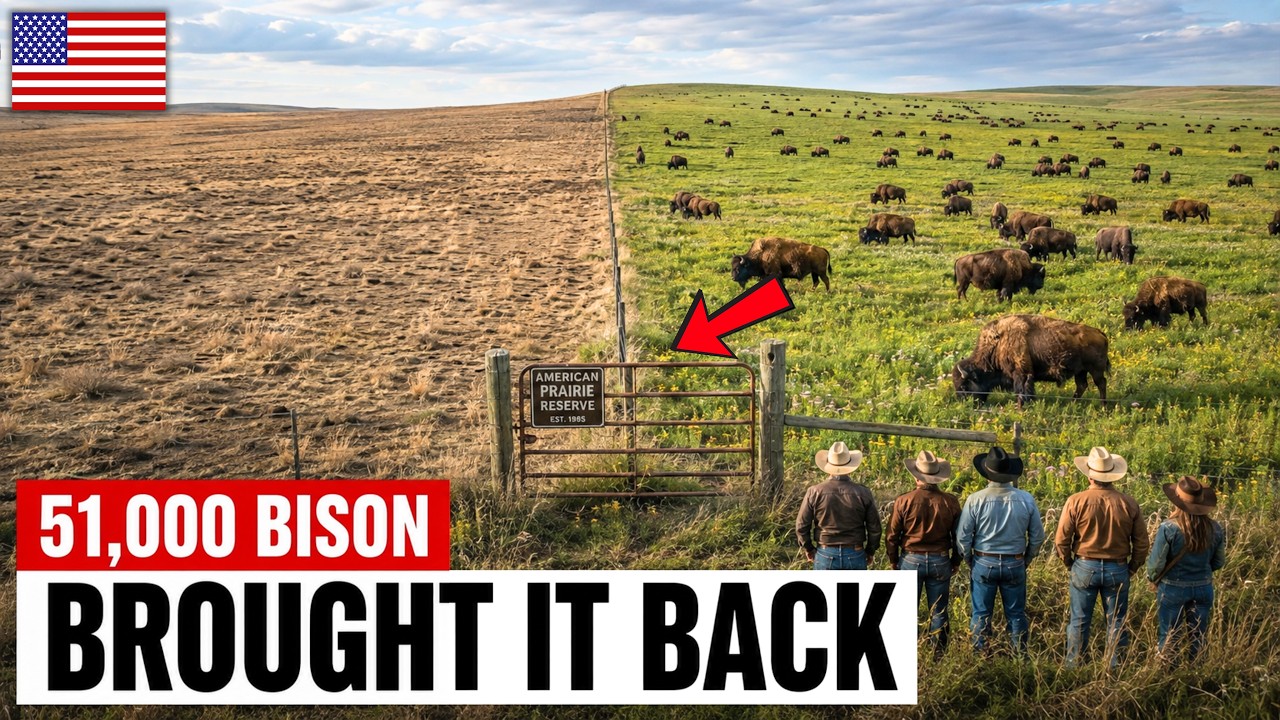
They called Ted Turner crazy for 30 years, yet his 51,000 bison on two million acres have done what no one expected. After CNN, he bought broken land across New Mexico, Montana, and Nebraska, swarming it with animals that had nearly vanished by 1889, and skeptics kept laughing.
On a New Mexico plain, a bison rolls in a shallow depression in the dirt, kicking up dust. The animal...
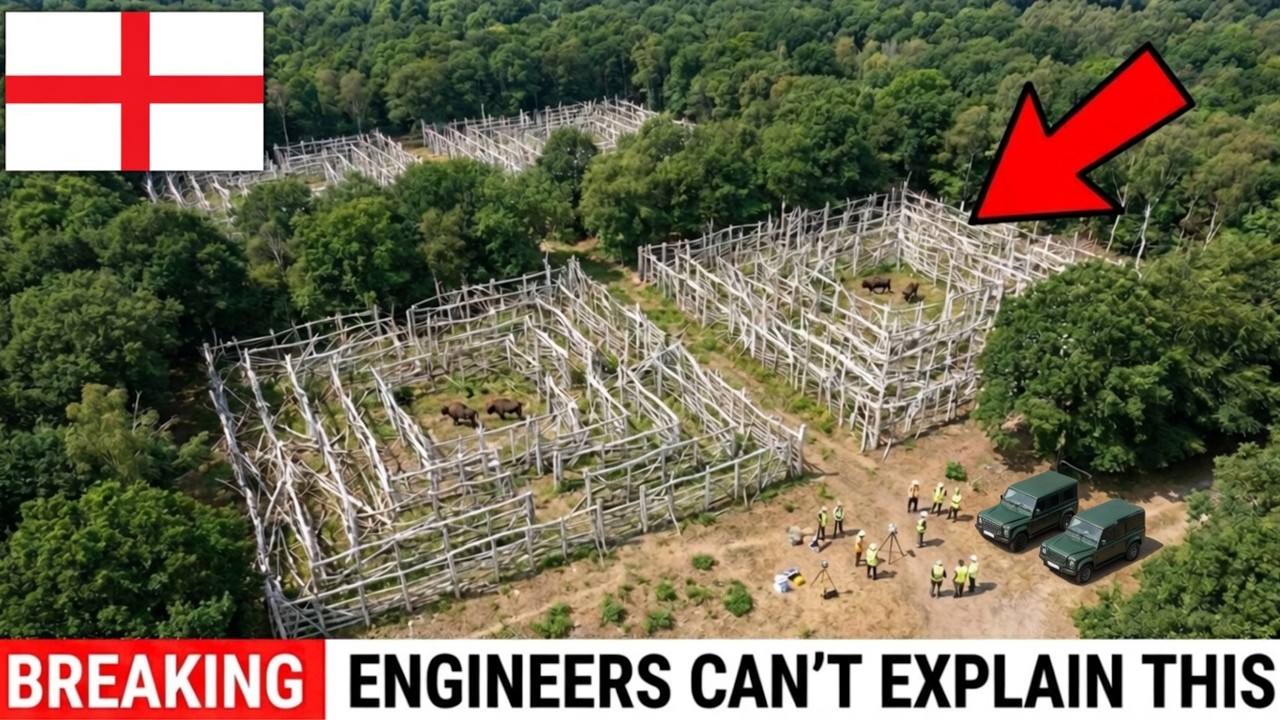
England released four bison into a dead forest, and what the animals did with bark and hooves stunned researchers. The rewilding project dropped the giants into woodland that had lost nearly all its trees, leaving an empty, silent landscape.
In July 2022, England released four European bison into West Blean and Thornden Woods near Canterbury, marking the first time...