Utah aerially dumped 35,000 fish into remote dead lakes in 1956—swapping planes for mules to restock them. That program supposedly ended decades ago, until a startling echo surfaced recently.
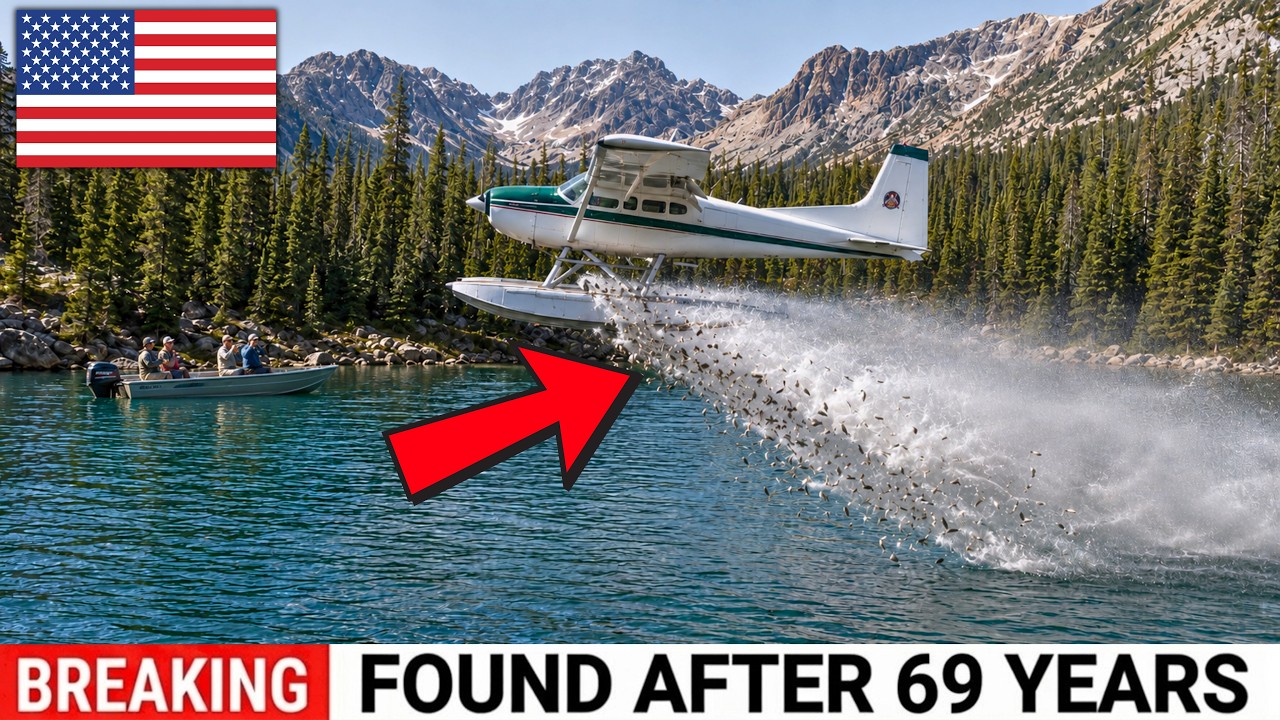
In 1956, Utah began stocking remote mountain lakes with fish dropped from small airplanes. The method, still in use today, was developed to reach hundreds of high-elevation lakes that were inaccessible by road. Each summer, planes release thousands of young trout into these waters, a practice that has continued for nearly seven decades.
The program began with a simple logistical challenge. After World War II, recreational fishing grew rapidly across the American West, and many of Utah’s alpine lakes were naturally fishless. Waterfalls and steep terrain prevented fish from migrating upstream, leaving the lakes without fish populations. To create fishing opportunities in these areas, the state needed a way to transport fish to waters that could only be reached on foot or horseback.
Before the aerial program, hatchery workers carried fish in milk cans strapped to pack animals. The journey was slow and demanding. Workers had to stop frequently to refresh the water with cold stream water to keep the fish alive. The method limited how many lakes could be stocked and made it impractical to reach most of the state’s remote waters.
Utah adopted its aerial stocking method from California, which had begun experimenting with airplane drops in its own mountain lakes. The first Utah flight took off from a dirt airstrip with a tank of water and thousands of fingerlings bolted into the plane’s belly. The aircraft flew low over a lake, opened a hatch, and released the fish in a stream of water.
The technique relies on the size of the fish. The fingerlings, between 1 and 3 inches long, are small enough that air resistance slows their fall. They drift down rather than crash into the water. Survival rates were measured by setting nets in the lakes immediately after drops, and the state reported that more than 95% of the fish survived.
Modern aircraft used for the program are fitted with tanks divided into seven chambers, allowing a single flight to stock seven different lakes. A plane can carry as many as 35,000 fish per load and stock between 40 and 60 lakes in a day. Each summer, Utah aerially stocks more than 300 high-elevation lakes. Some are stocked annually, while more remote waters are stocked on a rotating schedule of every three to five years.
The fish species vary by season and location. Brook trout, rainbow trout, tiger trout, and splake are released during the summer. Cutthroat trout, the only trout species native to Utah, and Arctic grayling are stocked in the fall.
The program remained largely unknown outside the state for decades. That changed in the early 2010s, when a hatchery supervisor mounted a camera to the bottom of a stocking plane and filmed the drops. The footage spread widely online, and the state released its own video in 2021 confirming the practice. The clips attracted millions of viewers and turned a quiet logistical operation into a well-known part of Utah’s wildlife management.
Over time, however, researchers have documented ecological effects that were not understood when the program began. The lakes were not lifeless before stocking. They contained native amphibians, insects, and zooplankton that had evolved in the absence of fish. When trout were introduced, they preyed on these animals, which had no natural defenses against them.
Studies across the American West have linked introduced trout to declines in native frog and salamander populations. In California’s Sierra Nevada, trout were identified as a leading factor in the decline of the mountain yellow-legged frog. Research in Idaho found that stocked lakes had fewer native frogs and salamanders across entire mountain basins.
Wildlife agencies have responded by adjusting their stocking practices. Utah now treats its native cutthroat trout as a protected species and stocks it only in appropriate waters. Many of the other trout released from the air are sterile, bred to be incapable of reproducing. This allows the state to provide recreational fishing without creating permanent populations that could displace native species. Some lakes that were stocked for decades have been allowed to return to their natural fishless state.
The aerial stocking program remains active and is documented in a public state database that lists the fish stocked in each lake. What began as a practical solution to an access problem has become a long-running operation now balanced against a growing understanding of the ecosystems it affects. The lakes that receive the fish are no longer assumed to be empty, but are recognized as having supported their own forms of life long before the first plane flew overhead.
Recommended Stories
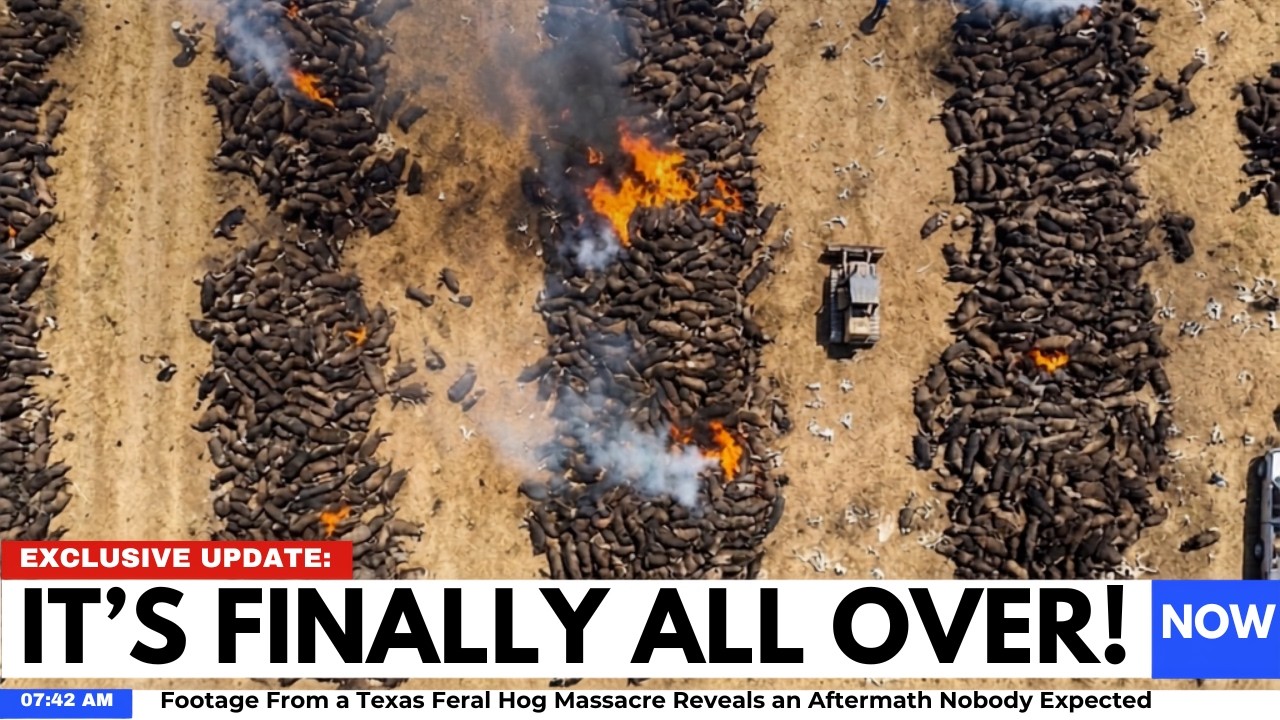
A Texas feral hog “massacre” ended not in piles of carcasses, but with a field eerily cleaned in hours. Hunters arrived expecting a grisly aftermath after culling dozens of invasive swine.
In March 2023, Wade Callahan retrieved a memory card from a trail camera on his property in Kerr County, Texas....
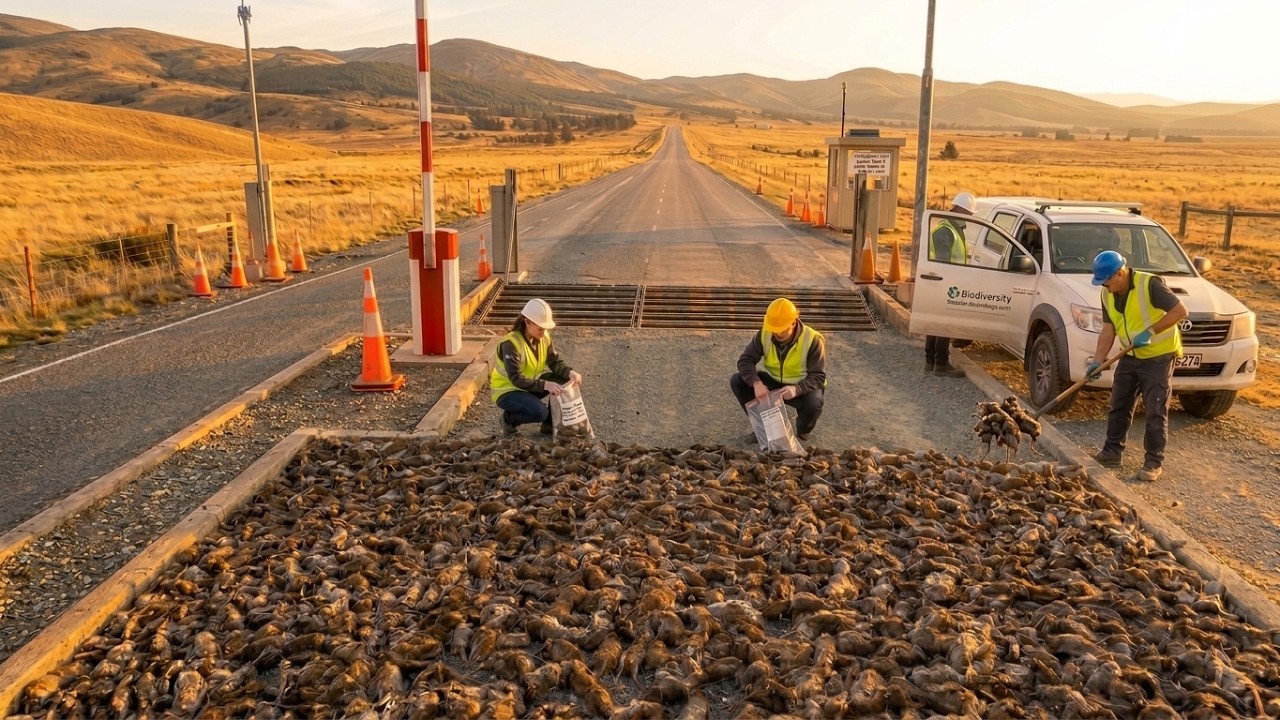
Alberta, Canada, is famously the only permanently rat-free place on Earth, a status fiercely defended for over seventy years. The province wages an unending border war against the rodents, maintaining a dedicated rat patrol and kill zones along its eastern frontier.
For more than 70 years, the Canadian province of Alberta has maintained a policy that sets it apart from most...
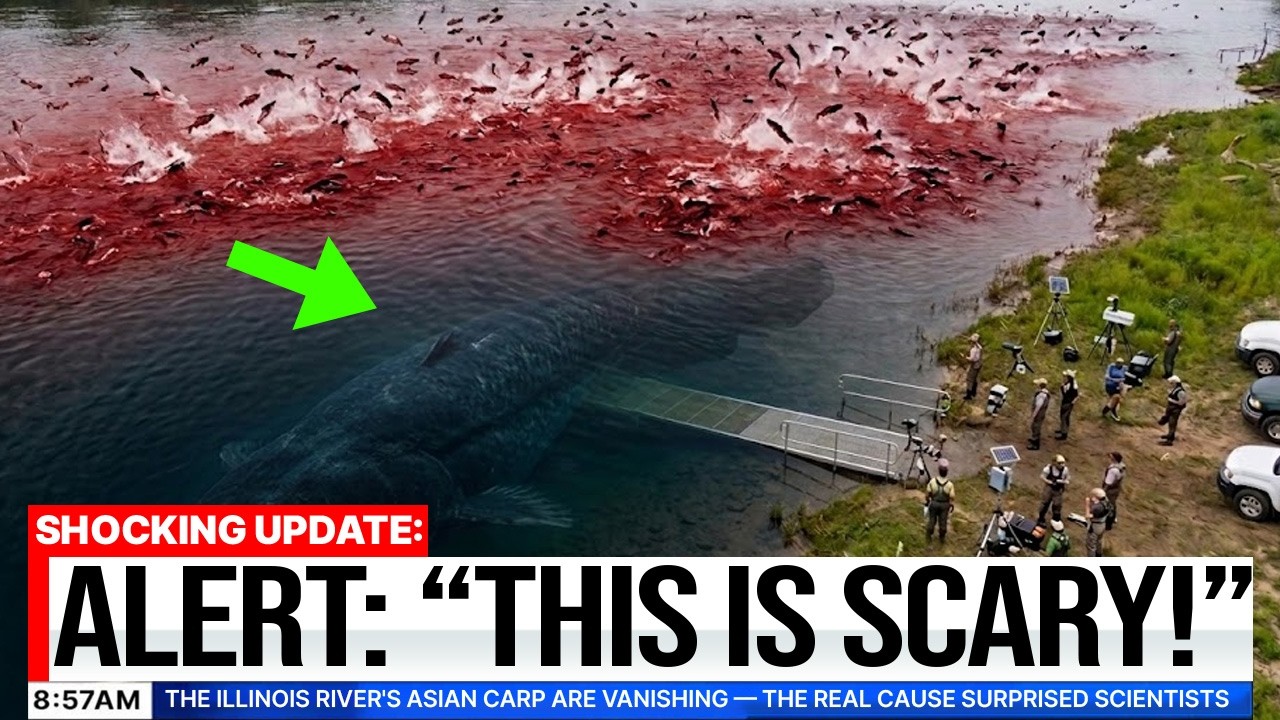
For 40 years, $1.5 billion in electric barriers and poisons failed to stop Asian carp from overwhelming the Illinois River—then their numbers mysteriously began to drop on their own. Scientists found the first clue in a lab tank, where carp taken from upstream simply stopped moving, with nothing added and nothing attacking them.
Asian carp, a fast-growing invasive species in lakes and rivers across the Mississippi River basin, have been a major problem...