Beneath the quiet soil of Central Texas, scientists uncovered an underground anomaly so massive it defied every expectation. The discovery emerged during routine geological imaging, when equipment suddenly registered a dense, hidden structure deep below the surface.
Under a limestone ridge in central Texas, a submerged cave has yielded a dense concentration of Ice Age fossils, offering researchers a detailed picture of an ecosystem that differed sharply from the open grasslands long assumed to have covered the region during that period.
The site, known as Bender Cave, is a flooded chamber that has remained sealed for tens of thousands of years. Within its sediment, divers and researchers have recovered the remains of mammoths, giant tortoises, ground sloths, and a large armored mammal resembling an oversized armadillo. The animal bones are accompanied by preserved leaves, pollen, and fragile shells, indicating that the cave acted as a natural repository, protecting organic material from decomposition.

The presence of species adapted to warmer conditions has led scientists to reconsider the climate of Ice Age Texas. Rather than a cold, arid steppe, the fossil evidence points to a comparatively mild and humid environment, possibly consisting of woodlands and dense vegetation. This interpretation aligns with a broader pattern of localized climate zones that may have allowed certain species to persist while much of the continent experienced colder conditions.
The cave’s unique hydrology helped preserve the material. Its water levels rose and fell with rainfall, and the sediment inside remained undisturbed by sun, wind, or flooding. This effectively sealed a record of the local environment, preserving evidence of how species coexisted in a relatively resource-rich habitat.
The Bender Cave findings are part of a wider series of geological and paleontological discoveries announced in 2026. In January, the U.S. Geological Survey reported the presence of substantial undiscovered oil and natural gas reserves in the Permian Basin of West Texas and southeastern New Mexico. In February, researchers identified traces of chitin, a structural compound found in modern insect shells, within fossilized trilobites more than 500 million years old. It was the first confirmed detection of the material in trilobites, suggesting that organic molecules can persist in fossils for far longer than previously documented.
Elsewhere, scientists in Newfoundland identified a diverse Ediacaran ecosystem dating to roughly 551 million years ago. The discovery expands the known range of early complex life and suggests that one of the earliest extinction events may have been more severe than previously estimated.
The fossil record in Texas also includes much older evidence of animal life. Flooding along riverbeds near Dinosaur Valley State Park periodically reveals dinosaur footprints dated to between 100 and 115 million years ago. Some tracks belong to theropods, bipedal predators with three-toed feet, while others were left by large herbivores moving in groups. Tracks from a dinosaur known as Tenontosaurus have extended its documented range, indicating that dinosaur populations ranged more widely than earlier research suggested.
Texas also preserves evidence of a long period when much of the state was submerged under a shallow inland sea. In Big Bend National Park, fossil layers dating to roughly 90 million years ago contain large ammonites, extinct marine mollusks with coiled shells, alongside other invertebrate remains. Microfossils from the same deposits have been used to reconstruct ocean temperatures, salinity, and oxygen levels of the time. Occasional finds include teeth from Deinosuchus, a large prehistoric crocodile that could reach lengths of over ten meters, suggesting a marine environment with a complex food web.
The chemistry of fossils found in Texas has also attracted attention. Researchers at the University of Texas have recovered traces of organic molecules from within ancient fossils, material that was previously thought unable to survive across such long timescales. These chemical remnants provide information about how early organisms processed elements such as carbon and offer insight into atmospheric and climatic conditions over hundreds of millions of years.
Evidence of early human activity is present as well. Archaeological work has uncovered stone tools, wooden darts, and projectile points from Texas caves, with some artifacts estimated to be more than 6,500 years old. These finds document the hunting practices of early inhabitants, who pursued bison, deer, and possibly the last mammoths in the region. Elsewhere, cannonballs from the Alamo era have been recovered in urban areas, providing physical links to well-known historical events.
The variety of species recorded across Texas geological history is extensive. Giant tortoises, ground sloths, armored mammals, mammoths, and camels all appear in the fossil record, often together. The region’s submerged caves have functioned as natural storage sites, preserving entire ecosystems from the Ice Age. Meteorite impacts, including the Odessa crater, have also left traces on the landscape, and researchers continue to search for additional impact sites that may have eroded over time.
Taken together, these findings reinforce the view that the geological record beneath Texas is still yielding new information about the region’s deep past. Each flood, excavation, and cave dive has the potential to reveal additional fossils, tracks, or chemical markers that refine existing knowledge. The full scope of what remains buried is unknown, but the evidence gathered so far indicates that the history of the region is more varied and complex than previously understood.
Recommended Stories
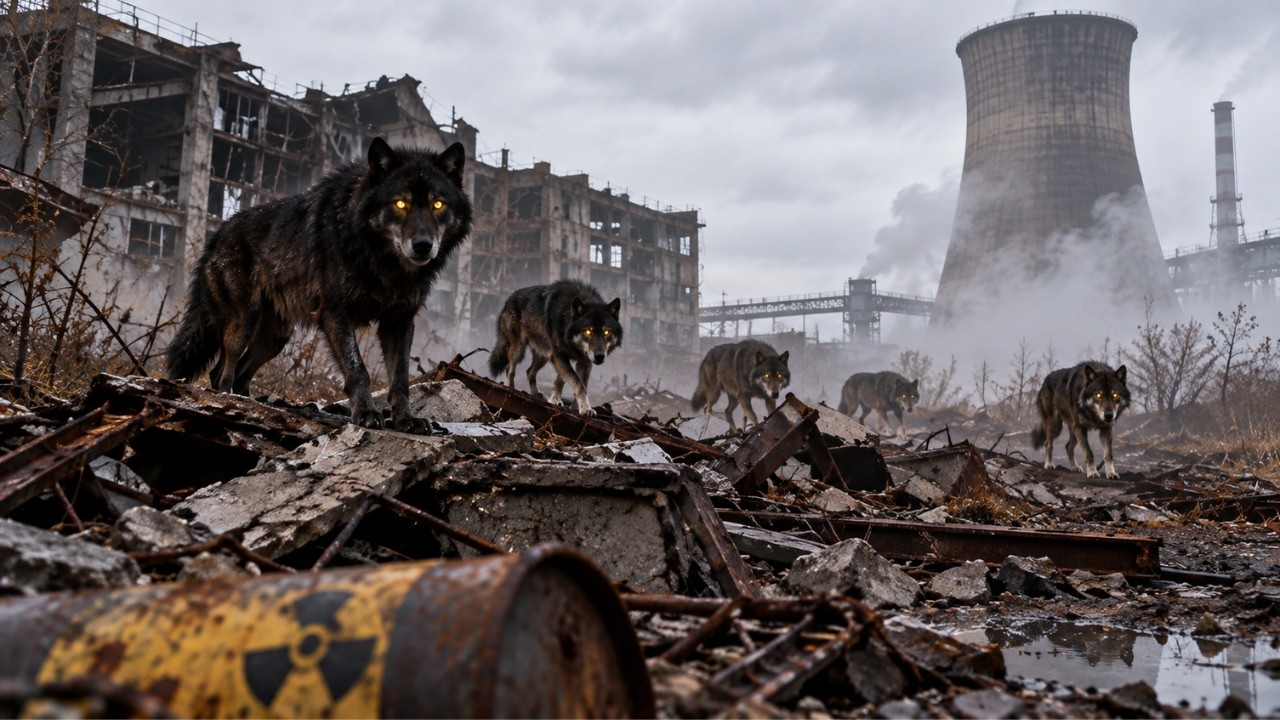
Wolves vanished from this region for a century are suddenly thriving in the most radioactive soil on Earth. After the 1986 Chernobyl explosion forced hundreds of thousands of people to flee, researchers expected ecological collapse.
In late April 1986, an explosion at the Chernobyl Nuclear Power Plant in Ukraine contaminated large areas of forest in...

The deepest ocean trench remains the least explored place on Earth, yet what scientists are now finding down there has quietly stalled new missions. For decades, crews sent probes into crushing darkness, expecting empty silence—instead, they pulled up creatures thriving on toxic chemicals and total pressure.
In January 1960, Swiss oceanographer Jacques Piccard and US Navy Lieutenant Don Walsh descended nearly seven miles to the Challenger...
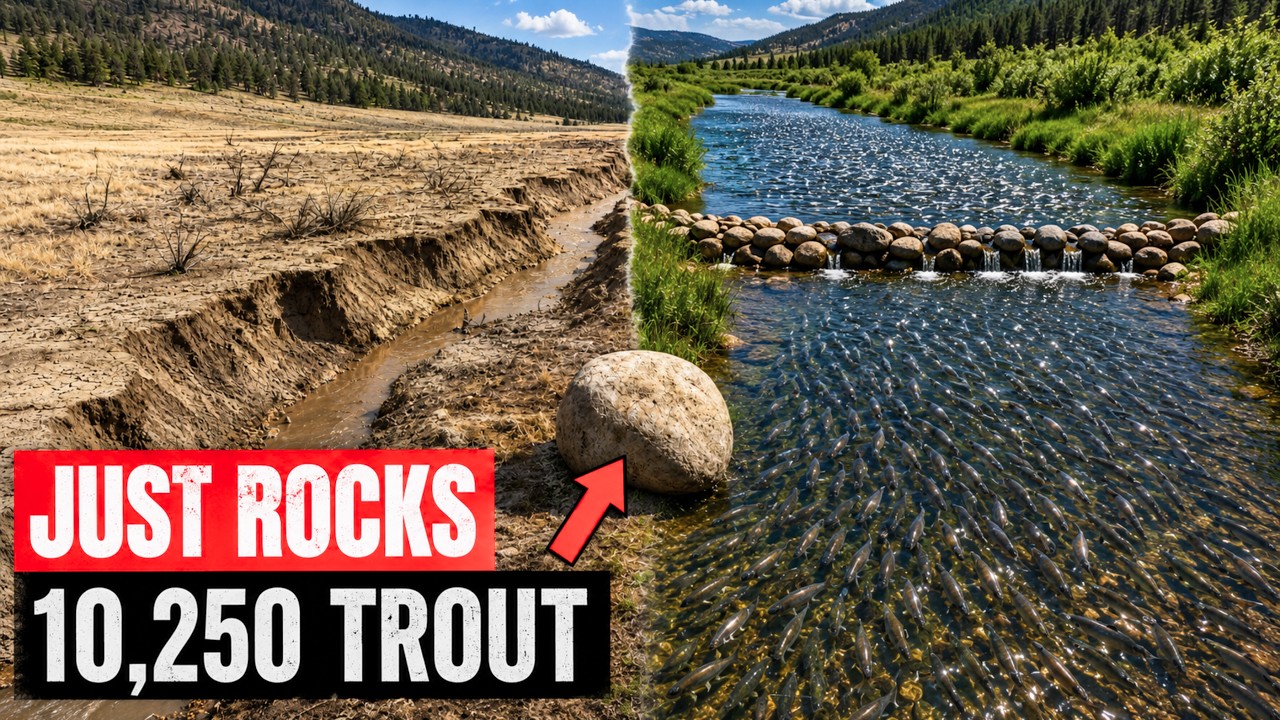
A US biologist made scientists laugh out loud. They mocked his rocks-based method.
In 1982, an oil company transferred ownership of a valley in northern New Mexico to the U.S. Forest Service. The...