Deep in the Amazon, rangers tracking river wildlife stumbled onto a massive caiman that immediately froze them in place. What began as a routine patrol turned into one of the most jaw-dropping encounters they’d ever recorded.
In August 2026, a Brazilian wildlife team conducting an aerial survey over a remote flooded forest in the Amazon spotted what initially appeared to be a fallen tree drifting in a narrow waterway. The object moved, revealing armored scales and a tail roughly as thick as a man’s torso. Comparing its length to the surrounding vegetation, the crew estimated the animal, believed to be a black caiman, at approximately 30 feet long. The figure was not confirmed, nor was it dismissed. The animal disappeared into the water days later and was not seen again.
The sighting occurred over the Mamirauá Sustainable Development Reserve in Amazonas state, Brazil, a large protected area of seasonally flooded forest where the Solimões and Japurá rivers meet. For part of the year, the forest floor is submerged, turning the region into a network of dark channels and hidden lakes. The reserve is also a stronghold for black caimans, the largest predator in the Amazon basin.

Male black caimans typically reach lengths of 13 to 16 feet. One of the largest reliably documented individuals, also from Mamirauá, measured about 17 feet and weighed approximately 660 pounds. Older accounts describe animals over 20 feet, though those records lack conclusive evidence. A 30-foot caiman would nearly double the size of a typical adult male and surpass the largest reliably measured crocodilian of any species. The largest recorded saltwater crocodile barely exceeded 20 feet.
Skeptics point to the difficulty of estimating size from the air. Without a person or boat beside the animal for scale, distances are easily misjudged. Water can distort body proportions, and a tail extending below the surface can make an animal appear longer than it is. If the caiman lay near a submerged log, the two shapes could merge into one.
Others are reluctant to dismiss the footage entirely. The reserve is vast, and much of it remains inaccessible for most of the year. Black caimans were heavily hunted for their hides during the 20th century, which sharply reduced their numbers. Since protections were introduced, populations in Mamirauá have recovered significantly. Researchers note that the largest and oldest animals tend to stay in isolated lakes, away from boats and people. A caiman that survived the hunting era and continued growing undisturbed for decades in such conditions could theoretically reach exceptional size.
No attempt was made to capture or approach the animal, given the remote terrain and deep water. The crew filmed it as it slipped back under the vegetation. When they returned to the same channel days later, it was gone. The footage remains the only record of the sighting, with no physical measurements taken.
The transcript also describes numerous other reported sightings of large or unusual animals, most of which lack scientific confirmation. Among them is an exceptionally large black caiman in the Florida Everglades nicknamed Godzilla, filmed near Lakeland, Florida. The animal, estimated by witnesses to be larger than a typical American alligator, was described as an unusually old and large specimen. Biologists consider it likely an exceptionally aged American alligator rather than a prehistoric creature.
A video circulating online showed a large black canine crossing a forest path in Florida. The Florida black wolf was declared extinct over a century ago, and skeptics suggest the animal was a wild black coyote or a stray dog. Others believe a small population may persist, though no evidence supports that claim.
Explorers in the Brazilian forest reported encountering a snake so large they initially mistook it for a fallen tree trunk. Most experts believe it was an unusually large anaconda, with the camera angle making it appear larger than its actual size. The ancient snake Titanoboa, which lived around 60 million years ago, is known only from fossils and was longer than a city bus.
Local residents near a lake in Maine reported seeing a large reptile, although crocodilians cannot survive Maine’s freezing winters and no wild population has ever been recorded there. If an animal was present, it was likely an illegally released pet with little chance of survival.
Researchers in Central Africa found a two-headed python, a rare condition known as bicephaly. Each head had its own brain and instincts, making coordinated movement difficult. Such animals rarely survive long in the wild.
Footage from the Brazilian Amazon showed what appeared to be a long neck rising above the trees. Some viewers suggested it was a giant snake from local legend, while others proposed a king cobra, though that species is native to Asia. Most likely, the angle distorted an ordinary animal.
A group in the Amazon filmed what appeared to be an enormous spider. The region is home to the Goliath birdeater, the heaviest spider on Earth, with a leg span comparable to a dinner plate. The sighting remains unverified.
A tourist photographed a rock formation in a remote mountain area that closely resembled a large crocodile frozen in mid-step. The shape resulted from natural erosion over thousands of years.
A fisherman caught a fish with one large head and two separate bodies connected below it. The animal appeared naturally conjoined, a condition that occasionally occurs in the wild. No facility or experiment was linked to the catch.
In Germany, a hiker recorded what looked like a griffin, a creature with the body of a lion and the head and wings of an eagle. Experts believe the footage was digitally created or heavily edited, and no physical evidence emerged.
In Mexico, a local resident found what appeared to be a large buried bone. Tests suggested it was about 500 years old. Some linked it to legends of giants, though scientists noted that large bones often belong to known animals or are misdated fossils.
A girl found a pale, elongated carcass along the Colorado River. Some locals linked it to a strange light seen in the sky days earlier, but no official identification was announced. Decomposing animals can appear highly distorted.
A logger in a pine forest noticed a patch of bark moving on its own. It turned out to be a pine weevil, a beetle that blends into tree bark so effectively that it can go unnoticed at close range.
A man filmed a single turtle with two bodies joined together, each side moving independently. Such conjoined turtles are known to science, though few survive long enough to grow.
A hiker found a dead snake with a frog partially swallowed, both preserved together in a dry environment. The pairing appeared to be the result of both animals dying simultaneously.
In Mexico, a woman filmed what appeared to be a tall figure standing at the mouth of a cave on a cliff. No one climbed up to investigate, and the shape may have been a rock formation or an effect of the camera zoom.
In India, a crowd gathered around a snake with an unusually shaped head, leading some to compare it to a dragon. No species identification was formally released.
Footage from a swamp showed a creature moving through shallow water that resembled a crocodile but moved more like a snake. Many viewers believed it was a large monitor lizard, which can look similar in murky water.
A Florida driver stopped when he saw a dark mass crossing the road. It was a dense cluster of small crawling insects moving together in the same direction, a phenomenon that can occur after heavy rain or flooding when soil becomes saturated.
A worker near a research facility found a small, pale object in a puddle that he described as resembling an alien embryo. Biologists noted that early embryos of many animals look strange before fully developing. No official explanation was given.
A video from Louisiana showed a deer with thick, lumpy growths on its antlers. Wildlife experts attributed the condition to a virus or hormonal problems that cause abnormal antler growth.
Explorers in Cherokee National Forest claimed to have found a large skeleton resembling an Appalachiosaurus, a relative of the Tyrannosaurus that lived about 77 million years ago. Real fossils of that species are rare, and such discoveries are usually excavated and published by researchers. The claim remains unverified.
A research team in the Amazon captured and measured an anaconda that exceeded 19 feet in length and weighed nearly 300 pounds. The animal was restrained, measured, and released.
A forest officer in Thailand found a skeleton with unusually long bones and a large skull. No peer-reviewed results were released. Some online claims suggested the remains were not from Earth, but no evidence supported that assertion.
A traveler exploring coastal rocks saw a large octopus hiding in a dark cave, with thick arms visible against the wet stone. Octopuses can survive briefly out of water and occasionally move between tide pools to hunt. The sighting offered a plausible basis for sea-monster legends.
The Mamirauá caiman sighting remains unresolved. Whether the animal was an unusually large older male or an effect of aerial perspective, no physical evidence has confirmed its size. The footage stands as the only record of the animal’s existence, and its actual dimensions remain unknown.
Recommended Stories
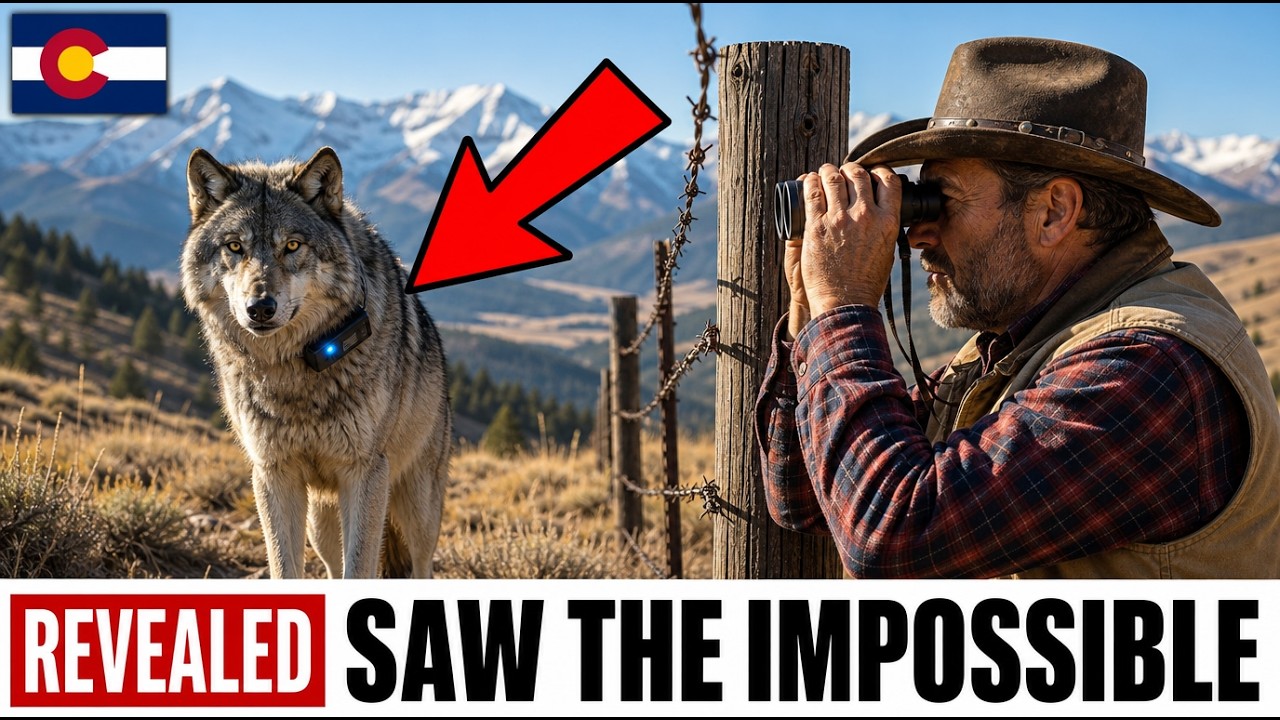
Just one year after Colorado dropped ten wolves into the backcountry, a rancher spotted something that challenged the entire program’s promise. Wildlife officials had hailed the reintroduction as a historic restoration of a native predator.
In December 2023, ten gray wolves were released onto public land in Grand County, Colorado, after being captured in Oregon....
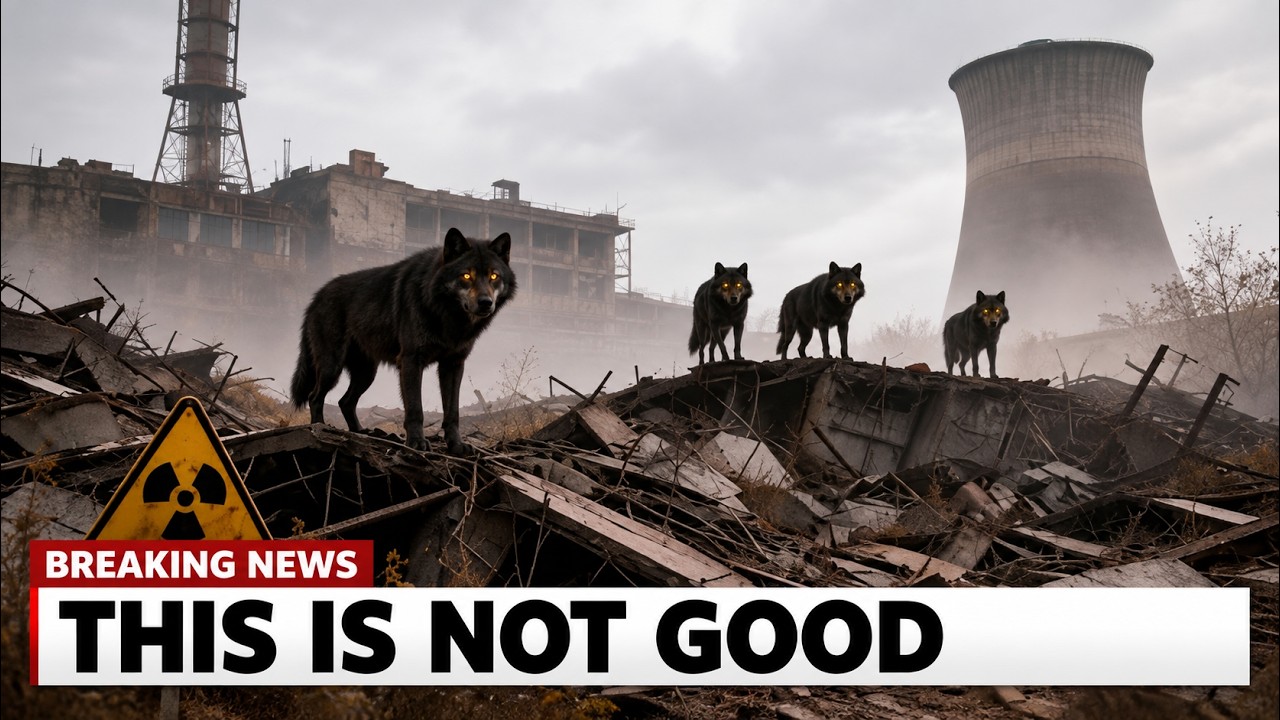
Scientists set up cameras in the Chernobyl Exclusion Zone expecting ghosts of the past—but captured something entirely different. Wildlife supposedly missing from the region for a century has returned, and the footage is reshaping what experts believed about the disaster’s aftermath.
The Chernobyl Exclusion Zone, a 2,600-square-kilometer area of Ukraine and Belarus, was not created as a nature reserve. It came...

New Mexico’s African oryx are spreading fast—and they’re far more dangerous than anyone expected. These massive antelope, imported decades ago for hunting, have thrived in the desert, their population exploding beyond control.
In the desert between White Sands and Highway 70 in Southern New Mexico, a large antelope stands in the brush....