Arizona locals know the desert hides more than rattlesnakes, but even they fear the creatures lurking in plain sight. Experts warn the state’s most dangerous animals rarely announce themselves, striking without warning in backyards, trails, and even swimming pools.
In Arizona, discussions about dangerous wildlife usually focus on animals people can see and identify. Rattlesnakes, mountain lions, and other desert predators dominate public concern. But the animals most likely to harm residents are smaller, less visible, and often found inside homes.
The gap between perceived danger and actual risk is significant. Large predators rarely come into contact with people. Mountain lions, for example, are capable of killing large prey, but confirmed fatal attacks on humans in North America have been very rare over the past century. In Arizona, deaths from mountain lion encounters are essentially negligible.

Similarly, the Gila monster is one of the few venomous lizards in the world. Its venom is potent, but the animal delivers it by chewing rather than striking with fangs. A bite requires prolonged contact, usually by someone handling the lizard. No reliably documented modern death from a Gila monster exists in Arizona.
The Sonoran coral snake also carries a potent neurotoxin. However, it is small, secretive, and rarely bites humans. There is no confirmed human death from this snake in the United States.
The pattern shifts with the western diamondback rattlesnake. It is responsible for a large share of venomous snake bites in the country and more deaths than any other rattlesnake species. Bites frequently occur near homes rather than in remote wilderness. People often encounter them on patios, in gardens, or near warm concrete surfaces after sunset. Many bites happen when someone steps off a porch in the dark without shoes.
The Mojave rattlesnake presents a further complication. It resembles the western diamondback closely, and even longtime desert residents can struggle to tell them apart. Some Mojave populations carry a venom component that can make their bites more dangerous. The potency varies by region, so the actual risk depends on location and the individual snake.
At this point, the danger begins moving indoors. The giant desert centipede can grow past eight inches and moves quickly. When monsoon heat arrives, it seeks cooler, damper environments, which often means inside houses. It can enter bathrooms, drains, or shoes left outside. Its bite is painful but rarely medically serious. The main concern is its proximity to people.
The black widow spider is widely recognized by its red hourglass marking. It builds webs in places where human hands often go without looking, such as under patio benches, in wood piles, or inside garages. Bites typically occur when someone reaches into an unseen space. Its venom is a neurotoxin, and bites can be medically significant.
Arizona also has native recluse spider species, though the brown recluse itself is not established in the state. Many wounds attributed to brown recluse bites are actually caused by other conditions, such as infections. The native recluse species are plain brown spiders that tend to stay in undisturbed areas like closets or storage boxes.
Africanized honeybees, established in Arizona since the 1990s, defend their colonies in large numbers. Disturbing a hive can trigger a defensive swarm that may pursue a person over a considerable distance. Documented deaths from mass stinging have occurred, often involving people who could not get away quickly. A common trigger is the vibration of a lawnmower near a wall where a colony has settled.
The Arizona bark scorpion is the most venomous scorpion in North America and one of the most common in Phoenix and Tucson homes. It can climb walls and drop from ceilings. It is pale and hard to see in dim light, and it often hides in folded laundry, bed sheets, or shoes. Its sting is frequent and painful, and it has historically been most dangerous to small children. An antivenom now exists, making deaths rare. A black light can reveal the scorpions in a room, as they glow under ultraviolet light.
The kissing bug feeds at night, drawn to the warmth and breath of a sleeping person. Its bite is painless and often goes unnoticed. The wound itself is not the main concern. Some of these insects carry a parasite that can cause Chagas disease, which may damage the heart over time. In Arizona, kissing bugs do carry this parasite, but human transmission in the United States is relatively uncommon compared to Latin America. Most diagnosed American cases were acquired elsewhere. The risk is real, local, and low.
When ranked by actual likelihood of contact, the list reverses the usual order of fear. Large, visible predators are the least likely to reach an ordinary person. The animals most likely to cause harm are small, common, and already present in everyday spaces. The ones people can see and name are the ones kept at a distance by their own visibility. The ones that actually reach people are quiet enough to go unnoticed entirely.
Recommended Stories
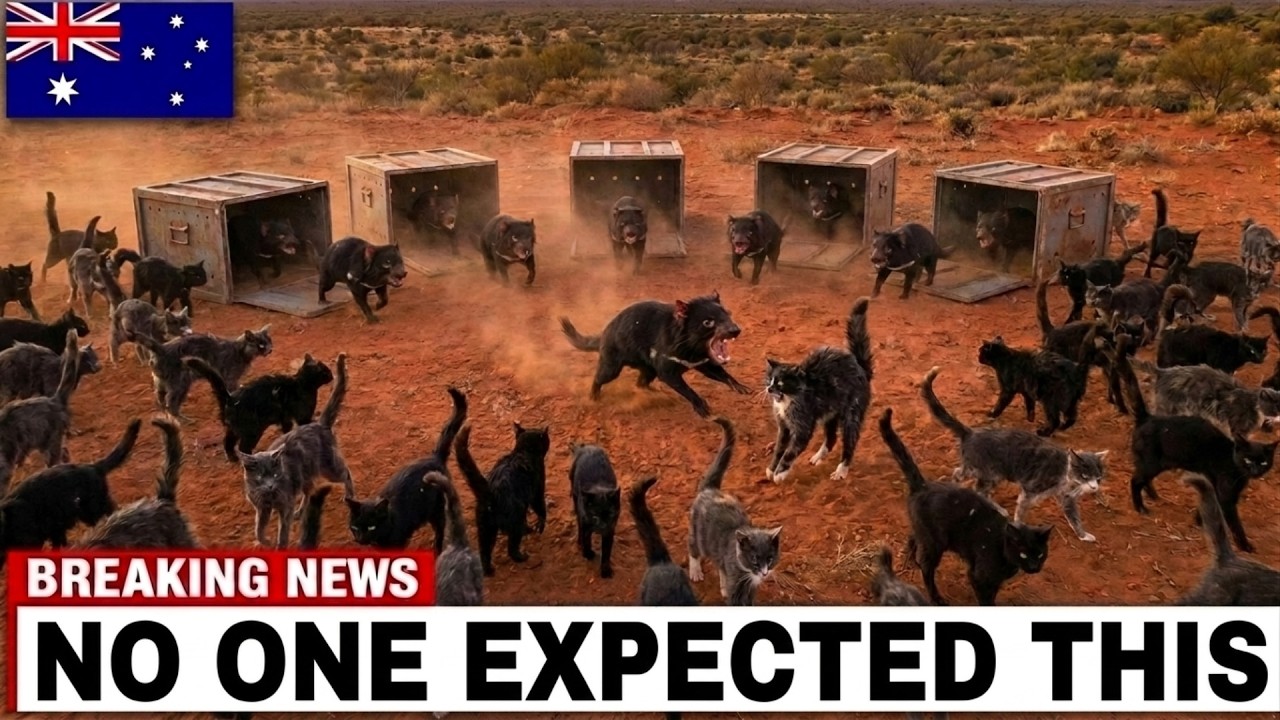
Scientists just watched Australia unleash its largest carnivorous marsupial, and the reaction from feral cats left them stunned. The predator, a species once wiped from the mainland, was reintroduced into a controlled landscape crawling with invasive cats.
On September 10, 2020, wildlife officials released 26 Tasmanian devils into a fenced sanctuary in the Barington Tops forest of...
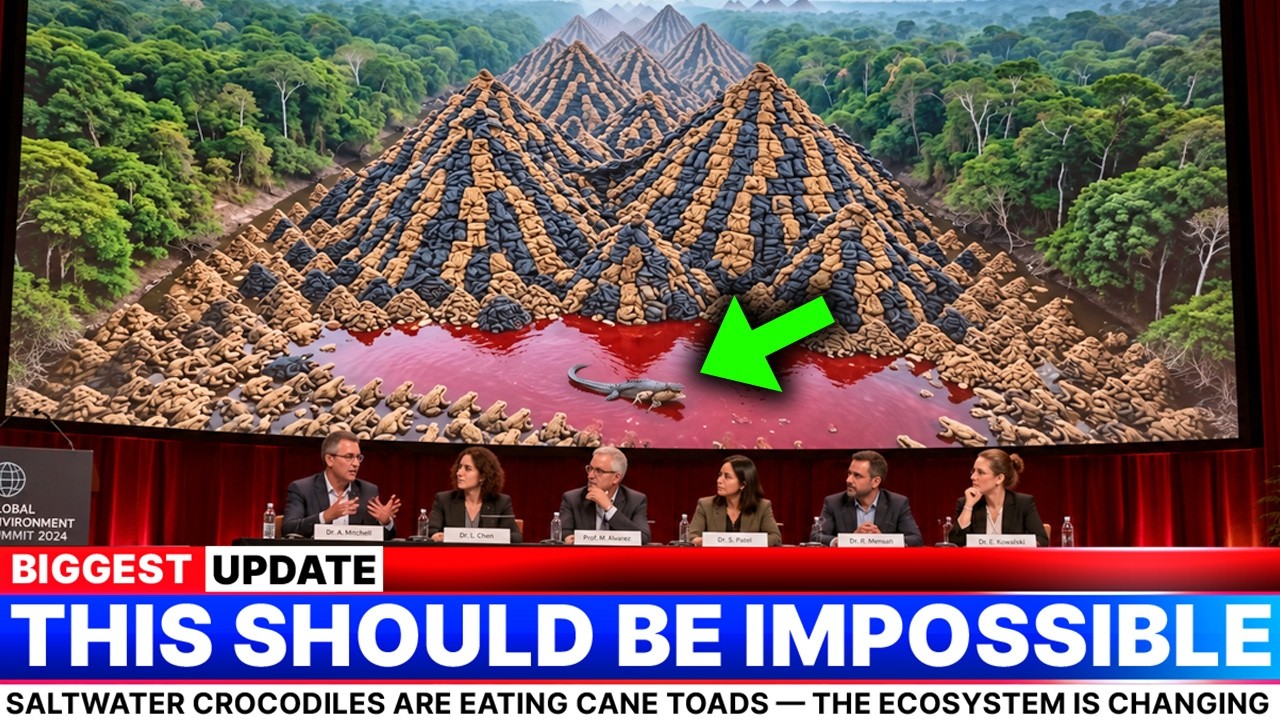
The world’s largest reptile now has a taste for poison, and the ecosystem may never recover. Scientists tracking saltwater crocodiles in Australia discovered their stomachs full of cane toads, an invasive species packed with lethal toxins.
Cane toads, introduced to Australia in 1935, have spread across the country's north, causing significant harm to native wildlife. In...
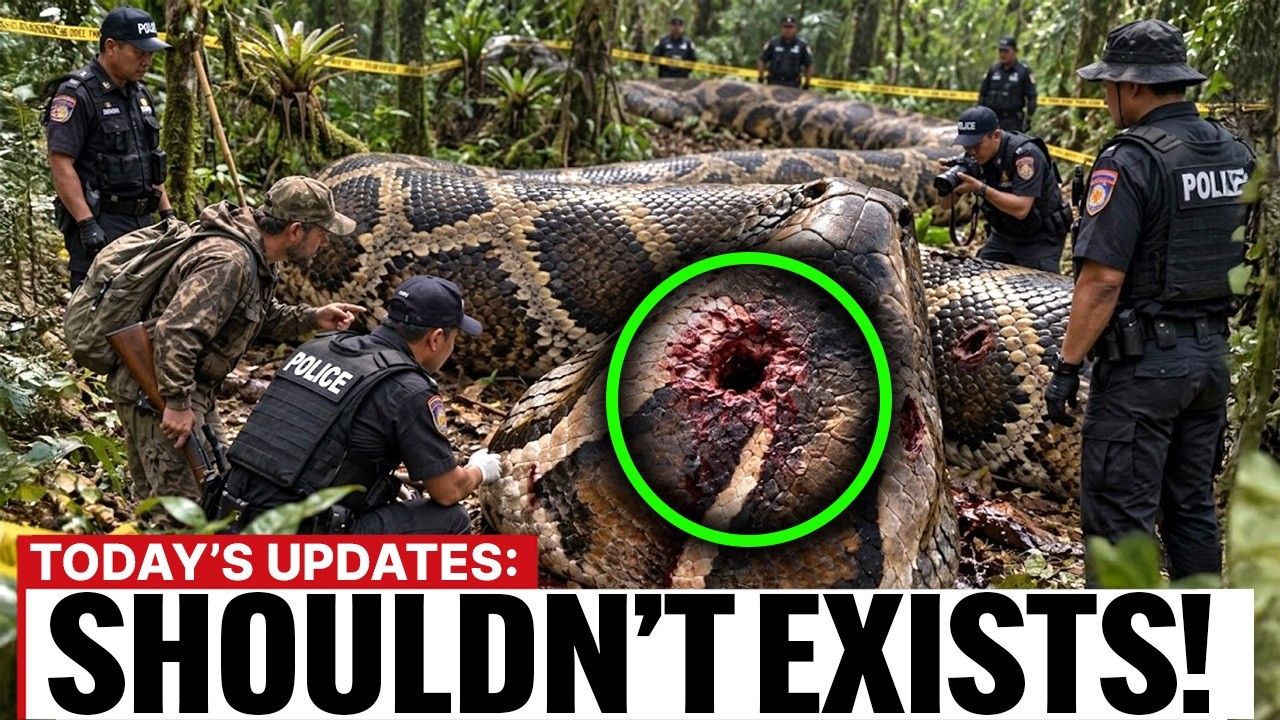
Australia’s biggest python ever found has surfaced, and overnight, photos of the massive serpent broke the internet. The reptile, reportedly measuring over twenty feet, was discovered by locals before being taken into custody by wildlife authorities.
A group of hunters walking near the Daintree River in far north Queensland initially passed what they thought was a...