A camera plunged 36,000 feet into the pitch-black Mariana Trench, and what it captured has scientists deeply unsettled. The mission aimed to document unknown deep-sea life in the ocean’s most extreme zone.
The deepest part of the ocean floor, the Challenger Deep in the Mariana Trench, sits at approximately 10,935 meters below the surface, according to the most carefully checked measurement taken in June 2020. Water pressure there is roughly 16,000 pounds per square inch, about a thousand times what a person experiences at sea level.
The depth has been measured repeatedly since the Royal Navy survey ship HMS Challenger first recorded a sounding at the location on March 23, 1875, using a weighted rope that returned a reading of about 8,184 meters. Each generation of instruments has refined the figure.
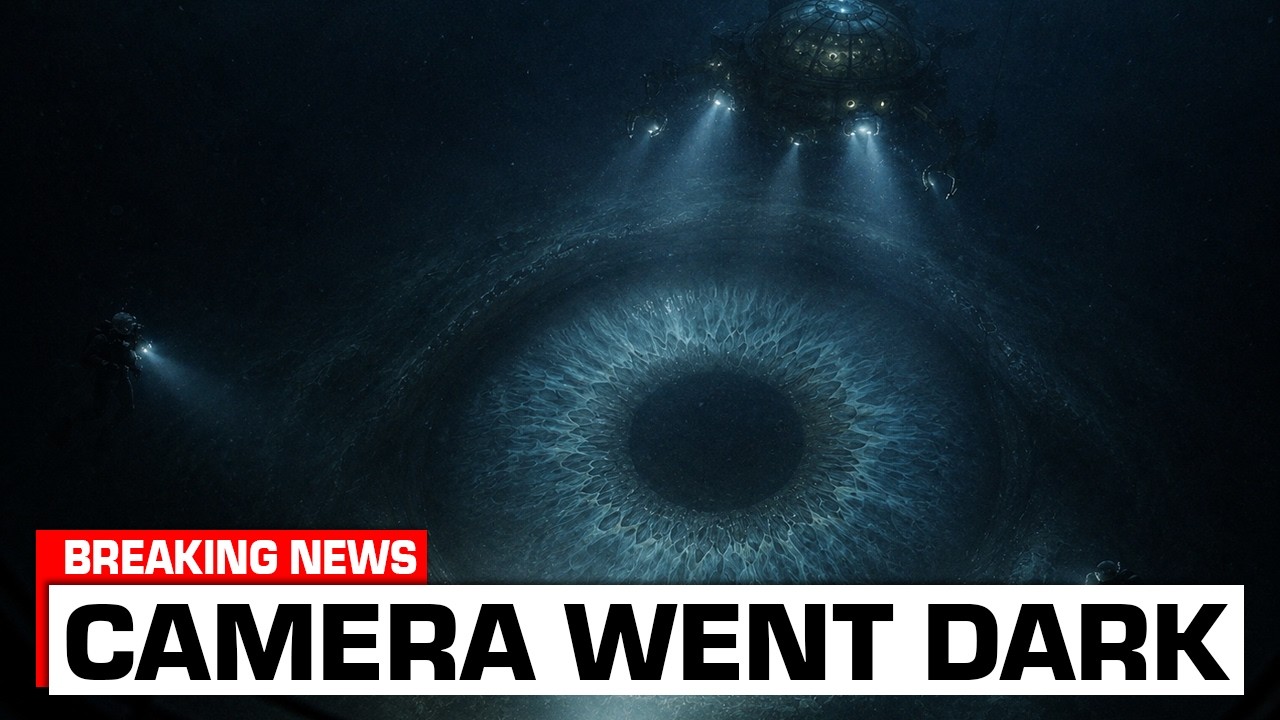
Much of the imagery from the deepest parts of the ocean has not come from crewed submarines but from landers, which are frames equipped with weights, floats, lights, cameras, and sometimes baited traps. They are dropped from a ship, sink without a tether, film whatever passes through the light, and return to the surface on a timer or after receiving a signal. The design removes the risk to human life and allows multiple units to be deployed at different depths at the same time.
A review of footage from Japanese deep-sea archives found roughly 3,000 pieces of human-made debris across more than 5,000 dives. About a third of the classifiable material was plastic, and 89 percent of that was single-use. The deepest item in the database was a plastic bag filmed at 10,898 meters in the Mariana Trench in 1998. The recording sat in an archive for two decades before being reviewed for a 2018 study published in the journal Marine Policy.
In 2019, Victor Vescovo, on a submersible dive as part of the Five Deeps expedition, reported seeing a plastic bag and candy wrappers alongside several marine creatures during a four-hour visit to the trench floor.
Plastic has also been found inside animals collected from the deep. A 2017 study led by marine ecologist Alan Jamieson examined scavenging amphipods, small shrimp-like crustaceans, taken from between 7,000 and 10,250 meters in the Mariana and Kermadec Trenches. The animals showed high concentrations of persistent organic pollutants, including PCBs, once used as electrical insulators, and PBDEs, once used as flame retardants. PCB levels in the trench crustaceans were up to 50 times greater than those found in crabs from China’s Liao River system, one of the country’s more polluted waterways.
A larger study published in February 2019 examined the hind guts of 90 amphipods collected from six trenches around the Pacific Rim. More than 72 percent of the animals had swallowed at least one microplastic particle. In the Mariana Trench, every animal examined contained at least one man-made fiber. Chemical analysis of the fibers identified materials including nylon, polyethylene, polyamide, and polyvinyl chloride, materials common in clothing and packaging.
In 2020, researchers described a new species of amphipod from the Mariana Trench. While examining specimens, doctoral student Johanna Weston found a microfiber in the hind gut of one individual, with a chemical signature roughly matching polyethylene terephthalate, the plastic used in drink bottles and workout clothing. The team named the species Eurythenes plasticus to highlight that even newly discovered species in the deepest habitats are already contaminated.
Trench amphipods have also carried a tracer from a different source. Nuclear weapons tests in the late 1950s and early 1960s roughly doubled the amount of carbon-14 in the atmosphere. A 2019 study led by geochemist Ning Wang found that amphipods collected from deep trenches in the tropical West Pacific had carbon-14 levels in their muscle tissue far higher than the organic matter in the deep water around them, and their gut contents matched material from the ocean surface. The finding indicated that the animals are feeding on debris that falls from the sunlit surface, which means surface material reaches the deepest seafloor far more quickly than ocean circulation alone would allow.
A separate 2020 study traced mercury in trench animals back to human emissions. Researchers compared the ratios of mercury isotopes in snailfish and amphipods from the Mariana and Kermadec Trenches with mercury from fish feeding at around 500 meters in the central Pacific. The fingerprint matched, indicating that mercury from human sources rides down inside sinking carcasses and enters the food web at the bottom.
The pressure at depth places chemical limits on what can live there. A 2014 study explained why no fish has been found below roughly 8,200 meters. Fish rely on a compound called trimethylamine oxide, or TMAO, to keep proteins stable under pressure. The deeper a fish lives, the more TMAO it must carry. But loading enough TMAO for extreme depths would change the animal’s internal salt balance to the point where it could no longer regulate water, and would eventually make muscles too stiff to flex. The deepest fish ever filmed was a juvenile snailfish recorded at 8,336 meters in the Izu-Ogasawara Trench in August 2022, close to that predicted ceiling.
There is documented life below the fish zone. Between July and August 2024, the Chinese submersible Fendouzhe filmed dense clusters of tubeworms and beds of clams on the seafloor of the Kuril-Kamchatka and western Aleutian trenches at depths down to 9,533 meters. The organisms live on hydrogen sulfide and methane that travel up along geological faults, converted into food by bacteria, some of which live inside the animals’ tissues. The findings, published in Nature in July 2025, represent the deepest chemosynthesis-based community documented, and the research team suggested that similar communities may exist in other trenches.
Not every machine sent to those depths has returned. The Japanese remotely operated vehicle Kaiko was lost at sea in 2003. The Woods Hole Oceanographic Institution’s Nereus, a hybrid vehicle that could operate freely or be tethered by a hair-thin optical fiber, imploded under pressure on May 10, 2014, at a depth of 9,990 meters in the Kermadec Trench during a planned nine-hour dive. Before its loss, Nereus had reached the Challenger Deep in 2009 and gathered footage from previously unseen habitats. The crew located floating debris after losing contact, and scientists concluded part of the vehicle had collapsed under the pressure.
As of July 2022, 27 people had been documented reaching the Challenger Deep, a number far smaller than the more than 600 people who have traveled to space.
The overall extent of human observation of the deep sea remains very small. A study published in Science Advances in May 2025 compiled more than 43,000 submersible dive records going back to 1958 and concluded that humans have visually observed less than 0.001 percent of the deep sea floor, which covers about 66 percent of the Earth’s surface. The area actually seen is roughly the size of Rhode Island. About 65 percent of observations were made in the waters of the United States, Japan, or New Zealand.
Sonar mapping of the seafloor has progressed further. In April 2026, the Nippon Foundation and GEBCO Seabed 2030 project reported that about 28.7 percent of the world’s ocean floor has been mapped to modern standards, up from around 6 percent when the project began in 2017.
The International Seabed Authority, the UN-linked body that oversees seabed mining beyond national jurisdiction, has been working since 2014 to finalize a set of exploitation rules known as the mining code. The ISA council met in Kingston, Jamaica in March 2026 and again in July 2026 without reaching agreement. More than 30 countries have called for a pause or moratorium on deep-sea mining. The United States, which is not an ISA member, moved separately in January 2026 when the National Oceanic and Atmospheric Administration streamlined its process for deep-sea mining license applications under a 1980 federal law.
Recommended Stories

Cameras positioned across the Brazilian Pantanal have captured footage of jaguars reclaiming territory once abandoned by ranchers, and what the cameras revealed is reshaping conservation science. For decades, cattle farming pushed these apex predators to the edges of their habitat, but after land shifted hands, researchers watched the big cats roar back in unexpected numbers.
In November 2025, a camera network operated by the University of Arizona recorded a jaguar at a remote desert water...
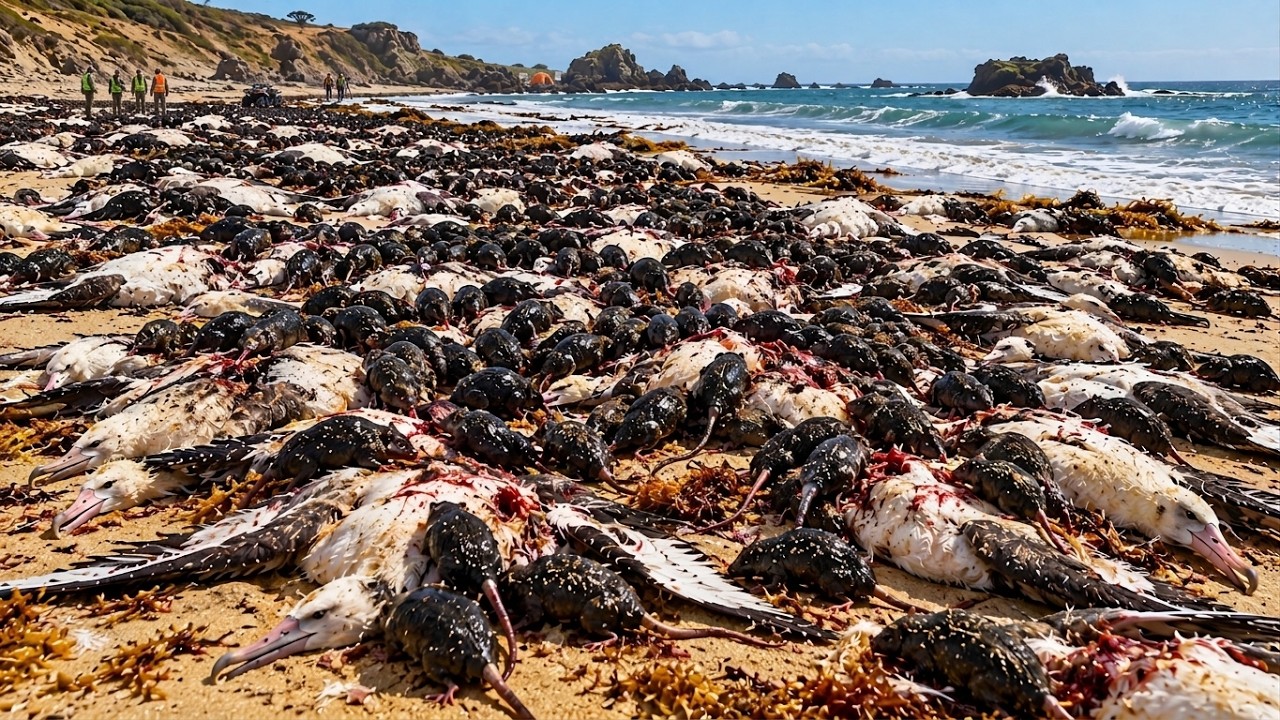
On a remote island, mice were no longer nibbling seeds—they were gnawing on living albatross chicks, feasting on them alive. Conservationists documented the gruesome shift as invasive rodents overwhelmed the world’s largest seabirds at their breeding colony.
On a remote island in the South Atlantic, a population of house mice has been causing severe harm to one...
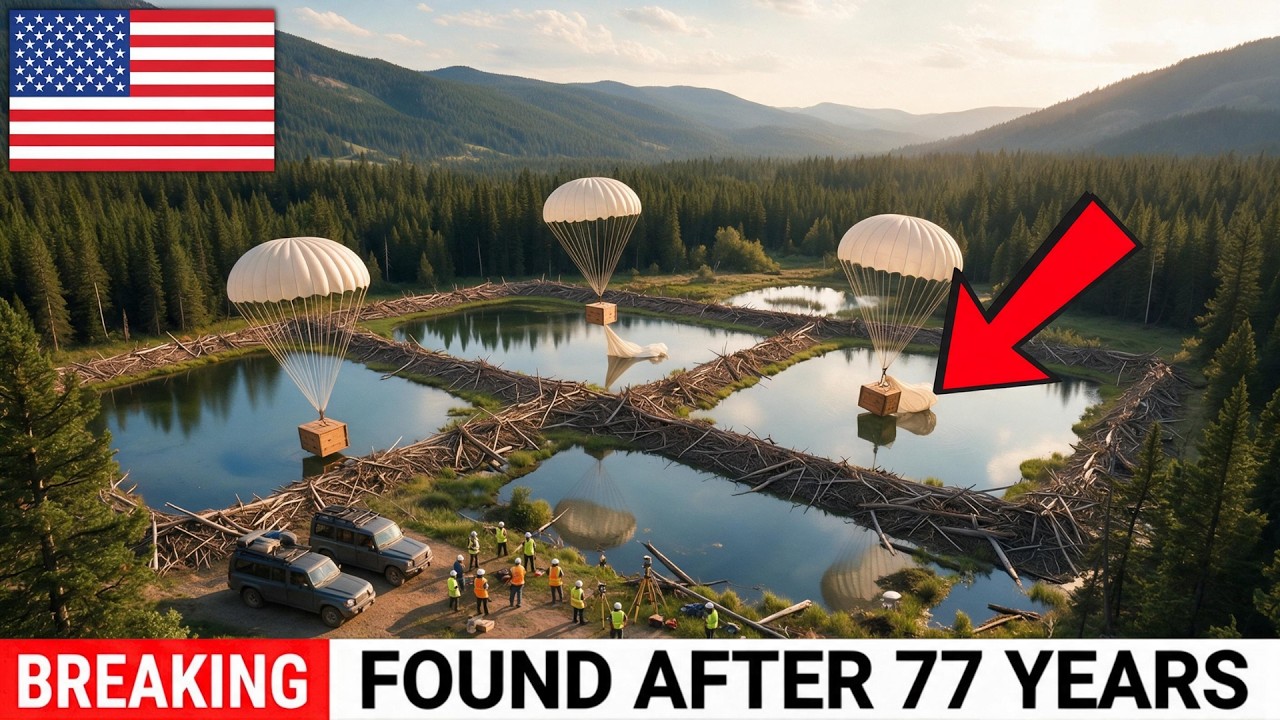
In 1948, Idaho officials parachuted 76 beavers into a forest they’d deemed dead, a last-ditch effort born of conflict with local residents. The rodents were meant to restore collapsed waterways, but nobody predicted what they would ultimately create.
In August 1948, a twin-engine plane lifted off from a small airstrip in McCall, Idaho, carrying eight wooden crates. Inside...