Oregon dropped five beavers into a dead, barren meadow, a last-ditch ecological experiment. Within weeks, the dry landscape began transforming as the animals started building with mud and willows.
In February 2025, five beavers were released into a headwater creek in southwest Oregon, part of a long-term restoration effort at the Cascade-Siskiyou National Monument. The animals, a family group of two adults and three offspring, had been removed from an irrigation ditch and relocated to the prepared site. The release was the culmination of six years of preparation by Project Beaver and the Vesper Meadow Education Program.
The project is based on the principle of beaver-based restoration. The idea is that beavers, through their dam-building, can slow the flow of water, raise water tables, and restore damaged ecosystems. The team spent years preparing the site. Volunteers planted hundreds of willow stakes, a preferred beaver food, and installed dozens of hand-built wooden structures in the creek designed to slow water and stabilize the channel.
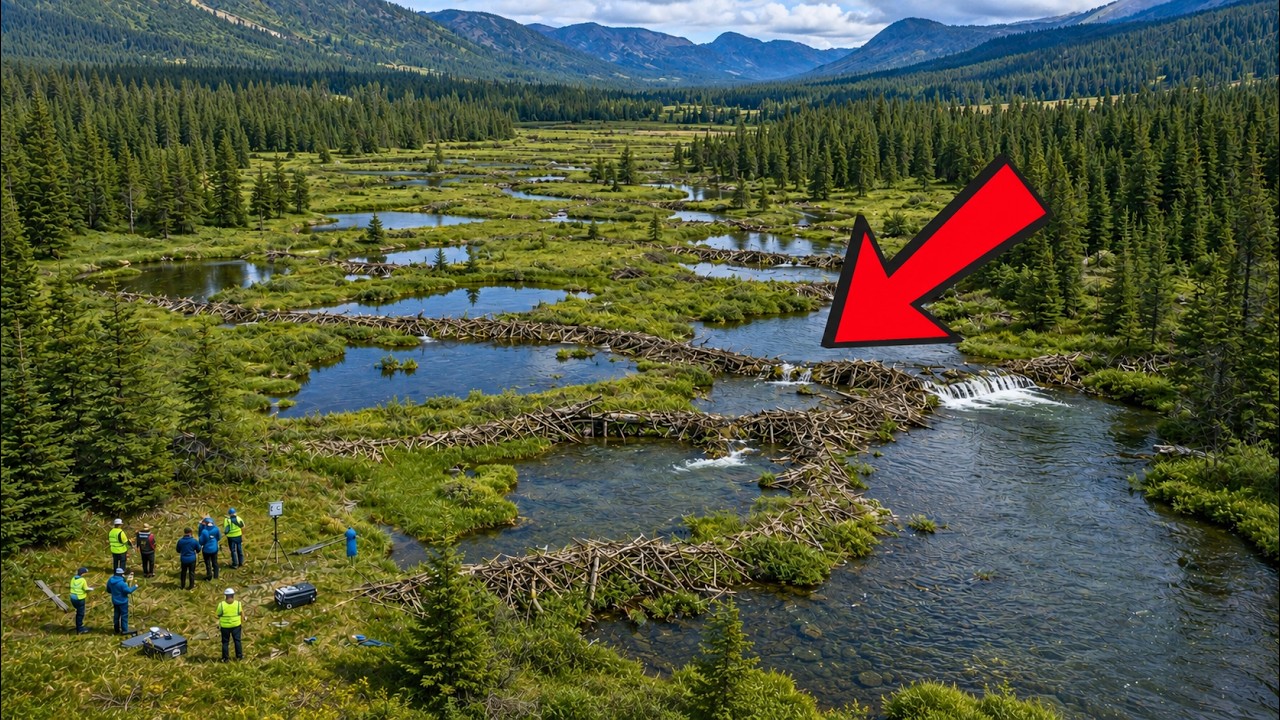
The need for restoration at Vesper Meadow dates back centuries. Beavers once numbered in the hundreds of millions across North America and shaped waterways across the continent. The fur trade, particularly in the early 19th century, drastically reduced their population. By 1900, fewer than 100,000 beavers remained. The loss had lasting effects. Without beaver dams, streams eroded downward, water tables dropped, and wet meadows dried out.
Lap Gaw Creek at Vesper Meadow had become severely degraded over time. Photographs from 2019 show the stream bed cut down to bedrock in places, with eroding banks. An irrigation structure from 1960 and the removal of streamside willows in the 1970s contributed to the problem. The creek was functioning as a drainage ditch, with high flows in spring and little water in summer.
The project’s approach was to install post-assisted log structures, or PALS, to mimic the effect of beaver dams. The first phase was completed in October 2022 with 20 structures. By the end of 2025, the watershed held 90 such structures. These installations slow water, trap sediment, and raise the channel bed. The goal was to create conditions where beavers could survive and eventually take over the maintenance of the system.
The five beavers released in 2025 came from a conflict situation. They had built a colony in a ditch in the Gold Hill Irrigation District and were facing removal. Project Beaver relocated them instead. Transporting a family unit was considered important because the adults already knew how to build, and the juveniles could learn from them. The animals were carried to the site in bags and released with food left nearby.
The decision to use beavers for restoration is supported by a growing body of research. Beavers are recognized as a keystone species. Their dams create wetlands that store water, support a variety of wildlife, and can reduce flood peaks. In fire-prone areas, wet beaver meadows can act as natural firebreaks. Studies have documented fish and amphibians moving into new beaver ponds, and the broader ecosystem benefits are significant.
Oregon has also begun to adjust its policies toward beavers. House Bill 3464, passed in 2023, changed the classification of beavers on private land from predatory animals to furbearers, requiring permits for lethal control. A later bill proposed creating a state fund to support non-lethal tools like fencing and flow devices. Another proposal sought to limit beaver trapping on public waterways considered impaired.
By December 2025, the project had reported that the beaver family had remained in the area. The concern that the animals might disperse had not materialized. The meadow was holding more water for longer, and plant life was shifting back toward native species. Volunteers logged 800 hours in 2025, planting native vegetation and maintaining the site. Researchers were monitoring bird populations and a rare butterfly species dependent on wet meadow habitat.
Both Vesper Meadow and Project Beaver lost federal funding in early 2025, the same year the project saw its main success. The teams plan to continue their work on a smaller scale, maintaining the site and sharing the model with other landowners. The project offers an example of how a single beaver family, with adequate preparation and time, can contribute to reversing long-standing ecological damage.
Recommended Stories
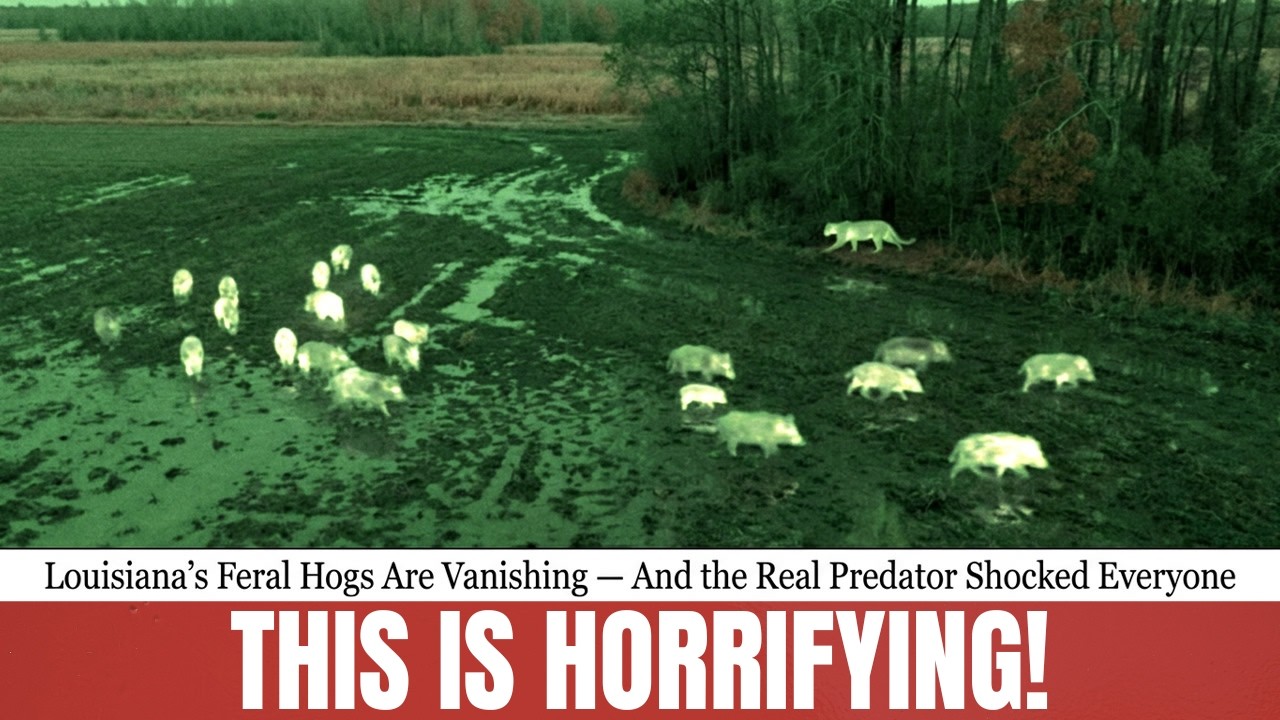
Louisiana’s wild hogs are vanishing—and thermal drones captured a predator that shocked even veteran hunters. At 3 a.m.
At 3 a.m. in Avoyelles Parish, Louisiana, Wade Carion was watching a thermal drone feed over a rice field when...
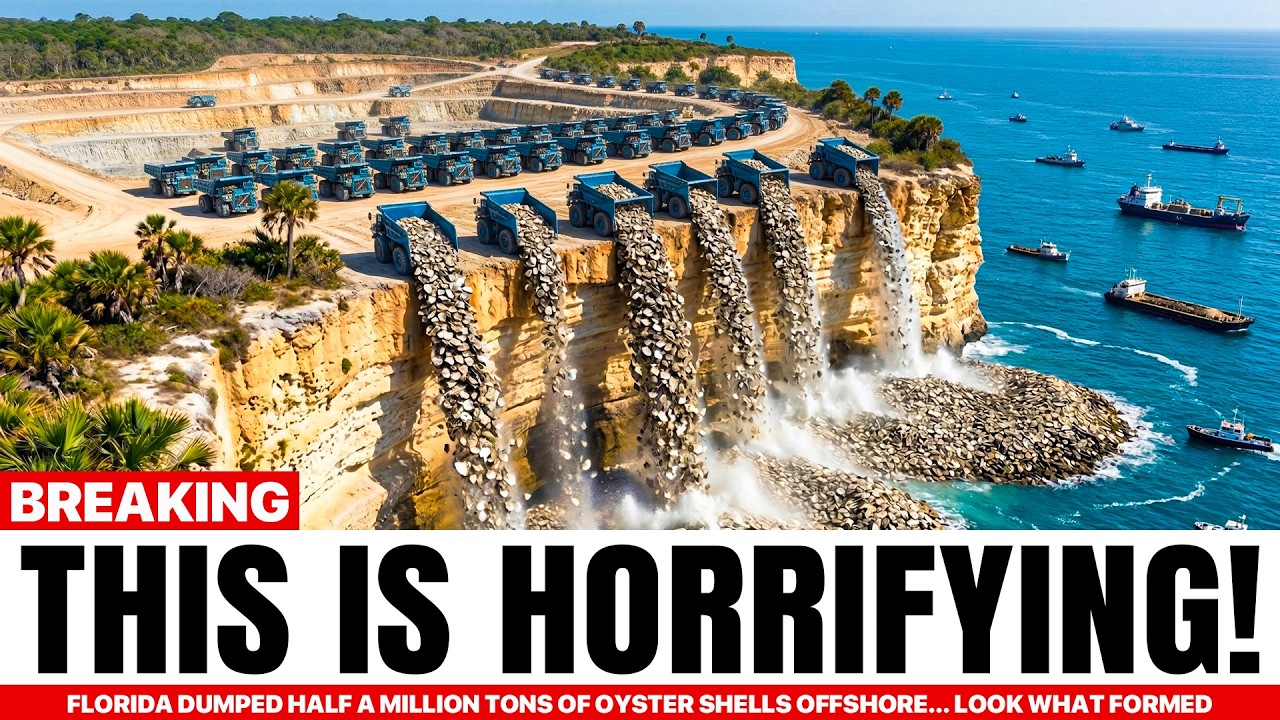
Five hundred thousand tons of oyster shells dumped into the ocean off Florida, and the result stunned researchers. The massive artificial reef was meant to restore eroding shorelines, but something entirely unexpected formed in the murky water.
Between 2007 and 2024, the Florida Fish and Wildlife Conservation Commission ran an ecological restoration program that collected discarded oyster...
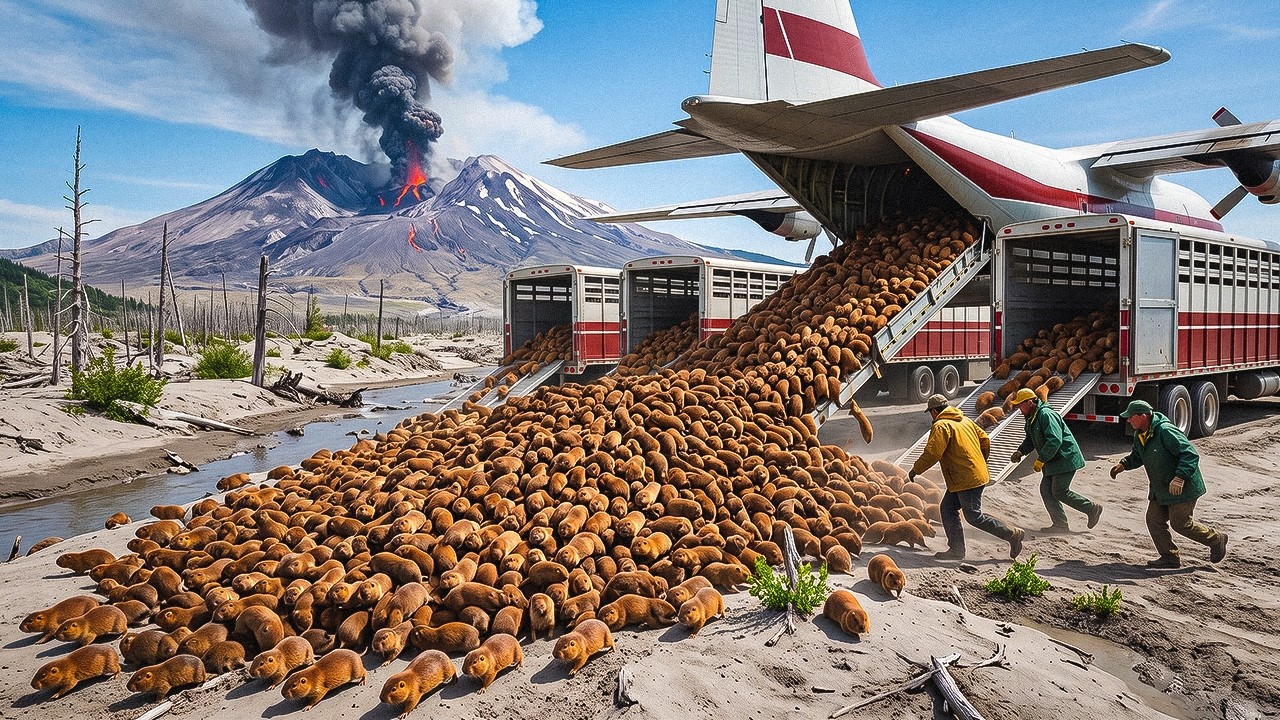
When Mount St. Helens erupted in 1980, the blast leveled forests and buried the landscape under thick volcanic ash, making survival seem impossible.
Two years after Mount St. Helens erupted in 1980, the pumice plain north of the crater was considered the most...