A predator scientists never expected has been silently hunting New York City’s rats at night, and the rodents are vanishing in staggering numbers. Researchers tracking the city’s estimated three million rats noticed entire colonies collapsing without any obvious cause.
Dominique Russo has lived in the same neighborhood in Throggs Neck, Bronx for 31 years. He works the night shift at a bakery distribution warehouse, a job he has held for the past 18 years. He leaves home at 3:00 a.m. each morning to start work at 4:00. Over nearly two decades, he has become familiar with the neighborhood at that hour, including which streets are lit, which are dark, and the movement patterns of rats along his route.
In early spring 2023, Russo noticed that a gap in traffic on Lafayette Street that rats typically used to cross was becoming quieter than usual. He also began noticing a shape at the tree line behind an auto repair yard two or three nights a week. He initially assumed it was a stray dog. He changed his mind the first night he saw the animal stop, lower its head, and move with a stillness he had not observed in a stray dog.
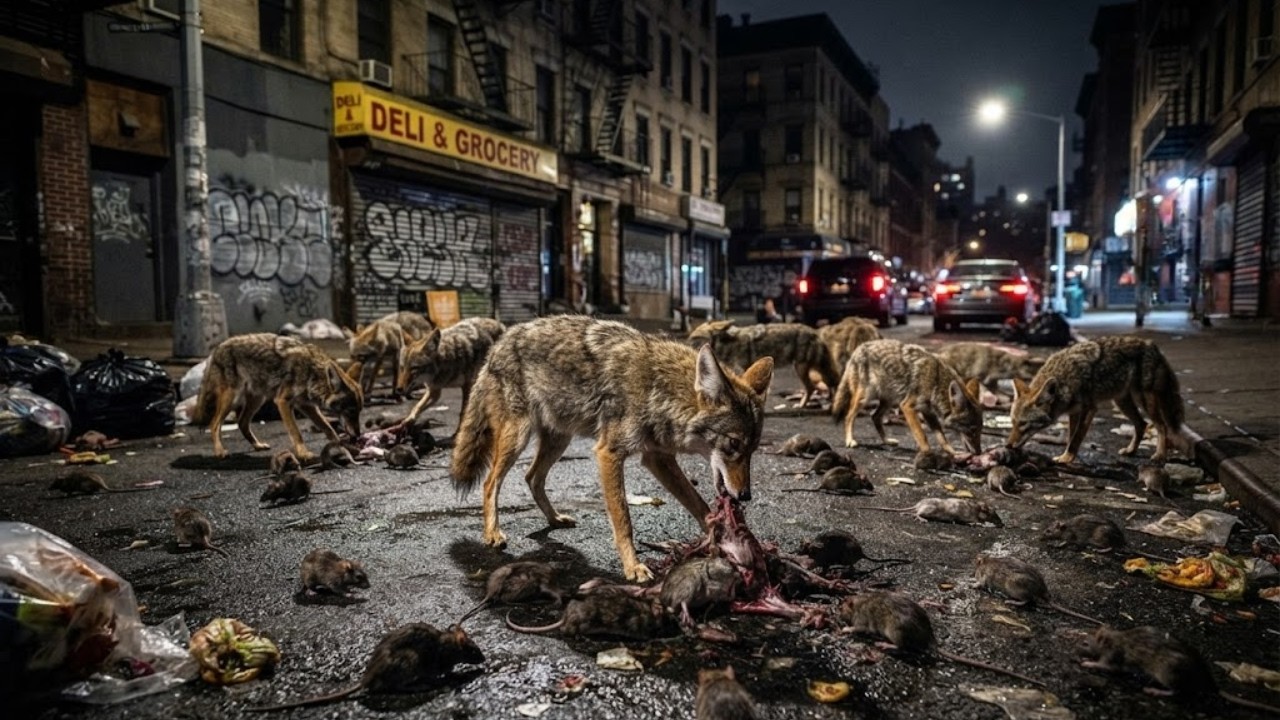
The observation aligns with broader changes documented by researchers studying wildlife in New York City’s outer boroughs. Data from 311 complaints in specific housing clusters in the Bronx, Queens, and Staten Island show a pattern of decline in rat populations that does not match the documented activity of predatory birds in Manhattan and Brooklyn. The geography differs, as does the predator, which operates on the ground through the same pathways Norway rats have used without significant challenge for decades.
To understand the difference, it helps to consider the limitations of bird predation. Peregrine falcons and great horned owls require vertical infrastructure for nesting, such as skyscraper ledges, water towers, and dense park trees. Manhattan and densely populated parts of Brooklyn and the Bronx provide this abundantly. Industrial corridors, rail yards, cemetery edges, and low-density residential areas in the outer boroughs do not offer the same nesting conditions.
Dr. Webb, a researcher, expanded a corridor mapping project to include outer boroughs in 2022 after a colleague at the Wildlife Conservation Society flagged unusual decline patterns in neighborhoods where no nesting bird data existed. The decline was real, but the mechanism was not present in his existing predator dataset. He requested camera trap data from a parallel urban carnivore monitoring project that had been operating independently in the Bronx and Queens since 2015. When he compared the two datasets, the correlation in outer borough areas was as strong as the bird data correlation in Manhattan.
The results pointed to an animal that was not present in any of the five boroughs as a breeding, resident population before the early 2000s: the coyote. The eastern coyote, distinguishable from its smaller western counterpart by its larger size and wolf-influenced genetics, began appearing in the Bronx around 2011. It likely crossed into the borough via rail lines and highways from Westchester County. Since then, coyotes have been documented in Queens, with confirmed sightings in Staten Island and Brooklyn, completing colonization of all five boroughs within roughly a decade and a half.
Coyotes hunt Norway rats differently than birds of prey do. While falcons and owls exploit a rat’s vulnerability to vertical threats, coyotes apply direct competitive interference. Coyotes are opportunistic omnivores, with rodents as a primary prey item in their documented diet. In urban environments with limited deer availability, rodents form a larger share of their diet.
A coyote patrolling abandoned industrial land or cemetery edges at 3:00 a.m. hunts the same prey in the same habitat during the same active feeding period that rats use to move between shelter and food sources. Unlike birds that strike from above, coyotes are ground predators that rats might theoretically detect. The difference lies in size and stealth. Coyotes move through urban areas with a quiet efficiency that New York rats are not adapted to evade. Three centuries of behavioral adaptation to cats, dogs, and pedestrian traffic did not prepare Norway rats for a group-coordinated hunter that can remain still for long periods and cover a hunting area measured in city blocks.
Red foxes add a second layer of pressure in the same areas where coyotes are consistently documented. Foxes have inhabited outer borough corridors longer than coyotes, with documented presence in Brooklyn and Queens cemetery corridors, including Green-Wood Cemetery and several large historic cemetery complexes that form unusually large connected green spaces in the urban fabric. Foxes hunt different size classes of prey than coyotes, taking rats individually using the same ambush-and-pounce method they use against any small mammal.
Cemetery corridors, with their protective cover, relative quiet, and proximity to residential rat populations along cemetery edges, serve as a hunting ground that foxes controlled long before coyotes arrived. The combined predation pressure from both species covers a broader range than either produces alone, with coyote patrols covering open areas while foxes operate in denser areas at cemetery edges.
Great horned owls form a third layer in outer borough areas, with tree canopy density in parks supporting nesting and adding the same aerial suppression mechanism documented in Manhattan corridors to ground-level coyote and fox pressure. Pelham Bay Park in the Bronx supports both a stable great horned owl territory and confirmed coyote denning activity within the same multi-hundred-acre area. Dr. Webb’s data from the Pelham Bay corridor shows the largest sustained decrease in complaints of any area in the outer borough dataset.
Coyotes have a history of persecution that predates their arrival in New York City. They were targeted by federal predator control programs throughout the twentieth century, including large-scale poisoning campaigns run by the U.S. Biological Survey starting in the 1920s. Compound 1080 and strychnine baits killed hundreds of thousands of coyotes over decades. Coyotes survived where wolves did not for a specific biological reason: their reproductive biology responds to population pressure by increasing litter size and lowering the age of first reproduction, a compensatory mechanism wolves lack. Each poisoning campaign that reduced coyote density triggered a reproductive rebound that often restored populations within a few breeding seasons.
Coyotes reached New York City not because of any particular feature of the five boroughs, but because a species adapted to sustained persecution and continuous expansion finally reached the edge of one of North America’s largest unexploited urban prey bases. Metro-North rail lines extending south from Westchester County into the Bronx run parallel to undeveloped vegetated corridors and abandoned industrial branches, functioning as a connected green corridor. Camera trap data documented coyote movement along these corridors in the years before the first confirmed dens in the Bronx. No confirmed coyote attack on a person has been recorded anywhere in the city’s history.
The arrival was not designed as a rat suppression strategy. Coyotes crossed into the Bronx because regional wolf and mountain lion populations, which limited coyote range expansion through intraspecific competition, had been extirpated from the Northeast over a century ago. This removed a barrier to coyote expansion, a consequence of nineteenth-century persecution of large carnivores across the eastern United States.
The Wildlife Conservation Society’s carnivore monitoring project was created to track urban wildlife biodiversity, not to evaluate rat control outcomes. The 311 complaint map was built for a separate purpose by a researcher unaware of the carnivore project until a colleague connected them in 2022. Three independent research tracks converged on a conclusion none of them had set out to find.
Russo still leaves home at 3:00 a.m. The gap in the chain-link fence behind the auto repair shop remains. Traffic patterns on Lafayette Street have not changed. What has changed is what waits at the tree line two or three nights a week—a shape he no longer mistakes for a stray dog, standing still at the edge of the lot with patience that has nothing in common with anything domestic. He has not reported it. He does not feel unsafe passing by. He has simply adapted, as one adapts to a new feature on a familiar route.
The question of what will happen to outer borough rat populations as coyote territories continue consolidating across the five boroughs, and as overlap zones between coyote, fox, and owl pressure expand beyond initial Bronx and Staten Island corridors, is what Dr. Webb now maps from carnivore monitoring data each season. Coyote range continues to fill gaps between initial Bronx settlement and recent confirmed presence in every borough.
Recommended Stories
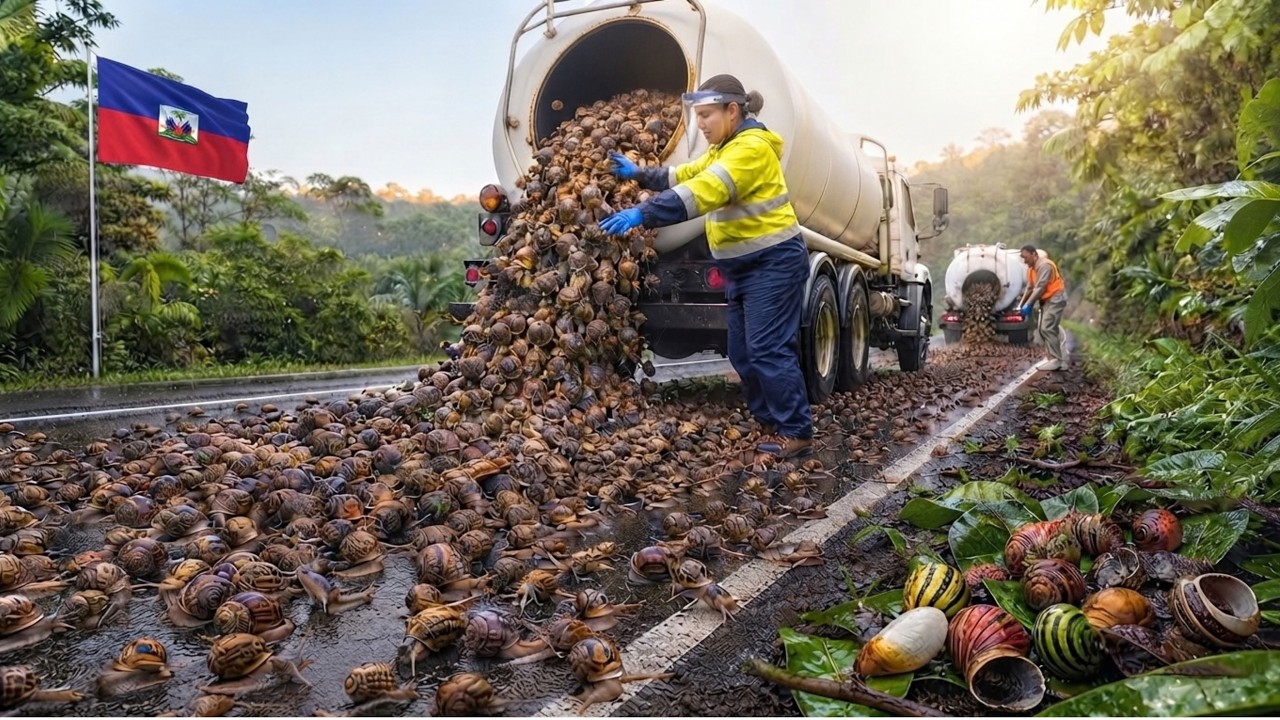
They unleashed cannibal snails to wipe out a pest, but the predators hunted the wrong species. Hawaii introduced the rosy wolf snail in the 1950s after a garden snail threatened crops.
In 1955, Hawaii released a predatory snail, the rosy wolf snail, as a biological control agent. The target was the...
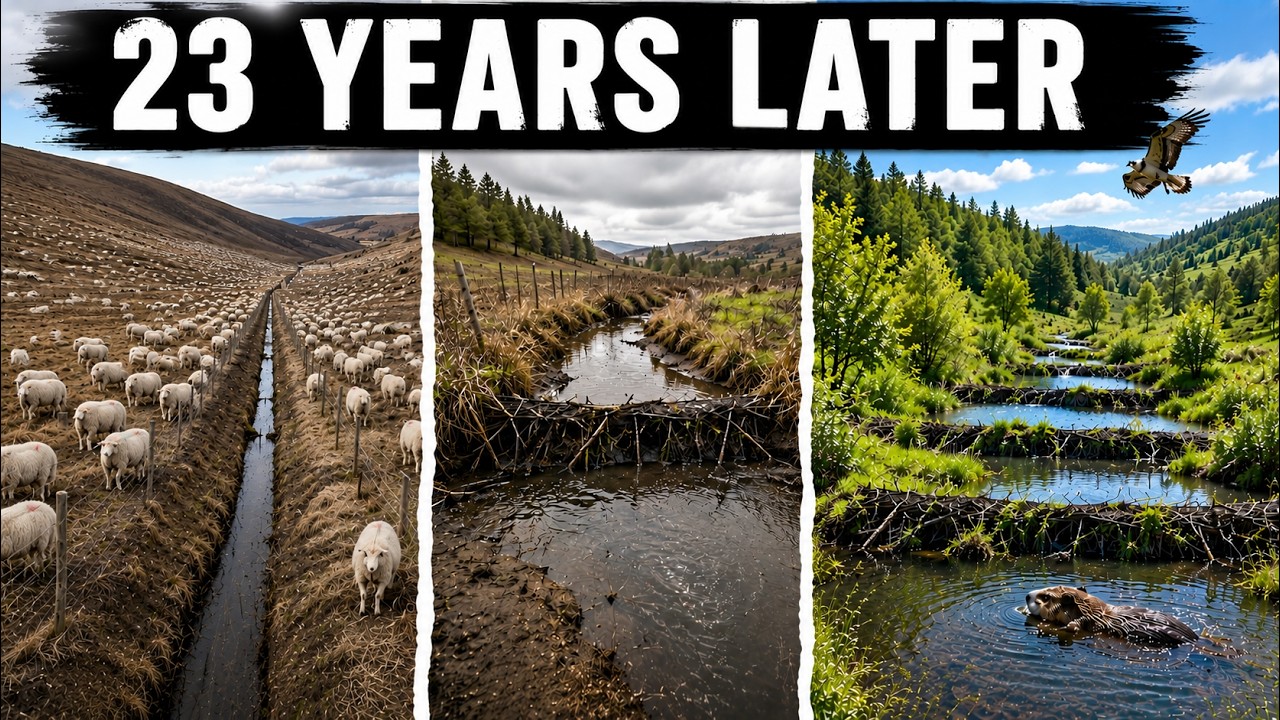
For 23 years, one Scottish family traded sheep for beavers, and the results stunned researchers. Their land, once overgrazed and barren, transformed into thriving wetlands that now support a complex web of wildlife.
In early 2002, Paul and Louise Ramsay released a pair of beavers into a drainage ditch on their family estate...
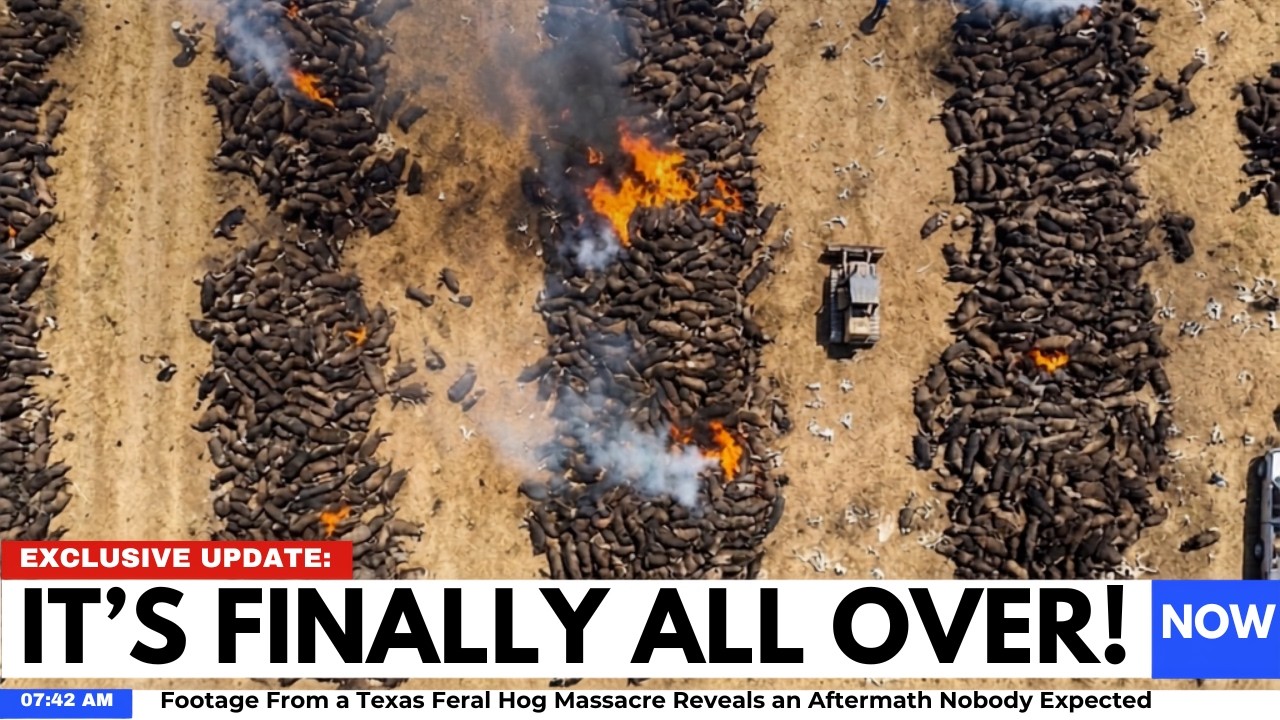
A Texas feral hog “massacre” ended not in piles of carcasses, but with a field eerily cleaned in hours. Hunters arrived expecting a grisly aftermath after culling dozens of invasive swine.
In March 2023, Wade Callahan retrieved a memory card from a trail camera on his property in Kerr County, Texas....