Asian carp are vanishing from U.S. rivers at an alarming rate, and scientists finally found what is eating them.
In 1969, two brothers fishing in the Altamaha River near Clarks Bluff, Georgia, noticed something unusual in the water. They first thought it might be a sturgeon, a fish that can grow to considerable sizes. However, they estimated the creature they saw was roughly 13 feet long. More striking than its size was its appearance: the brothers described a face resembling an alligator, a horizontal tail, a triangular ridge along its back, and sharp teeth. The sighting became part of a long tradition of reported encounters with an unidentified animal in the region.
The creature became known as the Altamaha-ha, a name derived from the river where it is most often reported. Stories about such an animal predate the arrival of British colonists. Members of the Lower Muskogee Creek tribe told of a large, serpent-like lizard that could produce loud noises. Over the centuries, the Altamaha-ha has remained a subject of local legend, distinct from other famous mystery animals because of the relatively large number of reported sightings rather than a single famous photograph or video.
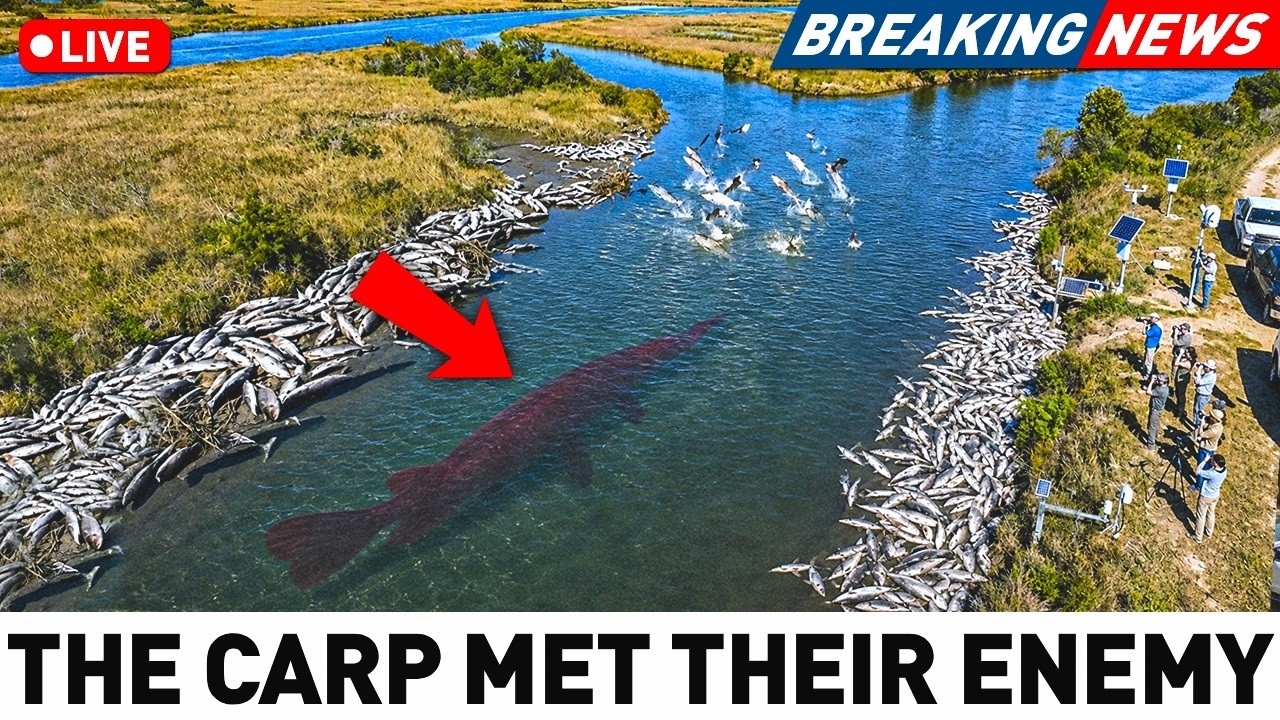
Most accounts describe a creature without hind legs but with front flippers, swimming in a manner compared to a dolphin. Witnesses typically report an alligator-like head, large eyes, large sharp teeth, and a gray or green body with a yellowish-white belly. Reports vary significantly on its size, which may reflect exaggeration or differing circumstances of observation. Some sightings describe a single large animal, while others suggest the possibility of a small population.
One of the earliest documented reports came from Captain Delano, who sailed near St. Simons Island at the mouth of the Altamaha River. He described seeing a creature approximately 70 feet long, with a body like a barrel and a head like an alligator. Several other people on board the ship supported his account.
Throughout the twentieth century, sightings continued. In the 1920s, loggers crossing the river reported a large snake-like animal. In 1935, a group of fishermen described a giant serpent. Scouts in the 1940s and two employees of a state prison in Reidsville in the 1950s also reported similar encounters. In the summer of 1980, two men saw a large creature on a muddy bank that appeared stuck. According to their account, the animal eventually moved back into the water and disappeared. Later that year, another man reported seeing a large snake-like creature with two humps moving through the water.
More recent reports remain part of the record. In 2002, a man pulling a boat near Brunswick reported seeing a large object, roughly 20 feet long and 6.5 feet wide, emerge from the water. In 2010, a photographer captured an image of something unusual floating in a channel near the town of Darien. These accounts are only the ones that have been publicly reported.
The town of Darien has embraced the legend. A local artist created a detailed statue of the Altamaha-ha, and the town sells souvenirs featuring the creature. The statue is located at the Darien Museum.
The question of what the Altamaha-ha might be, if it exists, remains unanswered. Some have speculated it could be a surviving prehistoric animal, such as a plesiosaur. Others have suggested it might be an unknown species of freshwater animal, a large snake, or a type of sturgeon or sea serpent. No physical evidence has been produced to confirm any of these theories.
In 2001, Scottish Natural Heritage, an agency concerned with the protection of wildlife, prepared a contingency plan for the Loch Ness monster. The plan was designed to apply to any unknown animal that might be captured. It proposed that scientists should take a DNA sample and then release the animal back into the wild, granting it the same legal protection as other native wildlife. No such plan has been implemented for the Altamaha-ha, as no capture has occurred.
The reported sightings of the Altamaha-ha have not produced any physical evidence. The animal has never been photographed clearly, and no remains have been found. The legend continues to be passed down through local stories and occasional reports, but its existence remains unconfirmed.
Recommended Stories

A drone over a Florida preserve captured footage that stunned wildlife officials: wild-born Eastern indigo snake hatchlings emerging from a gopher tortoise burrow. The moment marked the species’ first confirmed wild reproduction in that area in decades, a major victory for a decades-long reintroduction program.
A drone flying over a preserve in the Florida Panhandle recorded two wild-born Eastern indigo snake hatchlings near a gopher...

Canada’s giant sea otters vanished from the Pacific coast for a century, hunted to extinction. Then scientists dropped 89 of them back into a barren ocean that had forgotten they ever existed.
In March 1972, a 22 kg female sea otter was released into Checleset Bay, Canada. She was followed by 88...
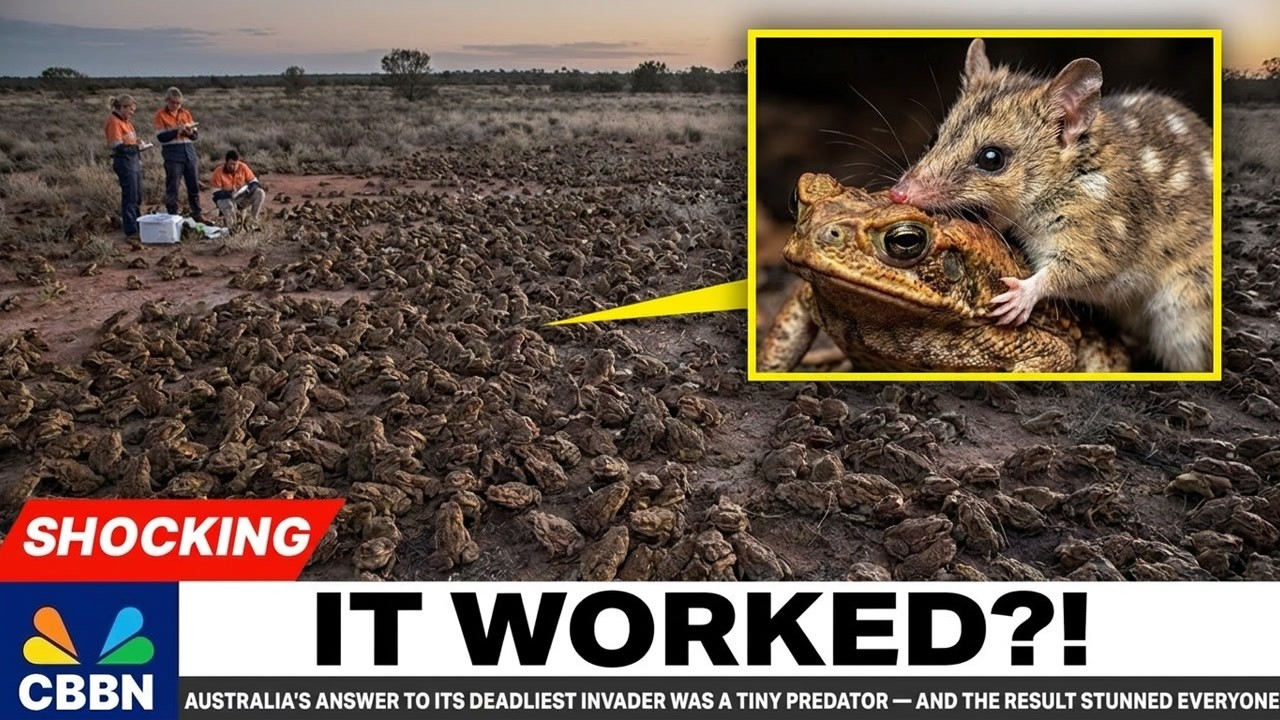
Australia’s deadliest invader met a surprising adversary: a tiny predator that officials deployed to stop its spread. The plan seemed straightforward—release this pint-sized hunter to curb an unstoppable menace disrupting ecosystems and agriculture across the country.
The cane toad is a medium-sized amphibian, typically no more than a few inches long. It has no notable features,...