A rancher near Wyoming’s Wind River resolved a century-long water crisis by reintroducing beavers to his land. After years of harsh drought and sinking groundwater levels, his farm experienced a stunning natural revival.
In Carbon County, Wyoming, in the summer of 2015, a slow transformation was underway on federal land near Rawlins. Rancher Tom Shant had been working this land for more than two decades, managing a stretch of Muddy Creek that had changed significantly over time. When his family first began working the area, water ran for about four months a year. By the time he took over from his father, there were summers when the creek did not run at all.
During those dry periods, cattle approaching the creek would raise a cloud of dust where water should have been. There were no plants along the banks. The creek ran cold through July and August now, months when it had previously failed to persist. The change took a decade to achieve, and it depended on a decision Shant made that most ranchers around him considered wrong. He allowed what most western cattle operators had spent generations removing to become part of his solution.
The area where Muddy Creek runs receives enough annual rainfall to support a year-round waterway with willows along the banks and cold water through the hottest months. By most climatic measures, this was not land that should have been producing dust. The landscape Shant inherited showed him what Wyoming looked like after the removal of the species that kept water in place. The previous generations had maintained clean channels and controlled the flow, trapping beavers when they built dams that flooded pastures. Their management followed a logic based on what they knew. What they knew missed something important.
Muddy Creek was not drying up the way rivers dry in true deserts. Watershed records show the creek carried heavy sediment loads during rains and spring snowmelt, with the channel cutting deeper and carving the banks each year. This pattern meant the creek flooded when it was not wanted and ran low or dry in the months when everything depended on it. In spring, the creek was fast, cold, and violent, washing away topsoil and deepening the banks. In summer, as heat rose and grass withered, the creek reached its lowest point or disappeared entirely. Generations of ranchers stood there and considered this normal. It was not normal. It was a symptom of a problem.
Decades earlier, heavy sheep grazing had stripped vegetation from the creek banks, destroyed root structure, and left the banks exposed to the current. Without vegetation to hold them, the banks eroded into a wider, shallower channel. A wide, shallow creek loses water to evaporation faster than rainfall can replace it. At some point, it stopped functioning as a creek.
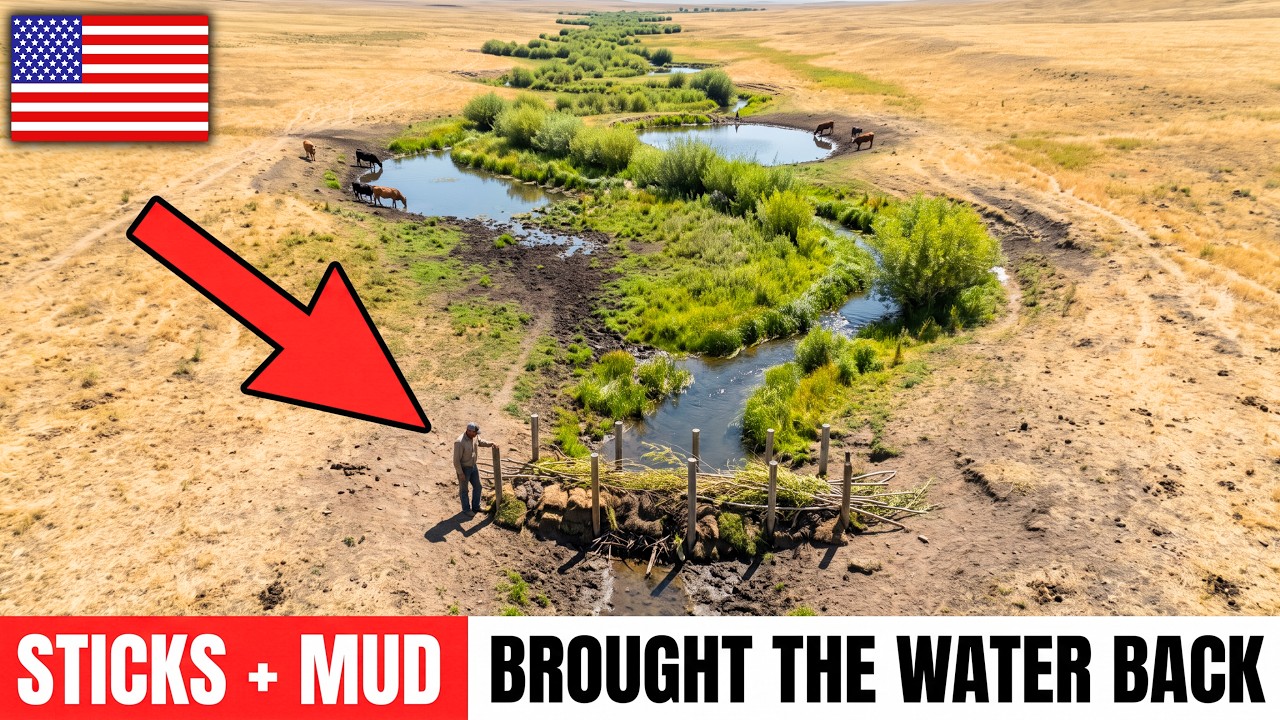
Shant watched this happen season after season and concluded it would not fix itself. The conventional approach was to continue controlling the channels and trapping beavers if they appeared. But a creek that has already disappeared cannot be managed. Over the past decade, he entered into a partnership with the Bureau of Land Management and began rebuilding Muddy Creek from scratch. They installed fencing for rotational grazing, giving the banks time to recover between periods of cattle use. They left space for willows to regrow. Then they built one hundred structures across the watershed that mimicked beaver dams. Each was a set of posts driven into the creek bed with willow branches woven between them, packed with grass. The structures were designed to do what a beaver would naturally do if enough beavers were present to do it.
Shant’s neighbors were openly skeptical. In cattle communities across the West, beavers have a poor reputation. They flood fields and block irrigation channels. The instinct to remove them is not irrational. But Shant’s response to skeptics was direct. Anyone hesitant should consider whether they dislike grass, which captures the argument in one sentence. The beaver was not the enemy of the operation. It was the missing piece.
Emily Fairfax, an environmental hydrologist now at the University of Minnesota, spent years measuring what most people argue about without data. She mapped water temperatures, tracked sediment movement, and compared flow rates between creeks with beaver activity and those without. She found that a single beaver family of six to ten animals can engineer a network of interconnected ponds stretching more than a kilometer. Each pond captures water and slows its movement. When water slows, it drops the sediment it carries. Over time, that sediment builds up into a thick, porous layer that holds water long after the last rainstorm, much as a sponge holds water on a dry surface. This allows the creek to keep running in August, in drought years, and in the months when cattle need it most.
As groundwater levels rise, willows take root along the banks and shade the creek, cooling the water. Cooler water holds more oxygen, attracting fish. Fish attract birds. Birds spread seeds across the floodplain. Each part of the system feeds the next, and no one manages any of it.
In 2020, three major wildfires burned through parts of Colorado, scorching roughly 580,000 acres. Fairfax’s team tracked beaver wetlands within those burned areas. The fire destroyed nearly everything except the beaver corridors. Within the ponds, willows and pine trees survived and the water remained cool. The wetlands were damp enough to act as a natural firebreak.
The problem at Muddy Creek was relatively simple. Beavers were not there yet. The conditions for their return could be rebuilt, but the animals could not be scheduled. Scott Miller, water resources lead at the Bureau of Land Management, built the structures that beavers would have built. Each took anywhere from half an hour to two hours depending on size, requiring no special expertise. The structures were placed where water moved too quickly. Each one slowed the current and stabilized sediment, holding more water in the soil than was there the day before. Across one hundred structures over months and years, the effect accumulated. Miller estimated the work would compress a decade of natural restoration into three to five years. The acceleration came not from advanced technology but from placement, from understanding which locations mattered most.
The dust cloud is gone. Where cattle once kicked up dry dirt heading toward a creek that had nothing to offer them, there is now a shaded waterway with willows that did not exist ten years ago. During 90-degree heat, Shant said the cows are happier when they get a cold drink. The energy they would have spent staying cool goes toward weight gain instead. A heavier herd is more productive. A more productive herd means a viable ranch.
Shant has two young sons who compete in rodeo and are still learning how to work the land. He hopes they will take over when he retires. The land he passes on will be different from what he inherited. The conversation he will have with them about this creek will not be the one his father had with him. He received a cloud of dust and a set of tools to manage it. His sons will inherit a creek with shade and cold water.
Muddy Creek flows through southern Wyoming, where waterways feed the headwaters of the Colorado River, one of the most allocated and contested river systems in the world. The American West has a water shortage. Infrastructure projects worth billions have been built to address it. North America once had an estimated 400 million beavers before trapping nearly eliminated them over two centuries, taking with it the water infrastructure the animals had spent thousands of years building. The species is slowly returning to places where people allow it.
As precipitation patterns shift and snowmelt arrives earlier and leaves faster, the ability to hold water in the headwaters through the summer becomes increasingly valuable. Each beaver pond delays water movement. Each delay keeps water available downstream during the months when rivers need it most. Fairfax stated the point plainly. Warmer, drier conditions make it increasingly critical to keep water in the headwaters longer. Beaver wetlands do this without requiring a budget or maintenance crew. The solution to one of the West’s more difficult water problems is not necessarily a larger dam or a longer canal. It may be the animal that built the rivers before humans arrived, left to do what it has always done in places where people step aside.
This kind of shift is difficult. It asks ranchers, land managers, and federal agencies to recognize that what they spent generations removing was quietly doing work they lacked the budget or engineering to replicate. Most institutions do not arrive at this conclusion quickly, and some never do. The water level in Muddy Creek is not waiting for anyone to catch up. It keeps rising.
Shant did not do this because he came across a study. He made a decision because he was tired of seeing the dust and began asking what was there before the land looked this way. Sources document projects using beaver dam analogs dating back to at least the early 2000s. The research existed. The logic was present. The gap was often between the data and the decision maker, in the funding cycle, or in a community’s willingness to try something unfamiliar. What changed was the surrounding conditions. Many streams have dried up. Summers have gotten harder. The question now is not whether this approach works, since Muddy Creek has settled that, but how many other western streams are still running dry each summer while the rancher standing beside them has not yet found a reason to ask a different question. One creek, one rancher, and one season in which something finally changed.
Recommended Stories
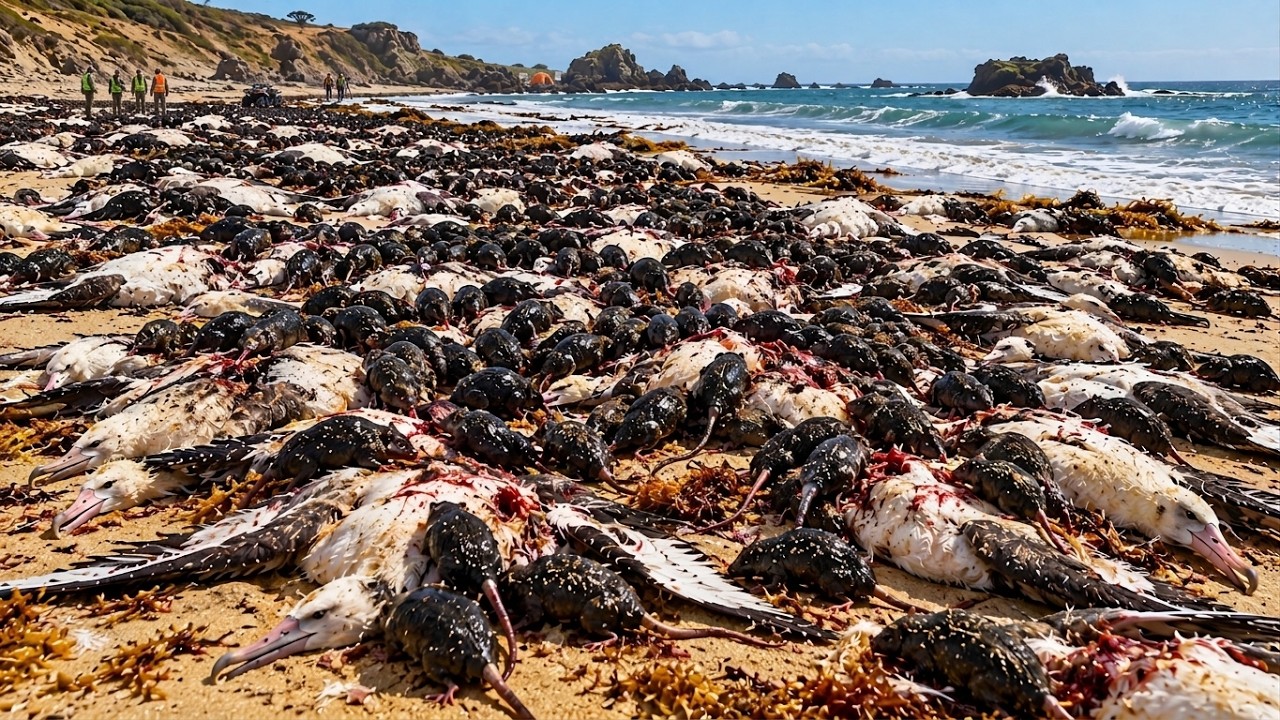
On a remote island, mice were no longer nibbling seeds—they were gnawing on living albatross chicks, feasting on them alive. Conservationists documented the gruesome shift as invasive rodents overwhelmed the world’s largest seabirds at their breeding colony.
On a remote island in the South Atlantic, a population of house mice has been causing severe harm to one...
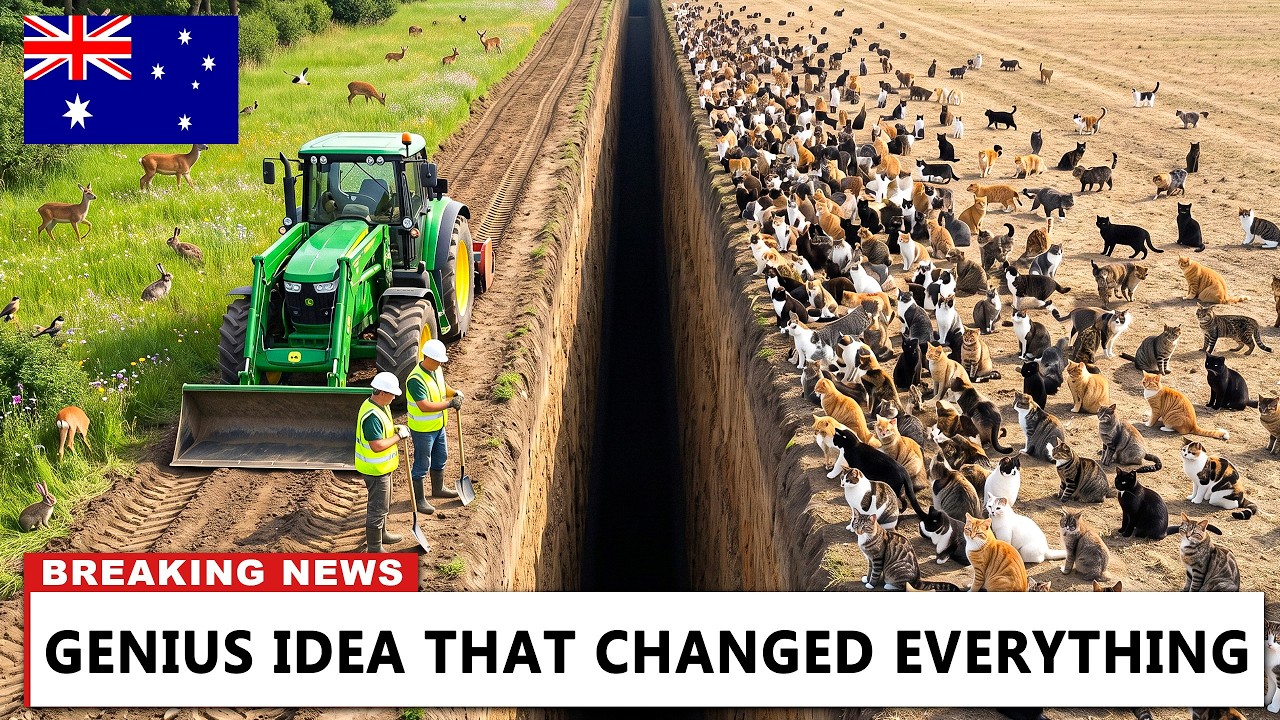
Australia finally found a way to stop feral cats — and it’s changing everything they know about predator control. For decades, these invasive hunters have devastated native wildlife, pushing countless species toward extinction with no effective solution in sight.
Feral cats have been a major factor in the decline of native Australian wildlife since they were introduced to the...
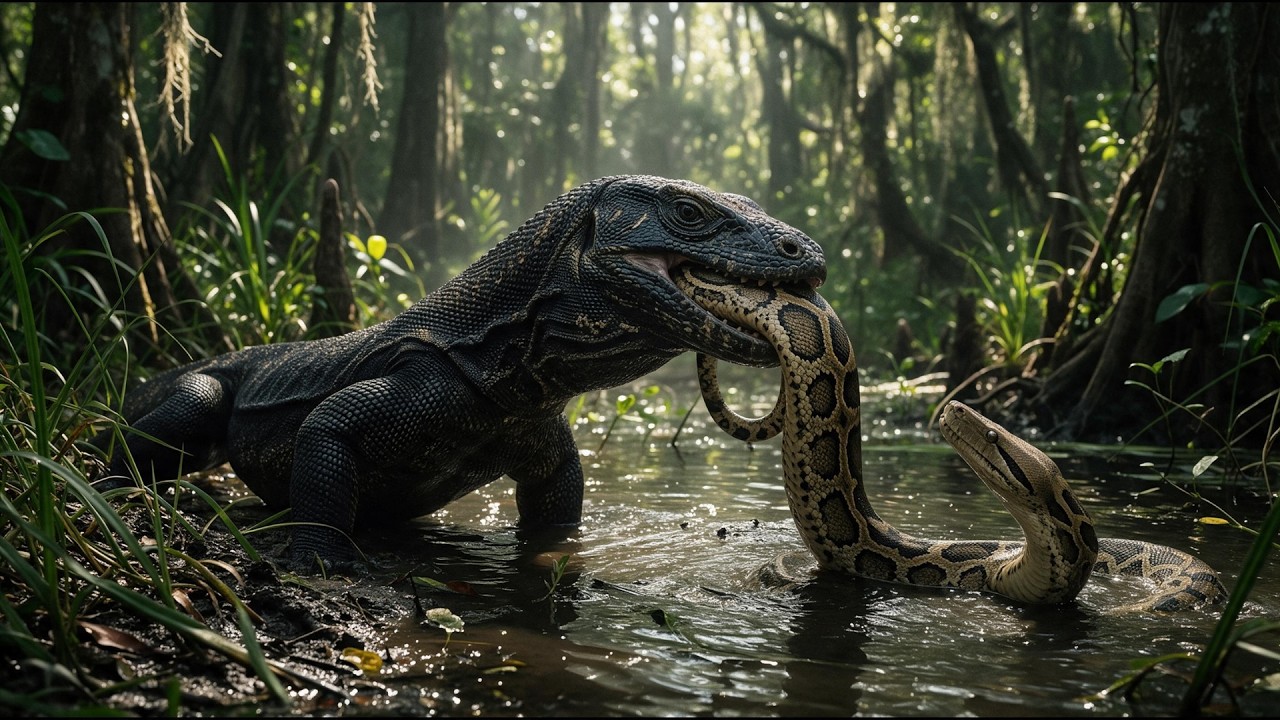
Scientists finally identified Florida’s newest apex predator, and it’s swallowing invasive pythons whole. For years, researchers watched Burmese pythons devastate native wildlife, but now another creature is fighting back in an unexpected twist.
In 2018, scientists working in South Florida’s swamps confirmed the presence of a native predator that had begun preying on...