Ethiopia halted its massive desert tree-planting campaign, and what happened next stunned everyone who had dismissed the project. For years, the nation pushed millions of seedlings into arid land, with critics calling it a doomed spectacle.
In the highlands of northern Ethiopia, villagers began a large-scale effort to restore the Desa forest, an area that had lost most of its tree cover by the early 21st century. Instead of planting seedlings directly, they spent months digging trenches, building stone walls, and creating small basins across the hillsides by hand.
The project, which came to be described locally as planting the rain, was based on the understanding that the soil had become too compacted to absorb water. Rain ran off the hard ground, carrying away topsoil, and most planted trees died within months. The villagers’ work was designed first to slow and capture the water, allowing it to soak into the ground and recharge the underground water supply.

About 23,000 hectares of land are now under restoration management. Satellite images show a visible green line separating the restored area from the surrounding dry landscape. The effort involved digging more than 20,000 trenches, creating millions of small basins, and building hundreds of kilometers of stone barriers. The reported survival rate for regenerated trees is high, and the project has captured a significant amount of carbon in the process.
The region’s geography had made the forest an important part of the local water cycle. The trees drew moisture from the air, and the forest cover helped hold water in the soil, feeding springs and streams that supported farming in the valleys below. When most of the trees were cut down for charcoal, grazing, and farmland, the ground lost its ability to retain water. Springs dried up, and the soil became sealed and hard.
Earlier reforestation attempts had largely failed because they focused on planting nursery seedlings in ground that could not support them. The Desa project took a different approach. Workers first reshaped the land to stop water from running off. The trenches were dug along slopes to catch runoff, allowing water to sink into the deeper soil. The small basins also collected rainfall and windblown organic material, which broke down into compost. The stone walls slowed the flow of water further and provided shade that reduced evaporation.
The team also looked for tree stumps that were still alive underground. In this environment, some tree species retreat into their root systems when they are repeatedly cut or grazed. Villagers were trained to identify these hidden root networks, prune the competing growth, and allow the strongest stems to grow quickly using the energy stored below ground.
Grazing was a central obstacle. To protect the recovering land, communities agreed to keep livestock out of the restoration zones. Farmers switched to a cut-and-carry system, in which grass was harvested and brought to animals in stalls. The project also distributed more fuel-efficient cook stoves, which reduced the demand for wood. These measures made conservation more practical for the people living in the area.
The process took several years before results became visible above ground. Early on, the landscape showed mostly trenches, stone lines, and bare soil. In the following years, trees began to survive the dry season, shade increased, and the soil gradually regained the ability to hold moisture. Streams that had run with heavy sediment ran clearer, and some springs that had been dry for years began to flow again.
The restoration work continued even during the conflict in the region between 2020 and 2022, when international support was cut off and the area was largely isolated. Local committees and village agreements kept the project active, and the restored land provided a source of work and food during the crisis.
The project reported an increase in plant species and the return of birds and pollinators. The recovering forest is again beginning to pull moisture from the air, which helps cool the local climate and reduces heat stress on crops in the valleys below.
The result stands in contrast to other large-scale planting efforts that have produced high mortality rates. The Desa project did not begin with trees. It began with the ground, capturing rainwater and repairing the soil’s ability to absorb it. The work was slow and largely invisible for years, but it addressed the physical conditions that had made the landscape unable to support new growth.
Recommended Stories
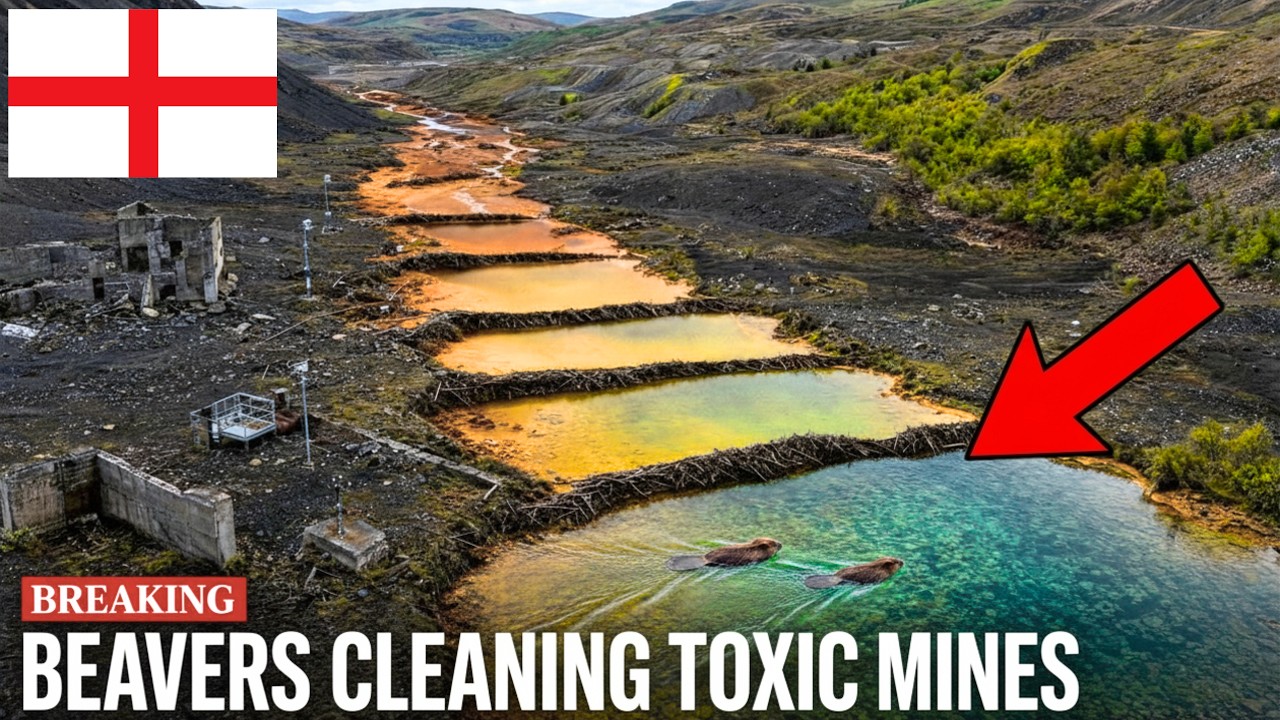
Beavers released into a toxin-laden English creek weren’t expected to survive, but their response to the filthy water shocked researchers. Faced with a channel polluted by agricultural runoff, the animals began building dams and packing mud and sticks with startling urgency.
On 13 January 1992, a drainage tunnel collapsed beneath the abandoned Wheal Jane tin mine in Cornwall. Over the following...

Alaska’s version of Jaws is real—and it’s far bigger than anyone imagined. A massive, elusive predator has been terrorizing remote coastal waters, leaving local fishermen baffled and communities on edge.
Lake Iliamna is the largest lake in Alaska, a remote body of fresh water roughly 80 miles long and 25...

A 20-foot python was found decapitated in the wild, its massive head missing. Investigators initially suspected a rival predator.
Biologists from the Conservancy of Southwest Florida found a 20-foot Burmese python dead in pine flatwoods at the edge of...