A mysterious sighting off Australia’s coast has sailors suddenly changing course and grabbing their phones. Multiple crews reported an enormous, dark shape moving beneath the surface near a remote shipping lane, prompting frantic radio chatter and instant speculation online.
In 1918, a crew of experienced lobster fishermen off the coast of New South Wales reported an encounter with a large, pale creature that they said pulled their heavy traps from the seabed before disappearing. The men, who worked the deep waters near Broughton Island, returned to shore and refused to go back out for several days.
The account was recorded by David George Stead, a respected marine biologist with the New South Wales fisheries department. Stead spoke with the fishermen and took their report seriously, noting that they were seasoned workers who were familiar with sharks and whales. He did not publish his account of the incident until after his death, and it did not appear in print until 1963, when it was included in his book on Australian sharks and rays.

The story remains a subject of debate because the details provided by the fishermen do not clearly match any known animal.
The fishermen said the water around their boats began to move and churn before anything broke the surface. A pale shape then rose from below. They described the creature’s head as being comparable in size to a shed roof on a wharf. Estimates of its length varied considerably among the crew, ranging from roughly 115 feet to much larger figures.
The men also said that their crayfish traps, which were heavy and designed to sit firmly on the bottom, were taken whole. The traps, along with their lines and anchors, disappeared in a single instance. The creature reportedly showed no interest in the boats or the men themselves, descended after taking the equipment, and was not seen again.
Stead was a professional scientist known for careful work in fisheries management and wildlife conservation. His decision to record the story and his assessment that the crew was credible have given the account more weight than a typical anecdote. However, the significant delay between the event and its publication means that no one was able to question the original witnesses or verify the details before the account became widely known.
Several ordinary explanations have been suggested. A whale shark is large and pale, but it is a filter feeder and would have no reason to take traps from the seafloor. A large great white shark could potentially become entangled in fishing lines and drag equipment, but the reported proportions exceed any recorded specimen. A whale could easily pull away heavy gear, but the fishermen were familiar with whales and reportedly described something they believed to be a shark.
The possibility that the men saw a surviving megalodon is often raised in popular discussions, but there is no scientific evidence that this prehistoric shark species still exists. The scientific consensus is that megalodon went extinct millions of years ago.
The case remains unresolved. What keeps it alive is the credibility of the witnesses and the unusual combination of details they reported. The fishermen had no apparent reason to invent the story, and they accepted a real financial loss by refusing to return to those fishing grounds. The account does not prove the existence of an unknown animal, but it also has not been fully explained by known species.
Recommended Stories

Kazakhstan’s tiger reintroduction is not the homecoming scientists expected. After 70 years of absence, they released big cats into the Caspian region, and the initial signs looked promising.
Kazakhstan released a tiger into the wild in late July 2026 as part of a long-running reintroduction project, marking the...
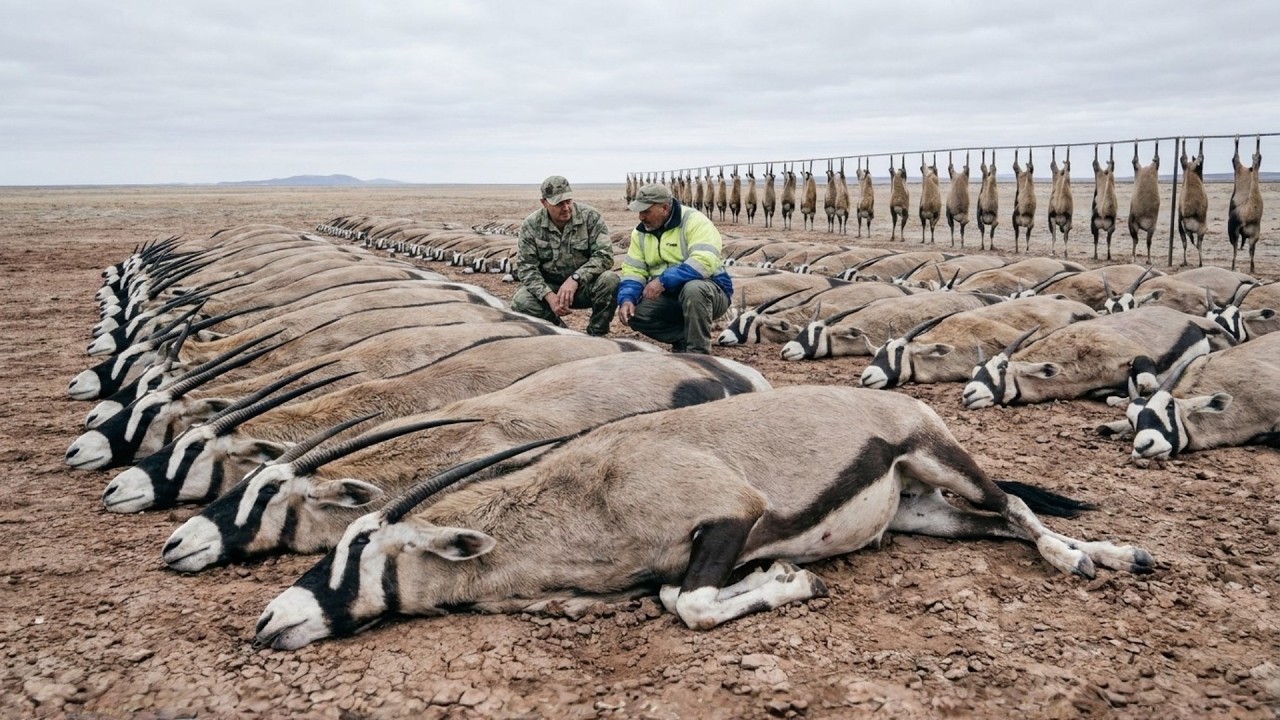
America introduced an African animal into its desert—and the fallout turned ecological. In the 20th century, a single species was brought in to address a growing problem, but its impact quickly spiraled beyond expectations.
In 1969, New Mexico wildlife officials began introducing gemsbok, a large African antelope, into the Tularosa Basin on the White...
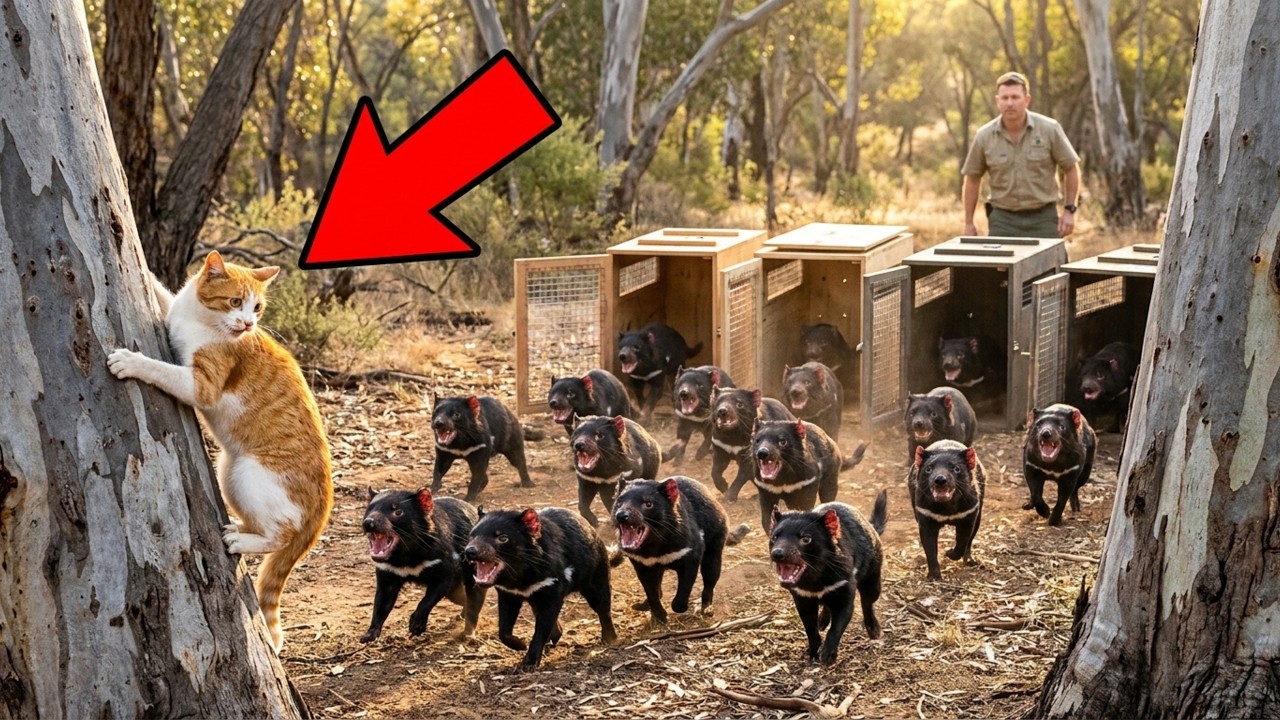
Australia released 26 Tasmanian devils into mainland bushland teeming with feral cats, betting their bone-crushing jaws could shift the balance of an ecosystem under siege. Scientists watched these scavengers move through predator territory, tracking how they hunted, fed, and left carcasses stripped bare.
In November 2020, two Tasmanian devils named Lisa and Lenny were released into the Barrington Wildlife Sanctuary in New South...