A fishing crew off Australia claimed they spotted a 115-foot megalodon—then radioed the shore with something that made officials scramble. The men insisted the massive shark breached beside their vessel, dwarfing their boat in calm waters.
Five experienced commercial fishermen have reported encountering a large unidentified marine animal off the coast of Western Australia. The crew, operating from Steep Point, the westernmost tip of mainland Australia, reported seeing the creature alongside their 60-foot vessel in calm conditions.
The captain estimated the animal was nearly twice the length of his boat, around 115 feet. All five crew members gave consistent size estimates between 90 and 120 feet when interviewed separately. They watched it for several minutes before it descended into water over 1,000 meters deep.

The men involved were experienced professionals. The captain had worked those waters commercially for over 20 years. Two other crew members had combined ocean experience exceeding three decades. Commercial fishermen rely on accurate observations for their livelihoods and typically maintain a practical knowledge of marine life.
The crew observed the animal at a depth of roughly 15 to 30 feet. They described an elongated shape with a large head and a vertical tail fin, distinct from the profile of a whale. The object moved at about eight knots, matching the vessel’s speed, and briefly turned toward the boat before diving.
The sighting took place approximately 70 nautical miles off Steep Point, where water depths range from 300 to over 2,000 meters. The crew was fishing for southern bluefin tuna at the time.
Reports of large unidentified animals in these waters are not unprecedented. Other episodes include an unexplained sonar return from 1987, bite marks on fishing equipment recovered off New Zealand, and a 2014 sonar contact off Port Lincoln that tracked a vessel for 40 minutes.
The Western Australian region has characteristics that could theoretically support a large marine predator. The continental shelf drops sharply into deep water close to shore, and the area supports high concentrations of whale species. The warm Leeuwin Current maintains water temperatures above what is typical for the latitude.
The official response to the report came within 48 hours. Authorities issued a statement suggesting the crew had likely misidentified a whale shark or large whale. No detailed review was described in the statement.
A researcher who pursued the report said requests for sonar data were declined because the vessel’s data had been routinely overwritten. Two crew members later described informal discouragement from individuals connected to fisheries management, though these conversations were not documented through official channels.
The captain has not sought further attention. He declined follow-up interviews several years later and continues to work the same waters.
The animal in question has often been compared to Megalodon, a prehistoric shark that lived approximately 13 million years ago. Megalodon belongs to the family Otodontidae, a lineage that diverged from the great white shark’s ancestors tens of millions of years ago. Scientists believe it was an apex predator that primarily hunted whales.
Estimates of Megalodon’s size have changed over time as research methods have improved. No complete skeleton has ever been recovered because sharks have cartilaginous skeletons that do not fossilize reliably. Current estimates based on vertebral analysis suggest the largest individuals may have reached 60 to 80 feet.
The scientific consensus places Megalodon’s extinction at approximately 3.6 million years ago. This conclusion is based on the tooth record, which shows a global absence of Megalodon teeth in sediment layers after that period. The proposed cause is that tectonic shifts altered ocean circulation, reducing warm coastal seas and pushing whale populations toward colder waters.
This extinction model relies on sediment core samples, which do not cover the entire ocean floor. Some Megalodon teeth have been found with thin manganese encrustation suggesting a more recent date, though this evidence has been challenged on methodological grounds. Some teeth have also been found at depths inconsistent with a purely shallow-water species.
Less than 20 percent of the ocean below 200 meters has been meaningfully explored. Large animals continue to be discovered in these depths. The giant squid was not photographed alive until 2004, and the megamouth shark was unknown to science until 1976.
The Australian crew’s report remains unexplained. There is no objective instrumental evidence to confirm or refute what they saw, and no definitive conclusion can be drawn from their account alone.
Recommended Stories
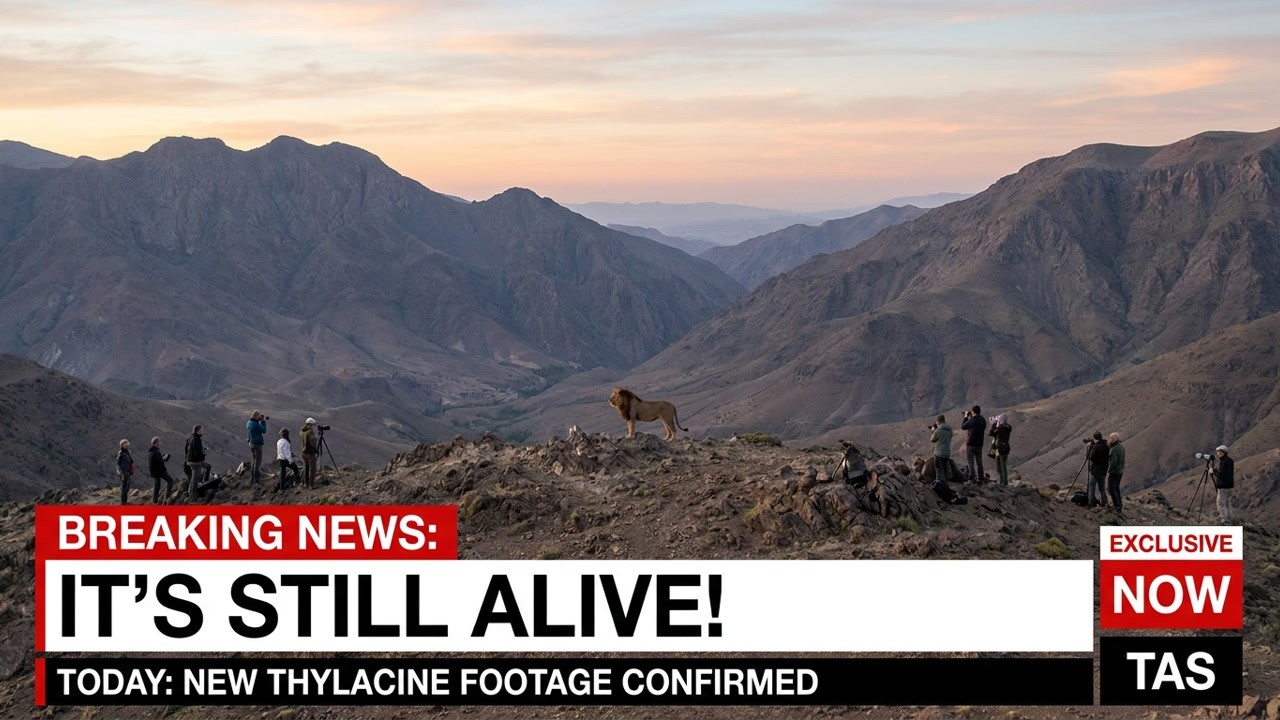
The Atlas lion was declared extinct decades ago, yet a new discovery suggests one may still be alive. Historical records show these massive predators once roamed North Africa before hunting and habitat loss wiped them out.
In 1922, a French colonial hunter shot a lion on a mountain road in Morocco’s High Atlas. The animal was...
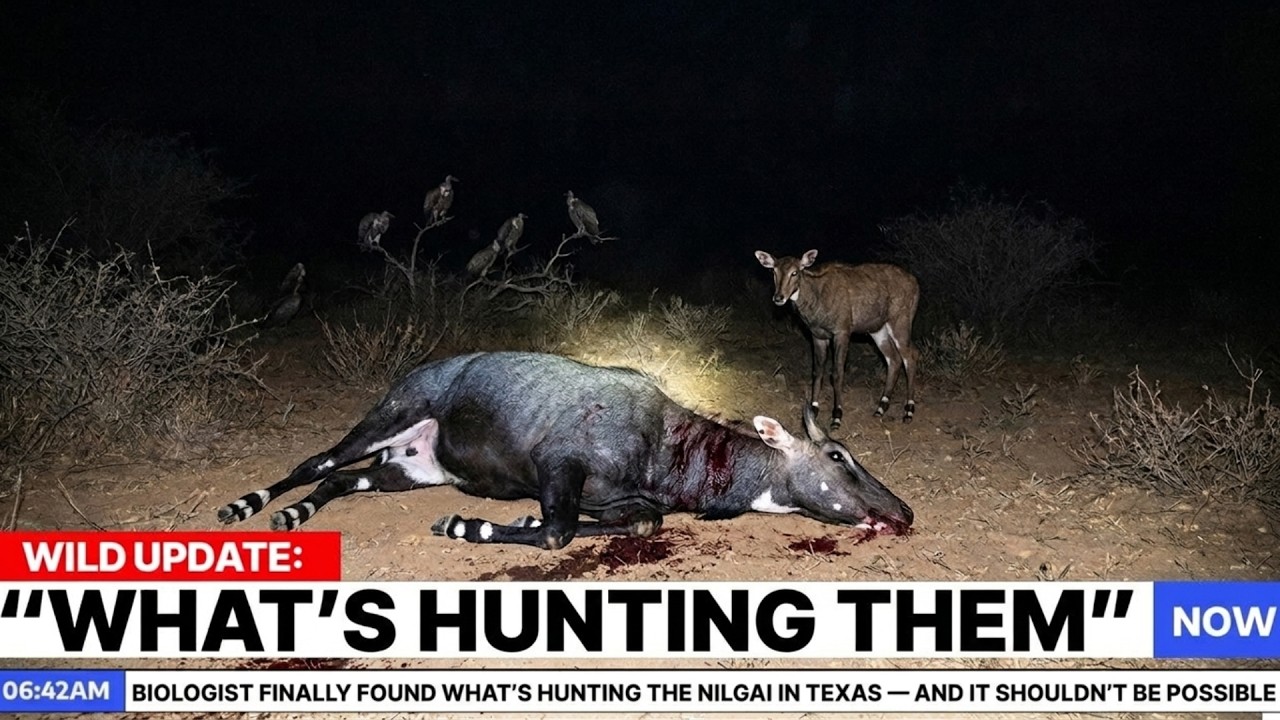
A top predator suddenly stalking Texas nilgai has biologists rethinking everything they knew about the region’s wildlife. The antelope, introduced decades ago, now faces a hunter that shouldn’t logically exist in that ecosystem.
In the brush country of South Texas, researchers have found evidence that mountain lions are killing adult nilgai, a large...
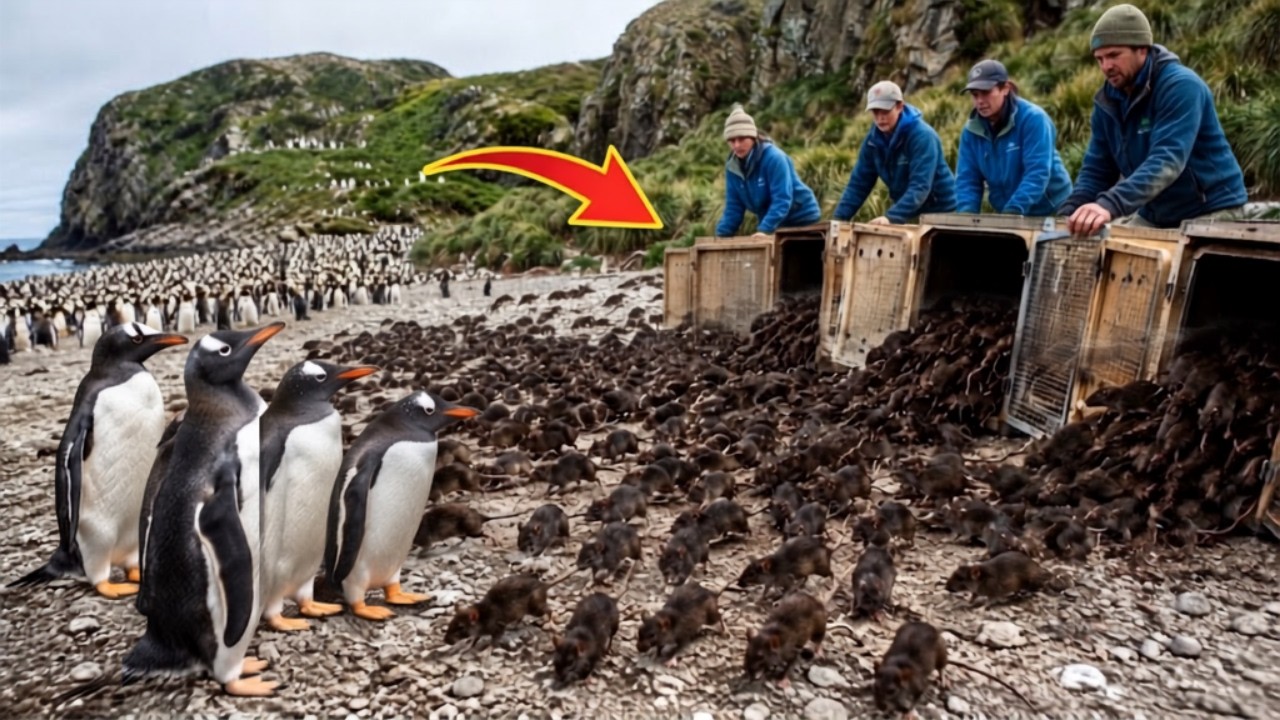
They left thousands of rats on an island full of penguins—24 years later, nobody expected this. The rodents were accidentally introduced decades ago, and by the time researchers returned, the rat population had exploded into the millions, devastating the penguin colonies.
In 1810, the first sealing ship anchored off an island in the Southern Ocean, roughly midway between Tasmania and Antarctica....