A Florida wildlife biologist is issuing a chilling new warning about the state’s latest predator, and it is reportedly targeting humans in the most terrifying way. This isn’t just another bear or alligator encounter; officials describe a creature altering its natural behavior to hunt people in residential areas.
In 2016, researchers at the University of Florida and the Florida Museum of Natural History published a record of Nile crocodiles captured in South Florida, confirming that the species—which is not native to the Western Hemisphere—had been found living in the wild there. Genetic testing indicated the animals descended from a single bloodline, and investigators believed they entered the state through the pet trade.
Florida has two native crocodilian species, both of which generally avoid human contact. The American alligator is common in ponds and canals and typically retreats when approached. The American crocodile lives along the state’s southern coasts and has no recorded fatal attacks on people in Florida’s history. The species was listed as endangered in 1975 with a population of roughly 200 to 300 animals, and had recovered to an estimated 1,400 to 2,000 by 2007.
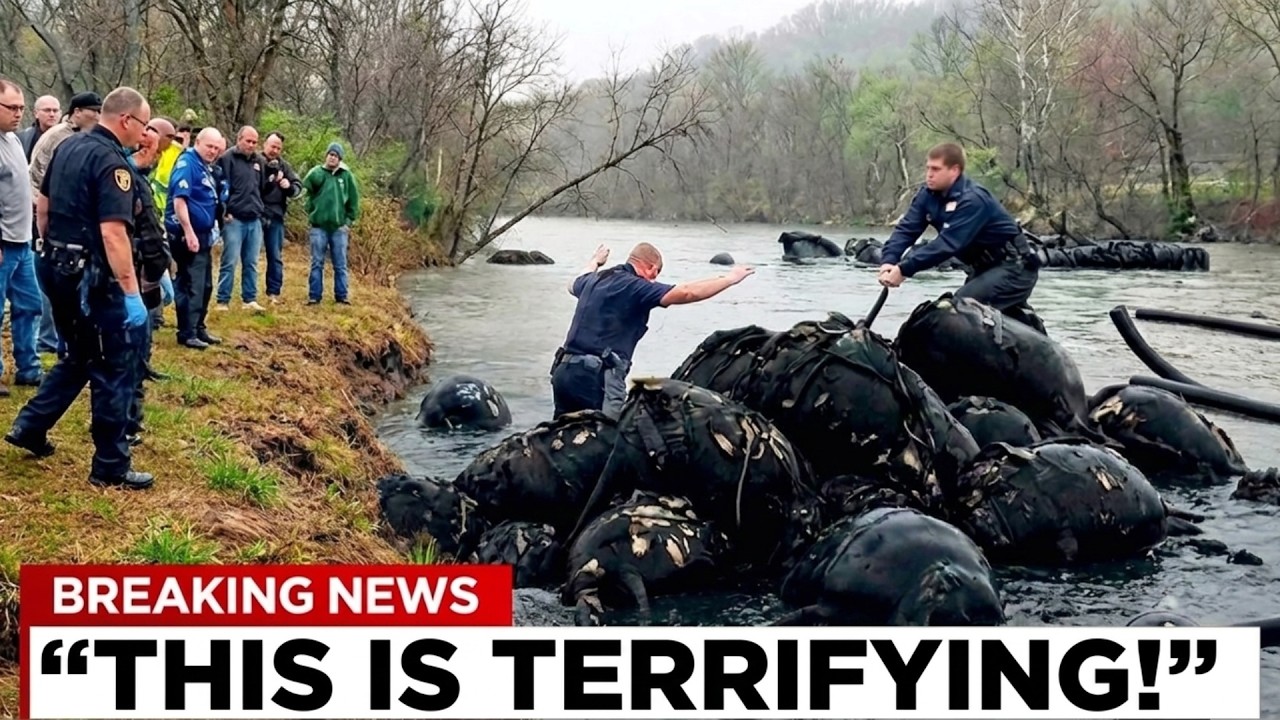
The first sign that something unusual was present came in 2009, when a boat crew working in the Everglades spotted a crocodile larger and more aggressive than the local species. Water samples from the area later pointed toward an African origin. Around the same time, a juvenile crocodile was netted by rangers and found to have anatomical features inconsistent with native species.
The documented cases span several years. A crocodile that escaped from the Billy Swamp Safari in Hendry County in the late 1990s survived in the wild for several years before being recaptured. In 2009, a hatchling was found on a porch in farm country south of Miami. In 2011 and 2012, two young females were captured near Homestead. One of those females, released after being measured, was recaptured in 2014 by an interagency team in Everglades National Park. She had grown from under three feet to roughly five and a half feet in two years, and her stomach contained the remains of largemouth bass. The researchers compared her growth rate to wild Nile crocodiles in Zimbabwe and found she was growing about 28 percent faster.
Genetic sequencing determined the captured crocodiles were pure Nile crocodiles. They matched each other across all seven stretches of DNA examined, and the hatchling from 2009 matched the same bloodline. The animals did not match crocodiles at any licensed attraction in Florida. The team concluded the likely source was the pet trade, with animals imported from South Africa. The state wildlife commission opened a criminal investigation into how the 2014 female was released.
Nile crocodiles are large animals. Adults commonly reach 16 feet and weigh around 1,600 pounds, with the largest individuals reaching about 18 feet. They are equipped with sensory organs on their skin that detect pressure and vibration in water, allowing them to sense movement in murky conditions. They can remain submerged for up to two hours. In Florida’s warm climate, they have the conditions to feed and grow year-round.
The same research paper cited attack statistics from Africa. Between 2010 and 2014, there were 493 recorded attacks by Nile crocodiles on people, 354 of them fatal. The species is known to attack small boats and is a documented threat to livestock.
The potential impact on Florida’s ecosystem is a central concern. American alligators may compete with Nile crocodiles, and the larger species could prey on them. The Florida panther population, estimated at 120 to 230 adults and subadults, occupies the southern portion of the state where the crocodiles have been found. The American crocodile, which Florida has spent decades protecting, could face competition, predation, and interbreeding with the invasive species.
Nile crocodiles also dig dens into steep banks, which could damage flood control infrastructure in South Florida’s canal system.
Efforts to remove invasive species in Florida have a mixed record. Burmese pythons have been hunted for over two decades, with more than 23,000 removed since 2000, yet the population persists. Controlling Nile crocodiles presents additional challenges because the animal is dangerous to encounter directly. Licensed trappers use cage traps and snares mounted on poles. The University of Florida and state crews also test water samples for traces of crocodile DNA.
One complicating factor is legal. The Nile crocodile is protected under the US Endangered Species Act, so federal permission has been required to capture or remove the animals found in Florida.
Researchers believe more Nile crocodiles may still be present. Frank Mazzotti, a wildlife ecologist, said he had heard enough reports to believe the captured animals were not the only ones. Another researcher, Kenneth Crisco, noted that surviving in Florida’s wilderness is clearly possible for the species.
There is precedent for this kind of invasion in Florida. Spectacled caimans, a smaller crocodilian from Central and South America, were introduced near Homestead in the 1950s and established a wild population. A decade of removal work has taken out over 250 of them, and native alligators have been observed moving back into areas where caimans were removed. That experience shows removal can work, but it took decades against a smaller animal that is less dangerous to people.
Beyond the crocodiles themselves, researchers have noted a secondary risk. Nile crocodiles can carry parasites, including a type of Trichinella worm that was first identified in farmed crocodiles in Zimbabwe. These parasites can infect other animals, including mammals. Similar parasites introduced by Burmese pythons in Florida have already spread to 13 species of native snakes, showing how introduced species can affect an ecosystem even after the animals themselves are removed.
The captured crocodiles were mostly young, and researchers have found no evidence of a breeding population in Florida. The source of the released animals remains unaccounted for. Nile crocodile ownership is restricted in Florida and requires a permit, but the animals nevertheless ended up in canals near Homestead. The investigation into how they got there is ongoing.
Recommended Stories
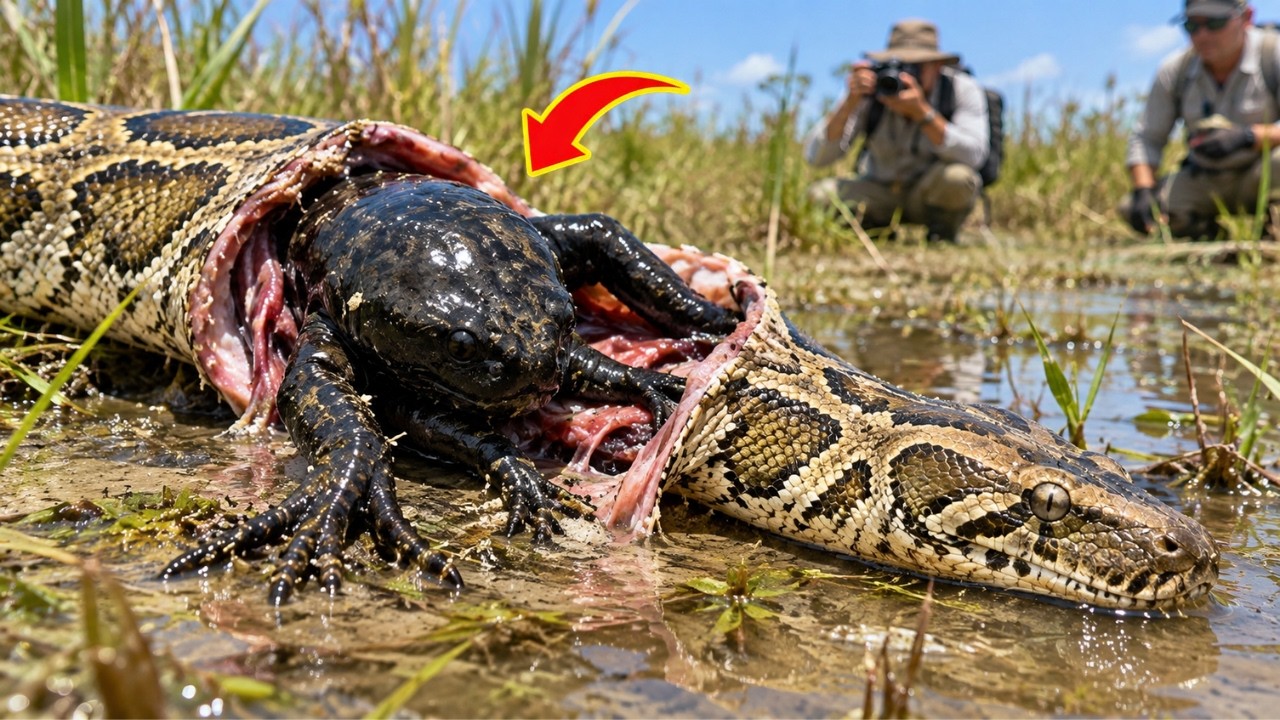
Invasive pythons have been swallowing Florida wildlife for years, but new hunters are using a tactic that’s triggering intense backlash. These hunters don’t just remove the snakes killing them in a way critics describe as cruel and chaotic.
In the wetlands of southern Florida, an estimated 300,000 Burmese pythons now live across more than a thousand square miles,...
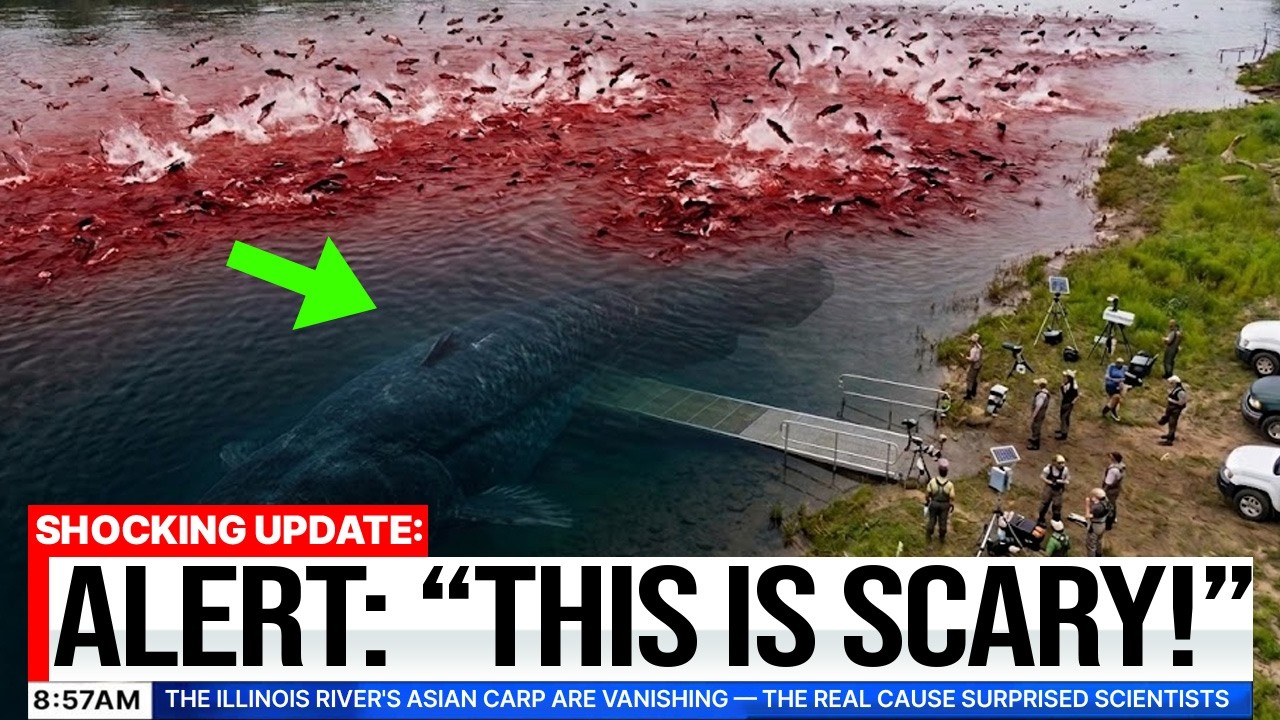
The Illinois River’s invasive Asian carp are disappearing, and the reason has stunned researchers. For years, these fish overwhelmed the waterway, outcompeting native species and leaping into boats by the thousands.
Asian carp, a fast-growing invasive species in lakes and rivers across the Mississippi River basin, became a major problem in...
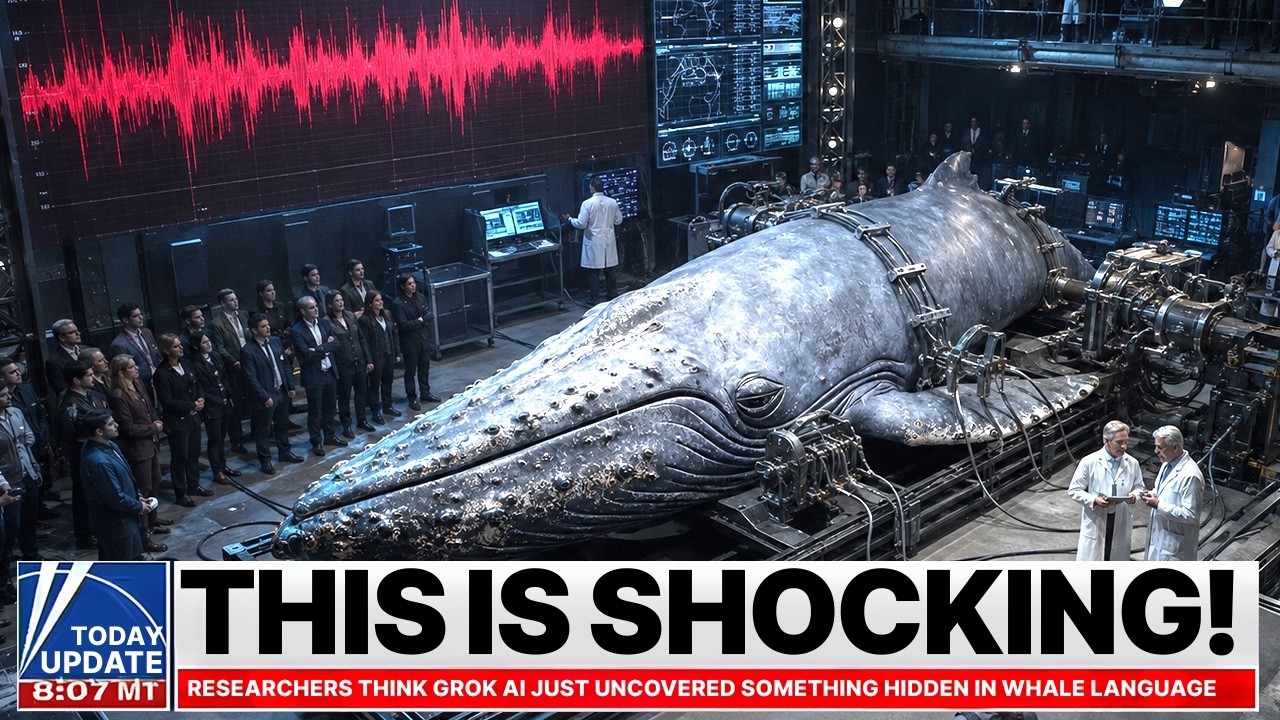
Researchers think Grok AI just uncovered something hidden in whale language, and they’re stunned by what the pattern might mean. Feeding thousands of hours of recorded whale calls into the model, the team noticed a structure far more complex than simple songs, hinting at a possible grammar-like system.
In 2023, researchers off the coast of Alaska conducted an experiment in marine biology. They anchored a small research vessel...