They gambled on Spain’s last 62 wild-born lynxes, releasing them into the unknown with the species teetering on the edge of extinction. Conservationists had spent years breeding these big cats in captivity, hoping instinct would survive the cages.
In 2001, the Iberian lynx population in southern Spain had fallen to 62 mature adults, including 25 breeding females, confined to two small areas of Andalusia. The species had been reduced by the collapse of its primary prey, the European rabbit, following two virus outbreaks that spread through the Iberian Peninsula in the preceding decades.
The lynx is a highly specialized predator that feeds almost exclusively on rabbits. Its decline was closely tied to the rabbit’s disappearance. Over the following two decades, a conservation program involving captive breeding, habitat restoration, and the release of more than 400 captive-bred lynx brought the population back from the brink of extinction.

The program was developed after two viruses, myxoma in the 1950s and rabbit hemorrhagic disease in 1989, devastated rabbit numbers across the region. With its food source gone, the lynx lost roughly 80% of its historical range between 1960 and 1990. The remaining animals were separated by highways and plantations, leading to genetic isolation and reduced breeding success.
The recovery effort, backed by around 100 million euros from the European Union and the Spanish government, began with a captive breeding program established in the early 2000s. The first successful birth came in 2004. Handlers monitored litters closely, as dominant cubs sometimes attacked siblings when transitioning to solid food. Breeders used genetic analysis to pair the 56 founder animals in ways that maximized the surviving genetic diversity.
While the breeding program developed, conservationists worked to prepare release sites. Because rabbits released directly into degraded habitat were quickly taken by foxes and other predators, teams built artificial burrows using wooden pallets and earth, eventually restocking more than 100,000 rabbits into these shelters. They also used a temporary non-lethal conditioning method: foxes that ate vanilla-scented bait became ill and subsequently avoided areas where the scent was present, giving newly released rabbits time to establish themselves. Wildlife crossings and fencing were installed along major roads to reduce the risk of lynx being struck by vehicles.
The first captive-bred lynx were released at scale in 2010. Telemetry data showed the animals dispersing quickly across the landscape, some traveling up to 50 kilometers from their release points. Within weeks, they had established territories and began displaying the behavior that made the project central to understanding the ecosystem.
The lynx does not only eat rabbits. It actively kills competing predators such as foxes, mongooses, genets, and feral cats, leaving the carcasses uneaten. Camera traps recorded these kills inside lynx territories. This behavior had a measurable effect: in areas where lynx established themselves, red fox and Egyptian mongoose numbers fell by about 80% within two years. Mid-sized predators that survived shifted entirely to nighttime activity and avoided areas patrolled by lynx.
This territorial enforcement changed the overall balance of predation. While a single lynx consumes roughly one rabbit per day, its presence removes dozens of smaller predators that collectively consumed far more. According to data from the reintroduction zones, total predation on rabbits by the entire carnivore community dropped by 55.6% in areas where lynx had reestablished. Rabbit and red-legged partridge numbers rose in those zones.
The finding changed attitudes among rural landowners who had previously viewed the lynx as a competitor for game stocks. More than 200 private landowners signed conservation agreements covering over 150,000 hectares. Gamekeepers who had once set traps for lynx began reporting sightings to monitoring teams.
The population responded to these measures. By 2015, the species was reclassified from critically endangered to endangered. By 2020, the total count had passed 1,000, with more than 400 wild cubs born each year. The captive breeding centers were no longer necessary to sustain the population.
Lynx also began moving into areas where they had not been seen for generations, including the Toledo Mountains, the Guadiana Valley in Portugal, and olive-growing regions of Extremadura. The cats adapted to working agricultural landscapes more readily than had been expected. In Andalusia, the Sierra de Andújar, one of the two areas that had sheltered the last survivors, became a destination for wildlife tourism.
The recovery has remained dependent on the rabbit population, which continues to face new mutations of hemorrhagic disease. The region’s climate is also drying, with longer summers and reduced water sources. Researchers have observed one adaptation: between 2020 and 2025, camera traps recorded five female lynx carrying freshly killed rabbits to water troughs and submerging the carcasses, apparently so their fur retained moisture for cubs making the transition from milk to solid food. The behavior, described in the journal Ecology in 2026, has not been documented in any other wild cat species.
By 2024, the population had reached 2,401 individuals, including 470 breeding females, up from 25. Occupied territory had expanded from 449 square kilometers to more than 3,300. In June of that year, the International Union for Conservation of Nature reclassified the species from endangered to vulnerable.
The European rabbit, the species the entire project was designed to support, remains classified as more globally threatened than the lynx that feeds on it. The lynx population has recovered, but the rabbit has not kept pace.
Recommended Stories

A decades-long Loch Ness investigation claims the mystery has finally been decoded, and the experts’ conclusion is shocking: they say the monster is real. After years of sonar scans, underwater cameras, and water samples, researchers believe a massive creature genuinely inhabits the deep, dark loch.
No scientific organization has confirmed the existence of a creature in Loch Ness, and decades of searches have produced no...
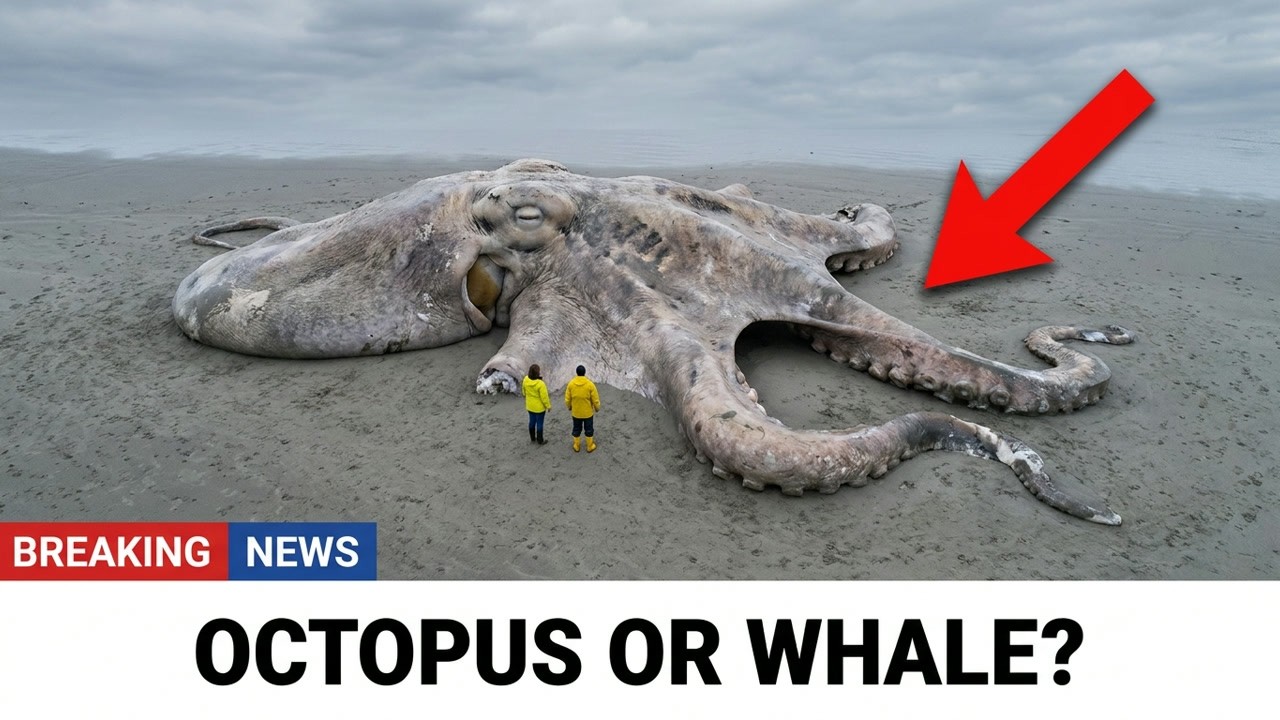
A giant sea monster washed ashore in 1896, sparking a scientific feud that lasted a full century. The remains were massive, with strange tentacle-like appendages, and it was found in St.
On November 30, 1896, two boys riding bicycles along the beach of Anastasia Island, near St. Augustine, Florida, found a...
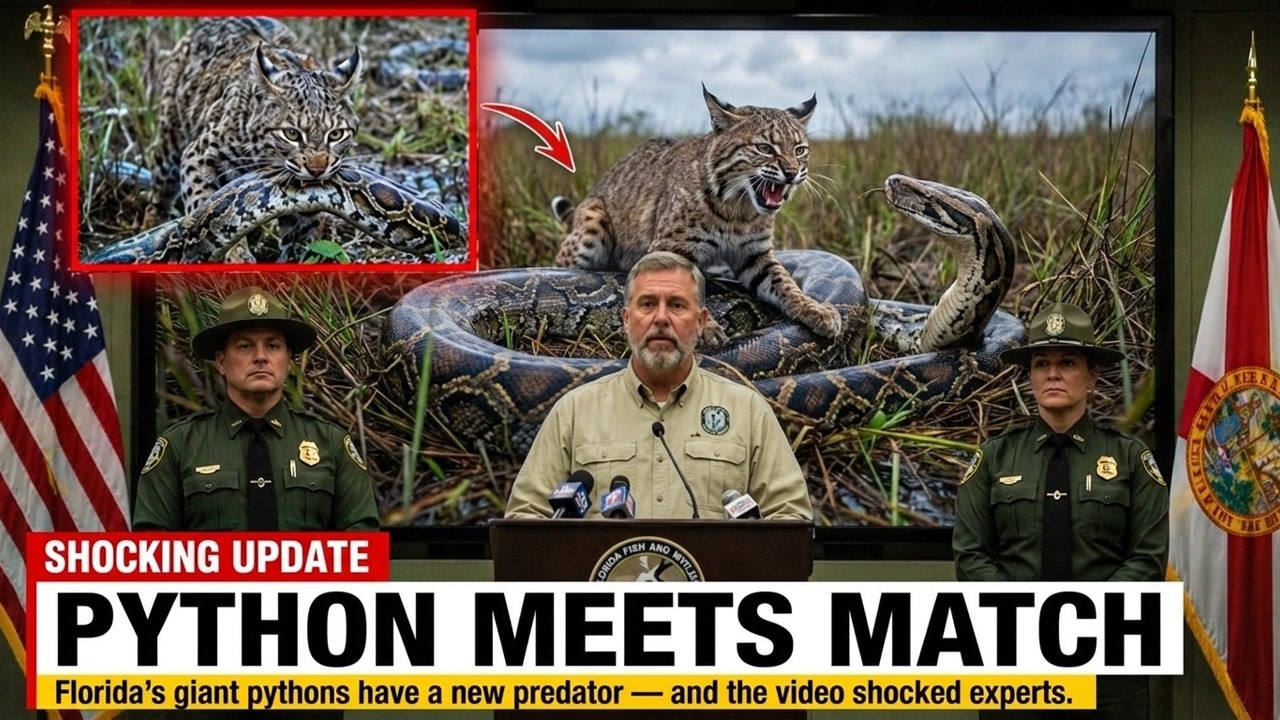
Wildlife cameras in Florida have captured something researchers had never seen before: a bobcat raiding an invasive python’s nest. The footage stunned experts because native predators had shown zero interest in these snakes for over two decades.
In the summer of 2021, researchers reviewing trail-camera footage from the Big Cypress National Preserve in South Florida made an...