Wildlife cameras in Florida have captured something researchers had never seen before: a bobcat raiding an invasive python’s nest. The footage stunned experts because native predators had shown zero interest in these snakes for over two decades.
In the summer of 2021, researchers reviewing trail-camera footage from the Big Cypress National Preserve in South Florida made an observation that had not been documented before. The footage showed a Florida bobcat approaching the unattended nest of a Burmese python and feeding on its eggs.
The event stood out because it was the first recorded instance of any native Florida animal preying on python eggs. Until that point, the invasive species had faced almost no natural resistance in the Everglades.

The Burmese python is not native to the Americas. Its original range covers the forests and river valleys of Southeast Asia. It is among the largest snake species in the world, and adult specimens in Florida typically reach six to nine feet, although some captured individuals have measured close to 18 feet. It is an ambush predator that kills by constriction, squeezing its prey until breathing and circulation stop, then swallowing the animal whole.
The python population in Florida began after pet owners released unwanted snakes into the wild, some intentionally and some accidentally, including a number of escapes from breeding facilities that were damaged during a major hurricane in the early 1990s. The Everglades offered conditions similar to the python’s natural habitat, and the snakes found an abundant food supply. Unlike in their native range, no predators, competitors, or diseases kept their numbers in check.
Female pythons can lay between 50 and nearly 100 eggs at a time. By the 2010s and 2020s, population estimates ranged from tens of thousands to much higher, though no reliable count exists because the snakes are extremely difficult to locate in the dense marsh.
The impact on local wildlife became clear through nighttime road surveys that had been conducted for decades. Researchers compared animal sightings before and after the python population became established. Raccoon observations declined by roughly 99 percent. Opossum sightings fell by a similar margin. Bobcat sightings dropped by about 87 percent. Marsh rabbits, swamp rabbits, and foxes largely disappeared from survey records altogether.
Stomach contents of captured pythons showed they were not selective. The snakes consumed small mammals, birds, other reptiles, and occasionally larger prey, including white-tailed deer. There were documented cases of pythons attacking alligators, with some smaller alligators swallowed whole.
Biologists described the situation as a collapse of the native mammal community, with the snakes acting as an unchecked top predator in an ecosystem that had no evolutionary experience with them. The pythons were difficult to detect due to their camouflage and secretive behavior, and no native predator appeared to recognize them as either a threat or a food source.
The 2021 nest footage suggested that this might have been starting to change. The bobcat that raided the nest did not simply eat a single egg. It cached several eggs in the area, which researchers interpreted as an attempt to store food for later. When the female python returned to her nest, the bobcat returned as well and swiped at the coiled snake before leaving. The interaction was the first recorded hostile encounter between a bobcat and a python in the Everglades.
The footage did not amount to a turning point in the broader effort to control the python population. Scientists noted that the behavior was an isolated observation. But it raised a larger question about whether native animals were beginning to adapt to the presence of an invasive species that had occupied the region for more than two decades.
That question gained more attention in 2025, when trail cameras captured something that had not been confirmed on video before. In South Florida, a bobcat killed an adult Burmese python measuring approximately 13 feet. The event was described by a biologist working in the region as an example of the ecosystem rebalancing itself, with native animals beginning to identify the pythons as prey rather than as an unbeatable threat.
Other cases of native wildlife preying on pythons have since been documented. There is a record of an American alligator pulling a large python through shallow water. In late 2023, a visitor at Shark Valley recorded an alligator carrying a python. A snake tracking study produced an unusual finding when a signal from an implanted transmitter inside a small python was traced to a cottonmouth, which had swallowed the tagged python. X-rays confirmed the cottonmouth had consumed the entire snake, transmitter included. Florida black bears have also been recorded attacking large adult pythons, and birds of prey have been observed taking young snakes from the marsh.
These events are part of an ecological dynamic known as intraguild predation, where two predators compete for the same territory and may consume each other. For more than twenty years, pythons usually won those encounters. That is no longer always the case.
Human efforts to reduce the population have expanded as well. In many public lands across South Florida, pythons can be killed humanely year-round without a permit or license. One method relies on male scout snakes, which are fitted with radio transmitters and released to locate breeding females. Biologists follow the signals to remove large reproductive females before they lay eggs. An annual state-run removal competition brings hundreds of participants into the marsh for a concentrated removal period.
The current situation is not a clear victory for native wildlife. Population estimates remain in the tens of thousands at least, and the snakes continue to spread and reproduce. Each recorded predation event is still rare enough to be noteworthy. The native animals that disappeared from the survey roads have not returned. The ecological damage accumulated over two decades has not been undone.
What the footage from 2021 and 2025 represents is a gradual behavioral shift. A wetland ecosystem that had no response to the python when it arrived is beginning to register the snake as a presence, and in some cases, as a food source. Individual animals have learned where nests are located, or which snakes can be taken. That knowledge does not move through genes but through behavior, and it is still unclear whether it can spread quickly enough to keep pace with python reproduction.
The researchers who study the Everglades are careful not to overstate what this means. They describe it as early evidence of adaptation, not as a solution. Trail cameras remain in place, and the question of whether native predators will continue learning to confront the pythons remains open.
Recommended Stories
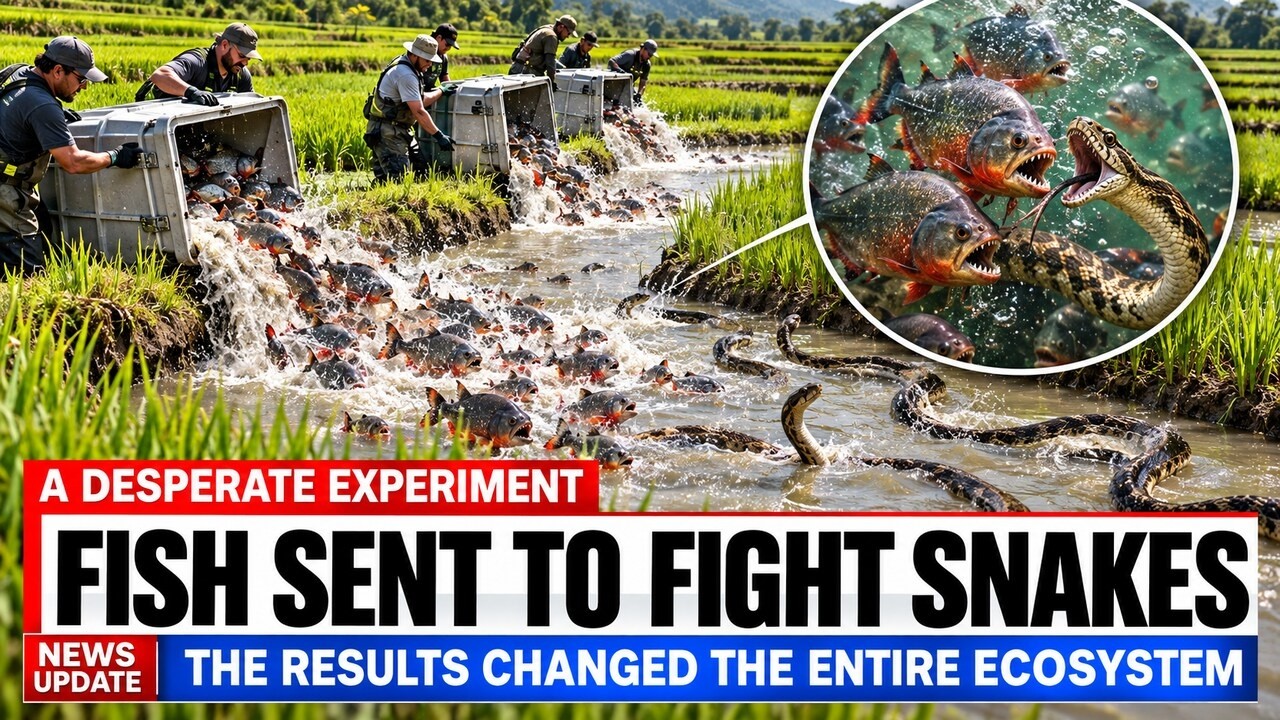
A bold experiment once unleashed thousands of piranhas into a thriving lake, aiming to wipe out a massive snake infestation that had turned the water into a danger zone. The plan seemed brilliant: release the fierce fish to slash the serpent population and restore balance fast.
Piranhas, known for their sharp teeth and fast movements, are among the most powerful predators in the Amazon's murky waters....

Two scientists tracking great white sharks off Australia got a transmission that didn’t make sense. Their tagged nine-foot female, Alpha, had suddenly plunged nearly 1,900 feet.
In 2003, researchers studying great white sharks off the southwestern coast of Australia recorded an unusual event that raised unresolved...
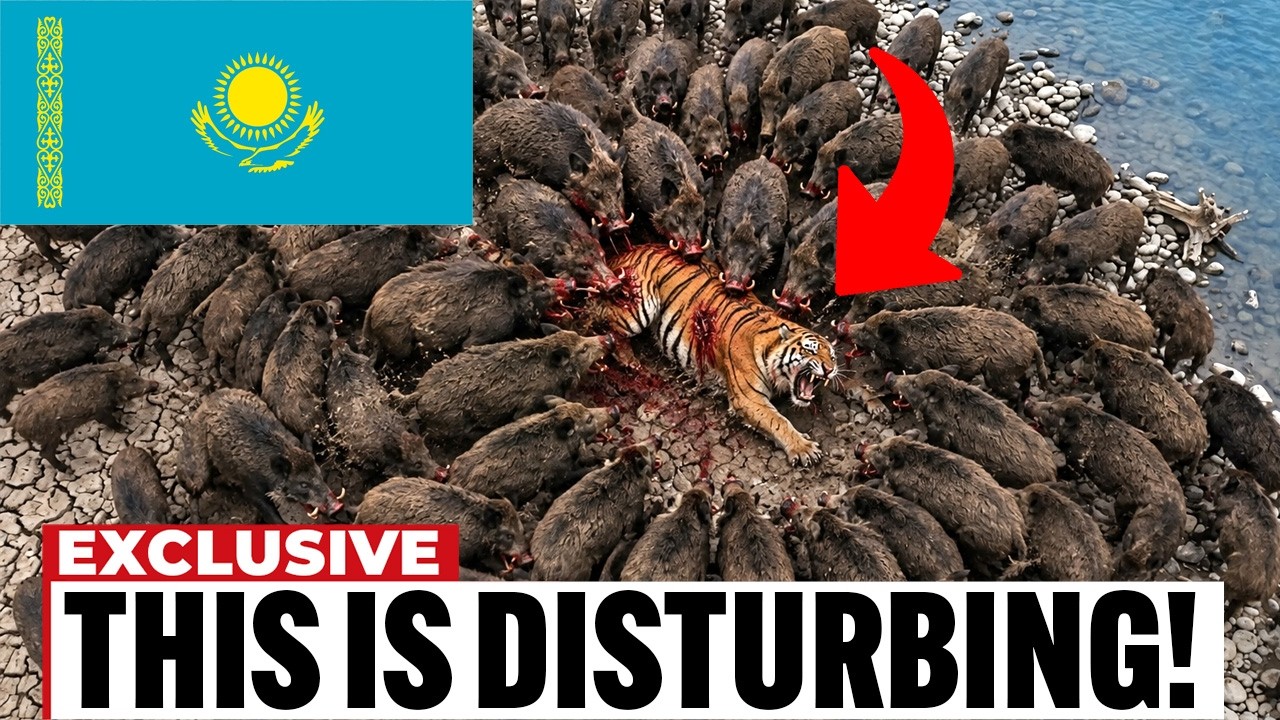
Kazakhstan released tigers back into the wild after a 70-year absence, marking a historic rewilding step. Scientists tracked the released predators closely, monitoring their movement in the vast, unfamiliar landscape of the Ili River delta.
Kazakhstan released a tiger into the wild in late July 2026 as part of a long-running reintroduction project, giving the...