For over a decade, the mystery of what devoured a nine-foot great white shark haunted marine biologists. The shark’s tracking tag washed ashore and revealed a shocking clue: the water temperature spiked suddenly, then plunged to a freezing 5°C.
In November 2003, researchers off the southern coast of Western Australia attached a satellite tracking tag to a nine-foot female great white shark as part of a study on the species’ movements. Four months later, the tag washed ashore alone. Its recorded data showed the shark had made a sudden dive to nearly 2,000 feet, accompanied by a temperature increase of more than 30 degrees Fahrenheit. Researchers concluded the shark had been eaten by another animal, and the event became a longstanding question in shark research.
Great white sharks are among the largest predators in the ocean. Adults can exceed 15 feet in length, and the largest confirmed females have weighed close to two tons. For most of the last century, marine biologists generally assumed that once a great white reached adult size, few animals in the ocean could threaten it, with humans posing the main danger through fishing activity.
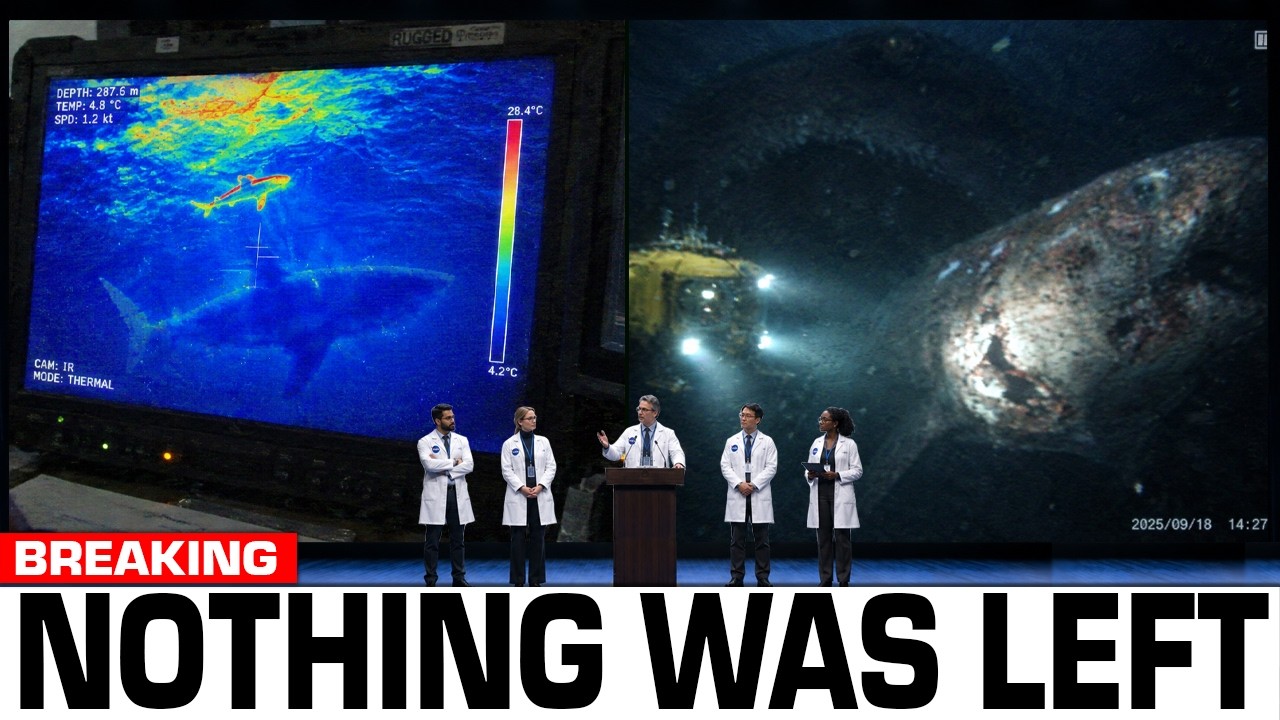
The tagging project in 2003 used a pop-up satellite archival tag designed to record the shark’s location, depth, and surrounding water temperature over several months. The device was expected to detach on a preset schedule and float to the surface for recovery. For the first four months, the data showed typical behavior for a great white shark hunting along the continental shelf.
The change in the data was abrupt. The tag recorded a rapid descent to close to 2,000 feet, far faster than a shark could swim on its own. At the same time, the temperature reading rose from around 46 degrees Fahrenheit to nearly 78 degrees. The tag itself later showed physical wear consistent with exposure to stomach acid, and it lacked the algae growth that normally accumulates on devices left floating in seawater.
The combination of a sudden deep dive, a temperature spike too rapid to reflect normal seawater changes, and the tag’s condition pointed to the shark having been consumed by a larger predator. Filmmaker Dave Riggs, who was documenting the tagging project for a television documentary, said the data made clear the shark had been eaten by something large enough to overpower it in open water.
Researchers considered two main suspects: an orca or an even larger great white shark. Orcas are known to target large sharks in other parts of the world and hunt cooperatively. Cannibalism among great whites is also documented, most commonly before birth, but adult sharks preying on smaller members of their own species has been recorded in other shark species and is considered plausible for great whites. The area where the tagged shark disappeared had produced reports of adult great whites estimated at 16 feet or more, animals potentially large enough to overpower and consume a nine-foot female.
Over years of additional fieldwork, researchers leaned toward the larger shark explanation. Divers documented multiple large adult great whites patrolling the same waters, and the dive and temperature data were consistent with what a large shark could produce during and after a meal. The orca theory was not entirely ruled out, since killer whales could have passed through the area without being observed, but the balance of evidence favored predation by a larger great white. Researchers acknowledged that without an eyewitness or a recovered body, the conclusion remained a strong probability rather than absolute proof.
The investigation led Riggs and his colleagues to a separate discovery. While returning to the same stretch of ocean near Bremer Bay over repeated survey trips between 2005 and 2013, they documented large seasonal gatherings of marine predators in a previously unrecorded deep underwater trench now known as Bremer Canyon. The site draws nutrient-rich water from depth, supporting dense concentrations of squid and fish, along with the predators that feed on them.
From roughly January through April each year, killer whales gather in the area in family pods, hunting squid and other prey. Sperm whales arrive in the same season, competing for the same food sources. Scientists have also observed that great white sharks tend to leave the area when orcas are present, rather than risk an encounter. A formal scientific study published in 2021 described the oceanographic conditions that concentrate marine life at this specific site. The area has since become a destination for seasonal whale-watching expeditions, and data collected on those trips has supported university research programs.
A second tagging case in the northwestern Atlantic Ocean in October 2020 provided researchers with a more precise method for identifying predators from tag data alone. A research team tagged a pregnant porbeagle shark, a species that can grow to roughly ten feet and sits relatively high in its regional food chain. Months later, the tag recorded a similar pattern of a sudden depth change and temperature readings inconsistent with open seawater.
In this case, researchers were able to rule out an orca because the recorded temperature was not high enough to match a marine mammal’s internal body heat. They identified a large great white shark or a shortfin mako as the more likely predators. The findings were published in the scientific journal Frontiers in Marine Science in 2024. Scientists involved described the process as working backward from a data trail left by an animal that did not survive.
These cases have contributed to a broader understanding of the marine food web. Adult great white sharks, long treated as untouchable apex predators, are now understood to be vulnerable in certain situations to larger members of their own species or to orcas. This has helped explain some unexplained disappearances of great whites from coastal areas and has given researchers a clearer picture of how the ocean’s top predators interact.
The 2003 case has never been closed with certainty. No video or physical specimen has confirmed which animal ate the tagged shark. But the evidence gathered since then points to a larger great white as the most likely explanation, and the investigation that followed led to the discovery of a previously unknown seasonal marine ecosystem off Western Australia.
Recommended Stories
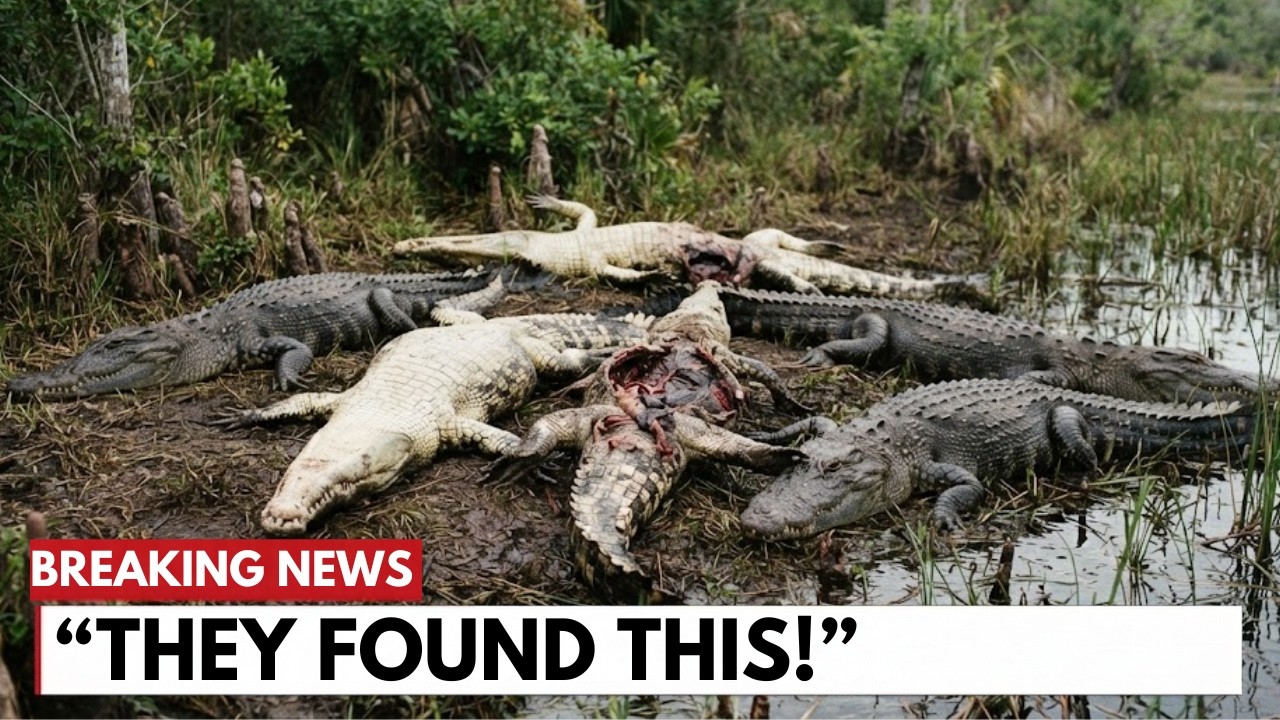
Florida’s biggest crocodiles began vanishing from canals they had ruled for decades—and the usual suspect was quickly ruled out. These were mature territory holders, not wanderers, so biologists first blamed pythons.
The disappearance of dominant adult crocodiles from the mangrove channels of southern Florida went unnoticed at first, and then became...
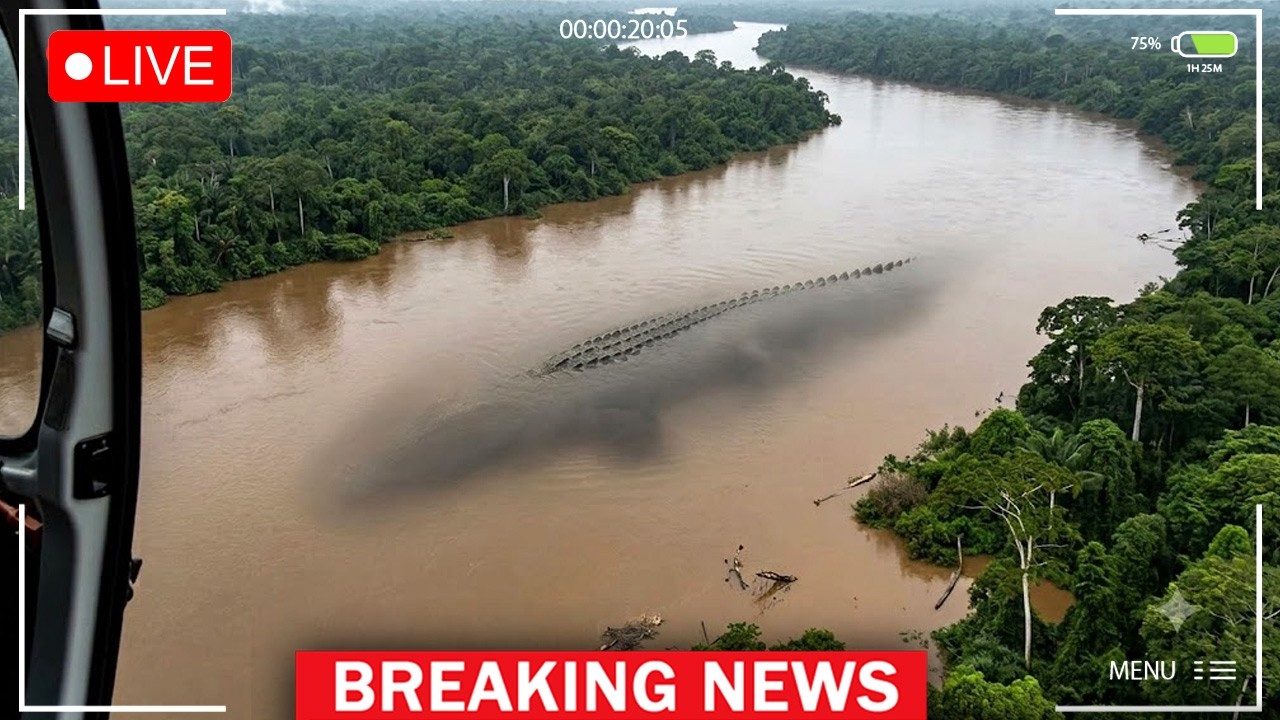
Deep in the Amazon, rangers stumbled upon a giant caiman—and this encounter completely defied expectations. The team initially spotted something massive lurking beneath dark river waters, prompting cautious investigation.
A series of wildlife videos and reports out of Florida and Brazil has drawn attention in recent months, with several...
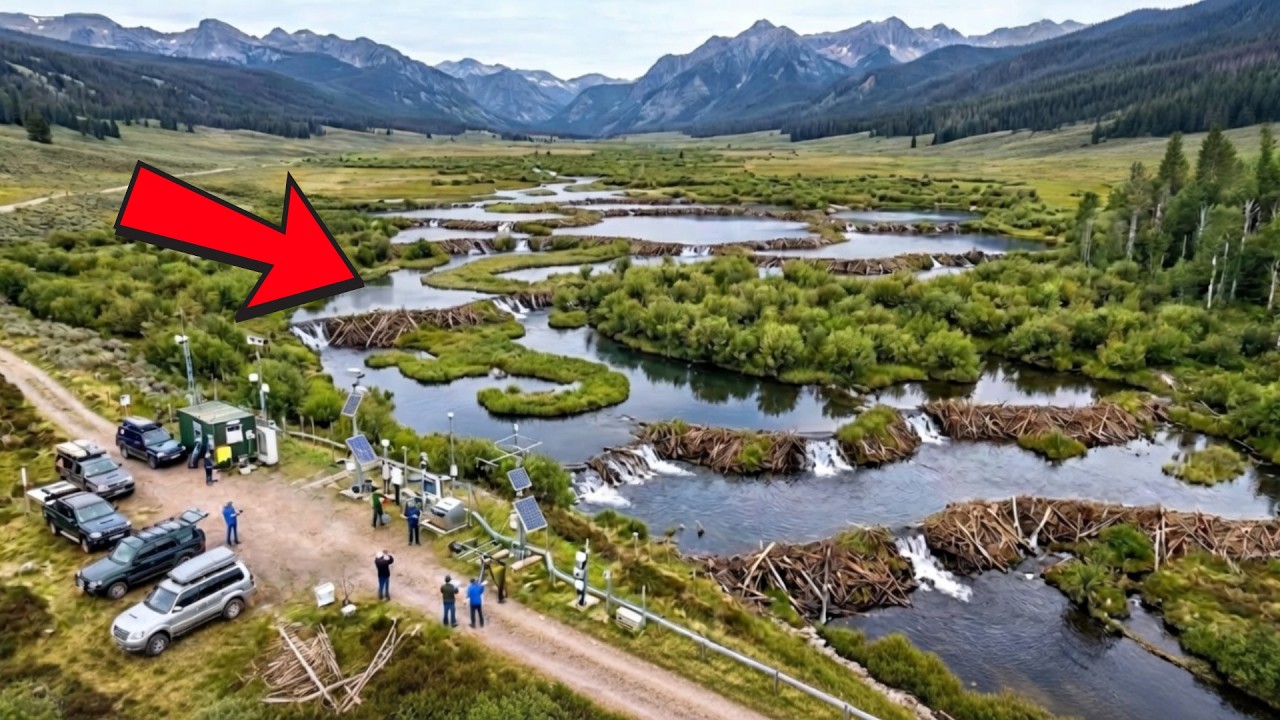
Yellowstone’s elk had nearly destroyed the park for decades, but one surprising reintroduction changed everything. For 70 years, without natural predators, the land was stripped bare, rivers eroded, and entire species vanished.
In January 1995, the United States released 14 gray wolves into Yellowstone National Park. Over the following three decades, their...