Stray cats are vanishing from Miami streets, and the hunt for the culprit just took a shocking turn. Officials initially pointed at native predators, but the real evidence tells a far stranger story that no one anticipated.
Maria Sandoval had been feeding the same colony of stray cats near her apartment complex in Little Havana for six years, and she knew each animal individually. On a Tuesday evening in August, only three of the eleven cats appeared for their usual meal. The next evening, five came, but they moved cautiously, staying close to walls and eating quickly before retreating.
Sandoval contacted a woman from a rescue group who helped manage the colony, describing the missing cats and their unusual behavior. The animals, she said, seemed to be acting as if something was hunting them.

A cross-check of records from two separate monitoring programs eventually provided an explanation: Burmese pythons had established a presence in the canal drainage corridors adjacent to several feral cat colony sites in Miami-Dade County.
Feral cats have been part of South Florida’s urban environment since European settlement, and by the mid-20th century, established colonies existed across the region. The subtropical climate and abundant food waste support year-round reproduction. A single unspayed female can produce two to three litters annually, with kittens reaching reproductive maturity in about five months.
Miami-Dade County estimates the feral and stray cat population at between one and three million. Conservationists consider them a significant invasive species, noting that each cat kills an estimated 100 to 300 birds and small mammals per year. Trap-neuter-return programs have sterilized tens of thousands of animals, but colonies consistently refill from surrounding populations before program cycles can complete.
Rosa Delgado managed a feral cat rescue and colony stabilization operation across twelve sites in the Miami Riverside and Little Havana neighborhoods for nine years. She kept detailed head count records for every site. In the spring of the most recent survey year, she observed colony populations dropping across consecutive visits with no evidence of city trapping activity, and the surviving animals were behaving differently than they had before, staying close to walls and refusing to rest in the open.
Delgado filed a disruption report with the Florida Fish and Wildlife Conservation Commission. Instead of learning about a trapping operation, she was referred to Dr. Angela Reyes, a researcher who had been conducting urban wildlife corridor surveys along the Miami River drainage network and adjacent canal systems for seven years.
Reyes monitored native species recolonization in these areas, using trail cameras to document wildlife movement along roughly eleven miles of urban waterway infrastructure. Her data, accumulated over two survey seasons, showed established adult Burmese pythons, two to four meters in length, hunting in the canal-side vegetation and dense shrub areas that feral cat colonies use for shelter.
When Reyes mapped both data sets against the same neighborhood grid, the correspondence was consistent. Every colony site showing significant population decline or behavioral disruption had documented python presence in the immediate canal corridor within the same survey window.
Burmese pythons established a breeding population in the Florida Everglades in the 1980s through the exotic pet trade. By 2010, conservative estimates placed the population above 30,000. Their impact on native mammals was severe, with raccoon populations collapsing by more than 99 percent in their primary range and marsh rabbits disappearing from areas they had long occupied.
The expansion into Miami-Dade’s urban canal corridors represents a more recent development. The same canal systems that connect agricultural zones to coastal wetlands run directly through residential and commercial neighborhoods. These canals offer the warm water, dense vegetated margins, and abundant prey that pythons require, with the added advantage of more concentrated food sources than the open Everglades.
An adult Burmese python in its third or fourth year weighs between 15 and 30 kilograms and hunts by ambush. A feral cat weighing four to five kilograms falls well within the prey size range a mid-sized python takes routinely. Cats cannot use climbing as an escape in ground-level shrub cover and dumpster enclosures, and a python holding position in those areas is invisible to approaching prey.
Following her initial analysis, Reyes positioned cameras at canal bank access points near the two colony sites showing the most significant disruption. On her second return to the Liberty City corridor, she reviewed footage from the previous 72 hours. At hour 41, a camera recorded a python estimated at 2.8 meters holding position inside the shrub line near a primary colony feeding site for four hours.
The connection between the three programs tracking relevant information, the wildlife surveys, the colony management records, and the state’s python monitoring, had not been made until Delgado’s report reached Reyes. The two data sets, when examined together, provided a clear view of the relationship between python expansion and feral cat colony disruption.
Sandoval continues to put out dishes most evenings. The colony at her site is smaller than it was two years ago and has not fully recovered. The remaining cats behave more cautiously than they did before. She noticed the change before any formal documentation confirmed it.
Recommended Stories
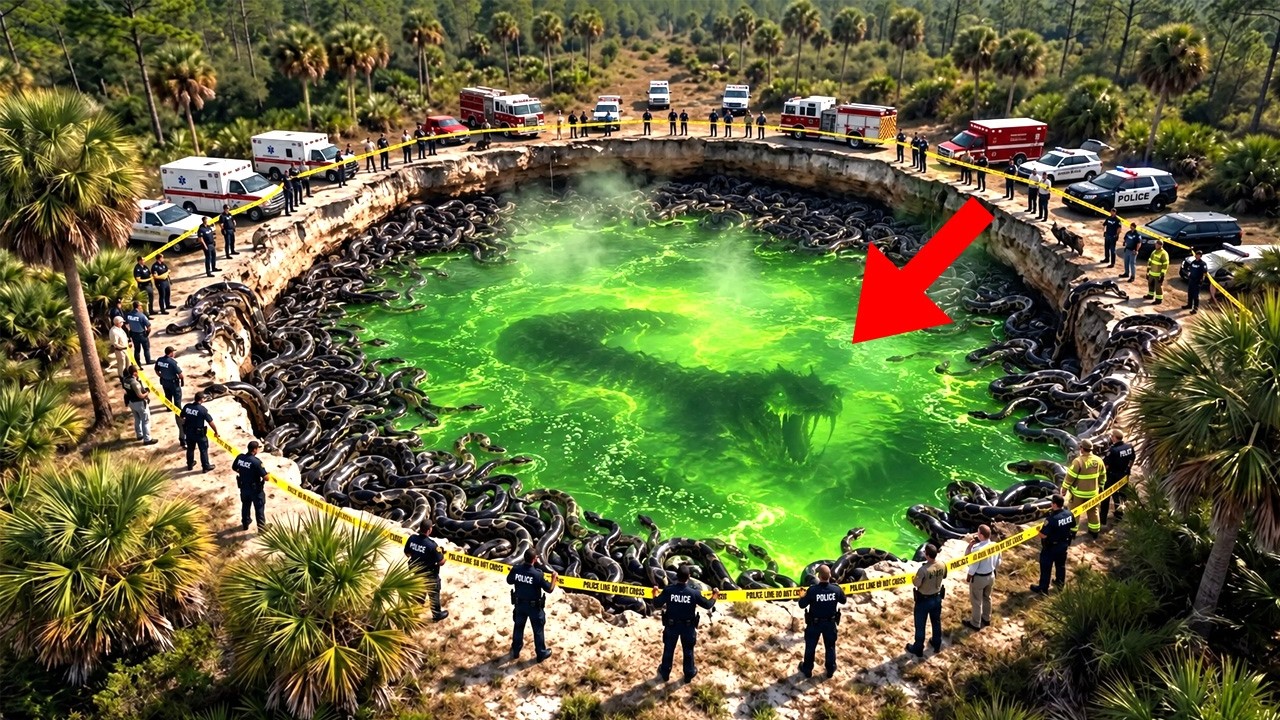
A swamp full of hungry predators and giant pythons had Florida scientists desperate for a solution. For years, invasive Burmese pythons wiped out native wildlife across the Everglades, and typical removal methods simply could not keep pace.
Burmese pythons in Florida can swallow an adult deer whole. The snakes have severely reduced raccoon, rabbit, and fox populations...

Five years ago, England released just two beavers into a flooded forest to manage the landscape. Now, scientists have returned and discovered something extraordinary—a thriving ecosystem they never expected.
In April 2019, two Eurasian beavers from Scotland were placed in a fenced enclosure in Cropton Forest, North Yorkshire. The...
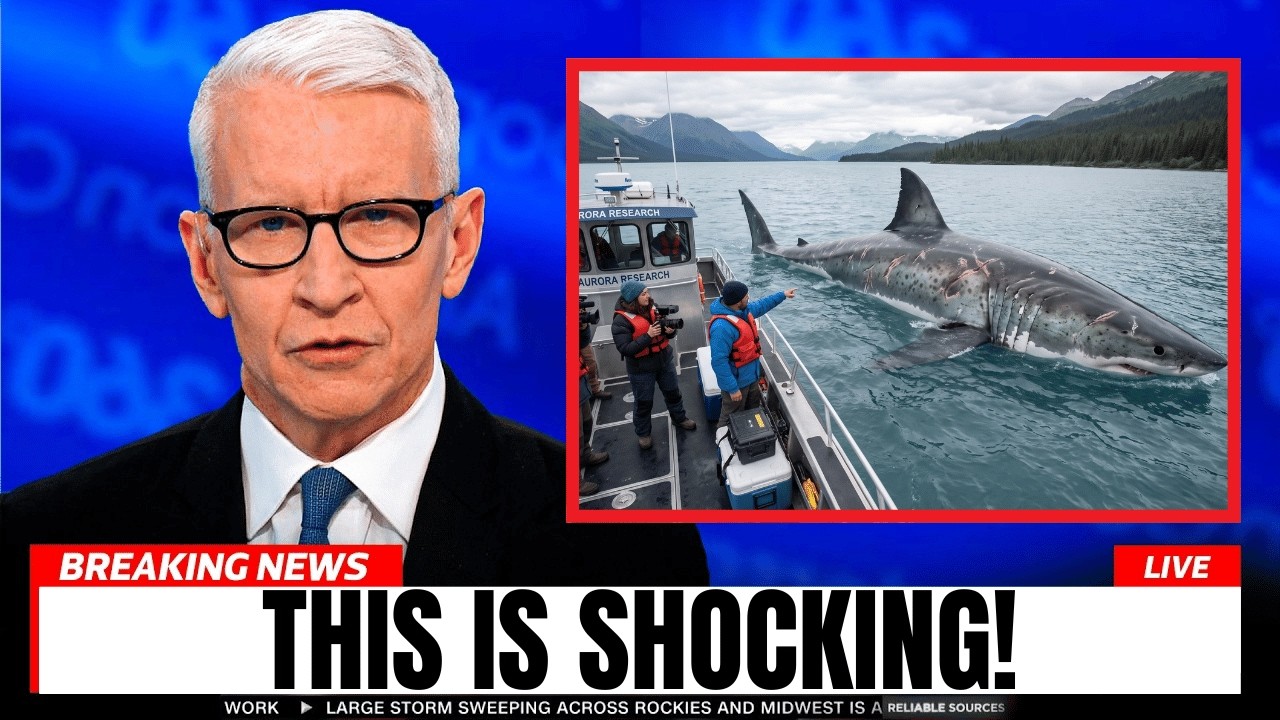
Scientists finally confirmed Alaska’s lake monster is real, and the truth behind it is far grimmer than folklore ever suggested. For decades, locals whispered about a massive creature lurking beneath the icy waters, yet every search turned up nothing but legend.
Cliff Barkman, a visitor to Lake Iliamna in Alaska, describes the lake as one of the largest bodies of freshwater...