An Australian surfer bought a 280-acre sheep farm in Ireland, stripped it of grazing animals, and just watched. Within years, the bare hills began to shift.
In October 2022, a cold-water surfer from Cornwall helped purchase an overgrazed sheep farm in western Ireland. The 280-acre property cost about $700,000, funded through donations and a loan from a philanthropist rather than a bank. The buyer was not acquiring a farm in the usual sense. The aim was to restore a temperate rainforest that has been absent from the valley for roughly 6,000 years.
The land sits between Mount Turk and the Ballynahinch River, a salmon river in a region of Ireland where Irish remains the primary language for many residents. Some local farmers have described the purchase as an intrusion. One neighbor wrote online that newcomers were “stealing our connection to the land.” Conservation groups in Ireland have faced hostile comments from hill farmers for decades, even when cooperation was needed.
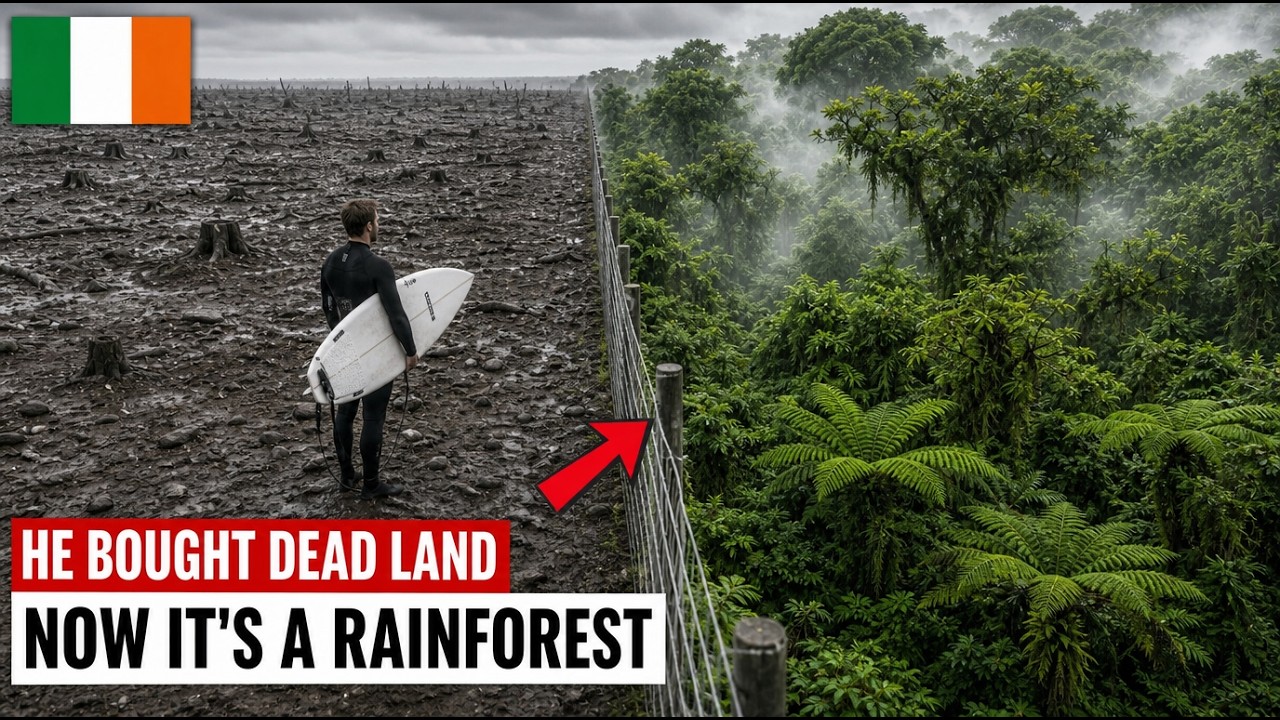
Ireland is known as the Emerald Isle, one of the greenest countries in the world by reputation. It is also among the least forested countries in Europe. About 80 percent of the island was once covered by trees. By 1925, that figure had fallen to roughly 1 percent. When environmentalists surveyed this particular farm, they found no empty fields. They found remnants of a forest type that is now considered rarer than the Amazon rainforest, dependent on fewer than a dozen surviving trees.
Today, the sheep are gone from Cnocan Bán. Fencing is being installed, and the 280 acres represent the first step in a €12 million plan to restore a rainforest. Many people are unaware that Ireland ever had such forests. The bare hillside does not reveal its own history. Its real story is much older than any sheep farm.
Ireland was once 80 percent forested. By 1925, that had fallen to 1 percent. A combination of 6,000 years of grazing and wood cutting first degraded the forest, then centuries of English colonization accelerated its destruction. Irish oak was cut for naval timber. Woodland was burned for charcoal. Land was cleared to meet the demands of an empire that had no connection to Ireland itself.
The resulting emptiness took the form of sheep for a practical reason. On land that was barren, steep, and acidic, sheep were the only livestock that could turn otherwise unproductive hillsides into subsidized income. For decades, European agricultural policy rewarded hill farmers based on how many animals they could put on a slope, rather than the health of the land. This was not cruelty. It was a system that ensured enough grazing pressure to prevent forests from returning.
Ireland has attempted to correct the numbers. Forest cover is now around 11.6 percent. But that statistic hides a harder truth. Only about 20,000 hectares of true ancient woodland survive anywhere on the island. In a country of roughly 7 million hectares, that is less than three-tenths of one percent. Most of what was planted was not an attempt to restore lost forest. Ireland lost not only its trees but also its memory of what a forest looked like. Scientists call this shifting baseline syndrome: each generation accepts the landscape it grows up with as normal, with no memory of what was lost.
One way to understand what remains of Ireland’s lost rainforest is to think of it as a library almost burned to the ground, with only a few branches scattered across the west coast. Each branch contains species found nowhere else on earth. Mosses that take 200 years to grow on a tree trunk. Lichens so sensitive to pollution that scientists use them as measuring instruments. Hazel gloves fungus, which grows only on old hazel trees in clean air. There are no replacements to order. What survives can only be protected. If the last branch disappears, no second edition will come, not in 10 years, not in 100.
For 6,000 years, sheep and deer have eaten every seedling before it could grow. The grazing pressure has prevented the surviving fragments from spreading. The insight behind Home Tree, the charity leading this work, is simple: remove the pressure that holds the forest in place, and what survives can spread again. What survives cannot easily be replaced elsewhere.
This type of forest, the Atlantic temperate rainforest, requires a climate found in less than 1 percent of the world’s land. By some estimates, it is rarer and more endangered than tropical rainforest. Outside the British Isles, it survives in only a few places: the foggy Pacific coast of North America, parts of southern Chile, and almost nowhere else.
Ireland once tried to fix its treeless condition on a large scale and made serious mistakes. In the twentieth century, the state began an ambitious planting program. On paper, it was a success. Today, about 9 percent of Ireland is covered by trees, but almost all of it is Sitka spruce, introduced from Alaska. This exceeds the combined total of all native tree cover in Ireland. A Sitka plantation cannot support the species of a true Atlantic rainforest. It increased numbers without bringing back the forest.
Eoghan Daltun, who has spent years restoring land in West Cork, puts it simply: nature’s own ability to heal itself is what gives him the most hope. “In the process of healing the land, you heal something inside yourself,” he has said. Cnocan Bán is only three years into that process.
What is true is this. In October 2022, a group of surfers and scientists bought 280 acres of degraded farmland in one of the last places on earth where a nearly extinct forest could return. They did so through an incomplete and open effort to earn the trust of local residents. Daltun says nature does not need us to rebuild itself. It only needs us to step out of the way long enough to recover. Cnocan Bán has not yet had that time. After 6,000 years, it finally has the chance.
Recommended Stories
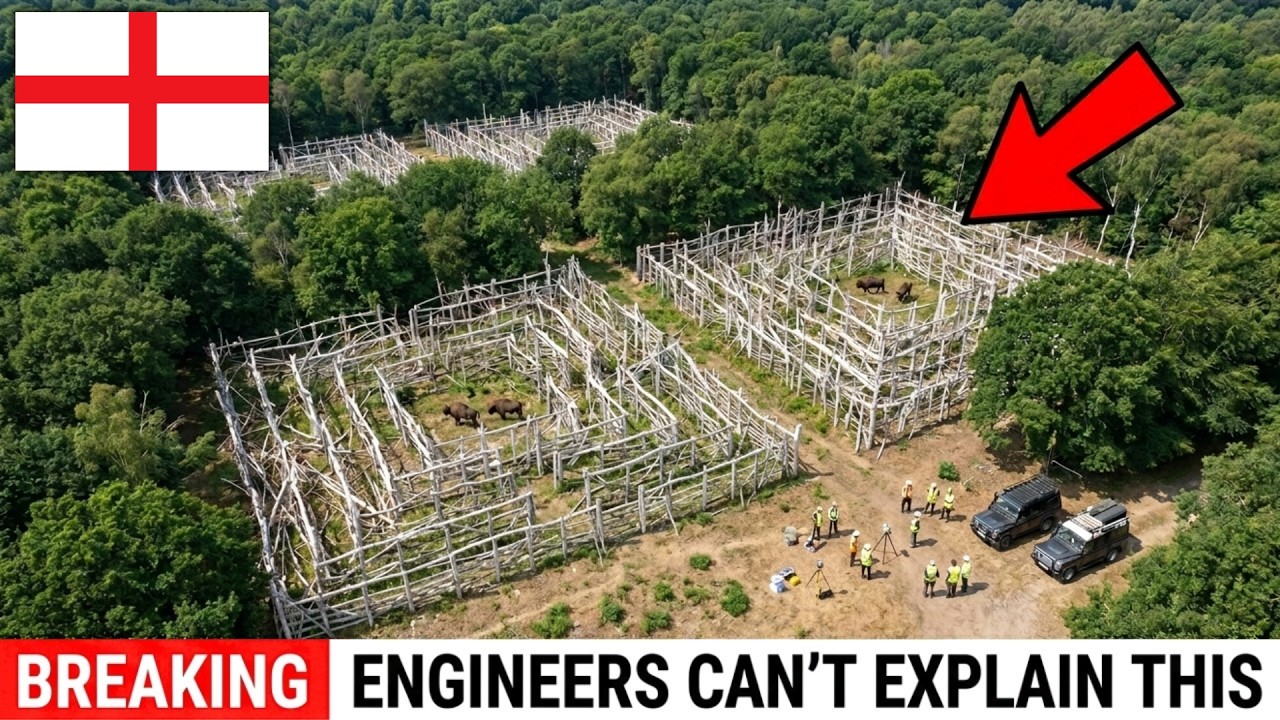
Four bison were just released into a dead forest in England, and what they did with bark and hooves was unbelievable. Once the ecosystem’s largest animals, these beasts had vanished from the region for centuries, leaving the woodland unable to heal.
In July 2022, four European bison were released into a woodland near Canterbury, marking the first time the species had...
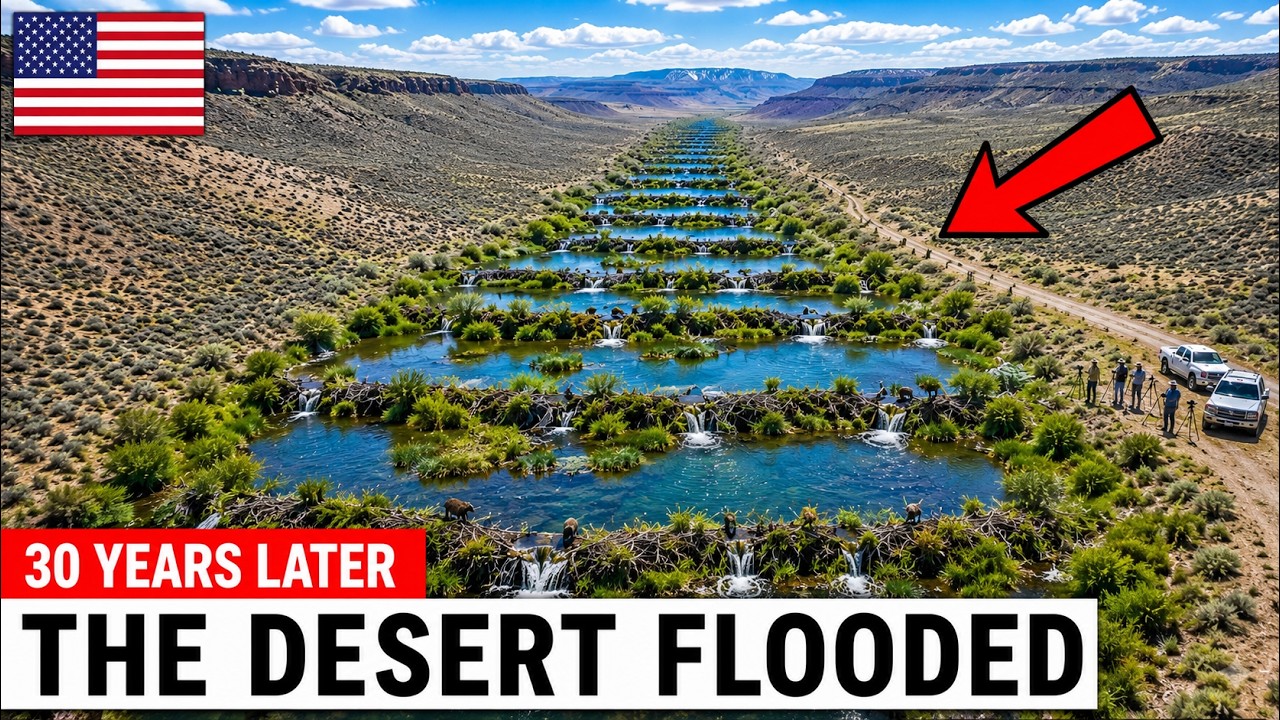
A U.S. rancher let the beavers back and the water did something insane.
In 1990, Maggie Creek was drying up every summer. The water ran fast and shallow, and by August it turned...
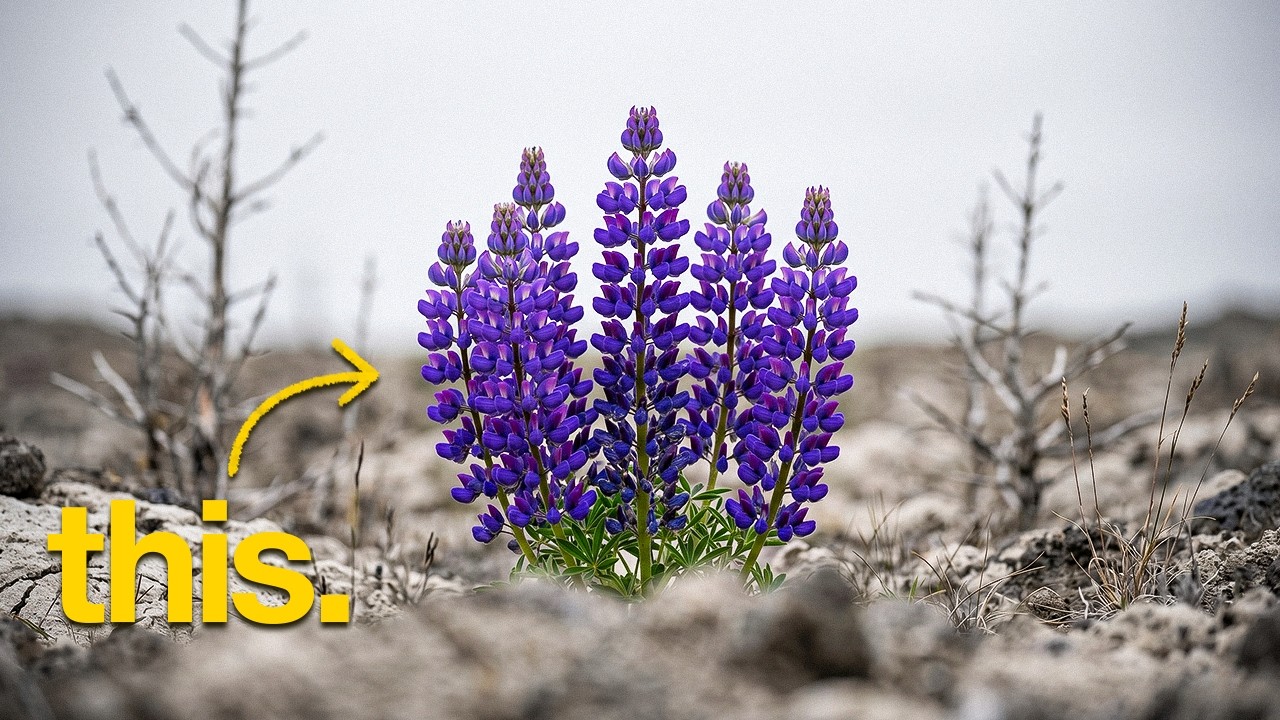
Iceland planted millions of trees for decades, yet every single one died for 50 years—until scientists finally spotted one overlooked detail. The island was once nearly bare, stripped of its forests centuries ago.
Iceland receives more rainfall than London, yet for more than a century, the government's large-scale tree-planting efforts largely failed. At...