Scientists finally confirmed Alaska’s lake monster is real, and the truth behind it is far grimmer than folklore ever suggested. For decades, locals whispered about a massive creature lurking beneath the icy waters, yet every search turned up nothing but legend.
Cliff Barkman, a visitor to Lake Iliamna in Alaska, describes the lake as one of the largest bodies of freshwater in the state. It stretches roughly 77 miles in length and reaches depths of nearly a thousand feet in some areas. From the air, it appears cold and vast, a body of water so large that the far shore disappears in changing weather. Beneath its calm surface, the lake has been the subject of decades of unconfirmed reports.
Over the years, pilots and fishermen have reported seeing large shapes moving beneath the water. Some witnesses described multiple animals traveling together, while others mentioned dark forms shifting just below the surface. One of the most cited accounts dates to the 1940s, when observers in the air reported large shapes swimming below them. Another account comes from pilot Tim LaPorte, who described seeing unusual large forms in the lake during the 1970s. None of these sightings have produced physical evidence. Water temperature, glare, distance, waves, and expectation can all distort what a person believes they have seen. The reports, however, have remained fairly consistent in their descriptions: large, dark, quick, and often seen from above.

By 1980, the mystery had attracted enough attention that the Anchorage Daily News offered a reward of $100,000 for proof of an unknown creature in the lake. No one has ever claimed the prize. No clear photograph, sample, or final answer has emerged. Skeptics have taken this as evidence that nothing unusual exists there, while believers have argued that the lake is too large and remote to give up its secrets easily.
The lake has the kind of characteristics that make such legends plausible. It is Alaska’s largest freshwater lake, with deep, cold, dark areas that have never been closely examined. It is remote, surrounded by few villages, and reachable mainly by plane or boat. The weather can shift quickly, and the cold water can be dangerous. The lake connects west to Bristol Bay through the Kvichak River system but still feels isolated.
Local stories have warned for generations of a large presence in the water. Descriptions have included a massive black fish, a long shape, a shark-like body, or something strong enough to strike boats from below. These stories often function as warnings and memory aids rather than simple entertainment. They advise caution about when and where to go on the lake. The stories came from people who lived alongside the lake and needed to survive, not from tourists seeking excitement.
Scientists have not found a creature that matches the legend, but they have documented something unusual. Lake Iliamna is home to a small, persistent population of harbor seals that use the lake continually. These seals live in freshwater, far from the coastal areas where such marine mammals are usually found. This has led researchers to study whether they are distinct from other harbor seals. The presence of these seals demonstrates that the lake can support large aquatic mammals in an environment outsiders might consider unlikely.
The seals do not explain every report. Some witnesses have described something longer and darker than a seal, more fish-like in shape. One theory suggests Pacific sleeper sharks. These sharks are real, live in cold northern waters, and can grow very large. Their dark shape could resemble something strange from above, and they could move under boats or damage fishing gear. No confirmed specimen of a Pacific sleeper shark has been documented from Lake Iliamna, however. The theory remains plausible but unproven.
In recent years, some accounts of the Iliamna story have claimed that scientists found unknown environmental DNA in the lake. Environmental DNA analysis is a real scientific tool that detects genetic traces left by organisms in water or soil. It can reveal the presence of animals without directly seeing them, but the results can be affected by contamination, incomplete databases, degraded samples, or misinterpretation. An “unknown” sequence does not automatically indicate a new monster. No peer-reviewed, publicly accepted scientific study has confirmed that Lake Iliamna contains an unknown creature based on environmental DNA.
The confirmed biology of the lake is remarkable on its own. A population of freshwater harbor seals in a remote Alaska lake is unusual and worthy of study. The legend may not point to a single creature but to an entire ecosystem that outsiders have underestimated. The lake is large enough to hold freshwater seals, deep enough to hide large forms, and remote enough that many observations never become official data.
Lake Iliamna is also changing. Alaska’s warming climate, shifting ice, moving fish populations, and development pressure affect remote ecosystems. The lake is connected to Bristol Bay and the broader northern environment. Whatever lives in the lake is not fixed in place. Changes in fish movement, water conditions, or human activity may alter what people see, not because monsters are multiplying, but because animals and people are being pushed into the same spaces more often.
The mystery of Lake Iliamna may not be a single undiscovered animal. It may be the lake’s ability to convert real biological phenomena into legend. The confirmed presence of freshwater seals shows that local knowledge about unusual animals in the lake deserved serious attention. Scientists have not pulled a monster from the water, but they have shown that the lake is stranger than skeptics assumed. It remains large, remote, and not fully explained. The question has shifted from whether a water serpent exists to what real animals people have been seeing. The answer remains incomplete, but the lake continues to hold a distinction between folklore and biology that has not been fully resolved.
Recommended Stories

In less than three years, a barren patch of Nevada desert transformed into a lush oasis because of a single unexpected visitor. For sixty years, a dried-up basin sat lifeless after groundwater pumping drained it, leaving cracked earth behind.
The lower part of the Las Vegas Wash has experienced significant erosion affecting water flow, filtration, and local habitats. Nevada...
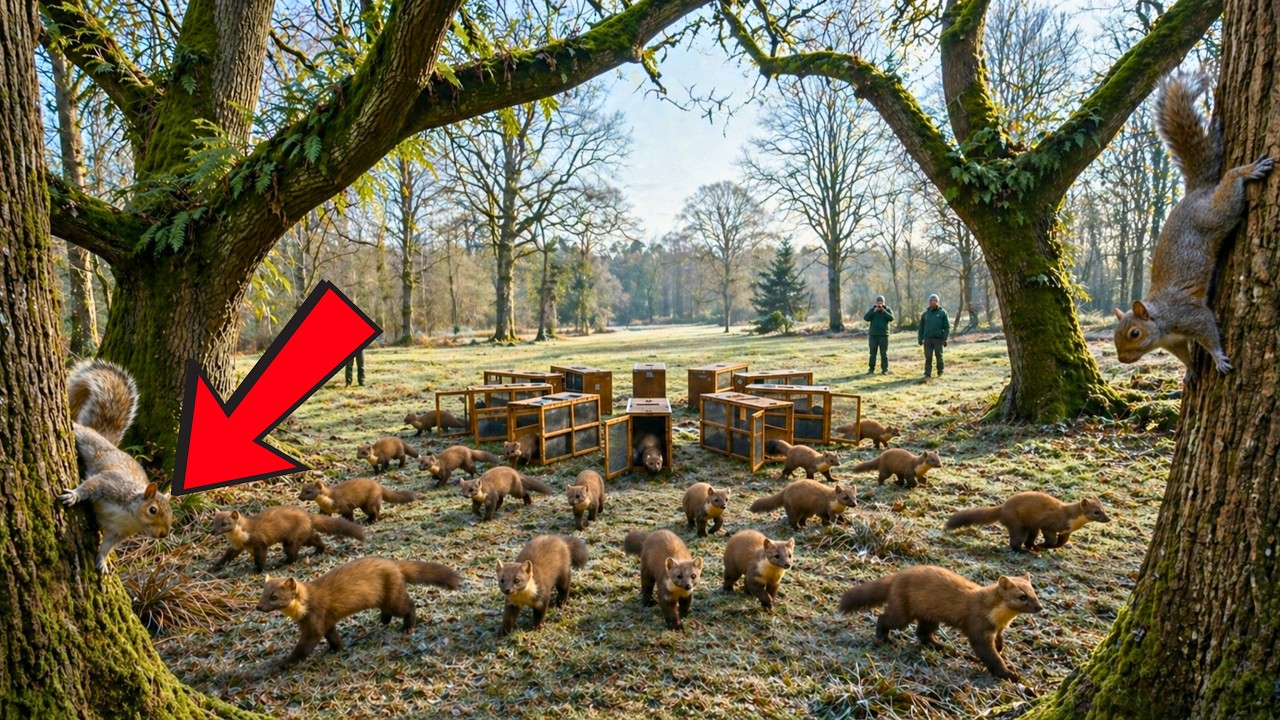
They reintroduced 35 pine martens into the Forest of Dean—and two years later, grey squirrels are facing the unthinkable. Conservationists hoped these predators would naturally control the booming grey squirrel population, protecting native reds and endangered woodlands.
Between 2019 and 2021, a team from the Gloucestershire Wildlife Trust captured 35 wild pine martens in the Scottish Highlands,...
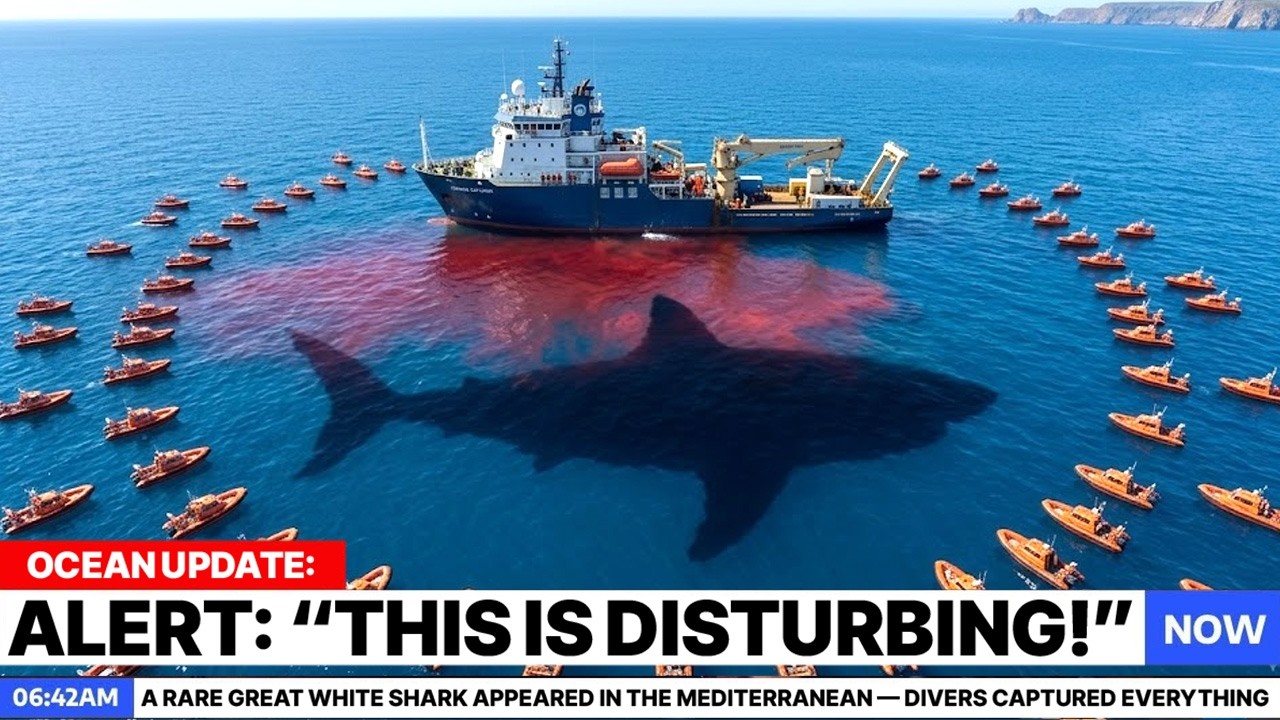
A rare great white shark surfaced in the Mediterranean, and divers captured the entire encounter on camera. For years, experts insisted the apex predator had nearly vanished from these waters, making this sighting a shocking biological anomaly.
A technical diver working off the coast of Sicily recorded what is believed to be the first underwater video of...