Florida drained a protected wetland to build homes, and then biologists made a discovery that paused the entire project. The wetland had been carefully surveyed before the water was removed, yet something unexpected surfaced once the land was exposed.
During a routine drawdown of a water treatment area in South Florida, researchers uncovered a large underground network of invasive armored catfish, revealing a population far larger than any model had predicted. The investigation into the catfish colonies eventually led to the discovery of hidden Burmese python nesting areas, exposing a level of invasive species activity that had remained undetected for years.
Sarah Mitchell, a biologist, arrived at the drained wetland expecting to find typical native species like bass and sunfish. Instead, she found thousands of armored catfish concentrated in the shrinking pools of water. The catfish, native to South America, are commonly sold in pet stores as algae eaters. When they grow too large for home aquariums, owners often release them into local waterways. Their bodies are covered in bony plates, making them difficult for native predators to eat.
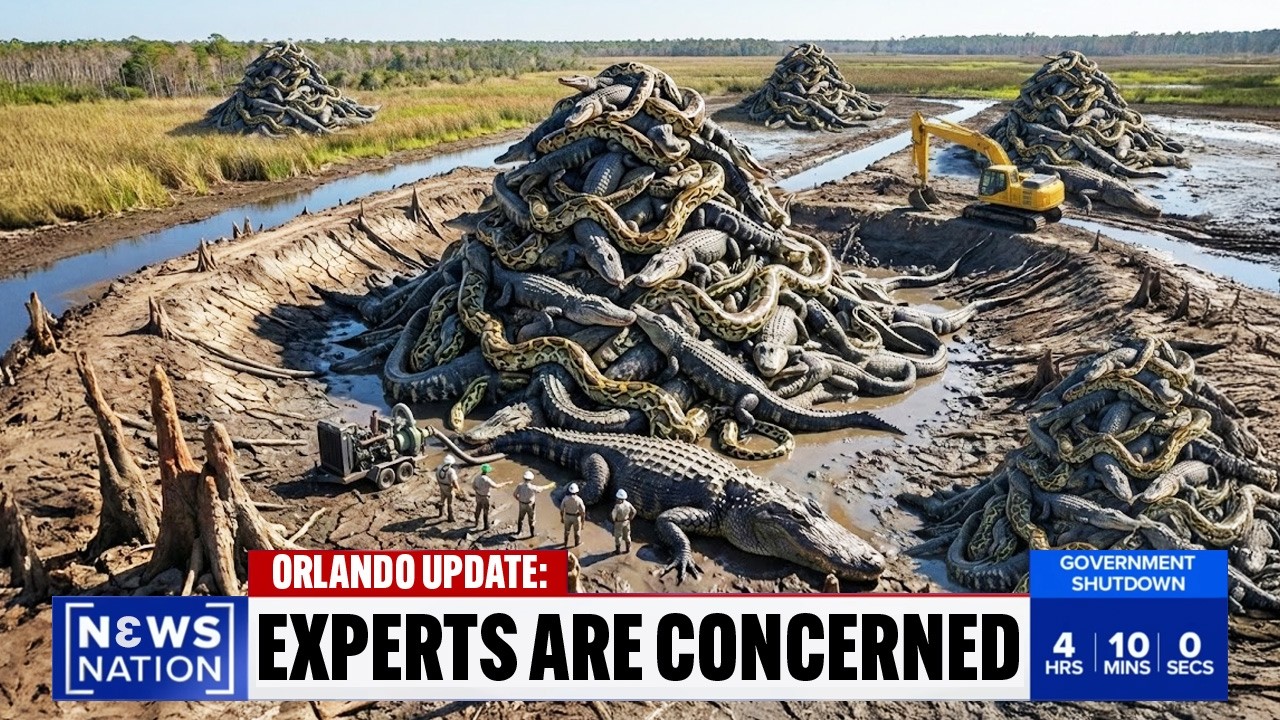
The more serious damage was taking place below the surface. The catfish have been digging extensive tunnel systems through the banks and shorelines. These tunnels undermine the root systems of native vegetation and compromise the structural integrity of the wetlands. Mitchell and her team documented dozens of tunnel entrances along the banks, some reaching several meters deep.
The team removed thousands of catfish during the operation, including fish weighing over 2.5 kilograms and juveniles indicating active breeding. They mapped the tunnel networks, which connected different sections of the wetland and allowed the fish to move without surfacing.
On the third day, a team working in deeper parts of the marsh found tunnels that did not match the catfish burrows. The openings were larger and showed different patterns. The tracks leading from them suggested the presence of Burmese pythons.
Burmese pythons have been present in the Everglades for roughly 30 years. The population began after Hurricane Andrew destroyed a breeding facility in 1992, and additional snakes were later released by pet owners. The snakes have adapted to Florida conditions, including cooler winter periods, and have significantly reduced populations of small mammals in some areas.
Dr. Robert Chen of the United States Geological Survey arrived on the fourth day. His team found dozens of pythons concealed in the muddy tunnels of the drained area. Some of the snakes exceeded 4.5 meters in length. Others were juveniles, indicating active reproduction. In one tunnel system they found a female guarding a clutch of eggs. Chen’s team captured 40 snakes in one week, which they described as a record for the area.
The find changed the understanding of how pythons use the landscape. Rather than moving through the Everglades as transient hunters, the snakes had apparently established permanent underground shelters. They were nesting in the banks and raising young in conditions that protected their eggs from heat, cold, and removal efforts.
The drawdown also created a condition that biologists call a predator pit. When water levels dropped across a large area, the remaining water became concentrated in a few deep spots. Fish that normally had thousands of hectares to move through were trapped in small pools. Predators moved toward these concentrated food sources.
Alligators gathered in the remaining pools in numbers that would not normally occur in one location. Territorial boundaries broke down as the animals were forced into close proximity. Wood storks, great egrets, and other birds arrived to feed on the trapped fish. Vultures gathered in nearby trees.
For the researchers, the conditions provided an opportunity to observe behaviors that normally remain hidden. They were able to count populations with greater accuracy than usual and document species interactions in real time. The observations confirmed that the balance between predators and prey in the Everglades has shifted significantly, with invasive species placing additional pressure on native populations.
The exposed sediment revealed another issue. Phosphorus, a nutrient that comes from fertilizer used on surrounding sugarcane plantations, has been accumulating in the wetland sediment for decades. The treatment areas are designed to absorb phosphorus from agricultural runoff before it reaches protected areas. Plants in the water treatment areas absorb the nutrient, and the system functions as long as water levels remain stable.
When the wetland is drained, the nutrient-rich mud is exposed to air. Organic material breaks down more quickly, and chemical reactions that were suppressed underwater accelerate. Phosphorus that took years to accumulate can be released in a matter of weeks.
When phosphorus levels rise, algae populations can increase rapidly. Algae blooms block sunlight from reaching underwater vegetation and consume dissolved oxygen. When oxygen levels drop, other aquatic life can suffocate. A similar event occurred in 2021 near Piney Point, when officials released contaminated water into Tampa Bay and a subsequent algae bloom lasted for months.
The researchers analyzing sediment from the drained treatment area found high phosphorus concentrations, the result of decades of agricultural runoff. The drainage had exposed the contaminated layers to air.
In the weeks following the removal of the fish, the wetland showed signs of natural recovery. Native plants began to emerge through the dried mud, coming from seed banks that had remained dormant underwater. Small organisms such as crayfish and shrimp, which form the base of the wetland food web, reappeared in numbers not seen in years.
A 2023 study found that controlled drainage in some treatment areas reduced invasive plant coverage by 40 percent. No replanting or herbicides were needed, only the space for the ecosystem to recover on its own.
The Everglades has faced pressures for over a century, including drainage, development, invasive species, agricultural runoff, and climate change. Restoration costs have been estimated at over 20 billion dollars. Python populations continue to expand into new territory, phosphorus continues to accumulate in sediment, and saltwater intrusion is pushing further into freshwater systems.
The drawdown provided researchers with new information about where catfish colonies are located, where pythons nest, and which sediment areas contain the highest contaminant levels. Biologists are currently mapping python burrows and recording GPS coordinates to guide removal teams when the water returns. They are also cataloging catfish colonies and testing soil samples for phosphorus and other contaminants.
The Everglades supply drinking water for approximately 8 million Florida residents. The wetland also protects coastal communities from storm surges, supports a tourism economy, and serves as a nursery for fisheries along the Gulf coast.
The research teams continue to work in the drained areas, documenting conditions and collecting data. Their work takes place in high heat, surrounded by mud and mosquitoes, with the risk of encountering alligators or hidden snakes on every step. It is a slow, unglamorous process, but the information being gathered is intended to guide management decisions in the years ahead.
Recommended Stories

Deep beneath the Pacific, a remotely operated vehicle descended past 38,000 feet into the Mariana Trench, where crushing pressure and total darkness should make survival impossible. The footage captured there revealed something unexpectedly alive, defying every scientific assumption about the limits of life.
The pressure at the bottom of the Mariana Trench reaches about 8 tons per square inch, and sunlight never arrives...
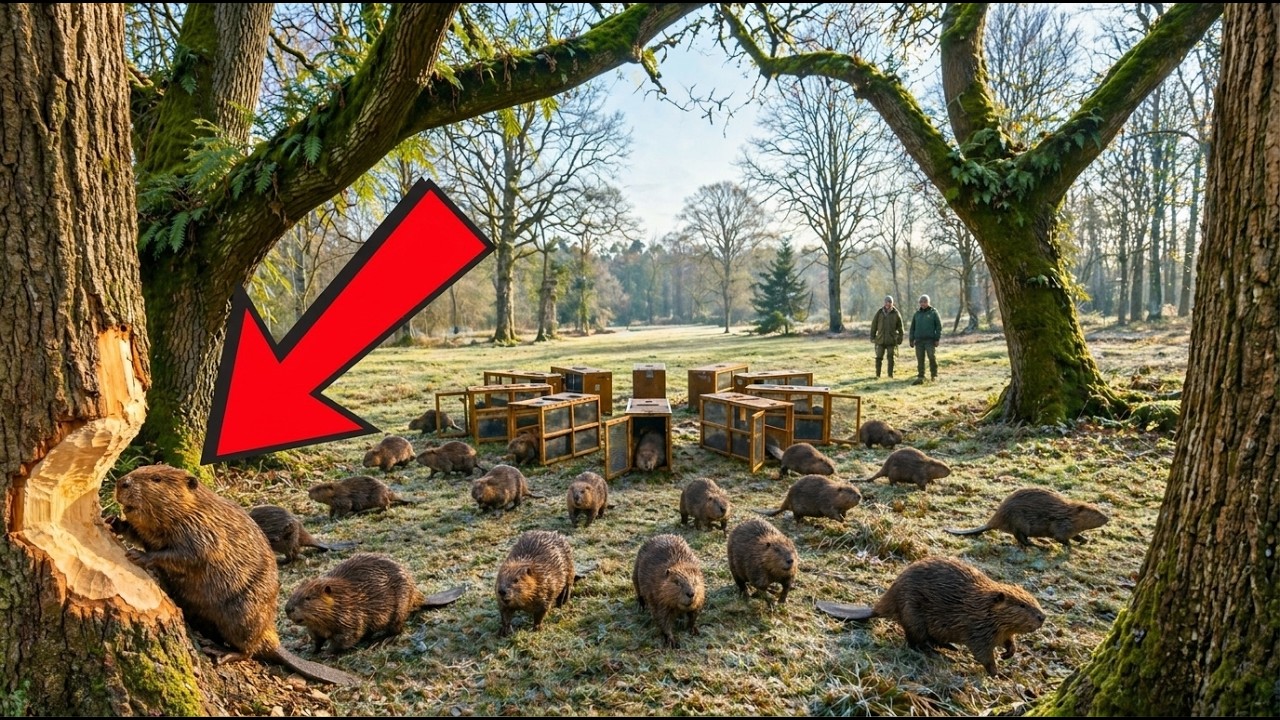
New York just dropped 34 beavers back into the Adirondacks, and what happened over 80 years has stunned researchers. The animals had been completely wiped out from the region by the 1800s, leaving waterways barren.
In 1671, a single Dutch shipping season brought 80,000 beaver pelts to European markets. By 1895, a New York State...

Something Bigger Than a Python Is Hunting in Florida — Cameras Captured It. Locals thought the massive tracks belonged to an oversized python, but a trail cam caught something far stranger lurking near the Everglades.
Researchers at the Conservancy of Southwest Florida found a dead Burmese python roughly 15 miles deep in the Everglades. They...