They released 11 beavers into a dead Scottish river, and what followed stunned scientists. The waterway had run dry, its wildlife gone, the land scarred by erosion.
In May 2009, a rewilding trial began in Scotland with the release of eleven Eurasian beavers into Knapdale Forest in Argyll. It was the first licensed mammal reintroduction in British history. The animals, captured in Norway and quarantined for several months, were released into freshwater lochs over two days. The species had not lived in Scotland for over 400 years.
The project followed more than a decade of planning. A feasibility study was submitted in 1995, but a license was not issued until 2008 after an initial application was rejected in 2005. Objections from landowners and heritage bodies led to strict conditions, including buffer zones around monuments, ecological monitoring, and a five-year scientific review.

Once released, the beavers quickly began building dams and lodges. Their activity transformed the local waterways. Dr. Emma Thompson, a hydrologist from the University of Exeter, led a team that tracked more than 1,000 storm events over a decade. Their data showed that dense networks of beaver dams reduced peak flood flows by an average of 60 percent during severe winter storms. In the Knapdale tributaries, flood peaks were delayed by two and a half to three hours after beaver colonization. The findings were validated with less than eight percent error between predictions and field measurements.
The presence of beavers also supported biodiversity. Water vole populations, measured through trapping grids, increased fourfold within a decade. Amphibians gained new breeding pools, and otters returned to hunt in the slower waters behind dams. Invertebrate richness in beaver-influenced streams rose by nearly 80 percent. Water quality improved as well, with downstream turbidity falling by 15 percent and nitrate and phosphate concentrations dropping by 12 percent and 8 percent respectively.
The beavers’ impact also created challenges. On salmon streams in Argyll and Tayside, dams occasionally blocked fish migration. Fisheries managers responded with a method called dam notching, cutting a narrow gap of about 30 centimeters wide through problem dams. Trials on the River Isla showed that 94 percent of tagged salmon smolts passed through notched dams. The average cost of each intervention was about 1,180 pounds.
While the Knapdale trial was controlled, a separate population of Bavarian beavers had established itself in the Tay catchment, originating from escapes or unlicensed releases in the early 2000s. By 2024, NatureScot estimated the national population at over 2,000 beavers, with more than 150 family groups in the Tay basin alone. Projections suggested the population could exceed 10,000 by the end of the decade if trends continued.
As numbers grew, management evolved. Lethal removals fell from 87 licensed actions in 2021 to 23 in the most recent year. Relocation became more common, with 79 beavers trapped and rehomed in new catchments in 2023, reducing local incidents by two-thirds. Genetic diversity was also addressed. The original Norwegian founders carried low diversity, so conservation geneticists introduced Bavarian-origin beavers in 2018 and 2024, nearly quadrupling genetic diversity within the population.
A national beaver strategy for 2022 to 2045 outlines a long-term approach to coexistence, including proactive monitoring and adaptive management. The story of Scotland’s beaver reintroduction is now less about survival or control and more about learning to share a landscape with a species that reshapes river systems through its own engineering.
Recommended Stories

Something is hunting America’s feral hogs—and the culprit isn’t a predator anyone predicted. Across multiple states, wild pig populations, notorious for wrecking crops and ecosystems, have started vanishing from areas where they once thrived.
Researchers in Texas have documented a notable decline in feral hog populations in parts of the Hill Country, and the...
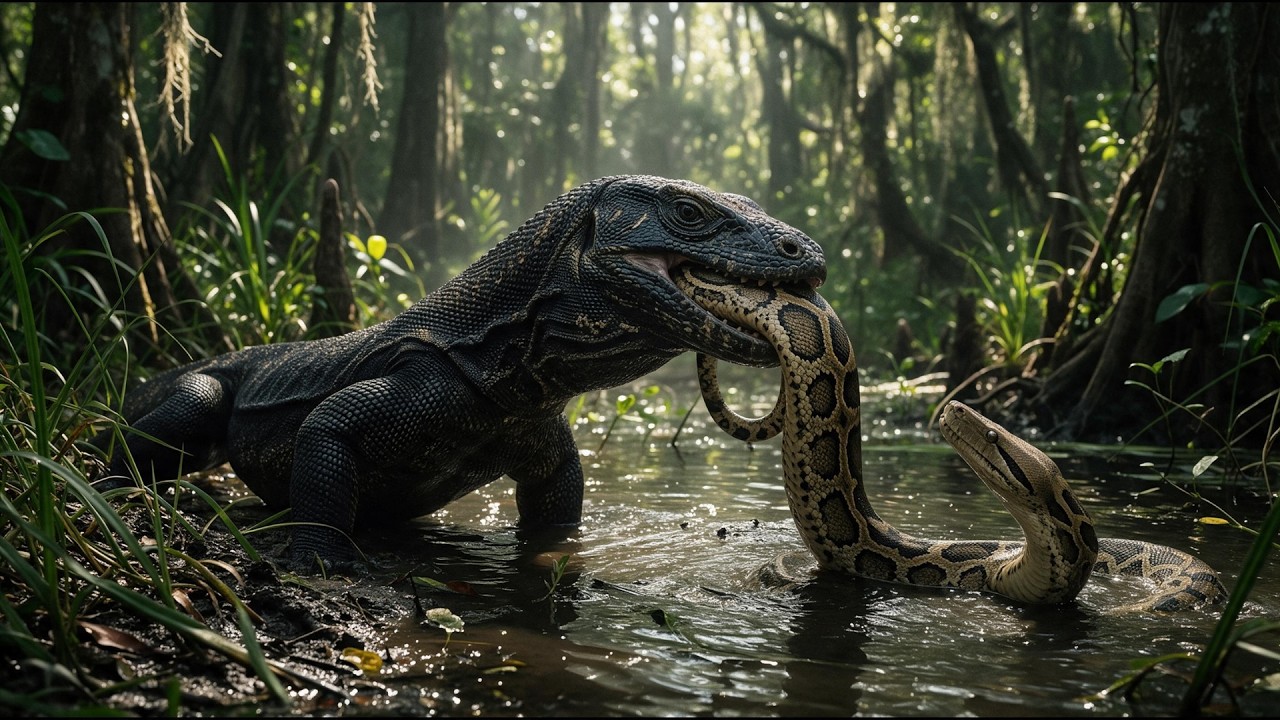
Scientists finally identified Florida’s newest apex predator, and it’s swallowing invasive pythons whole. For years, researchers watched Burmese pythons devastate native wildlife, but now another creature is fighting back in an unexpected twist.
In 2018, scientists working in South Florida’s swamps confirmed the presence of a native predator that had begun preying on...
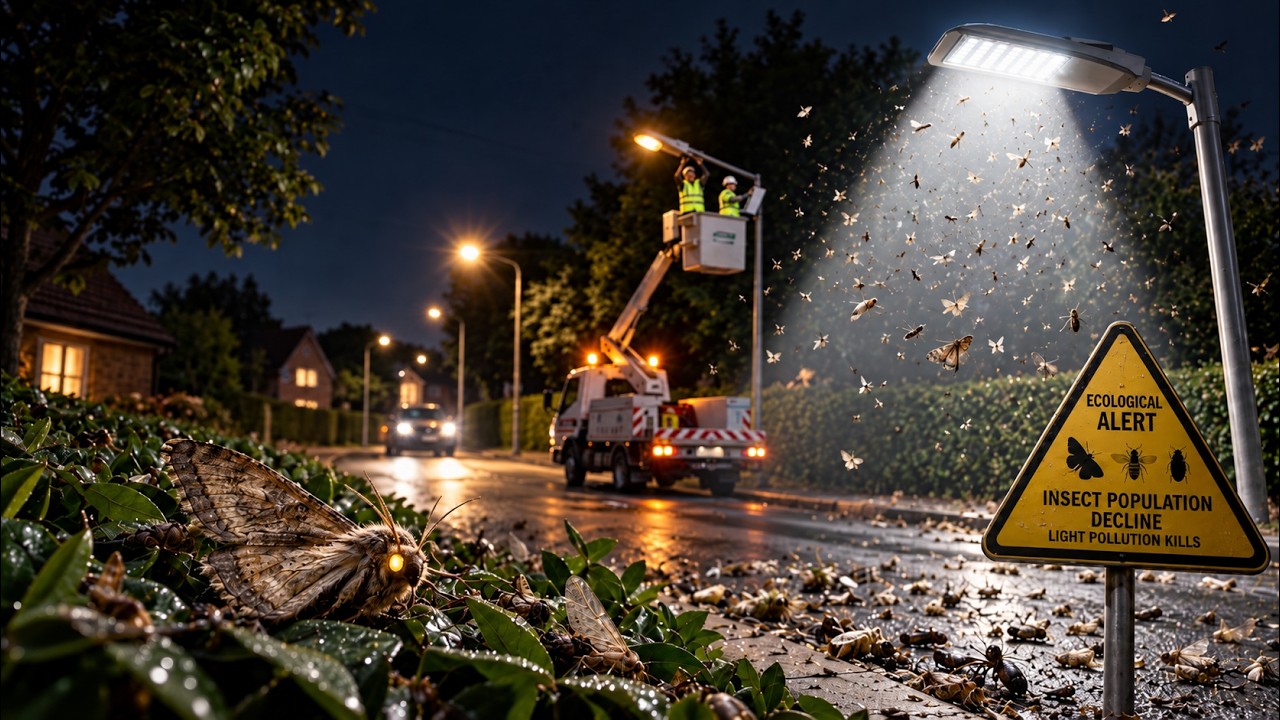
New LED street lights are silently slashing insect populations by nearly half, and the culprit is right above our heads. These modern fixtures emit specific wavelengths that disrupt nocturnal bugs’ navigation and breeding.
Across Britain and much of the world, cities have been replacing their old orange street lights with bright white LED...