Alberta’s wilderness hides animals so lethal that even lifelong locals refuse to step into the woods. Conservation officers have documented encounters where a single moose, territorial and massive, charged a family without warning, forcing them to abandon their hike in seconds.
Alberta is home to a range of wildlife, some of which residents and visitors routinely encounter in the province’s parks, river valleys, and backcountry. While the landscape is often described as picturesque, a number of the animals living there are capable of causing serious injury. The following list reviews some of the province’s notable wildlife, based on the actual risk they present rather than their appearance.
The prairie rattlesnake is the only venomous snake in Alberta, found in the dry south, including the badlands around Drumheller and Dinosaur Provincial Park. The snake is an ambush hunter that typically stays near warm rocks and usually provides a warning rattle before striking. Bites are rare, and no human fatalities have been recorded in the province, according to federal status reports. However, a bite can cause tissue damage, and medical help may be far from the remote coulees where the snake lives.
The western black widow spider also lives in southern Alberta, often in woodpiles, outbuildings, or under rocks. The spider is shy and generally avoids contact with people. Its venom is a neurotoxin, and a bite can lead to cramping, sweating, and muscle pain. The spider is most often encountered when people reach into spaces without looking first.
Coyotes have adapted well to urban areas, including the river valleys and green spaces of Calgary and Edmonton. They have learned to navigate garbage schedules and may prey on small pets left outside. While coyotes on the prairie tend to keep their distance, those living near cities can become bolder. Their ability to hunt small animals in suburban settings is a routine concern for pet owners.
Bull elk are common in Banff, Jasper, Waterton, and Kananaskis, where they often stand near roads and appear calm. Parks Canada advises staying at least 30 meters away from them in all seasons. During the fall rut, bulls may charge people who get too close to their group, and in the spring, cows defending calves can be aggressive. Their willingness to let people approach is a notable factor in reported incidents.
Wolverines live in the high mountain and boreal forest regions of Alberta, though they are rarely seen. They are part of the weasel family and are known for their strength relative to their size, with the ability to drive larger animals off carcasses. Direct encounters with people are uncommon, and wolverines pose little threat to humans. They are more notable for existing in remote areas than for any danger they present.
Cougars are effective hunters in the foothills and mountains, and they are rarely seen by people. They use cover to observe trails and move without being noticed. Attacks on humans are rare, but the fact that cougars can be present in the same areas where people hike and jog without being detected is a point of concern for wildlife officials.
Gray wolves inhabit the boreal forest and foothills. Attacks on humans are extremely rare. The wolf’s impact is more psychological, as the sound of a pack howling can unsettle people in a way that is difficult to rationalize. Wolves hunt in coordinated groups and are aware of their surroundings long before humans are aware of them.
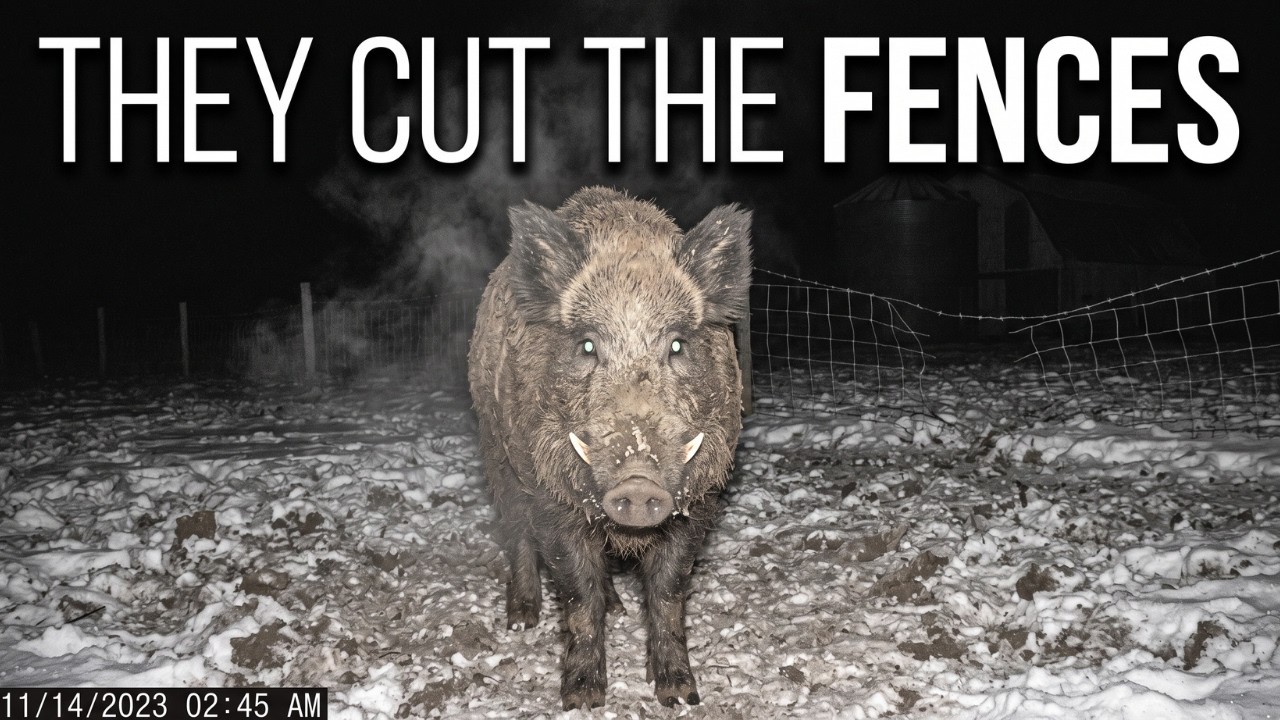
Wild pigs are an invasive species in Alberta. In the 1980s and 1990s, farmers were encouraged to raise European wild boar, but when the market collapsed, some animals were released. Their descendants have since spread across the prairies. Researchers describe them as highly adaptable and difficult to eliminate. They are nocturnal, can travel long distances, and reproduce quickly. Wild pigs can damage crops and carry disease, and hunting them improperly can scatter populations and make the problem worse. Alberta runs a coordinated eradication program that includes trapping, surveillance, and thermal drone technology.
Moose are found across Alberta, often in ditches, along trails, or on roadways. They are large animals that can stand taller than a person and weigh several times as much. Most of the year, moose avoid people, but during the fall rut or when a cow is with a calf, they can become aggressive. A charging moose uses its front hooves and is difficult to outrun. Vehicle collisions with moose are also a serious concern due to their size and the height of their bodies.
Bison are protected at Elk Island National Park and Wood Buffalo National Park. Parks Canada has issued warnings that bison, despite their calm appearance, are dangerous and unpredictable and may charge without warning. In Yellowstone National Park, bison have injured more visitors than any other animal. They can accelerate quickly from a standing position, and people who approach for photos are the most likely to be hurt.
The grizzly bear is a threatened species in Alberta, with an estimated population of roughly 856 to 973 bears, according to a 2021 provincial census. Grizzlies are found in the mountains, foothills, and western boreal forest. They are not common, but they are capable of standing their ground when surprised, a behavior that evolved when they lived on open prairie with nowhere to hide. In late summer, they enter hyperphagia, feeding for most of the day to prepare for winter, which can make them more focused on food and more likely to react defensively if startled. Even with precautions such as bear spray and making noise, encounters can still occur.
For many residents, caution around wildlife is not based on fear but on familiarity with the land. Understanding where certain animals are likely to be and how they behave is a practical part of moving through the province’s outdoor spaces.
Recommended Stories
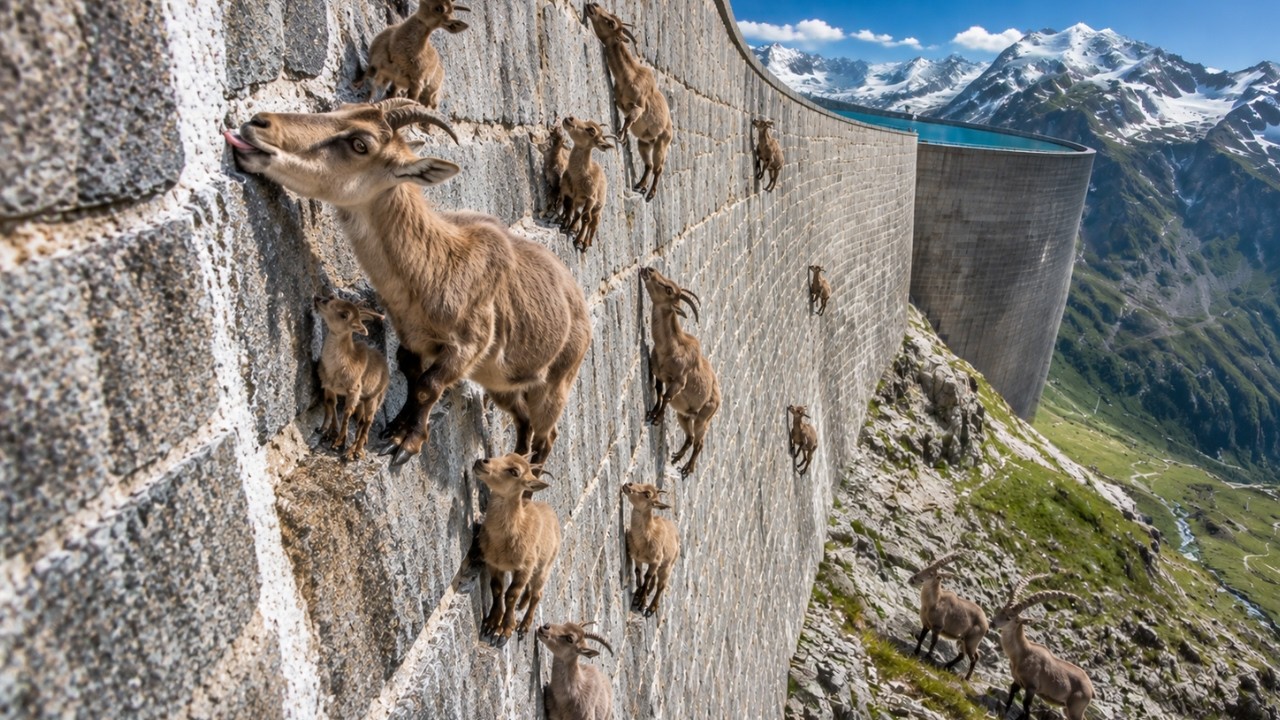
A 50-metre dam wall in Italy has become an unlikely climbing spot for a herd of goats—and the reason behind the ascent is stranger than the feat itself. Locals watched in disbelief as the animals scaled the sheer concrete structure with alarming ease, drawn upward by something far more unusual than thirst or curiosity.
There is a concrete wall in the Italian Alps that is frequently visited by an unlikely climber. The dam, known...
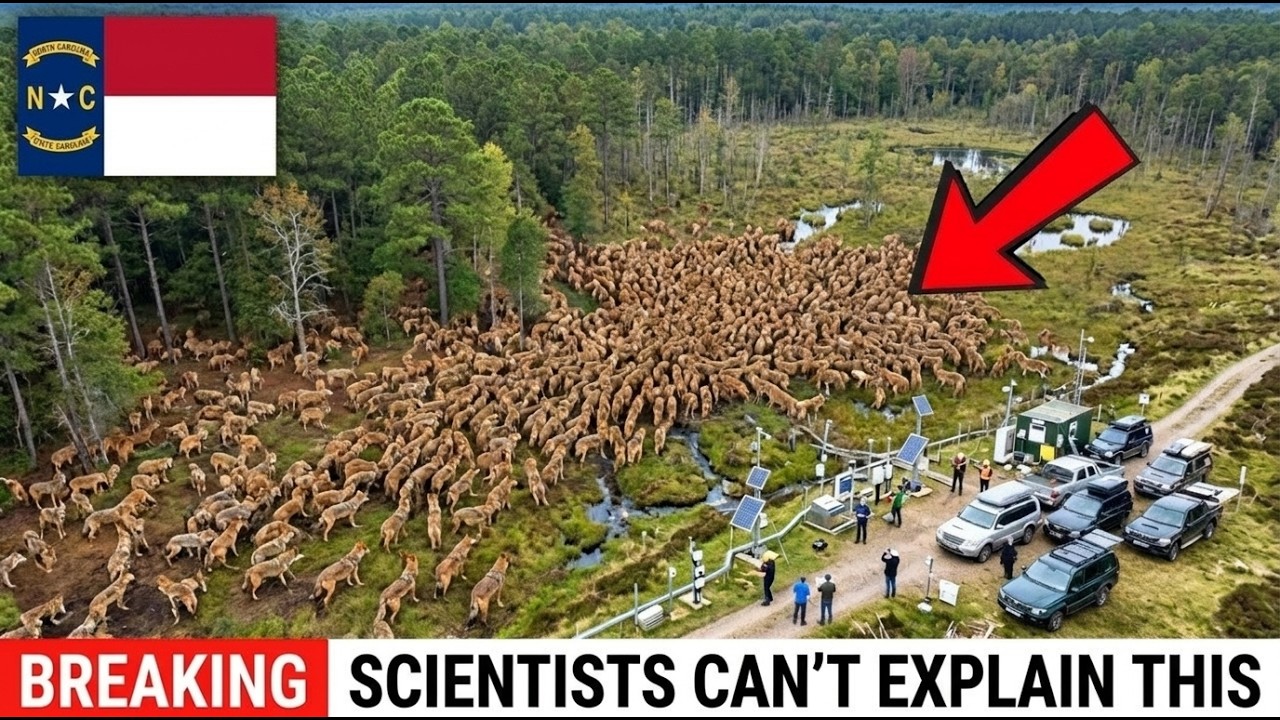
Four red wolves were released into a vast North Carolina forest, empty of their kind for decades, and what happened over the next thirty years stunned conservationists. Wildlife officials had hoped the pack would simply survive, restoring a top predator missing from the region’s ecosystem.
In 1980, the U.S. government declared the red wolf extinct in the wild. The only remaining individuals, 14 animals, were...
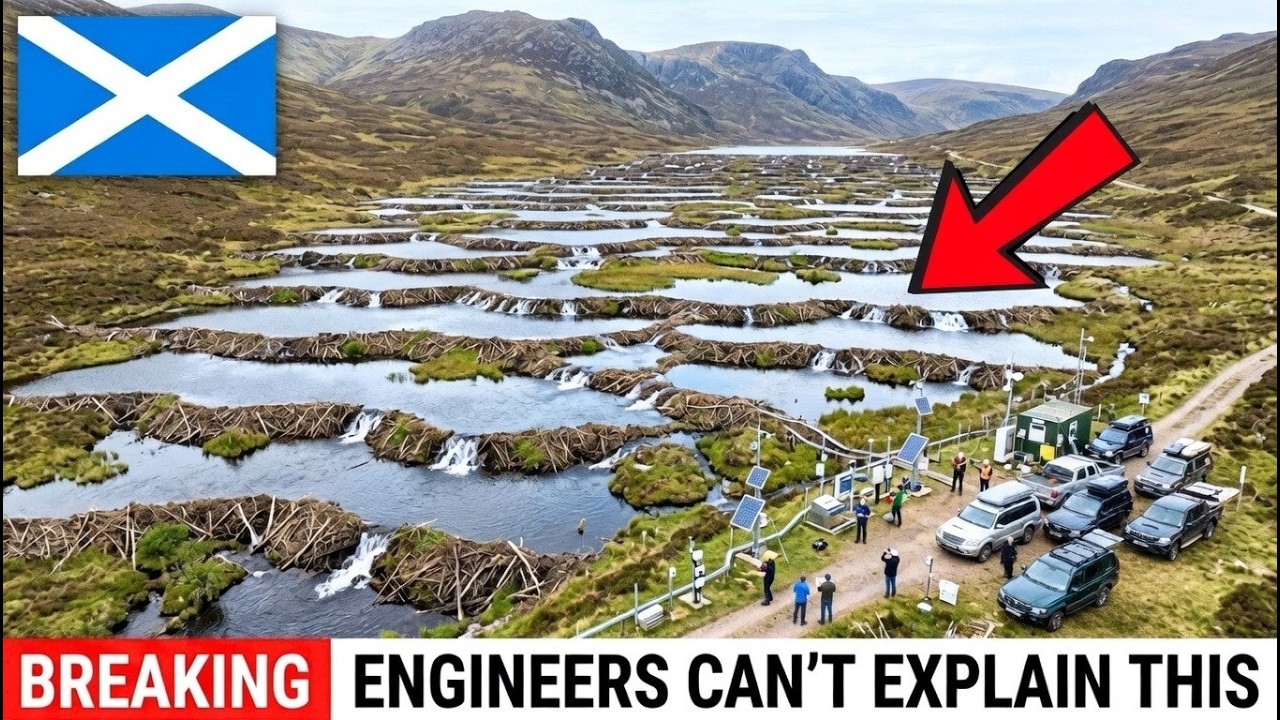
They released 11 beavers into a dead Scottish river, and what followed stunned scientists. The waterway had run dry, its wildlife gone, the land scarred by erosion.
In May 2009, a rewilding trial began in Scotland with the release of eleven Eurasian beavers into Knapdale Forest in...