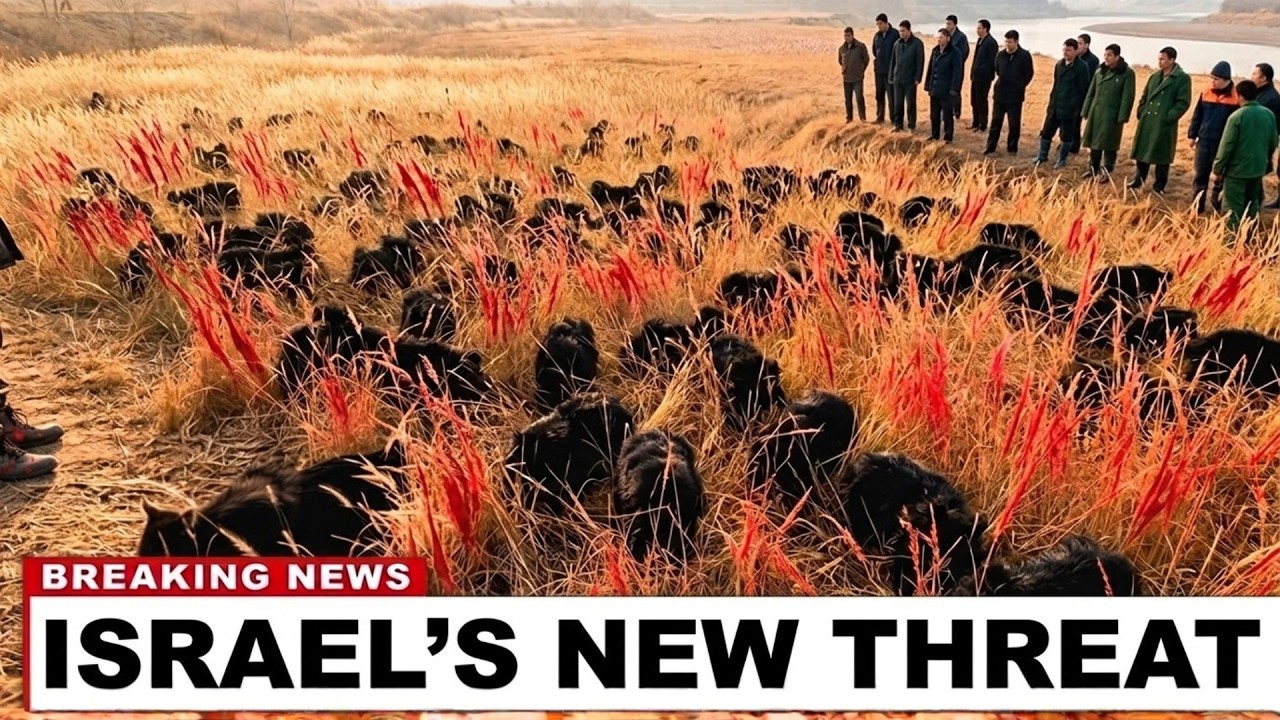
Israel is bracing for an invasion of hungry new predators, and wildlife officials admit no one saw this coming. For years, shrinking habitats have pushed a surprising animal population steadily toward urban edges, but now the situation has escalated beyond simple sightings.
Israel developed an extensive agricultural system in one of the driest regions on Earth, transforming desert valleys into productive farmland through drip irrigation and water transport from northern lakes. The year-round growing conditions created an unintended consequence: a small burrowing rodent known as the vole experienced a population explosion. In natural conditions, seasonal heat and drought kept vole numbers in check, but the new farmland provided continuous food, water, and shelter, allowing the rodents to breed year-round. Within a few years, vole populations grew so large that their tunnels connected fields across hundreds of thousands of acres, and their feeding destroyed root systems and irrigation lines, causing crop losses that threatened the country’s food supply.
Farmers initially responded with large-scale chemical spraying. Aircraft distributed poison across the fields, and the immediate results appeared successful, with millions of rodents killed. However, the poison spread through the food chain as scavengers and predators consumed contaminated prey. Foxes, jackals, owls, and snakes that had previously helped control rodent populations died from the accumulated toxins. The surviving voles faced fewer natural predators and rebounded quickly, while repeated chemical exposure led to growing resistance among the rodents. Additionally, the chemicals seeped toward underground water reservoirs, raising concerns about drinking water contamination.
At this point, researchers proposed an alternative approach: instead of developing stronger poisons, they would restore natural predators to the farmland. The barn owl, which hunts primarily by sound and can locate rodents in darkness, became the focus of the program. However, modern farming had removed most of the natural nesting sites that barn owls depend on. Researchers built wooden nest boxes and mounted them on poles throughout the farmland. Wild barn owls quickly took to the boxes, and their numbers increased significantly. A single owl family could remove thousands of rodents from the fields during a breeding season.
The voles adapted to the nighttime hunting pressure by shifting their activity to daylight hours, when owls were resting. To address this, researchers introduced common kestrels, small falcons that hunt by sight. Kestrels can see ultraviolet light, which makes the urine trails voles leave along their routes visible from above. The combination of owls hunting at night and kestrels hunting during the day created continuous pressure on the rodent population, and chemical use declined.
The program also required cooperation across the farming valley, which spanned territory shared by three different governing authorities. Farmers on all sides coordinated the placement of nest boxes and agreed to reduce chemical spraying, treating the entire region as a single ecosystem. One obstacle came from local folklore that associated owls with bad luck and death. Some farmers destroyed nest boxes or killed the birds. To address this, researchers brought owl pellets to local schools. When students and parents examined the contents, they found the skulls of crop-destroying rodents, which helped shift local attitudes. The owl gradually came to be seen as an ally rather than a threat.
The nest boxes themselves required multiple design revisions. Early versions overheated in summer and killed chicks, so builders added reflective white paint, double roofs, and better placement in shaded areas. The boxes also attracted an invasive bird species that competed with owls for nesting space. Researchers adjusted the entrance designs and added traps to reduce competition.
The program expanded to several thousand nest boxes across the country. In many farming areas, chemical rodent poison use dropped substantially, and farmers reported significant savings. The approach has since been adopted in other countries, including parts of Europe and North America.
The same principle of working with natural systems rather than against them was applied to other agricultural problems. A fruit fly that laid eggs inside growing fruit caused major losses to the citrus industry in the 1950s. Poison was ineffective because the pest fed inside the fruit, out of reach of surface treatments. Researchers developed a technique that involved raising large numbers of male flies, sterilizing them with a controlled dose of radiation, and releasing them over orchards. The sterile males competed with wild males for mates, producing eggs that did not hatch, which gradually reduced the fly population without the use of chemicals.
In greenhouses, farmers began using predatory mites to control pest mites and small parasitic wasps to control aphids. The wasps lay eggs inside live aphids, and the developing larvae consume the host before emerging. These methods have become commercial products, and predatory insects are now raised and shipped internationally.
The approach that emerged from these experiences was not based on outmuscling nature but on understanding and directing natural processes. Where chemical control created cycles of resistance and environmental damage, biological control using natural predators and reproductive disruption provided a more durable solution. The barn owl, once nearly eliminated from the farmland, now serves as the central example of this principle, quietly performing a role that no factory or chemical could match.
Recommended Stories
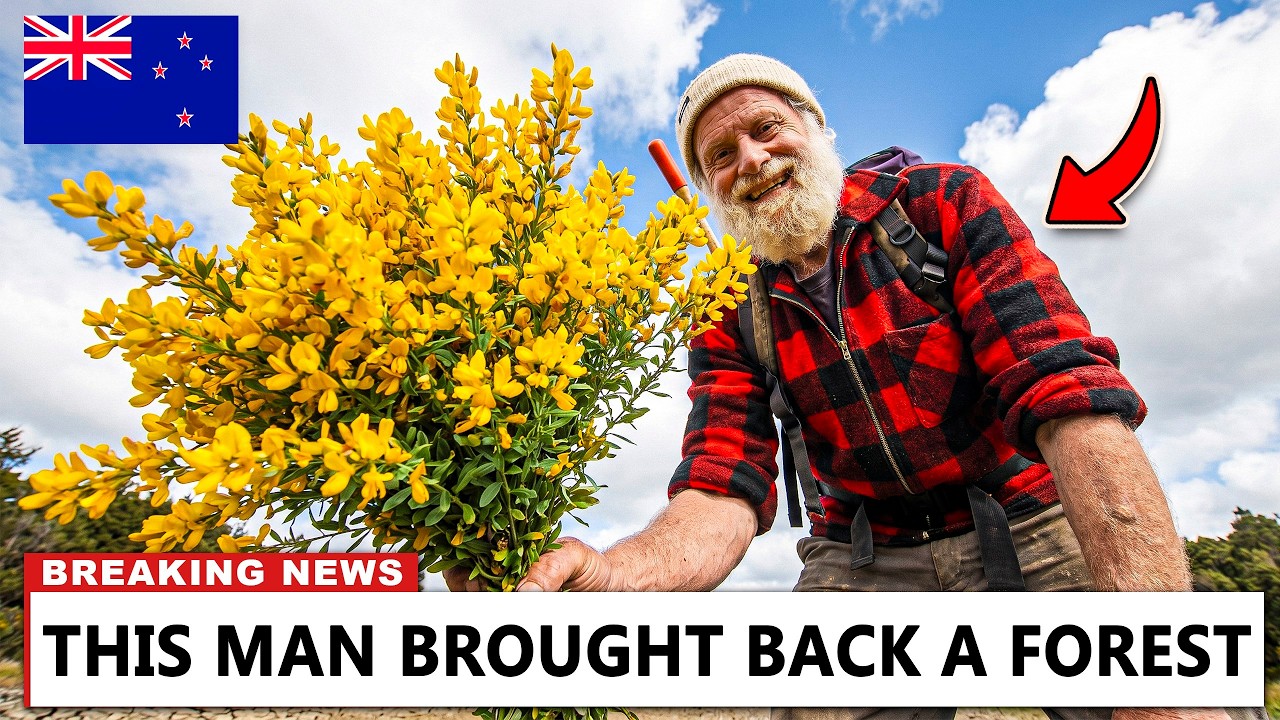
A New Zealand botanist famously refused to kill an invasive weed, choosing to plant it instead. For 39 years, he meticulously cultivated the offspring of a scraggly tree known as “theworld’s most hated plant.”
In September 1987, Hugh Wilson took over management of 109 hectares of former farmland on New Zealand's Banks Peninsula. The...
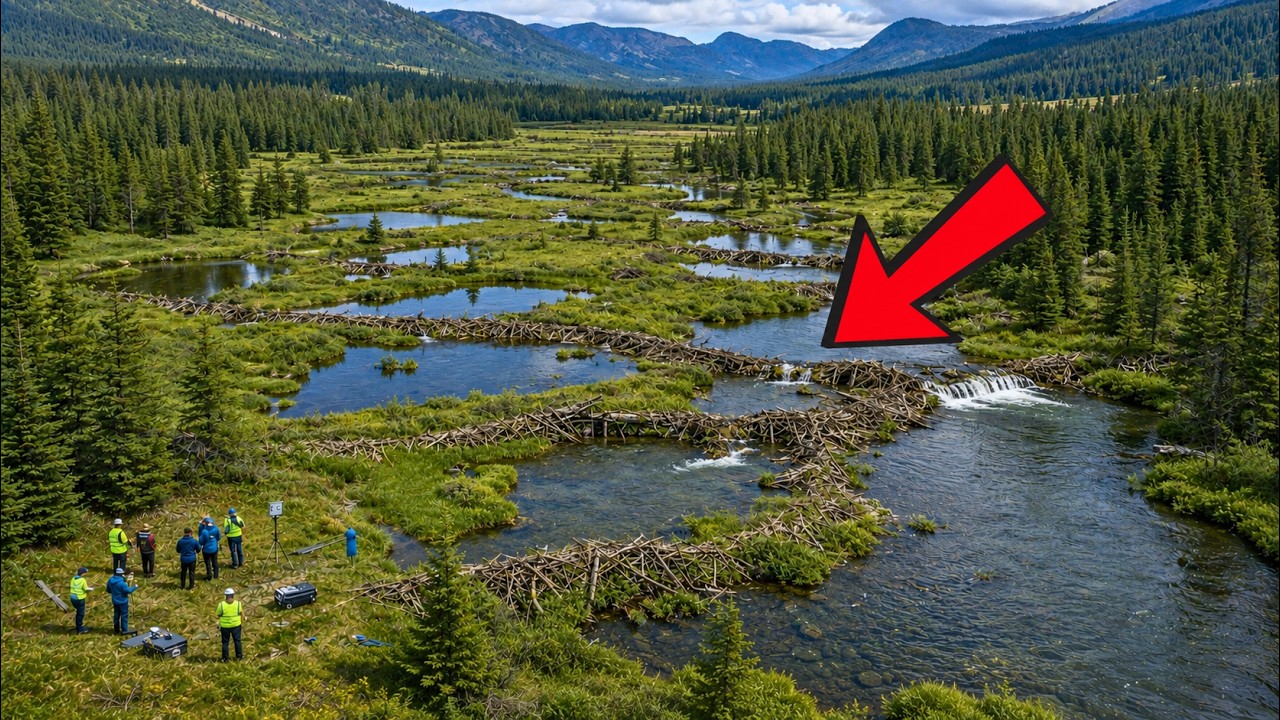
Oregon dropped five beavers into a dead, barren meadow, a last-ditch ecological experiment. Within weeks, the dry landscape began transforming as the animals started building with mud and willows.
In February 2025, five beavers were released into a headwater creek in southwest Oregon, part of a long-term restoration effort...
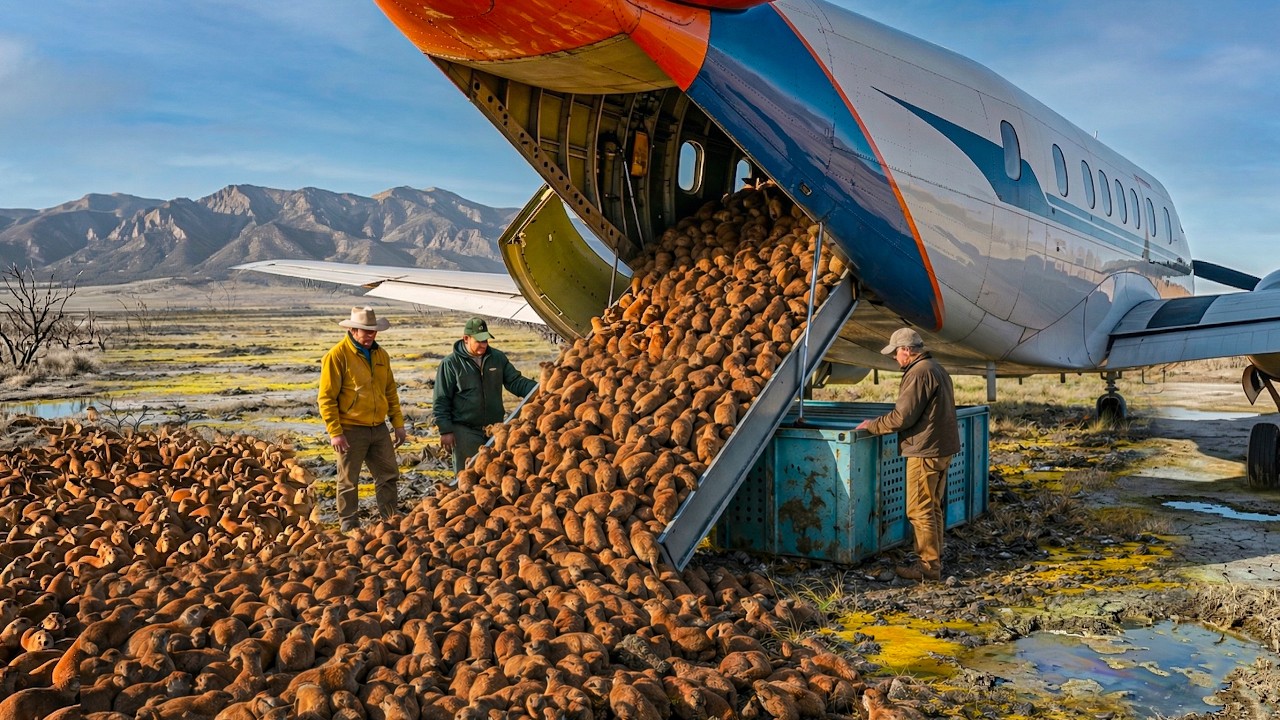
Colorado released thousands of prairie dogs into a chemical wasteland, and the mission took a wild turn. The relocation was meant to save the species from extinction, yet activists insisted the animals were being sent to a toxic site that could spell disaster.
In 1989, wildlife managers released 714 prairie dogs onto a former chemical weapons production site roughly 10 miles outside Denver....