Texas farmers were losing entire fields to rampaging wild boars. Thousands of the animals were tearing up crops and destroying livelihoods.
Wild hogs have become one of Texas’s most persistent agricultural problems, causing an estimated $118.8 million in damage each year across the state. Estimates place the feral hog population in Texas between 2 and 4 million, which is more animals than the population of Austin. The animals travel in groups known as sounders, and a single hog can destroy roughly six and a half feet of land per minute. A group can damage acres of crops and irrigation equipment overnight.
The problem traces back more than 400 years. In 1539, Spanish explorer Hernando de Soto brought domestic pigs to Florida as a mobile food source. Some escaped into the wild and adapted well, becoming the first feral hogs in North America. For centuries, their numbers remained relatively contained.

In the early 1900s, wealthy landowners and hunting clubs imported Eurasian wild boars from Europe and Asia to create exotic hunting experiences. These animals were larger, more aggressive, and more adaptable than domestic pigs. When they escaped or were deliberately released, they bred with the existing feral pig population. The result was a hybrid that was tougher and more adaptable than either parent species.
By 1982, an estimated 2.4 million feral hogs lived across 18 states. By 2016, the population had nearly tripled to about 7 million across 35 states. Texas became the center of the issue due to its mix of forests, brush, plains, and year-round water sources. Cattle tanks and crops like corn and peanuts provided reliable food and water. The state also lacked natural predators capable of controlling adult hogs.
Their reproduction rate is a major factor in their spread. A female hog can reach maturity at six months, produce two litters per year, and give birth to ten to twelve piglets per litter. Even if hunters remove a large number of hogs from an area, the remaining population can rebound within 18 months.
Most of the damage from wild hogs is not from eating crops. Around 95 percent comes from trampling, rooting, and destroying whatever is in their path. They break irrigation lines, flatten crops, tear up soil, and damage fences. Their rooting behavior also destroys native plants, causes erosion, and contaminates water sources. They raid ground-nesting bird nests and kill deer fawns hiding in tall grass.
Traditional control methods largely failed. Texas opened hunting year-round with almost no restrictions, allowing rifles, shotguns, bows, and even helicopters. But hunters often targeted large males with impressive tusks, which did little to slow population growth because females drive reproduction. Illegal translocation also made things worse. Hunters sometimes trapped and released hogs in new areas to create hunting opportunities closer to home, which created new breeding populations. Bounty programs backfired because some people bred hogs to collect payments or brought in animals from outside the bounty zone. Small box traps also stopped working once hogs learned to recognize human scent and avoid metal structures.
Farmers eventually shifted from a hunting mindset to a more coordinated strategy. One of the first changes was the use of large corral traps capable of capturing entire sounders at once, which prevented survivors from teaching other hogs to avoid the traps.
Cell phone trail cameras became widely used as well. These motion-activated cameras sent photos and videos directly to farmers’ phones, allowing them to track sounder sizes, feeding times, and movement patterns from a distance. Remote-triggered gates changed the process further. Instead of trapping one or two animals at a time, farmers could wait for the entire group to enter before closing the gate silently with a button press. This avoided the trap-shy behavior that plagued older methods.
In areas where traps were not effective, farmers used thermal imaging and night vision to hunt during the hogs’ most active hours. Suppressed firearms helped keep groups together without alarming them. Aerial gunning from helicopters worked on open ranch land, and trained dog teams tracked survivors in dense brush and swamps where other methods fell short.
The most effective approach combined these tools into a coordinated operation. Farmers first deployed cameras over one to two weeks to map pig activity, identify feeding times, and document trap-shy individuals. Corral traps were then positioned in high-probability areas based on that data, with pre-baiting over days or weeks. Once the entire sounder entered, the remote gate was triggered.
After that, coordinated elimination methods were applied across different terrain, followed by continuous monitoring. Cameras stayed active, and new arrivals triggered immediate responses. Neighboring landowners shared intelligence and coordinated regional efforts to prevent hogs from relocating to adjacent properties.
The approach produced noticeable results. Participating properties saw annual population reductions of 50 to 60 percent, and some reached near-complete elimination. Crop losses dropped, irrigation systems remained intact, and soil stability improved.
Several challenges remain. A full system of cameras, corral traps, remote triggers, and night vision equipment costs between $5,000 and $15,000, which is out of reach for many small farms. Reliable cell coverage is not available in many rural areas, limiting real-time monitoring. Coordination among neighboring landowners is essential since hogs cross property lines easily. And despite restrictions, some individuals still capture and relocate hogs for hunting purposes, which can undo months of work.
The shift toward smarter, coordinated management has made the problem more manageable. Feral hogs remain widespread in Texas, but the approach used by farmers has become a model for reducing their impact over time.
Recommended Stories

The $19 billion tree die-off devastated vast forests, prompting officials to release 24 giant tortoises into the decimated landscape as a desperate restoration experiment. Four years later, the ecosystem had transformed so dramatically that scientists couldn’t believe their own data.
In 2006, researchers released 24 African spurred tortoises into a fenced enclosure in northern Senegal's Ferlo region, an area of...
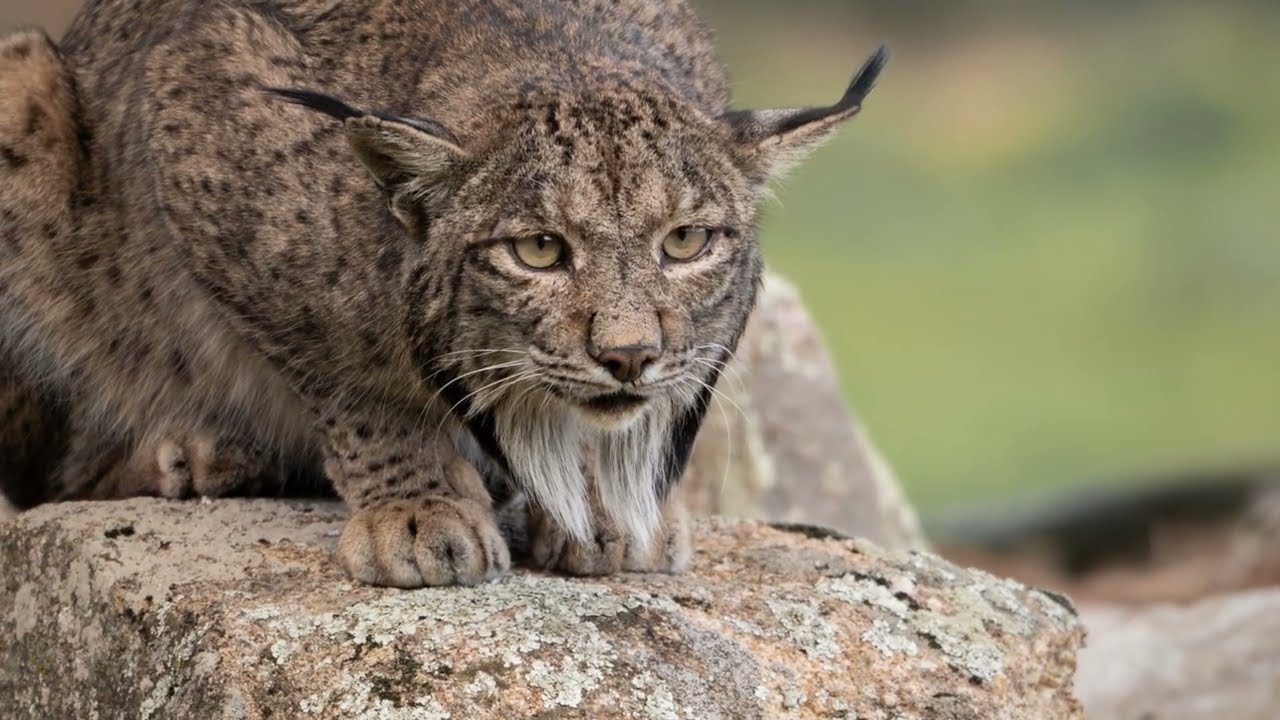
They gambled on Spain’s last 62 wild-born lynxes, releasing them into the unknown with the species teetering on the edge of extinction. Conservationists had spent years breeding these big cats in captivity, hoping instinct would survive the cages.
In 2001, the Iberian lynx population in southern Spain had fallen to 62 mature adults, including 25 breeding females, confined...
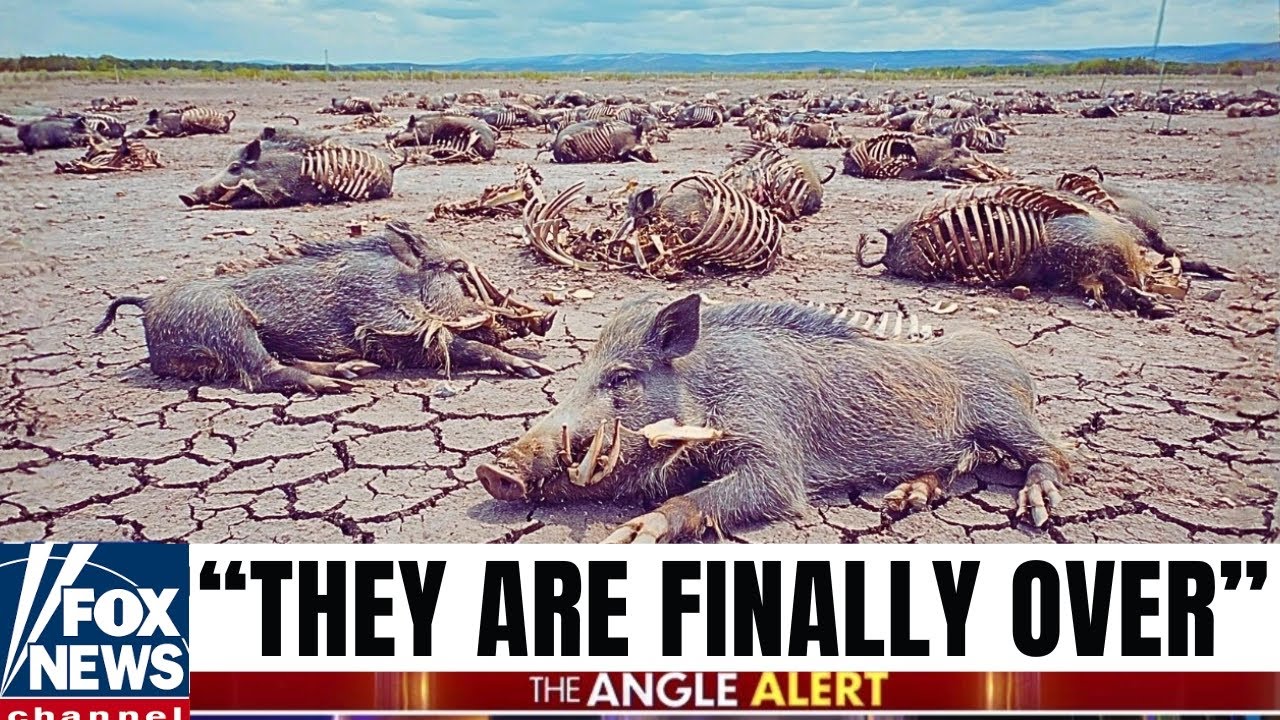
A helicopter pilot over Texas spots hundreds of wild hogs tearing through farmland, a swarm so destructive it seems unstoppable. Aerial eradication crews move in with precision, dropping from the sky to cull the massive population in one explosive operation.
The spread of feral hogs in Texas has grown from a localized nuisance into a statewide problem, prompting aggressive control...