A helicopter pilot over Texas spots hundreds of wild hogs tearing through farmland, a swarm so destructive it seems unstoppable. Aerial eradication crews move in with precision, dropping from the sky to cull the massive population in one explosive operation.
The spread of feral hogs in Texas has grown from a localized nuisance into a statewide problem, prompting aggressive control measures that have had mixed results. Estimates place the population between 2.6 and 3 million animals, with the state losing roughly $871 million annually to crop damage, broken fences, and equipment destruction. Nationwide, across affected states, the toll exceeds $1.6 billion per year.
The problem began quietly in the 1980s, when feral hogs occupied only a fraction of Texas counties. A sow can produce two litters a year, with 6 to 12 piglets each, allowing populations to expand rapidly across decades. Hogs are also quick learners. They avoid traps after a bad experience, change travel routes when pressured, and hide in terrain that is difficult for humans to reach.

The scale of the issue pushed state agencies to move beyond small traps and informal hunts. Aerial gunning became one of the more visible tactics, with crews using helicopters to target hogs in open fields. Depredation permits allowed these operations, and early flights removed significant numbers in specific areas. Reports from command centers cited single flights taking out roughly 31 percent of local populations in targeted zones.
Poisoning was also considered. Trials using warfarin-based baits and commercial products were reviewed, but the idea sparked opposition. Ranchers worried about accidental livestock poisoning, and wildlife advocates raised concerns about non-target species and secondary poisoning from scavengers consuming tainted carcasses. Large-scale poisoning was paused, though the debate around it reflected how difficult the situation had become.
Early results seemed promising. Larger corral traps captured entire groups, avoiding the earlier mistake of teaching surviving hogs to avoid human contact. In the short term, coordinated operations appeared to slow the spread in some counties.
Over time, however, field observations complicated the picture. Crews noticed behavioral changes in hog populations. Lookout animals would trigger groups to scatter into riverbeds or dense brush when helicopters approached. These adaptations meant that tactics successful in one area were less effective in others.
Rebound populations also appeared faster than models predicted. In some sites, numbers nearly rebuilt within months. Hogs crossed rivers previously considered natural barriers, and they turned up in terrain where aircraft could not track them. County-by-county results became uneven, with some areas showing real reductions and others barely changing.
The aftermath of mass removal also created environmental problems. Carcasses left in the open attracted scavengers, and decomposition fluids soaked into soil. Rooting and wallowing had loosened topsoil, sending sediment into creeks and streams. Environmental monitoring flagged rising sediment levels and bacterial readings in some waterways. Grass and young plants did not recover as expected, worsening erosion. Streams clouded, water quality dropped, and wildlife that depended on the land suffered as a result.
Disease risk added another layer of concern. Feral hogs can carry pathogens such as swine brucellosis and pseudorabies, and ranchers worried about carcasses decomposing near pastures and water sources. Whether or not those risks were fully realized, they changed how some landowners managed herds and water.
Public attention grew as hogs entered suburban areas, damaging lawns and crossing neighborhood streets. Farmers and ranchers who initially supported aggressive eradication watched fields they repaired get torn up again months later. Their frustration shifted toward the agencies that had promised a solution. Environmental groups criticized the continued use of some toxicants and warned about risks to pets and wildlife.
Data released by officials showed an uneven picture. Some counties reported genuine progress, while others showed stubborn regrowth. The mixed results led to a change in strategy. The state moved away from single-solution approaches toward integrated pest management, which combines coordinated trapping, ground hunting, strategic fencing, and targeted removal of whole groups.
A key lesson emerged: partial kills backfire. Removing only a portion of a sounder causes survivors to scatter and rebuild. Whole-sounder removal became the new objective. Another change involved cooperation. Landowners were encouraged to form networks, share traps, coordinate hunts, and pool movement data. In areas where these networks formed, hogs found fewer escape routes and faced pressure from multiple sides. Damage reports slowed in some pockets.
Even with better coordination, challenges remain. Hogs continued to push into suburbs where large-scale operations are impractical. Reports circulated about hybrids with domestic pigs, sometimes called super pigs, that could survive in colder climates further north. Whether or not these accounts were exaggerated, they added to concerns.
When officials reviewed years of data, the numbers were sobering. Models suggested that Texas would need to remove at least 70 percent of its feral hog population every year just to keep the population from rising. That figure helps explain why the state pursued helicopters and debated poisons, and why the problem feels persistent.
The Texas experience has become a case study for invasive species control elsewhere. Researchers and wildlife agencies in other states follow the results closely. The lessons include the need for adaptive tactics, coordination across property lines, and the recognition that one-off solutions tend to fail.
The conflict also carries broader implications. Invasive species do not respect property boundaries or respond to public relations campaigns. They respond to sustained pressure. And the effort to manage them can create secondary problems, including contamination risks, erosion, and political fallout from contested methods.
There are signs of progress where communities commit to long-term management. Integrated strategies and whole-sounder removal have reduced rebound problems. Cooperative landowner networks have closed escape routes. Data sharing has made operations more effective. These steps do not end the conflict, but they make it more manageable in areas where people remain engaged.
The broader lesson is that once an invasive species spreads beyond a certain point, control becomes significantly harder. Every tool carries costs and trade-offs. And the fight requires ongoing attention, because any pause allows the population to grow again. Whether Texas can achieve lasting control or must settle for continuous management remains an open question.
Recommended Stories
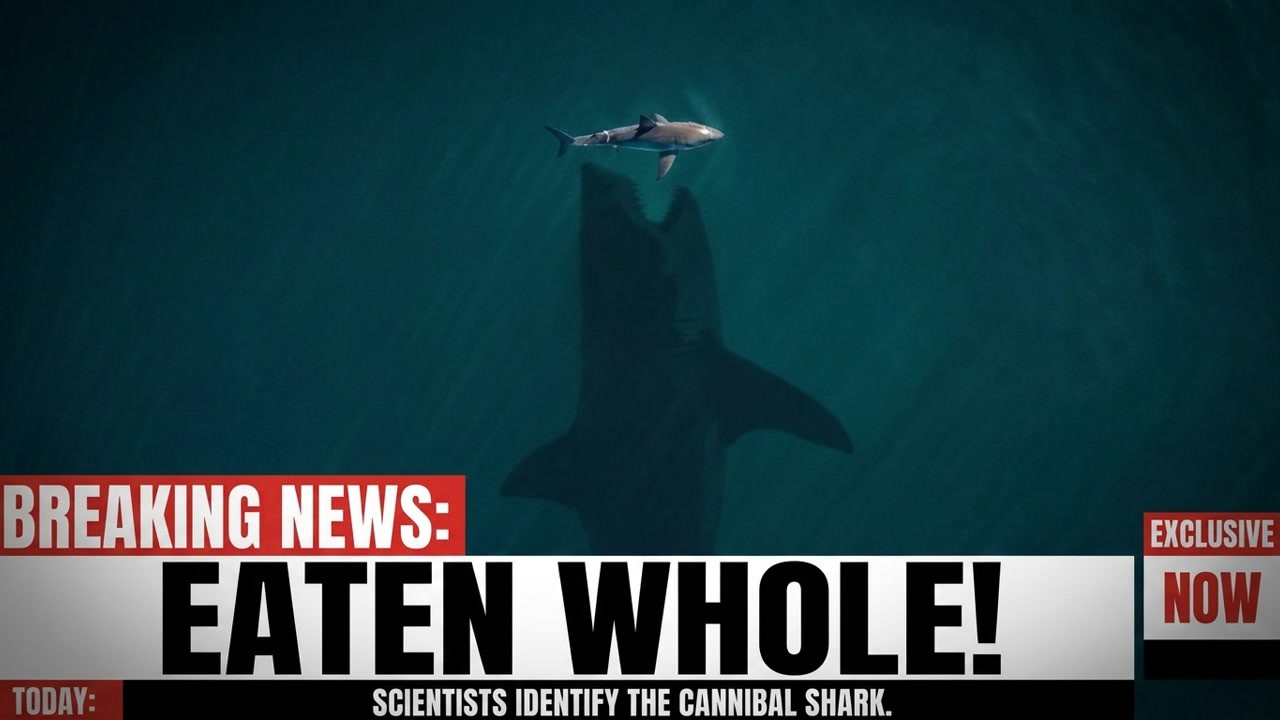
Scientists finally identified what swallowed a great white shark whole, and the discovery is disturbing. The predator vanished without a trace, its tracking tag abruptly going silent after years of consistent data.
In 2003, a research team off the southern coast of Australia attached an electronic tag to a female great white...

Something Bigger Than a Python Is Hunting in Florida — Cameras Captured It. Locals thought the massive tracks belonged to an oversized python, but a trail cam caught something far stranger lurking near the Everglades.
Researchers at the Conservancy of Southwest Florida found a dead Burmese python roughly 15 miles deep in the Everglades. They...
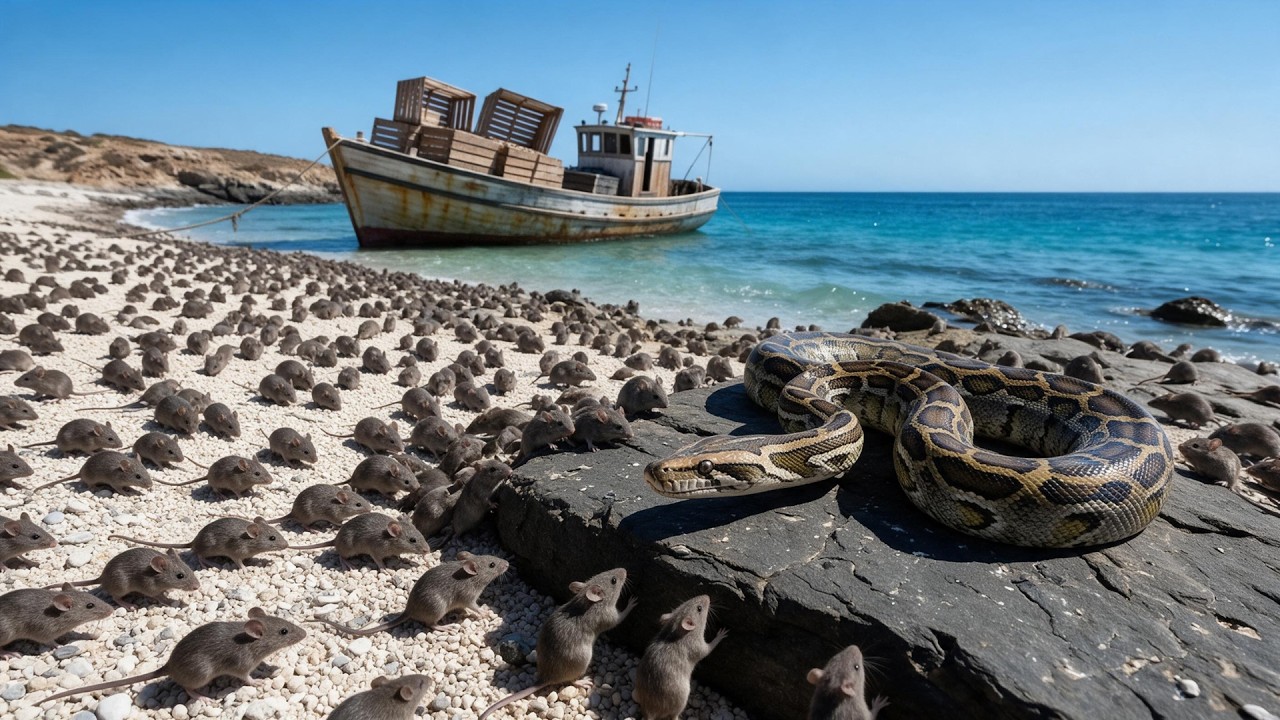
In 1949, the U.S. military air-dropped thousands of mice onto Guam, a move that shockingly backfired and nearly destroyed the island’s ecosystem.
The brown tree snake, an invasive species native to the southwestern Pacific, arrived on the island of Guam in the...