Montana’s grizzly population had plummeted to just 386 bears, a fragile remnant teetering on the edge of regional extinction. Wildlife managers faced a brutal choice: intervene aggressively or watch the species vanish from the lower 48 states.
In the early 1980s, a count of grizzly bears in the mountains of northwestern Montana found 386 animals left in the entire Northern Continental Divide, an area stretching from Glacier National Park south toward Helena and Missoula. A century earlier, the region had held thousands. Many researchers assumed they were witnessing the final decline of the species in the lower 48 states. By 2024, the population had surpassed one thousand, and the bears had begun expanding into territory they had not occupied in generations.
Before westward settlement, an estimated 50,000 grizzly bears ranged across the lower 48 states, from the Pacific coast to the Great Plains and south into Mexico. Hunting, trapping, and habitat loss reduced their range to about 2 percent of its original size by the 1930s. The remaining few hundred bears were confined to remote high country around Glacier and Yellowstone. In 1975, with fewer than 800 grizzlies left in the lower 48, the federal government listed the species as threatened under the Endangered Species Act.

The listing initiated a long, unglamorous recovery effort. In 1982, the National Grizzly Bear Recovery Plan divided the remaining bear populations into recovery ecosystems with specific targets. An interagency committee was formed in 1983 to coordinate efforts across state and federal lines. The work involved radio collars, road closures, and garbage management rather than dramatic interventions. One notable exception was in the Cabinet Mountains near the Idaho border, where biologists relocated four female grizzlies from British Columbia between 1990 and 1994 to introduce new genetic material to a population that had dwindled to a handful of animals.
The effort succeeded. The Northern Continental Divide population grew from 386 bears to more than one thousand, a verified count that represents one of the most complete large carnivore recoveries in American history. As the population filled its mountain refuges, young bears began moving outward. Occupied grizzly range in the Northern Continental Divide expanded by roughly 2,500 square miles in a period of about two years, and the ecosystem now contains more than 24,000 square miles of occupied range. Across all recovery zones in the lower 48, grizzlies now move through roughly 59,000 square miles.
Bears have appeared on the Rocky Mountain Front and beyond, following river drainages more than 60 miles onto the plains. A grizzly was confirmed near Big Sandy in north-central Montana, the farthest east the species had been documented in that region. Another was recorded on the upper Missouri River breaks, the first grizzly in that landscape in about 100 years. These dispersals followed the same river country the species inhabited during the era of Lewis and Clark.
The ecological effects of the recovery became visible in Yellowstone, where researchers studied interactions among grizzlies, wolves, and elk over several decades. With large predators largely absent for most of the 20th century, elk populations had grown dense and overgrazed stream banks and aspen stands. After wolves returned in the mid-1990s, and with grizzlies, black bears, cougars, and human hunters also preying on elk, the northern Yellowstone elk herd declined from nearly 20,000 animals to around 8,000. The share of elk calves killed by bears rose from about 23 percent in the late 1980s to as much as 60 percent two decades later. Willows, aspens, and berry-producing shrubs began to recover along stream banks, with the timing aligned with the return of a full predator community.
Grizzlies also influence the ecosystem through their foraging behavior. Their digging for roots, bulbs, and ground squirrels aerates soil and increases nitrogen availability in high-country environments. They consume large volumes of berries and disperse seeds across hundreds of square miles, effectively planting vegetation as they travel. In Yellowstone, a decline in native cutthroat trout shifted grizzlies toward hunting more elk calves in the spring, which in turn affected elk recruitment and vegetation recovery. The species functions as both predator and gardener, with effects that radiate through the larger ecosystem.
Some scientific debate continues about the mechanisms behind Yellowstone’s vegetation recovery. Some researchers argue that wolves alone reshaped the landscape by altering elk behavior, while others contend that the recovery resulted from a reduction in elk numbers caused by multiple predators, including human hunters. The dispute reflects the complexity of the system rather than its failure.
A separate debate concerns the bear’s legal status. Montana politicians, including the state’s senior senator, have argued that grizzly populations have met recovery targets and should be removed from the endangered species list and returned to state management. Conservation groups oppose delisting, noting that at least 72 grizzlies died in the greater Yellowstone region in 2025, tying the highest annual death toll on record. Recent mortality figures have run roughly 35 percent above the 10-year average of 54 deaths per year. Federal wildlife officials face a deadline of December 2026 to decide whether to keep, revise, or revoke the grizzly’s protected status.
On the Rocky Mountain Front, ranchers, conservation groups, and federal agencies have permanently protected more than 220,000 acres of wildlife habitat, supported by tens of millions of dollars in private conservation funding. Some ranching families who have worked the land for generations express acceptance of the bears’ presence as long as the animals remain unobtrusive.
The count of 386 in the early 1980s, once interpreted as a sign of imminent extinction, turned out to be a baseline. From that point, the population recovered to more than a thousand bears spread across 24,000 square miles of mountain and plain, where they continue to dig, forage, and move through an ecosystem that had been missing them for a century.
Recommended Stories
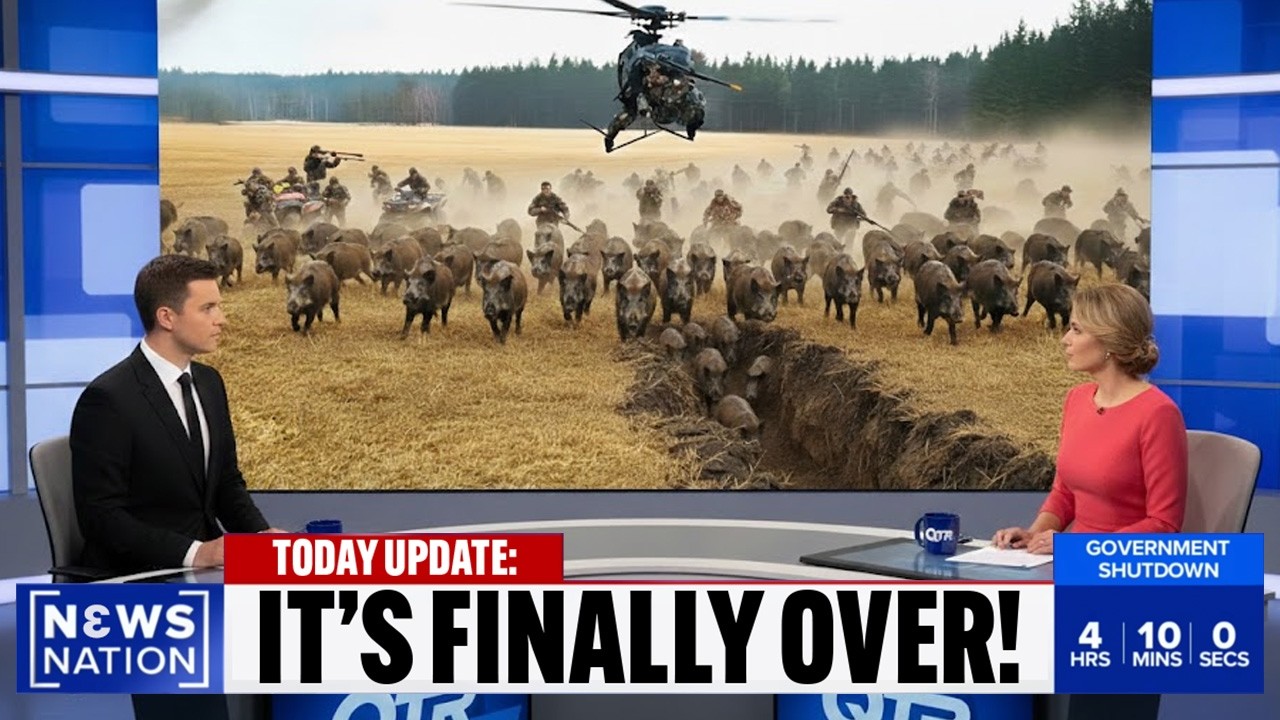
Texas farmers were losing entire fields to rampaging wild boars. Thousands of the animals were tearing up crops and destroying livelihoods.
Wild hogs have become one of Texas’s most persistent agricultural problems, causing an estimated $118.8 million in damage each year...
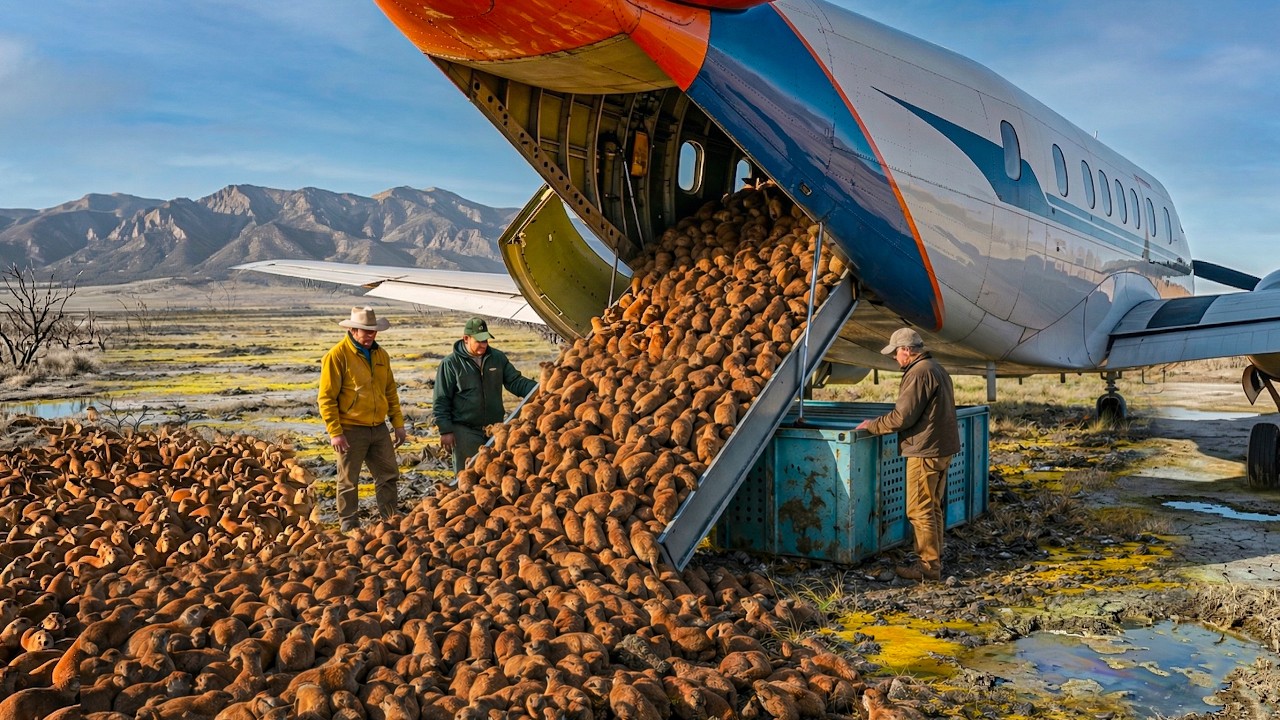
Colorado released thousands of prairie dogs into a chemical wasteland, and the mission took a wild turn. The relocation was meant to save the species from extinction, yet activists insisted the animals were being sent to a toxic site that could spell disaster.
In 1989, wildlife managers released 714 prairie dogs onto a former chemical weapons production site roughly 10 miles outside Denver....
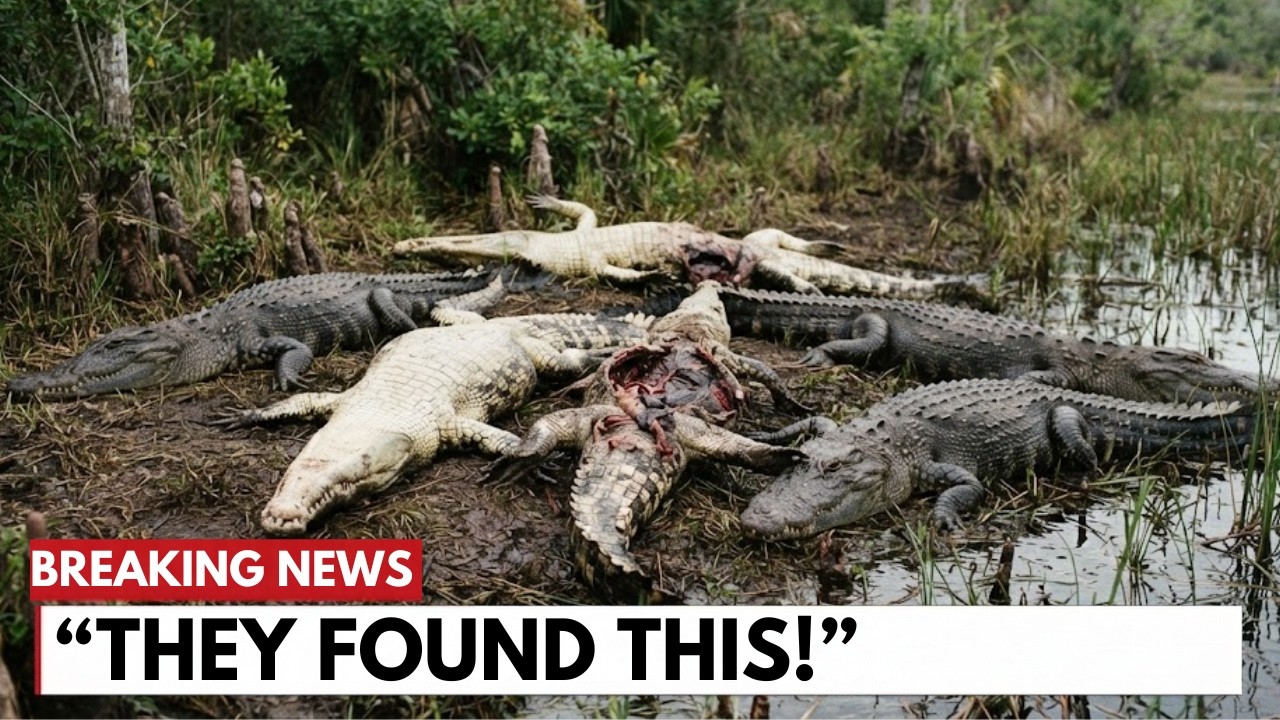
Florida’s biggest crocodiles began vanishing from canals they had ruled for decades—and the usual suspect was quickly ruled out. These were mature territory holders, not wanderers, so biologists first blamed pythons.
The disappearance of dominant adult crocodiles from the mangrove channels of southern Florida went unnoticed at first, and then became...