Seattle’s salmon kept dying after every rainstorm, and for years, no one could explain why. Scientists watched fish populations crash whenever stormwater washed into the creeks, but the cause stayed frustratingly out of reach.
In the late 1990s, volunteers monitoring restored salmon streams in Seattle began finding dead coho salmon after the first heavy rains of autumn. The fish had returned from the Pacific Ocean and entered the creeks where they were born, but many died within hours of the rain events, before they could spawn. In some creeks, up to 90% of the females died this way. Researchers spent more than two decades trying to identify the cause, and the answer eventually led them to a chemical that had been forming on roads worldwide for decades.
Coho salmon typically hatch in small streams, spend about a year there, and then travel to the Pacific Ocean for roughly 18 months. They return to the exact stream where they hatched, guided by an odor memory of the water. As they enter freshwater, their bodies change: they stop eating and devote their remaining energy to spawning. The death of salmon after spawning also plays an important ecological role, as their carcasses provide nutrients to the surrounding forest and support animals such as bears and eagles.

The deaths in Seattle’s urban creeks were unusual because the fish were healthy adults that died before spawning. Scientists named the pattern “urban runoff mortality syndrome.” Fish in the same creeks appeared fine on dry days, but after the first significant rains of the season, when water ran off streets into the streams, the fish began dying within hours.
Researchers from NOAA, Washington State University, and the University of Washington initially tested for common environmental causes: warm water, low oxygen, disease, pesticides, and heavy metals. None explained the deaths. They then collected water that had run off busy highways during storms and exposed healthy coho salmon to it. The fish died with the same symptoms seen in the creeks, which indicated that something on the road was responsible.
The researchers narrowed their focus to tire particles. Every time a vehicle drives, its tires wear down, leaving small particles of rubber on the road. When it rains, those particles wash into storm drains and eventually into creeks. The team soaked tire particles in water and tested the water on salmon; the fish died. The next task was identifying the specific chemical within the tires.
In December 2020, a team led by researchers at the University of Washington Tacoma identified the cause. The substance was 6PPD quinone, a chemical formed on the road. Tire manufacturers add a compound called 6PPD to rubber to protect it from ozone in the air. When 6PPD reacts with ozone, it transforms into 6PPD quinone. That chemical was not intentionally added to tires and had not previously been on any list of pollutants or regulations.
Further testing showed that 6PPD quinone is lethal to coho salmon at very low concentrations, measured at parts per trillion. Researchers suggested it damages the barrier between the fish’s brain and blood vessels, causing leakage. The fish experience disorientation and lose their balance.
Testing revealed that some other fish species, including rainbow trout, steelhead, and brook trout, are also sensitive to the chemical, while others, such as chum salmon, appear less affected. The chemical has since been detected in streams across the United States, Canada, Europe, and Asia, as well as in road dust, urban air, and soil near highways. Studies in China have detected it in human urine, though researchers have found no evidence so far that it causes the same harm in people, and its effects on humans remain under study.
The chemical also poses a public policy challenge. 6PPD is used in tires to prevent cracking and blowouts on highways, so removing it without a replacement could make tires less safe. The tire industry has begun researching alternatives, but no substitute is ready yet.
In the Pacific Northwest, some communities have turned to rain gardens and green stormwater infrastructure to reduce the problem. These systems use soil and vegetation to capture runoff from roads and allow it to soak into the ground instead of flowing directly into creeks. Testing has shown that filtering highway runoff through soil and compost can protect salmon from the chemical.
Regulatory efforts have also begun. California has listed tires containing 6PPD as a priority product, requiring manufacturers to study safer alternatives, and Washington state has taken similar steps. In 2023, several Pacific Northwest tribes and California tribes petitioned the U.S. Environmental Protection Agency to regulate 6PPD nationwide, and the agency agreed to begin that process.
The discovery has drawn attention to how little is known about the thousands of chemicals released into the environment each day. The substance that was killing salmon was not intentionally introduced into the environment by human design; it was created indirectly through the combination of an ordinary tire additive and the air itself. The chemical had been present on roads for decades without anyone knowing it existed.
Recommended Stories

Deep beneath the Pacific, a remotely operated vehicle captures footage that has scientists questioning everything they know about the ocean’s most mysterious frontier. The Mariana Trench was long considered a near-lifeless abyss, crushed by pressures that should make survival impossible.
Recent viral videos claim that new footage from the Mariana Trench shows a creature moving at depths where life should...
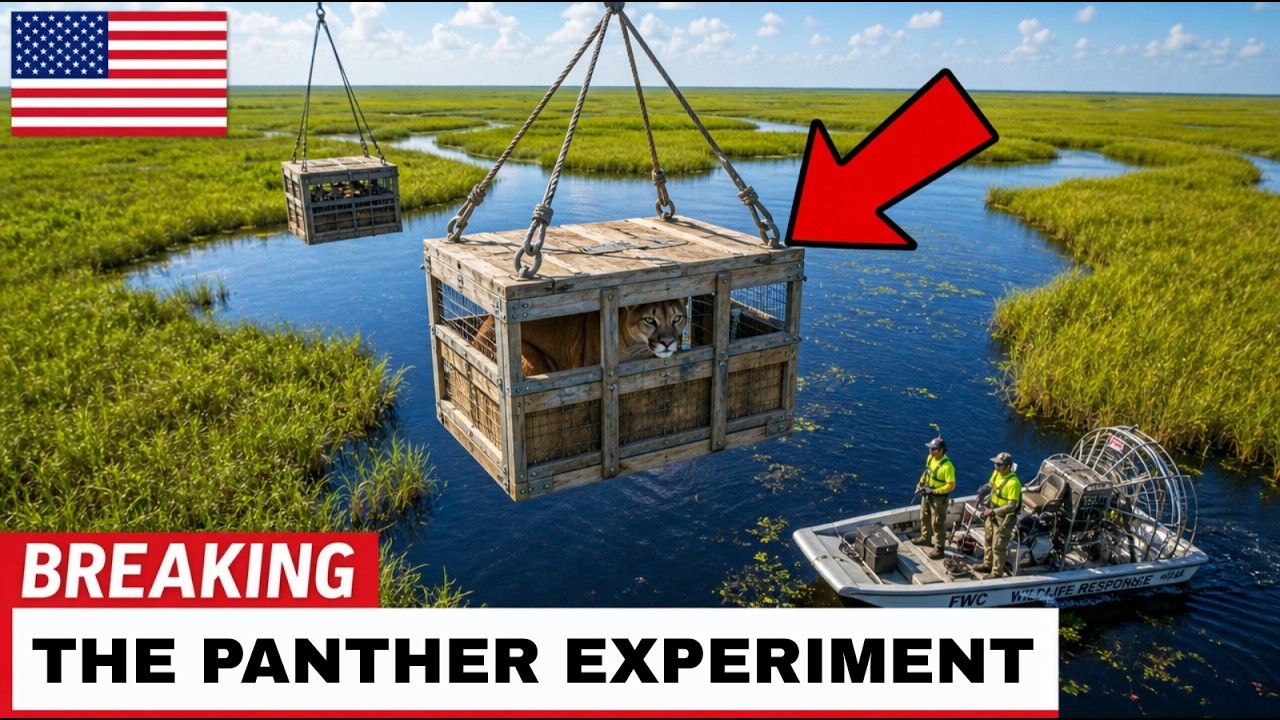
Florida released eight Texas pumas into its collapsing panther population, a desperate move to save a species on the brink. Within weeks, something impossible appeared in the genetic data, challenging everything scientists believed about the big cats’ survival.
By the early 1990s, fewer than 30 Florida panthers remained in the wild, the last survivors of a cat that...
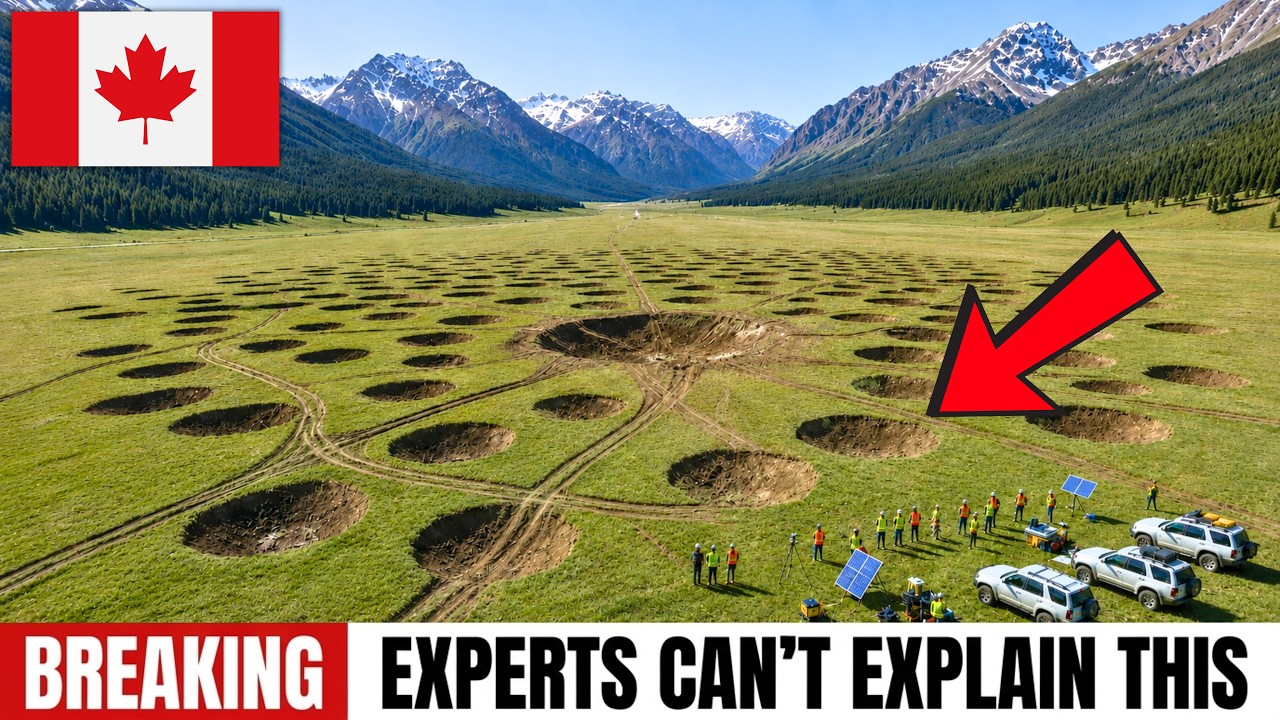
They dropped 16 plains bison into a forgotten Canadian valley with zero fanfare. Their hooves and wallows churned soil, scattered seeds, and carved watering holes that resurrected a landscape scientists had written off.
In February 2017, Parks Canada released 16 plains bison into the Panther Valley of Banff National Park. The area had...