Everyone said a broken canyon couldn’t be healed—then volunteers rebuilt it by hand, one rock at a time. In northern New Mexico, crews rejected heavy machinery for a simple method developed by retired biologist Bill Zeedyk.
In northern New Mexico, volunteers have worked to restore eroded creek beds using a method that relies on hand-placed rocks rather than heavy machinery. The approach, developed by retired wildlife biologist Bill Zeedyk, aims to slow water flow and allow the land to recover on its own.
The damage to these waterways began in the 1800s. Overgrazing stripped the grass that held soil in place, and the trapping of beavers removed the natural dams that once slowed water across the landscape. As streams cut deeper into their beds, they drained the surrounding ground water, drying out meadows and killing vegetation.

Conventional engineering solutions, such as concrete check dams, often failed. When water poured over these rigid structures, it scoured the base and eventually washed them out. In some cases, the failures made erosion worse.
Zeedyk took a different approach. Instead of trying to stop water with solid barriers, he placed low, permeable layers of rock across the channels. Water flows over and through these structures, but the friction slows it enough that sediment settles out rather than washing downstream. Over time, the channel bottom rises, the water table recovers, and plants return.
The technique is sometimes called “let the water do the work.” It does not rebuild a damaged creek directly. It simply gives the natural system the conditions it needs to repair itself.
There are limits to the method. It works best on moderate slopes with a supply of sediment and loose stone nearby. It requires understanding of how the water moves through a specific site. It also requires maintenance. Some stones will need to be reset after storms. Land use practices that caused the initial damage, such as heavy grazing, also need adjustment for the restoration to hold.
Documented examples show measurable results. At Comanche Creek in the Valle Vidal, restoration work helped narrow and deepen the channel, which lowered water temperatures and improved habitat for the Rio Grande cutthroat trout. The method has since spread among ranchers and conservation groups, and it has been written up in a field manual by Zeedyk and colleague Van Clothier.
The approach has also been linked to as a form of fire resilience. Meadows that hold water stay greener longer into dry seasons, creating damp areas that are less likely to burn intensely.
The broader technique, known as low-tech process-based restoration, has grown into a movement across the American West. In some locations, restored wetlands have attracted real beavers back, and the animals have taken over the maintenance work themselves.
Recommended Stories
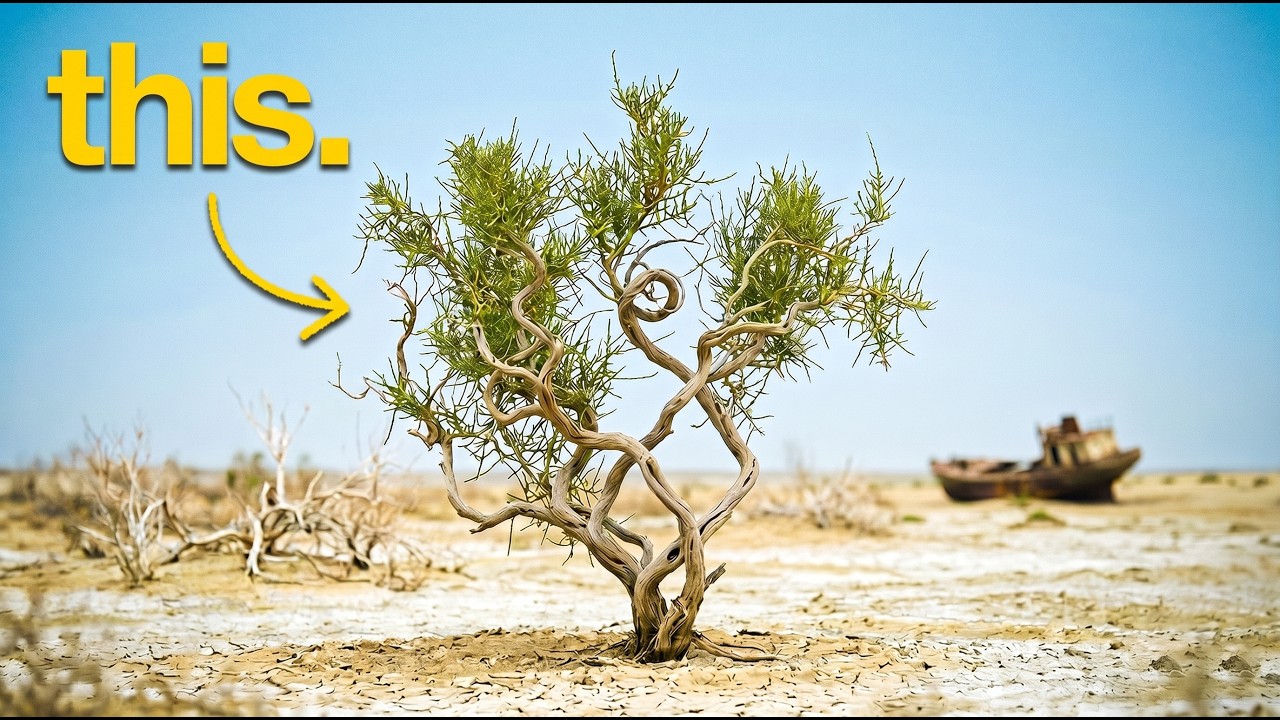
The Aral Seabed was a barren wasteland—nothing could survive its toxic, salt-crusted soil after the sea vanished. Scientists declared the region biologically dead, a haunting reminder of one of the worst ecological disasters in history.
Between Kazakhstan and Uzbekistan lies a stretch of desert that did not exist sixty years ago. The Aral Sea, once...

Divers off Australia’s southern coast were filming a tagged white shark when her behavior shifted from relaxed to panicked, forcing the seventeen-foot predator to flee for the surface. In thirty combined years of experience, none had seen a great white run from anything.
In the waters off Australia's southern coast, sunlight penetrates only about sixty feet before fading into darkness. Below that depth,...

Researchers cloned four wolves from DNA nearly lost to extinction, and the scientific triumph quickly turned unsettling. These pups weren’t ordinary animals, they carried genes from a mysterious ancient lineage that disappeared decades ago, making them genetic ghosts brought back to life.
Scientists reported in 2025 that they had successfully cloned four red wolves using genetic material recovered from wild canids in...