Florida released robot rabbits designed to attract pythons—but on day three, a 12-foot alligator destroyed one cage and swam off with the thermal pad. Within two weeks, gators at multiple sites recognized the decoys as an easy food source, smashing nearly all 120 units and scaring snakes away entirely.
Florida governor Ron DeSantis has reported that the number of pythons killed in July of this year tripled compared to the same month last year. While the figures are encouraging, officials say the broader problem remains unresolved.
In 2015, researcher Robert McClary conducted a nine-month study in which 77 wild rabbits fitted with tracking collars were consumed by pythons. The data from those collars, along with field observations, provided detailed information about where and how the snakes located their prey. McClary spent more than a decade documenting a sharp decline in native mammal populations in the Florida Everglades. Raccoon numbers fell by 99 percent, opossum populations by 98 percent, and marsh rabbits largely disappeared from several study areas within a single breeding season.
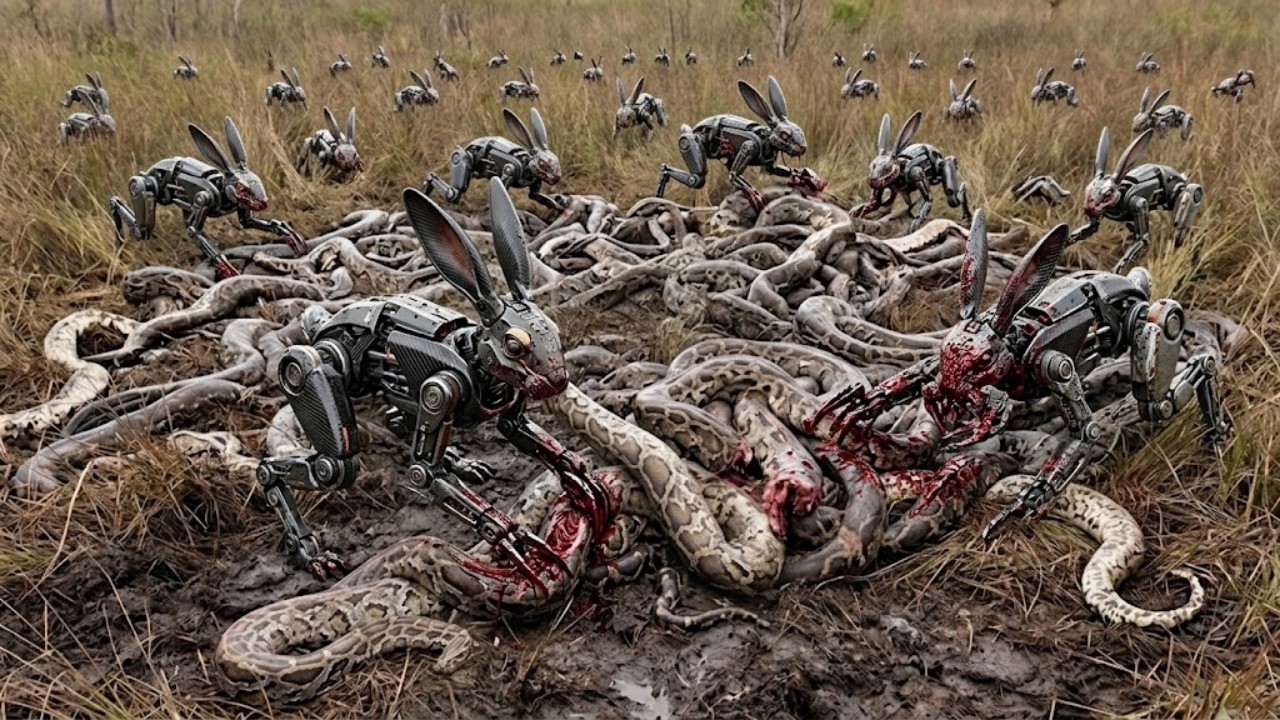
After years of studying the rabbits, McClary and his University of Florida colleague Chris Dutton began developing artificial decoys. They replaced the stuffing in toy rabbits with a heating pad set to roughly 99 degrees Fahrenheit to match the body temperature of a live rabbit, a scent emitter that released synthetic marsh rabbit musk, a small motor that produced irregular movement, and a motion-activated camera with thermal imaging. The Florida Fish and Wildlife Conservation Commission later expanded the project into a program using 120 decoys deployed across the Everglades at a cost of about 4,000 dollars per unit.
Burmese pythons first reached the Everglades through the exotic pet trade in the 1980s. The population grew substantially after Hurricane Andrew damaged a breeding facility near the park in 1992, releasing hundreds of animals into an environment with no natural predators for adult snakes. Estimates now place the population between 100,000 and 300,000. Since 2017, removal programs have eliminated more than 14,000 pythons, but researchers have long noted that breeding rates appear to outpace removal efforts. A single female can lay between 50 and 100 eggs at a time. The central difficulty has never been killing the snakes, but locating them in a vast and dense habitat.
McClary’s earlier research had shown that live rabbits in mesh cages could attract pythons at a rate of about one snake per station per week. Animal welfare concerns about the live-bait method led to the program being discontinued. The artificial decoys were designed to achieve the same result without using live animals.
In the first 48 hours of deployment, the decoys worked as intended. Thermal camera footage showed adult pythons approaching the cages, testing the scent gradient, and striking the enclosures. Removal contractors responded to alerts and captured the snakes while they remained focused on the decoys.
On the third day, a different animal responded to the same sensory cues. A 12-foot alligator destroyed one of the cages and swam away with the thermal pad. Over the following two weeks, alligators at multiple deployment sites identified the decoys as a reliable food source and began deliberately targeting them. Each unit was destroyed within seconds. As alligator activity around the cages increased, pythons began avoiding the areas altogether. The decoy program ceased to function.
The program was widely regarded as a failure at that point. About half a million dollars had been spent, and nearly all 120 units had been destroyed or damaged. However, the cameras and sensors inside the decoys had been recording continuously before each unit was destroyed. Those recordings captured not only pythons that struck the cages, but also every animal that passed within sensor range without making contact, including pythons that approached and then turned away.
When the data from all 120 units was compiled and analyzed with machine learning, recurring patterns emerged. Python movement in the Everglades is not random. The snakes use identifiable corridors between hunting areas, basking sites, and water sources. The data also showed that these movement patterns are shaped by avoidance of alligators. The pythons use routes that minimize the likelihood of encountering them.
McClary used the movement corridor map to guide a nighttime field survey. The team followed a route identified by the model as an active corridor for adult females. After several hours, they located a large group of breeding females gathered together in a nesting site deep in the marsh, with eggs already laid beneath them. The location was remote enough that standard search patterns had not found it.
In the month following the first use of the movement map, removal teams working from those coordinates removed more pythons than the traditional bounty program had removed in the entire previous year. The breeding aggregations consisted of adult females capable of reproduction, which are the highest-value removal targets because each one also represents all the eggs it would have produced over its remaining lifespan.
The decoy program failed at its intended purpose in its first weeks of operation. The data the destroyed devices produced became the foundation of a more effective removal method. The alligators that ended the experiment indirectly produced the behavioral information that made the new approach possible.
Recommended Stories
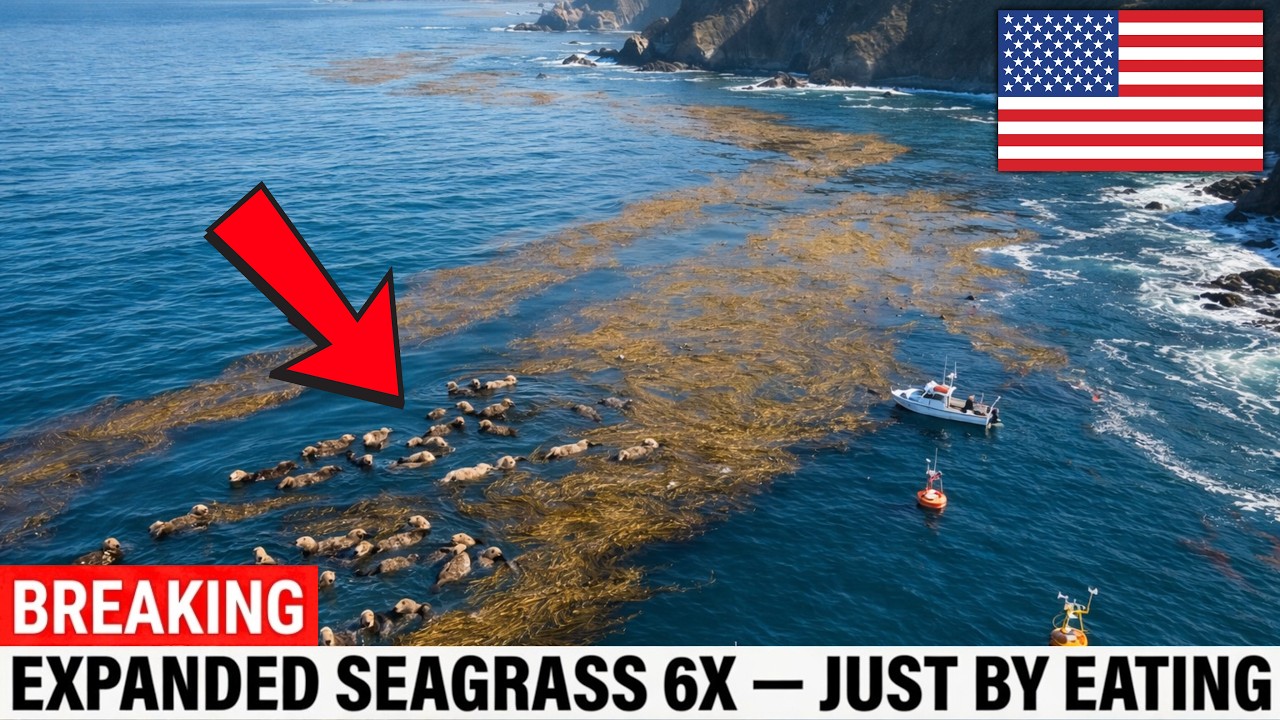
California put 37 orphaned sea otters into a supposedly dead bay, hoping they might somehow survive. For fifteen years, the experiment seemed to vanish without a trace.
In 2002, the Monterey Bay Aquarium released an orphaned sea otter pup into Elkhorn Slough, a degraded California estuary north...
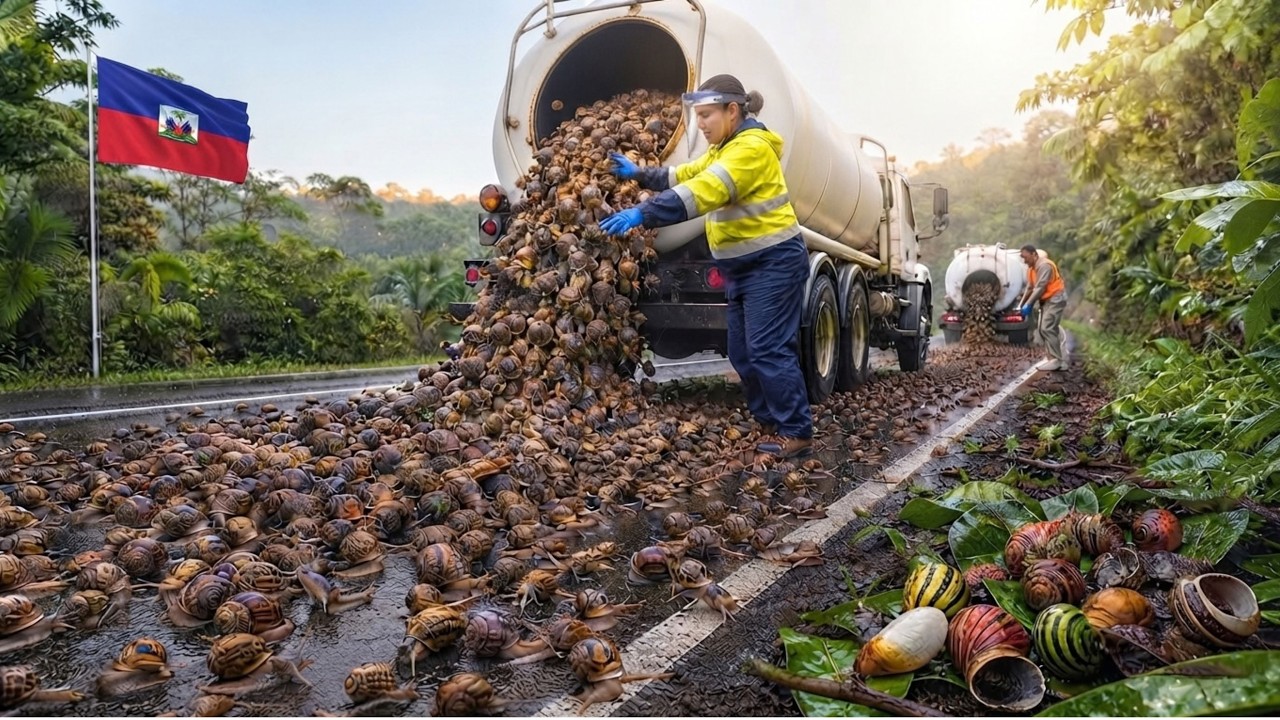
Hawaii released cannibal snails to kill a pest — but they hunted the wrong species. The predatory snails were introduced to wipe out a damaging invasive slug, a mission they seemed ready to complete.
In 1955, Hawaii introduced a predatory snail to control an invasive pest, the giant African land snail. The rosy wolf...
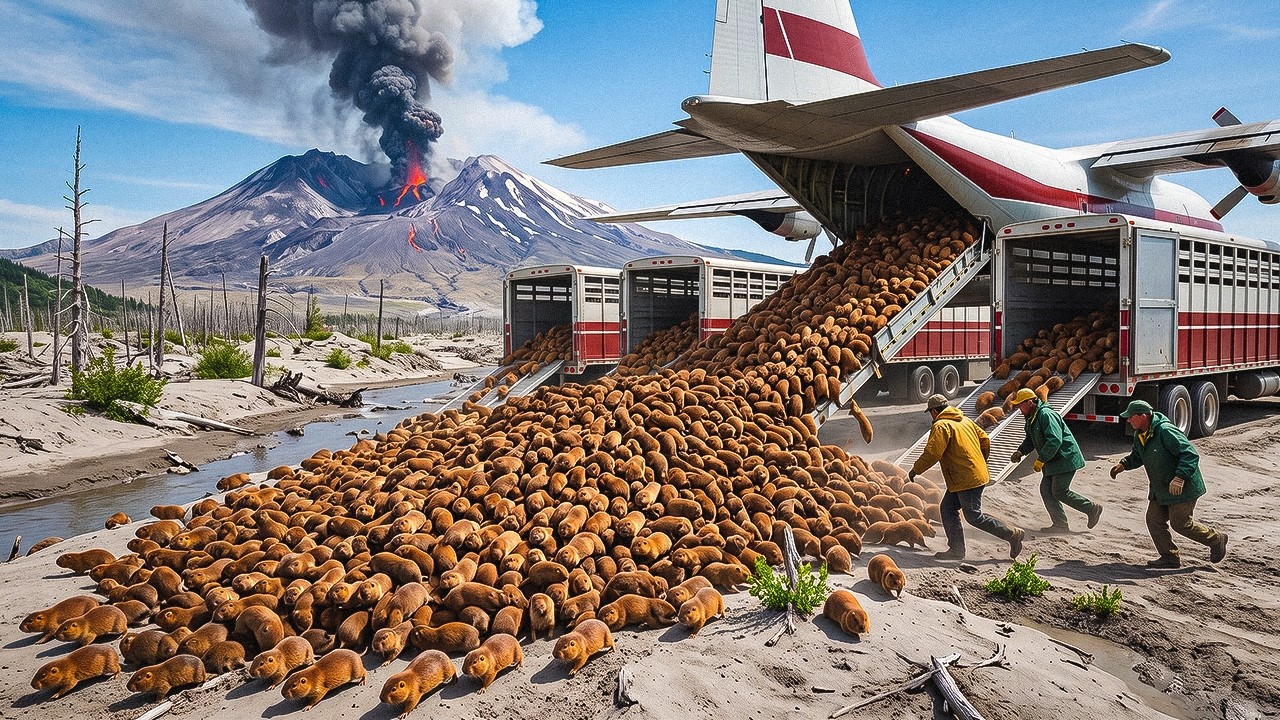
When Mount St. Helens erupted in 1980, the blast leveled forests and buried the landscape under thick volcanic ash, making survival seem impossible.
Two years after Mount St. Helens erupted in 1980, the pumice plain north of the crater was considered the most...