The U.S. released 14 wolves into a dying national park, and the results stunned scientists.
Yellowstone National Park had been without wolves for nearly seven decades when federal officials decided to bring them back in 1995. The last wolf in the park had been killed in 1926 as part of a government predator control program that had the support of ranchers and local communities. At the time, the elimination of wolves was widely regarded as a success, with few considering what the loss might mean for the land itself.
The effects became visible over the following decades. Without a top predator, elk populations grew well beyond their historic levels. By the early 1990s, roughly 19,000 elk on the park’s northern range were browsing young aspens, willows, and cottonwoods along riverbanks, preventing new growth from establishing. As vegetation disappeared, soil along streams lost its anchor. Banks eroded, channels widened, and wetlands dried up. Beaver colonies, dependent on the same willow and aspen stands, dwindled to a single colony by 1995.

That same year, the park took steps to restore what had been removed. In January 1995, fourteen gray wolves from Alberta, Canada were transported to Yellowstone’s Lamar Valley. The release followed years of debate among biologists, ranchers, hunters, and members of Congress. Ranchers and hunters had opposed the plan over concerns about livestock and game populations, while conservationists argued that the park needed its native predator to function properly.
The wolves were held in acclimation pens for several weeks before being released, a method intended to help them adjust to their new surroundings. Seventeen additional wolves arrived from British Columbia in 1996, and the animals soon formed packs across the park. One of the most closely studied groups, the Druid Peak Pack, was led by a large black male known as 21M, whose behavior drew particular attention from researchers. Observers noted that he tended to allow defeated rivals to retreat rather than pursue them, and that he lingered near fallen packmates. He became known informally as the gentleman wolf.
The return of wolves changed elk behavior in ways that extended beyond direct predation. Elk became more cautious about lingering in open river valleys and thick willow stands, which allowed young vegetation to recover. In some areas, riparian vegetation increased substantially within a few years. Tree roots helped stabilize eroding banks, and streams that had widened and shallowed began to narrow and deepen again.
Beaver populations responded to the recovering habitat. From a single colony in 1995, the number of beaver colonies grew to 121 by 2024. Their dams created ponds and wetlands that supported fish, birds, and other wildlife, further diversifying the landscape.
The reintroduction also had economic effects on nearby communities. Wolf watching drew visitors to towns such as Gardiner, Montana, contributing to local tourism revenue estimated at up to $82 million annually. This economic benefit helped ease criticism from early opponents of the program.
Monitoring has continued since the release. The Yellowstone Wolf Project, led for many years by biologist Doug Smith, tracks pack numbers, births, and losses across the park. As of late 2024, the population held steady at roughly 100 to 120 wolves across nine packs.
Researchers have since noted that wolves were not the only factor in the ecosystem’s recovery. A 2025 synthesis of studies pointed to drought cycles, bison grazing, and shifts in river hydrology as additional influences. The reappearance of wolves set significant changes in motion, but the park’s recovery is understood to be the result of multiple interacting forces.
The Yellowstone case has since been studied by scientists and land managers internationally as an example of what can happen when a missing species is restored. It demonstrated that ecosystems can recover when given the opportunity, even after long periods of decline.
Recommended Stories

The broken 600-meter pipe snapped within months, seemingly proving critics right that ocean cleanup was a fantasy. Boyan Slat’s Dutch startup had raised millions, only to watch its first prototype split apart in the Great Pacific Garbage Patch.
In 2018, a prototype floating barrier designed to collect plastic from the Pacific Ocean broke apart within months of deployment....
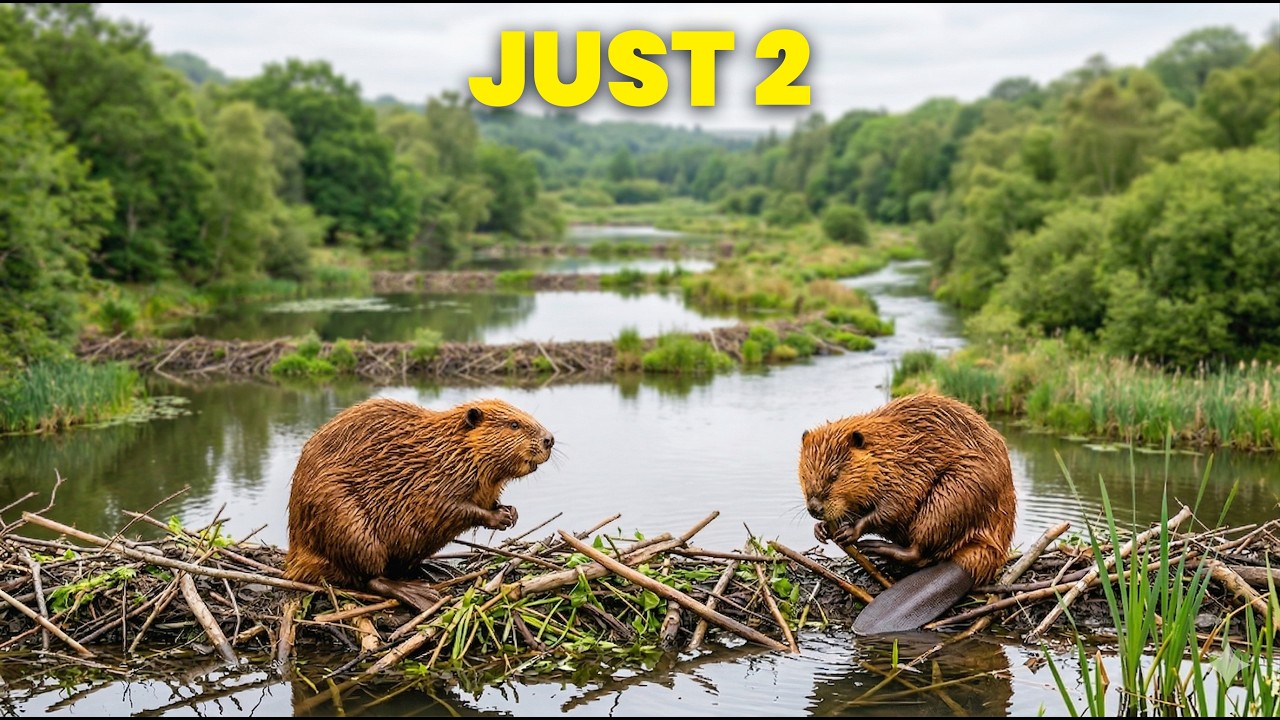
Just two beavers released into Britain’s dying rivers triggered a transformation nobody anticipated. Conservationists expected a slow ecological recovery, but the animals rebuilt entire waterways within months.
In 2015, winter floods caused an estimated 1.6 billion pounds in damage across England. The government’s response was to invest...
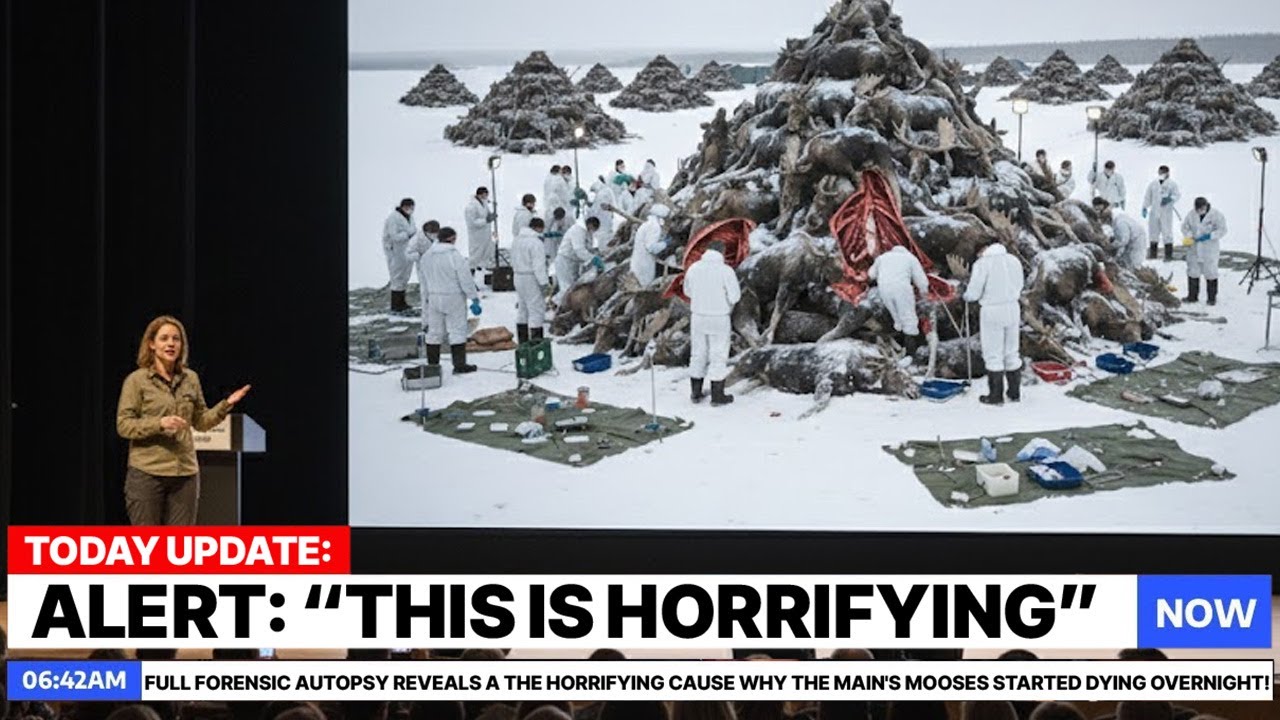
Wildlife biologists in northern Maine have documented unusually high mortality among young moose this year, with winter ticks identified as the primary cause. The deaths have renewed attention on how
Wildlife biologists in northern Maine have documented unusually high mortality among young moose this year, with winter ticks identified as...